

 プレビュー
プレビュー
 プリントを購入
 シェアする
シェアする シェアする
シェアする
 詳細を見る
詳細を見る

 ダウンロード
 似ている作品
 X線調査
X線調査 スライドショー
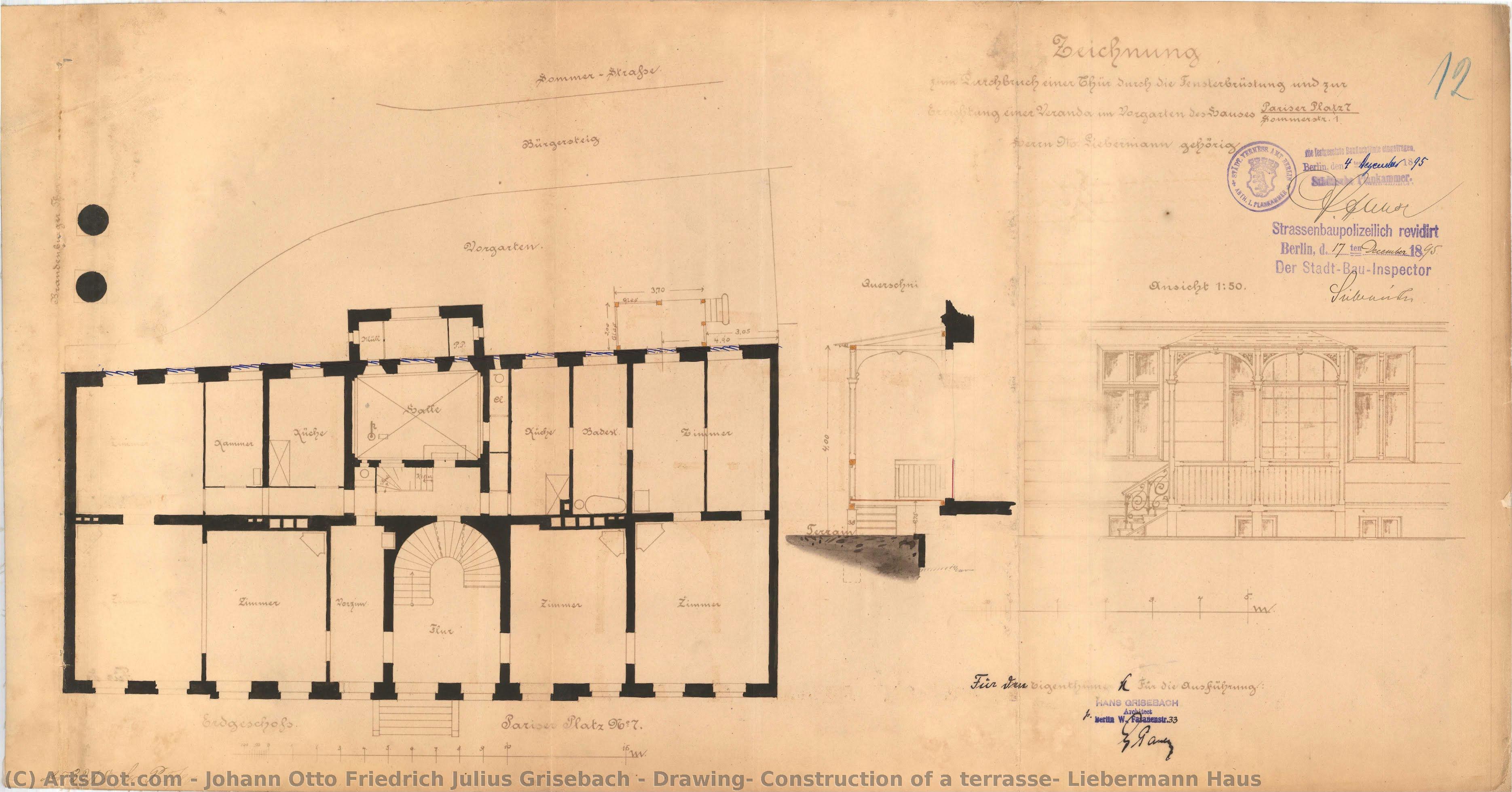
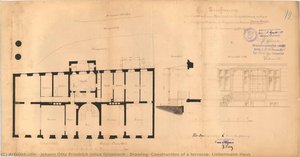
Drawing: Construction of a terrasse, Liebermann Haus


 詳細を見る
詳細を見る
オンラインプレビューをはるかに凌ぐ、高解像度で鮮明なデジタル画像をご購入いただけます。
各ファイルは、社内の専門家が高度なツールと熟練した手作業によるレタッチを用いて、細心の注意を払って準備されています。すべての画像において、卓越した鮮明度、正確な色彩再現性、そして繊細なディテールを保証いたします。
最終ファイルは、プロフェッショナルな編集・印刷環境ですぐにご利用いただけるよう最適化された状態で、72時間以内にメールにてお届けいたします。これは、一流のデザインスタジオ、出版社、ギャラリーから信頼されているものと同等の品質です。
デジタル画像のご注文に付随する特典
高品質なデジタル画像配信を、確かな品質で。
ArtsDot.com を選ぶことは、単に画像を手に入れることではありません。それは、プロの手によって精密に仕上げられ、満足保証が付いた高品質なデジタルアートワークを受け取ることを意味します。ご注文いただいた際に自動的に付随する内容は、以下の通りです:

メールですぐにお届け
ご注文から72時間以内に、高解像度のデジタル画像ファイルがメールでお手元に届きます。すぐにそのままご利用いただけます。

AI技術で最適化されたデジタルファイル
お客様の作品は、高度なAIツールと専門家による手作業の編集を組み合わせてプロフェッショナルに最適化されており、細部のディテール、鮮明さ、そして正確な色再現性を最大限に引き出しています。

一生涯無料の再送サービス
ファイルを誤って削除したり、紛失してしまったりしましたか?ご安心ください。いつでも無料で再送いたします。

輸入手数料は一切かかりません
関税や手数料、配送料を気にすることなく、お気に入りのアートワークをすぐにお楽しみいただけます。デジタルダウンロードは常に免税です。

色彩再現の保証
プロ仕様のツールとカラーマネジメント技術を用いることで、デジタル画像が元の色を最大限に忠実に再現することを保証いたします。

60日間満足保証
ご購入いただいたデジタル画像にご満足いただけない場合は、60日以内であれば、修正または100%の返金(理由を問う必要はありません)をさせていただきます。

100% 返金保証
ご満足いただけない場合は、デジタルファイルを受け取ってから60日以内であれば、理由を問わず全額返金いたします。

まとめ買い割引
3枚購入で10%OFF - 5枚購入で15%OFF - 10枚以上購入で20%OFF。クリエイティブなプロジェクト、ギャラリー、エージェンシーに最適です。
関連作品
作家の略歴
Johann Otto Friedrich Julius Grisebach: Architect of Berlin’s Artistic Soul
Born in Göttingen, Germany, in 1848, Johann Otto Friedrich Julius Grisebach – often known as Hans Grisebach – was more than just an architect; he was a pivotal figure in shaping the cultural landscape of late 19th-century Berlin. His career spanned several decades, marked by a distinctive blend of historical revivalism and burgeoning Expressionist sensibilities, leaving behind a legacy of buildings that continue to resonate with their innovative design and connection to the city’s artistic community. Grisebach's work wasn't merely about constructing structures; it was about creating environments that fostered creativity and reflected the spirit of a rapidly changing era.
Grisebach’s early education laid the foundation for his unique approach. He began his studies at the Polytechnikum in Hanover under the guidance of Conrad Wilhelm Hase, a renowned architect-professor whose influence extended far beyond traditional academic principles. However, his path was interrupted by military service in 1870/71 and subsequently enriched by a transformative journey to Italy. This exposure to Romanesque and Renaissance architecture ignited within him a deep appreciation for historical styles, which he would later skillfully integrate into his own designs. The Italian experience instilled a desire to move beyond mere imitation, pushing him toward a more nuanced understanding of architectural form and its relationship to context.
His professional career commenced in Vienna, where he apprenticed under the Gothic Revival architect F. Schmid. This period proved invaluable, exposing him to established techniques and stylistic conventions. Following his time in Vienna, Grisebach spent three years in Wiesbaden, broadening his experience before embarking on a comprehensive study tour through France, Spain, Italy, and Malta. These travels weren’t simply vacations; they were deliberate investigations into architectural traditions, resulting in a remarkably eclectic portfolio of influences. Upon returning to Germany, he settled in Berlin in 1880, quickly establishing himself as a respected architect within the city's burgeoning artistic circles.
Collaboration and Innovation: The Dinklage Partnership
A defining chapter in Grisebach’s career unfolded between 1889 and 1901 through his collaboration with August Dinklage. This partnership proved extraordinarily productive, yielding a series of landmark buildings that showcased their combined creative vision. Their firm became particularly renowned for its innovative use of materials – incorporating elements like ironwork and glass in ways previously unseen – and for the sophisticated spatial relationships they established within their designs. The Liebermann Haus, completed in 1893, stands as perhaps their most celebrated achievement, a testament to their ability to seamlessly blend historical references with modern sensibilities. This building, now a museum dedicated to the work of painter Max Liebermann, exemplifies Grisebach’s commitment to creating spaces that were both aesthetically pleasing and functionally adaptable.
The architectural style of Grisebach is characterized by a captivating synthesis of historical and cultural influences. He skillfully blended Gothic Revival elements with hints of Expressionist aesthetics – a movement gaining momentum during his time. His buildings weren't simply reproductions of past styles; they were reinterpretations, imbued with a sense of dynamism and emotional resonance. The Pommersches Landesmuseum in Greifswald, featuring a remarkable collection of art including masterpieces by Caspar David Friedrich, provides a compelling parallel – demonstrating the broader cultural context within which Grisebach’s work flourished.
Notable Works and Architectural Legacy
Grisebach's architectural output extended beyond the Liebermann Haus, encompassing a diverse range of projects that significantly contributed to Berlin’s urban fabric. His designs for residential buildings, commercial spaces, and public structures reflected his meticulous attention to detail and his commitment to creating harmonious environments. While specific details on every project are scarce, it is clear that he consistently sought to elevate the quality of architectural design within the city.
The impact of Grisebach’s work extends beyond individual buildings; he played a crucial role in shaping Berlin's artistic identity. His collaborations with artists like Max Liebermann fostered a vibrant exchange between architecture and art, creating spaces that were not only functional but also inspiring. His legacy is interwoven with the city’s cultural history, and his buildings continue to be studied and admired for their innovative design and enduring beauty.
A Lasting Influence
Johann Otto Friedrich Julius Grisebach's career concluded in 1904, but his influence on German architecture continues to be felt. His work represents a pivotal moment in the transition between historical revivalism and modern architectural expression. His meticulous approach to design, combined with his deep understanding of cultural context, cemented his place as one of Berlin’s most significant architects of the late 19th century. Further research into his lesser-known projects promises to reveal even greater insights into the breadth and depth of his creative vision.
johann otto friedrich julius grisebach
1848 - 1904 , Germany
プロフィール概要
- Artistic Movement Or Style: Gothic Revival & Expressionism
- Artists Or Movements Influenced By This Artist: ['Carl F.']
- Artists Who Influenced This Artist: ['Conrad Wilhelm Hase']
- Date Of Birth: July 26, 1848
- Date Of Death: May 11, 1904
- Full Name: Johann Otto Friedrich Julius Grisebach”
- Nationality: German
- Notable Artworks: ['Liebermann Haus']
- Place Of Birth: Goettingen, Germany

