

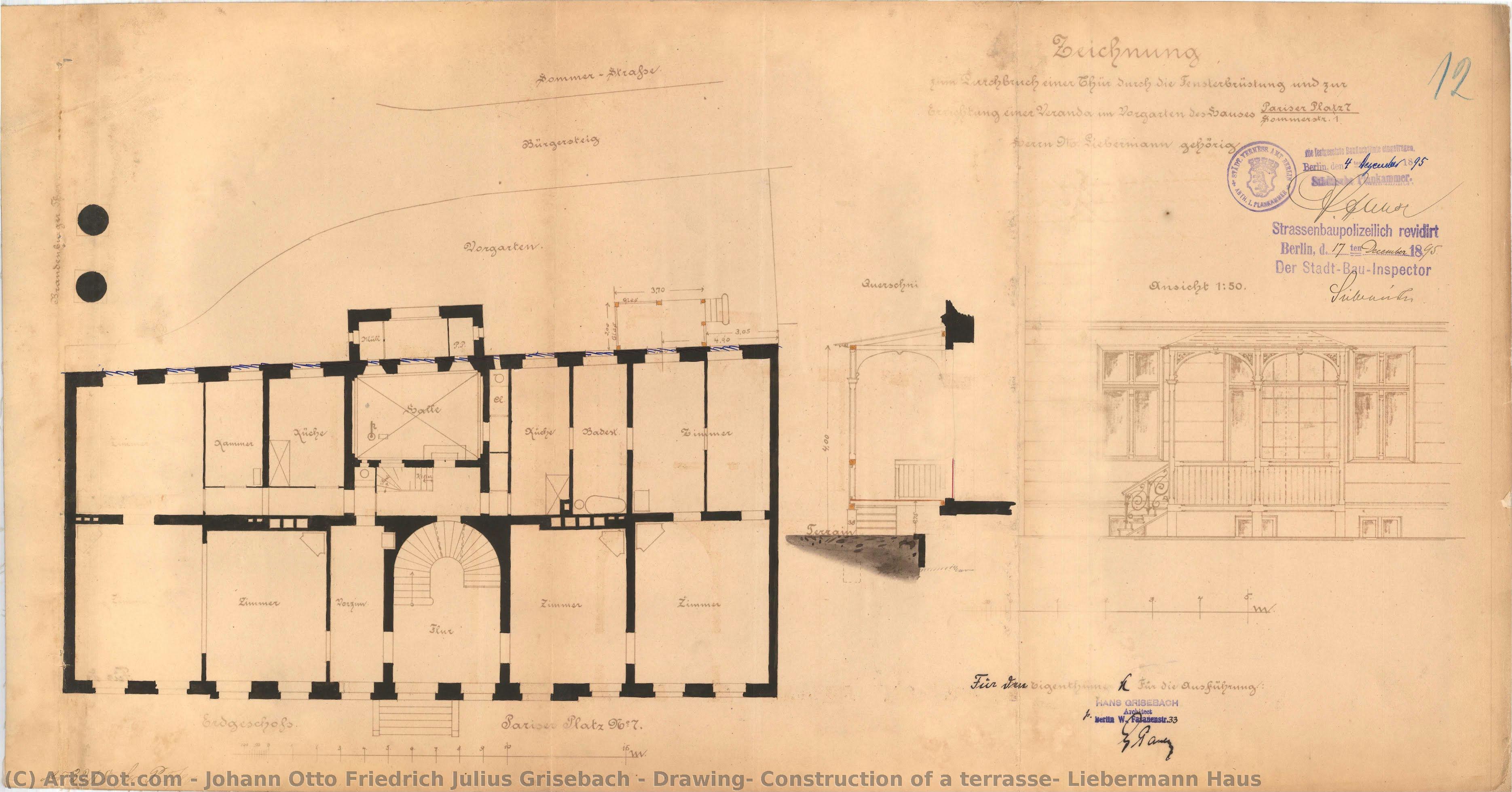
 プレビュー
プレビュー
 シェアする
シェアする シェアする
シェアする
 詳細を見る
詳細を見る

 ダウンロード
 似ている作品
 X線調査
X線調査 スライドショー
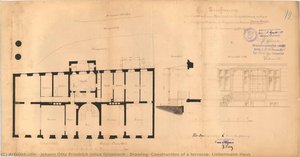
Drawing: Construction of a terrasse, Liebermann Haus


 詳細を見る
詳細を見る
ジークレー/アートプリント
迅速な制作と多彩な仕上げオプションを備えた、ミュージアムクオリティのジークレーまたはキャンバスプリント。 ( 手描きの絵画を購入 画像を購入)




































作品のオリジナル比率に合わせた、当店の規定サイズからお選びください。

特定のフレームやスペースに合わせて、ご自身でサイズを指定することも可能です。選択されたサイズが元の画像の比率と一致しない場合、作品をトリミングするか、鏡面反射または単色での塗りつぶしによって画像を拡張いたします。制作を開始する前に、ご確認用のデジタルモックアップをお送りいたします。
画面上のプレビューには、実際のトリミングや拡張は反映されませんのでご注意ください。最終的な構図を正確に確認できるのは、モックアップのみとなります。
カスタムサイズも承っておりますが、元の比率を維持するためには、あらかじめ用意されたリストからサイズを選択することをお勧めいたします。


 ガラスオプションは、110cm未満のサイズでのみご利用いただけます。

Drawing: Construction of a terrasse, Liebermann Haus
ジークレー/アートプリント
複製画のサイズ
-


合計金額
$ 62
関連作品
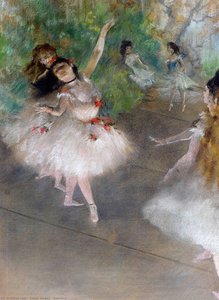
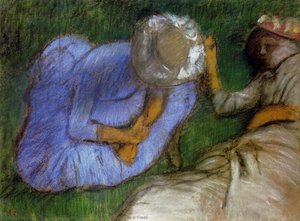
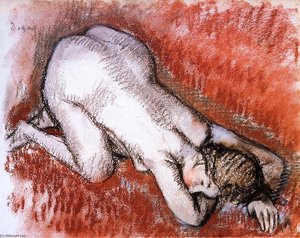
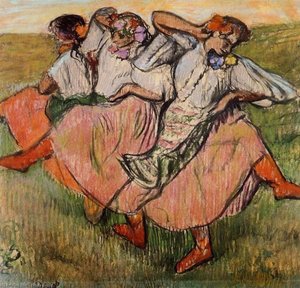
アーティストの略歴
Johann Otto Friedrich Julius Grisebach: Architect of Berlin’s Artistic Soul
Born in Göttingen, Germany, in 1848, Johann Otto Friedrich Julius Grisebach – often known as Hans Grisebach – was more than just an architect; he was a pivotal figure in shaping the cultural landscape of late 19th-century Berlin. His career spanned several decades, marked by a distinctive blend of historical revivalism and burgeoning Expressionist sensibilities, leaving behind a legacy of buildings that continue to resonate with their innovative design and connection to the city’s artistic community. Grisebach's work wasn't merely about constructing structures; it was about creating environments that fostered creativity and reflected the spirit of a rapidly changing era.
Grisebach’s early education laid the foundation for his unique approach. He began his studies at the Polytechnikum in Hanover under the guidance of Conrad Wilhelm Hase, a renowned architect-professor whose influence extended far beyond traditional academic principles. However, his path was interrupted by military service in 1870/71 and subsequently enriched by a transformative journey to Italy. This exposure to Romanesque and Renaissance architecture ignited within him a deep appreciation for historical styles, which he would later skillfully integrate into his own designs. The Italian experience instilled a desire to move beyond mere imitation, pushing him toward a more nuanced understanding of architectural form and its relationship to context.
His professional career commenced in Vienna, where he apprenticed under the Gothic Revival architect F. Schmid. This period proved invaluable, exposing him to established techniques and stylistic conventions. Following his time in Vienna, Grisebach spent three years in Wiesbaden, broadening his experience before embarking on a comprehensive study tour through France, Spain, Italy, and Malta. These travels weren’t simply vacations; they were deliberate investigations into architectural traditions, resulting in a remarkably eclectic portfolio of influences. Upon returning to Germany, he settled in Berlin in 1880, quickly establishing himself as a respected architect within the city's burgeoning artistic circles.
Collaboration and Innovation: The Dinklage Partnership
A defining chapter in Grisebach’s career unfolded between 1889 and 1901 through his collaboration with August Dinklage. This partnership proved extraordinarily productive, yielding a series of landmark buildings that showcased their combined creative vision. Their firm became particularly renowned for its innovative use of materials – incorporating elements like ironwork and glass in ways previously unseen – and for the sophisticated spatial relationships they established within their designs. The Liebermann Haus, completed in 1893, stands as perhaps their most celebrated achievement, a testament to their ability to seamlessly blend historical references with modern sensibilities. This building, now a museum dedicated to the work of painter Max Liebermann, exemplifies Grisebach’s commitment to creating spaces that were both aesthetically pleasing and functionally adaptable.
The architectural style of Grisebach is characterized by a captivating synthesis of historical and cultural influences. He skillfully blended Gothic Revival elements with hints of Expressionist aesthetics – a movement gaining momentum during his time. His buildings weren't simply reproductions of past styles; they were reinterpretations, imbued with a sense of dynamism and emotional resonance. The Pommersches Landesmuseum in Greifswald, featuring a remarkable collection of art including masterpieces by Caspar David Friedrich, provides a compelling parallel – demonstrating the broader cultural context within which Grisebach’s work flourished.
Notable Works and Architectural Legacy
Grisebach's architectural output extended beyond the Liebermann Haus, encompassing a diverse range of projects that significantly contributed to Berlin’s urban fabric. His designs for residential buildings, commercial spaces, and public structures reflected his meticulous attention to detail and his commitment to creating harmonious environments. While specific details on every project are scarce, it is clear that he consistently sought to elevate the quality of architectural design within the city.
The impact of Grisebach’s work extends beyond individual buildings; he played a crucial role in shaping Berlin's artistic identity. His collaborations with artists like Max Liebermann fostered a vibrant exchange between architecture and art, creating spaces that were not only functional but also inspiring. His legacy is interwoven with the city’s cultural history, and his buildings continue to be studied and admired for their innovative design and enduring beauty.
A Lasting Influence
Johann Otto Friedrich Julius Grisebach's career concluded in 1904, but his influence on German architecture continues to be felt. His work represents a pivotal moment in the transition between historical revivalism and modern architectural expression. His meticulous approach to design, combined with his deep understanding of cultural context, cemented his place as one of Berlin’s most significant architects of the late 19th century. Further research into his lesser-known projects promises to reveal even greater insights into the breadth and depth of his creative vision.
johann otto friedrich julius grisebach
1848 - 1904 , Germany
基本情報
- Artistic Movement Or Style: Gothic Revival & Expressionism
- Artists Or Movements Influenced By This Artist: ['Carl F.']
- Artists Who Influenced This Artist: ['Conrad Wilhelm Hase']
- Date Of Birth: July 26, 1848
- Date Of Death: May 11, 1904
- Full Name: Johann Otto Friedrich Julius Grisebach”
- Nationality: German
- Notable Artworks: ['Liebermann Haus']
- Place Of Birth: Goettingen, Germany

