

 プレビュー
プレビュー
 プリントを購入
 シェアする
シェアする シェアする
シェアする
 詳細を見る
詳細を見る

 ダウンロード
 似ている作品
 X線調査
X線調査 スライドショー
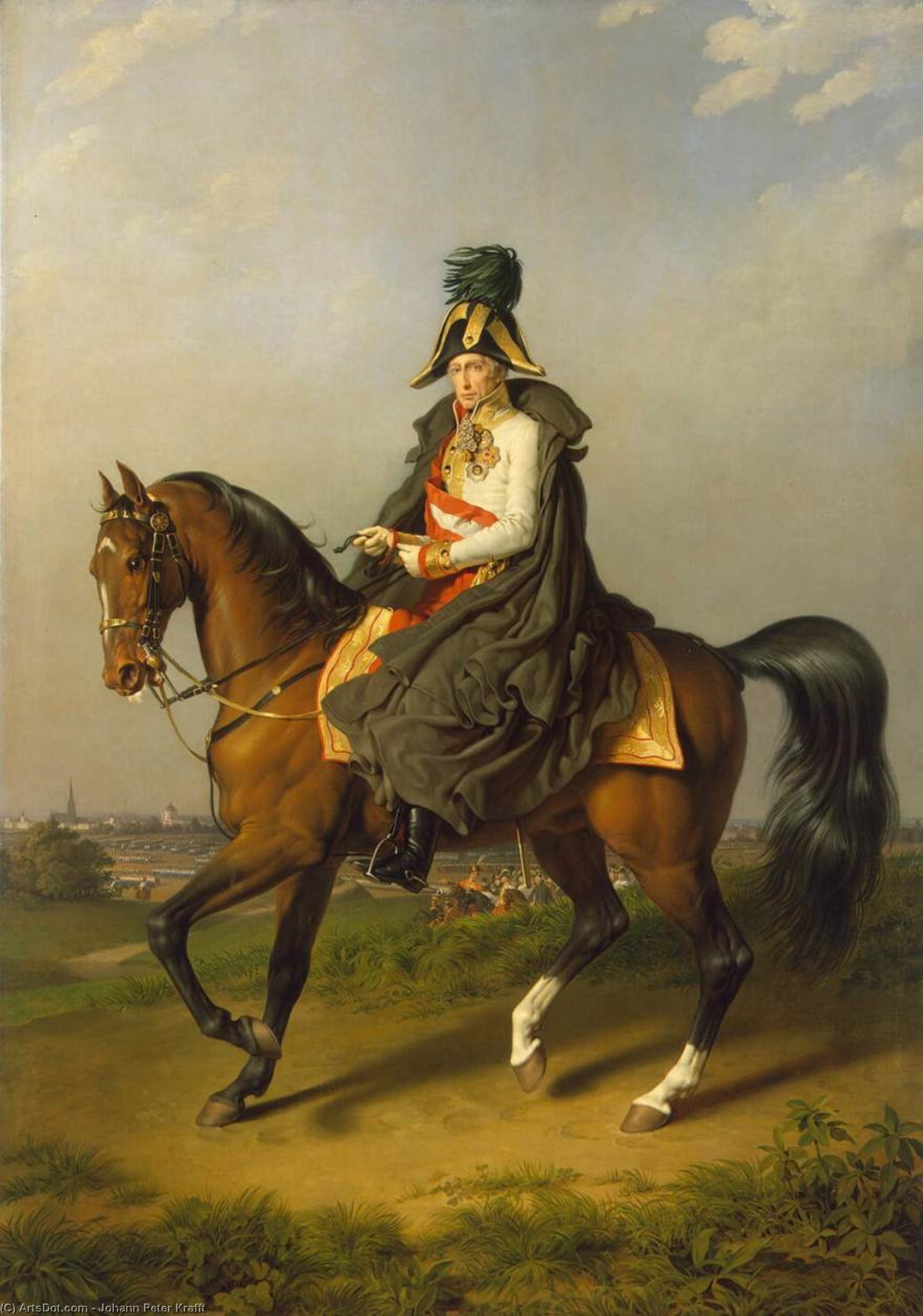
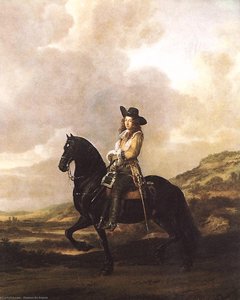
Equestrian Portrait of Franz I
 Oil On Canvas
- WallArt
- Neoclassicism
 1832
1832 361.0 x 258.0 cm
 エルミタージュ美術館
 詳細を見る
詳細を見る
オンラインプレビューをはるかに凌ぐ、高解像度で鮮明なデジタル画像をご購入いただけます。
各ファイルは、社内の専門家が高度なツールと熟練した手作業によるレタッチを用いて、細心の注意を払って準備されています。すべての画像において、卓越した鮮明度、正確な色彩再現性、そして繊細なディテールを保証いたします。
最終ファイルは、プロフェッショナルな編集・印刷環境ですぐにご利用いただけるよう最適化された状態で、72時間以内にメールにてお届けいたします。これは、一流のデザインスタジオ、出版社、ギャラリーから信頼されているものと同等の品質です。
デジタル画像のご注文に付随する特典
高品質なデジタル画像配信を、確かな品質で。
ArtsDot.com を選ぶことは、単に画像を手に入れることではありません。それは、プロの手によって精密に仕上げられ、満足保証が付いた高品質なデジタルアートワークを受け取ることを意味します。ご注文いただいた際に自動的に付随する内容は、以下の通りです:

メールですぐにお届け
ご注文から72時間以内に、高解像度のデジタル画像ファイルがメールでお手元に届きます。すぐにそのままご利用いただけます。

AI技術で最適化されたデジタルファイル
お客様の作品は、高度なAIツールと専門家による手作業の編集を組み合わせてプロフェッショナルに最適化されており、細部のディテール、鮮明さ、そして正確な色再現性を最大限に引き出しています。

一生涯無料の再送サービス
ファイルを誤って削除したり、紛失してしまったりしましたか?ご安心ください。いつでも無料で再送いたします。

輸入手数料は一切かかりません
関税や手数料、配送料を気にすることなく、お気に入りのアートワークをすぐにお楽しみいただけます。デジタルダウンロードは常に免税です。

色彩再現の保証
プロ仕様のツールとカラーマネジメント技術を用いることで、デジタル画像が元の色を最大限に忠実に再現することを保証いたします。

60日間満足保証
ご購入いただいたデジタル画像にご満足いただけない場合は、60日以内であれば、修正または100%の返金(理由を問う必要はありません)をさせていただきます。

100% 返金保証
ご満足いただけない場合は、デジタルファイルを受け取ってから60日以内であれば、理由を問わず全額返金いたします。

まとめ買い割引
3枚購入で10%OFF - 5枚購入で15%OFF - 10枚以上購入で20%OFF。クリエイティブなプロジェクト、ギャラリー、エージェンシーに最適です。
The Majesty of the Horse: Johann Peter Krafft’s ‘Equestrian Portrait of Franz I’
Johann Peter Krafft's “Equestrian Portrait of Franz I,” painted in 1832, is more than simply a depiction of a royal figure on horseback; it’s a carefully constructed tableau of power, lineage, and the idealized image of Habsburg authority. The painting immediately commands attention with its scale – measuring an impressive 361 x 258 cm – inviting the viewer to step into the scene and witness this pivotal moment in Austrian history. Krafft, a master of portraiture deeply influenced by Neoclassical ideals, skillfully employs light and shadow to sculpt Franz I’s form, imbuing him with a sense of dignified strength and regal bearing.
The subject himself, Franz I, Holy Roman Emperor, is presented as the embodiment of imperial grandeur. Dressed in the elaborate military attire characteristic of his era – a richly embroidered coat, a feathered hat, and a gleaming sword – he exudes an aura of command. The horse beneath him, a magnificent brown steed, mirrors this power, its posture alert and poised, reflecting Franz I’s own unwavering resolve. Krafft's meticulous attention to detail extends beyond the figures themselves; the intricate patterns on the clothing, the texture of the horse’s coat, and the subtle nuances of light on metal all contribute to a remarkably realistic and immersive experience.
A Window into 19th-Century Habsburg Vienna
To fully appreciate “Equestrian Portrait of Franz I,” it's crucial to understand its historical context. Painted in 1832, the work reflects the height of the Habsburg Empire’s power and influence – a period marked by territorial expansion, political maneuvering, and a fervent embrace of classical ideals. Krafft was deeply embedded within this artistic and cultural milieu, working closely with established masters like Ingres and drawing inspiration from the traditions of portraiture that had flourished in Vienna for centuries. The cityscape visible in the background—a hazy blend of buildings suggesting Vienna—provides a subtle yet significant connection to the imperial capital, anchoring the scene firmly within its geographical and political landscape.
The painting’s creation coincided with a renewed interest in historical portraiture, driven by the Romantic movement's emphasis on national identity and heroic narratives. Krafft skillfully blends these trends, crafting an image that simultaneously celebrates Franz I’s imperial status and evokes a sense of timeless majesty. The composition itself—a carefully balanced arrangement of figures and elements—underscores this ambition, creating a visual statement that speaks to the enduring legacy of the Habsburg dynasty.
Symbolism and Artistic Technique
Krafft's masterful use of technique elevates “Equestrian Portrait of Franz I” beyond a mere likeness. He employs a sophisticated understanding of chiaroscuro – the dramatic contrast between light and shadow – to create a sense of depth and volume, emphasizing the musculature of Franz I’s body and the powerful presence of his steed. The subtle gradations of color, achieved through meticulous layering of paint, contribute to the painting's overall richness and luminosity. The feathered hat, a prominent feature of the portrait, is not merely decorative; it symbolizes imperial authority and connection to ancient traditions.
Furthermore, the horse itself carries significant symbolic weight. In equestrian art, the horse represents power, nobility, and military prowess – qualities inextricably linked to the image of the emperor. Krafft’s depiction of the animal is remarkably lifelike, capturing its strength, grace, and alertness with impressive detail. The careful positioning of the horse—its head held high, its gaze fixed forward—reinforces Franz I's commanding presence and his role as a protector of the empire.
A Legacy Enduring Through Reproduction
Today, “Equestrian Portrait of Franz I” stands as a testament to Krafft’s artistic skill and a captivating window into a pivotal moment in European history. Reproductions of this magnificent work offer art enthusiasts and collectors alike the opportunity to experience its grandeur and beauty firsthand. Whether displayed in a grand hall or a more intimate setting, this portrait continues to inspire awe and admiration for its masterful composition, rich symbolism, and enduring legacy.
関連作品


作家の略歴
The Legacy of Johann Peter Krafft: A Master of Narrative and Grandeur
Born in Hanau, Germany, in 1780, Johann Peter Krafft emerged as a pivotal figure in the landscape of nineteenth-century European art. While his roots were German, his artistic soul found its most profound expression within the Austrian tradition, where he became a leading light of the Biedermeier period. His life’s work serves as a bridge between the disciplined precision of Neoclassicism and the burgeoning emotional intensity of Romanticism. Krafft was not merely a chronicler of faces or landscapes; he was a storyteller who utilized the canvas to weave complex historical narratives, imbuing his subjects with a sense of dignity, drama, and enduring significance.
The foundation of Krafft’s mastery lay in his rigorous training and the profound influence of the era's great masters. Drawing inspiration from the structured clarity of Jacques-Louis David and the nuanced approach of Gérard, he developed a technique characterized by meticulous draftsmanship and a sophisticated command of composition. This academic discipline allowed him to navigate diverse genres with ease, ranging from intimate portraits to sweeping historical epics. His ability to balance the formal requirements of classical art with the expressive potential of genre painting enabled him to capture both the quiet dignity of individual subjects and the chaotic energy of historical turning points.
A Tapestry of History and Emotion
Krafft’s oeuvre is perhaps most celebrated for its ability to breathe life into the past. He possessed a unique talent for capturing the pulse of history, often focusing on themes of nobility, military prowess, and legendary romance. His works are far more than mere illustrations; they are atmospheric explorations of human struggle and triumph. Through his use of earthy tones, dynamic compositions, and rich textures, he invited viewers to step into the very heart of the scenes he depicted.
Several key works exemplify the breadth of his creative vision:
- The Attack of Zrinyi (1825): A breathtaking display of dramatic tension, this oil painting utilizes a dynamic composition to capture a pivotal moment in Hungarian history, showcasing Krafft's ability to render movement and historical gravity.
- Ruggiero and Angelica (1842): In this masterpiece of German Romanticism, Krafft explores the depths of passion and myth, presenting a tender yet powerful scene that highlights his skill in portraying human emotion and classical beauty.
- Equestrian Portrait of Franz I: This work stands as a testament to his ability to convey power and nobility, using a classical style to celebrate military strength and the grandeur of the imperial era.
Historical Significance and Artistic Endurance
The significance of Johann Peter Krafft extends beyond the aesthetic beauty of his paintings. He played a crucial role in shaping the visual identity of the Biedermeier era, an age that valued domesticity, clarity, and a certain refined realism. By blending these localized sensibilities with the grander traditions of European history painting, he created a style that was both accessible and profoundly impactful. His work helped to define the cultural zeitgeist of Central Europe, providing a visual language for the historical consciousness of his time.
Today, Krafft’s legacy continues to resonate through the enduring power of his imagery. His ability to manipulate light, line, and narrative to evoke a sense of timelessness ensures that his paintings remain much more than relics of the nineteenth century. They are living windows into an era of transition, reminding us of the profound connection between art, history, and the eternal human experience.
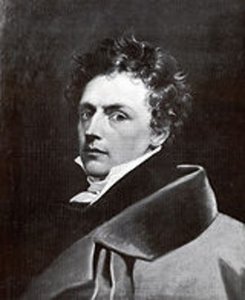
johann peter krafft
1780 - 1856

