

 プレビュー
プレビュー
 シェアする
シェアする シェアする
シェアする
 詳細を見る
詳細を見る

 ダウンロード
 似ている作品
 X線調査
X線調査 スライドショー
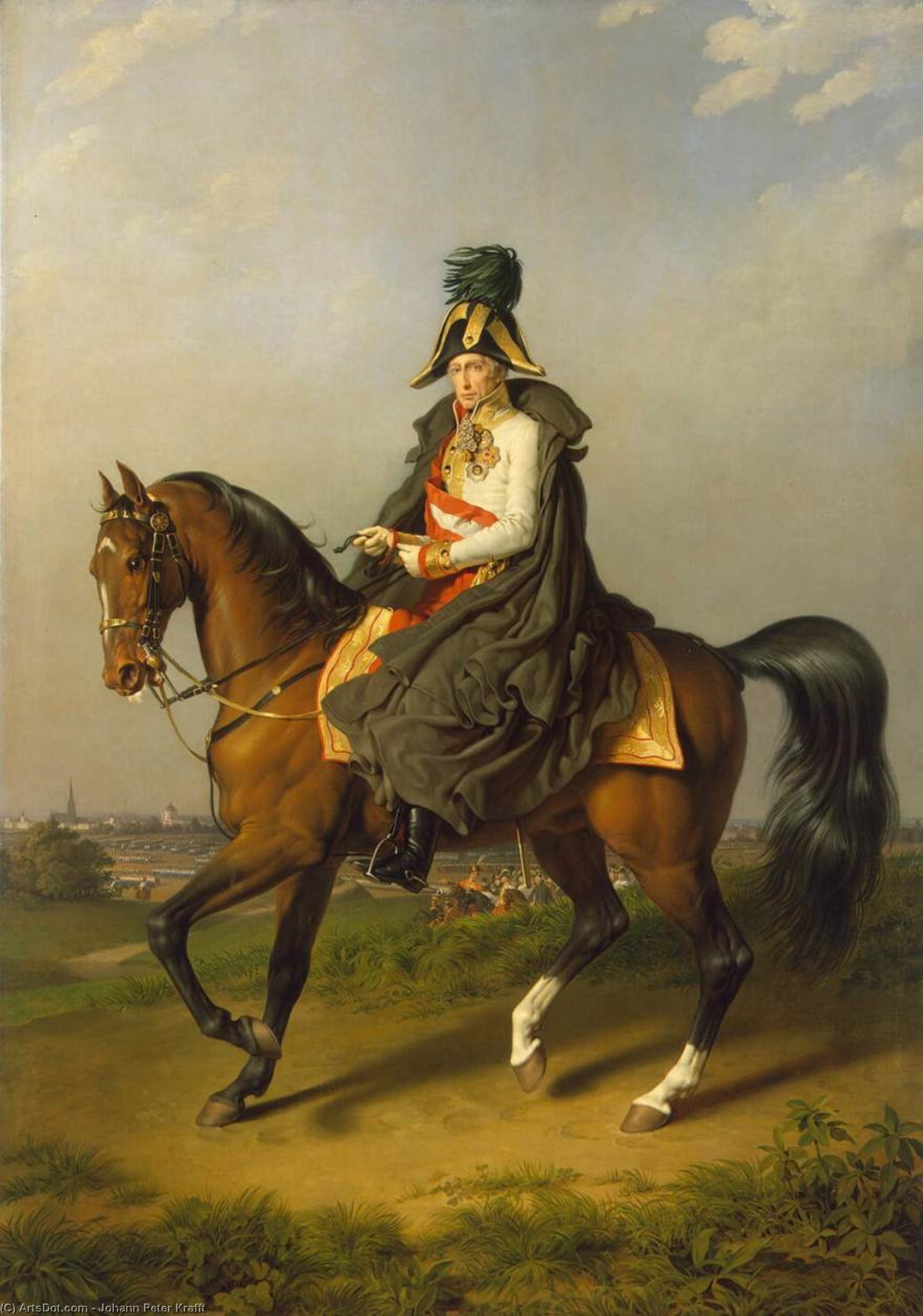
Equestrian Portrait of Franz I
 Oil On Canvas
- WallArt
- Neoclassicism
 1832
1832 361.0 x 258.0 cm
 エルミタージュ美術館
 詳細を見る
詳細を見る
ジークレー/アートプリント
迅速な制作と多彩な仕上げオプションを備えた、ミュージアムクオリティのジークレーまたはキャンバスプリント。 ( 手描きの絵画を購入 画像を購入)




P118B $10

P118H $10

P118W $10

P438Z $10

P508JH $12

P508YH $12

P805H $10

P805Z $10

P919BZ $10

P919G $10

P919XJ $10

P959ZH $10

P968JZ $12

W106C $8

W218G $10

W218JH $8

W218Y $10

W307PJ $10

W316G $10

W316PJ $8

W316Y $10

W398PJ $8

W4111J $10

W500HY $15

W500JH $15

W692G $12

W849H $8

W940BG $15

W953PJ $8




作品のオリジナル比率に合わせた、当店の規定サイズからお選びください。

特定のフレームやスペースに合わせて、ご自身でサイズを指定することも可能です。選択されたサイズが元の画像の比率と一致しない場合、作品をトリミングするか、鏡面反射または単色での塗りつぶしによって画像を拡張いたします。制作を開始する前に、ご確認用のデジタルモックアップをお送りいたします。
画面上のプレビューには、実際のトリミングや拡張は反映されませんのでご注意ください。最終的な構図を正確に確認できるのは、モックアップのみとなります。
カスタムサイズも承っておりますが、元の比率を維持するためには、あらかじめ用意されたリストからサイズを選択することをお勧めいたします。


 ガラスオプションは、110cm未満のサイズでのみご利用いただけます。

Equestrian Portrait of Franz I
ジークレー/アートプリント
複製画のサイズ
-


合計金額
$ 62
The Majesty of the Horse: Johann Peter Krafft’s ‘Equestrian Portrait of Franz I’
Johann Peter Krafft's “Equestrian Portrait of Franz I,” painted in 1832, is more than simply a depiction of a royal figure on horseback; it’s a carefully constructed tableau of power, lineage, and the idealized image of Habsburg authority. The painting immediately commands attention with its scale – measuring an impressive 361 x 258 cm – inviting the viewer to step into the scene and witness this pivotal moment in Austrian history. Krafft, a master of portraiture deeply influenced by Neoclassical ideals, skillfully employs light and shadow to sculpt Franz I’s form, imbuing him with a sense of dignified strength and regal bearing.
The subject himself, Franz I, Holy Roman Emperor, is presented as the embodiment of imperial grandeur. Dressed in the elaborate military attire characteristic of his era – a richly embroidered coat, a feathered hat, and a gleaming sword – he exudes an aura of command. The horse beneath him, a magnificent brown steed, mirrors this power, its posture alert and poised, reflecting Franz I’s own unwavering resolve. Krafft's meticulous attention to detail extends beyond the figures themselves; the intricate patterns on the clothing, the texture of the horse’s coat, and the subtle nuances of light on metal all contribute to a remarkably realistic and immersive experience.
A Window into 19th-Century Habsburg Vienna
To fully appreciate “Equestrian Portrait of Franz I,” it's crucial to understand its historical context. Painted in 1832, the work reflects the height of the Habsburg Empire’s power and influence – a period marked by territorial expansion, political maneuvering, and a fervent embrace of classical ideals. Krafft was deeply embedded within this artistic and cultural milieu, working closely with established masters like Ingres and drawing inspiration from the traditions of portraiture that had flourished in Vienna for centuries. The cityscape visible in the background—a hazy blend of buildings suggesting Vienna—provides a subtle yet significant connection to the imperial capital, anchoring the scene firmly within its geographical and political landscape.
The painting’s creation coincided with a renewed interest in historical portraiture, driven by the Romantic movement's emphasis on national identity and heroic narratives. Krafft skillfully blends these trends, crafting an image that simultaneously celebrates Franz I’s imperial status and evokes a sense of timeless majesty. The composition itself—a carefully balanced arrangement of figures and elements—underscores this ambition, creating a visual statement that speaks to the enduring legacy of the Habsburg dynasty.
Symbolism and Artistic Technique
Krafft's masterful use of technique elevates “Equestrian Portrait of Franz I” beyond a mere likeness. He employs a sophisticated understanding of chiaroscuro – the dramatic contrast between light and shadow – to create a sense of depth and volume, emphasizing the musculature of Franz I’s body and the powerful presence of his steed. The subtle gradations of color, achieved through meticulous layering of paint, contribute to the painting's overall richness and luminosity. The feathered hat, a prominent feature of the portrait, is not merely decorative; it symbolizes imperial authority and connection to ancient traditions.
Furthermore, the horse itself carries significant symbolic weight. In equestrian art, the horse represents power, nobility, and military prowess – qualities inextricably linked to the image of the emperor. Krafft’s depiction of the animal is remarkably lifelike, capturing its strength, grace, and alertness with impressive detail. The careful positioning of the horse—its head held high, its gaze fixed forward—reinforces Franz I's commanding presence and his role as a protector of the empire.
A Legacy Enduring Through Reproduction
Today, “Equestrian Portrait of Franz I” stands as a testament to Krafft’s artistic skill and a captivating window into a pivotal moment in European history. Reproductions of this magnificent work offer art enthusiasts and collectors alike the opportunity to experience its grandeur and beauty firsthand. Whether displayed in a grand hall or a more intimate setting, this portrait continues to inspire awe and admiration for its masterful composition, rich symbolism, and enduring legacy.
関連作品


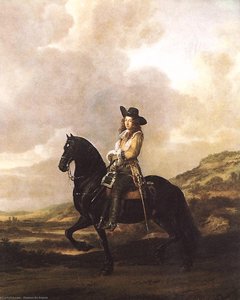
関連記事
The Noble Steed: A Historical & Artistic Exploration of Equestrian Art Across Cultures
Explore the captivating history of equestrian art with ArtsDot. Discover masterpieces from Velázquez to Van Dyck & learn about collecting these timeless works. Expert insights for discerning connoisseurs.
The Equine Muse: A Historical & Artistic Exploration of Horses in Painting
Explore the captivating history of horses in painting! Discover Renaissance masterpieces, Baroque grandeur & expert insights for collecting equestrian art. Learn about symbolism, techniques & lasting value with ArtsDot.
Peter Graham Li: Capturing Light & Narrative in Contemporary Oil Painting
Discover the captivating oil paintings of Peter Graham Li – a contemporary artist celebrated for his masterful use of light, color, and impasto technique. Explore investment potential & curated selections at ArtsDot.

黄金世紀の巨匠たち:バロック絵画が彩る10選|ArtsDot
オランダ黄金時代の10大傑作を紐解く!レンブラント、フェルメール…バロック絵画の魅力と時代背景を深く探求。ArtsDotで、至高のアートコレクションと空間演出のヒントを見つけよう。高品質なアートプリントで、お部屋を華やかに。
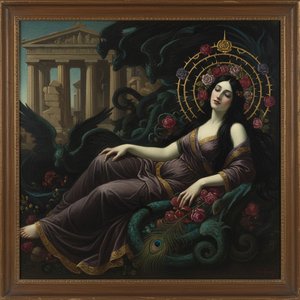
Franz von Stuck: Symbolism, Decadence & the Pursuit of Ideal Beauty
Explore the captivating world of Franz von Stuck, a leading Symbolist painter. Discover his mythological masterpieces, decadent themes, & investment potential. Expert analysis for discerning collectors.

