

 プレビュー
プレビュー
 プリントを購入
 シェアする
シェアする シェアする
シェアする
 詳細を見る
詳細を見る

 ダウンロード
 似ている作品
 X線調査
X線調査 スライドショー
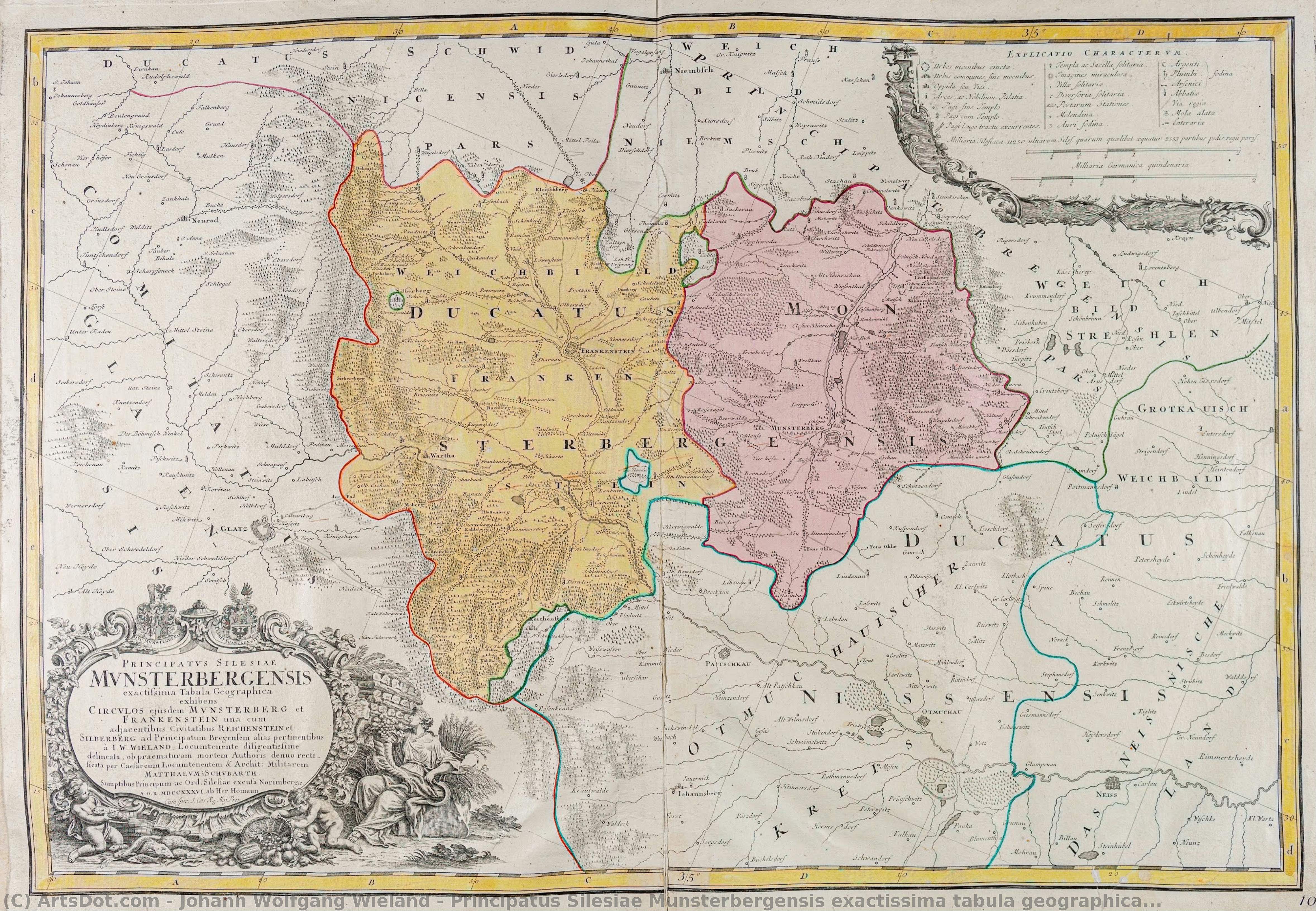
Principatus Silesiae Munsterbergensis exactissima tabula geographica
 Painting
- Enlightenment
 1752
1752- Early Modern
 56.0 x 82.0 cm
 Ossoliński National Institute
 詳細を見る
詳細を見る




































作品のオリジナル比率に合わせた、当店の規定サイズからお選びください。

特定のフレームやスペースに合わせて、ご希望のサイズをご入力いただけます。選択されたサイズが元の画像の比率と異なる場合、アートワークをトリミングするか、手描きで要素を追加して絵画を拡張いたします。デジタルモックアップ を制作し、制作開始前にご確認(承認)をいただきます。
画面上のプレビューは、実際のトリミングや拡張を正確に反映しているものではありません。最終的な構図は、モックアップによってのみ正確にご確認いただけます。
カスタムサイズもご利用いただけますが、元の比率を維持するためには、あらかじめ用意されたリストからサイズを選択することをお勧めいたします。
ご注文後、ArtsDot.com チームより詳細な指示をお送りするとともに、仕上がりイメージ(モックアップ)をご提供いたします。


 ガラスオプションは、110cm未満のサイズでのみご利用いただけます。

Principatus Silesiae Munsterbergensis exactissima tabula geographica
複製技法
複製画のサイズ
-


合計金額
$ 263
A Cartographic Masterpiece of Silesian Splendor
In the delicate dance between geography and artistry, few works capture the essence of a landscape as intimately as Principatus Silesiae Munsterbergensis exactissima tabula geographica. Created in 1752 by the intellectually profound Johann Wolfgang Wieland, this exquisite map is far more than a mere navigational tool; it is a vibrant tapestry of a bygone era. The work presents a meticulously detailed view of the region surrounding Munsterberg in Silesia, where every river bend and winding path tells a story of human endeavor and natural abundance. As one gazes upon this reproduction, the eye is immediately drawn into a world where the precision of Enlightenment-era cartography meets the lush, descriptive beauty of the mid-1s century.
The composition serves as a window into the economic heartbeat of the 18th-century Silesian territories. Beyond the clearly marked cities and towns, Wieland has imbued the landscape with symbols of prosperity and industry. The map subtly highlights the vital infrastructure of the time, tracing the veins of commerce through roads, water mills, and windmills. There is a profound sense of discovery in the way the artist depicts the gold and silver mines, alongside brickyards and powder mills, suggesting a land of immense potential and industrious spirit. For the collector or interior designer, this piece offers a rich layer of narrative depth, acting as a conversation starter that celebrates both historical heritage and the enduring strength of human civilization.
Symbolism and the Spirit of the Enlightenment
Wieland’s mastery lies in his ability to blend factual topography with evocative symbolism. The decorative elements scattered throughout the map are not merely ornamental; they are a poetic tribute to the fertility of the land. Through subtle artistic cues, the work celebrates an ecosystem abundant in crops, fruit, and fish, reflecting the wealth that nature bestows upon those who steward it well. This marriage of scientific observation and aesthetic appreciation is characteristic of the transition from the rationalism of the Enlightenment to the burgeoning emotionality of pre-Romanticism. The map does not just show where things are; it shows how life flourishes within those boundaries.
For those looking to adorn a sophisticated interior, this artwork provides an unparalleled sense of historical gravity and elegance. Whether placed in a private library, a grand study, or a curated gallery space, the Principatus Silesiae Munsterbergensis brings with it an atmosphere of intellectual curiosity and timelessness. The intricate details—the delicate rendering of rivers and the precise labeling of territories like Frankenstein and Reichenstein—invite prolonged contemplation. Owning a high-quality reproduction of this piece is an opportunity to possess a fragment of history, a visual poem that honors the complex beauty of the Silesian landscape and the brilliant mind of Johann Wolfgang Wieland.
関連作品
アーティストの略歴
Johann Wolfgang Wieland: Bridging Enlightenment and Romanticism
Johann Wolfgang Wieland, born in Oberholzheim, Italy in 1733, stands as a pivotal figure in the transition between the rationalism of the Age of Enlightenment and the burgeoning emotional currents of pre-Romanticism. Though his life was marked by both professional triumphs and personal struggles, Wieland’s contributions to German literature – particularly his poetry, translations, and dramatic works – cemented his place among the “Weimar Classics,” a group that profoundly shaped the intellectual landscape of 18th and early 19th century Germany alongside Johann Gottfried Herder, Johann Wolfgang von Goethe, and Friedrich Schiller. His work represents a fascinating synthesis of classical ideals with emerging sensibilities, making him a key bridge between established literary traditions and the nascent Romantic movement.
Wieland’s early life was steeped in intellectual curiosity. He received a rigorous education, initially at the Jesuit school in Bamberg and later at the University of Jena, where he immersed himself in classical literature and philosophy. This foundation profoundly influenced his writing style, characterized by its elegance, precision, and adherence to established forms – particularly evident in his translations of Shakespeare’s plays. Wieland's translation of *Hamlet* is considered a landmark achievement, capturing both the dramatic intensity and philosophical depth of the original while adapting it for a German audience accustomed to classical conventions.
The Rise of a Poet and Dramatist
Wieland’s literary career truly took flight with his first major work, *Die Agathon-Fabel* (The Agathon Fable), published in 1764. This allegorical poem, drawing heavily on Plato's *Republic*, explored themes of virtue, education, and the ideal state – a subject central to the philosophical debates of the Enlightenment. It established Wieland’s reputation as a sophisticated poet capable of blending intellectual rigor with lyrical beauty. Following this success, he continued to produce poetry, essays, and translations, solidifying his position within the literary circles of Leipzig and later Weimar.
His dramatic works, however, are arguably where Wieland achieved lasting recognition. *Der Teutsche Merkur* (The German Mercury), a satirical drama published in 1767, showcased his wit, irony, and ability to critique contemporary society. It was followed by *Die Mannon* (1769) and *Philo von Kornhäusern* (1772), both of which explored themes of love, honor, and social constraints – often with a distinctly playful and subversive edge. These plays demonstrated Wieland’s growing interest in psychological realism and his willingness to challenge conventional dramatic conventions.
The History of Agathon: A Masterpiece of Allegory
Perhaps Wieland's most celebrated work is *Die Geschichte des Agathon* (The History of Agathon), published in 1786. This epic poem, a complex and ambitious allegory, delves into the nature of beauty, truth, and artistic creation. It’s a deeply philosophical exploration that draws upon classical mythology, Renaissance humanism, and emerging Romantic ideas about the power of imagination. The poem's intricate structure, rich symbolism, and profound meditations on art and humanity have ensured its place as a cornerstone of German literature.
Wieland’s engagement with Shakespeare during this period was particularly significant. He translated numerous plays, including *Othello*, *Macbeth*, and *King Lear*, adapting them to the German language while retaining their dramatic power and emotional resonance. These translations not only introduced Shakespeare's works to a wider German audience but also influenced subsequent generations of German writers and dramatists.
Weimar and Beyond
In 1785, Wieland moved to Weimar, becoming part of the vibrant intellectual community that centered around Johann Wolfgang von Goethe and Friedrich Schiller. He served as a literary advisor and friend to Goethe, contributing to the development of Weimar Classicism – a movement characterized by its emphasis on reason, order, and classical forms. Despite his association with these influential figures, Wieland maintained a distinct artistic voice, often exploring themes that diverged from the more overtly political or philosophical concerns of his colleagues.
Wieland’s later years were marked by personal difficulties, including financial struggles and strained relationships. He died in 1813 in Weimar, leaving behind a substantial body of work that continues to be studied and appreciated for its intellectual depth, artistic beauty, and enduring significance as a bridge between the Enlightenment and Romanticism. His legacy lies not only in his individual achievements but also in his role as a key figure in shaping the course of German literature and culture.
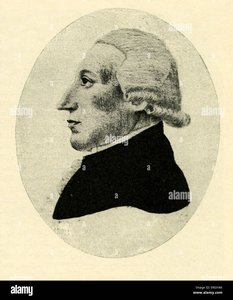
johann wolfgang wieland
1733 - 1813 , Italy
基本情報
- Artistic Movement Or Style: Aufklärung, Weimar Classicism
- Artists Or Movements Influenced By This Artist:
- Goethe
- Herder
- Artists Who Influenced This Artist:
- Lessing
- Shakespeare
- Date Of Birth: 1733
- Date Of Death: 1813
- Full Name: Johann Wolfgang Wieland
- Nationality: German
- Notable Artworks: ['The History of Agathon']
- Place Of Birth: Oberholzheim, Italy
関連記事

ロマン派ランドスケープ:時代を彩る巨匠の10選|アートとインテリアの世界
ロマン派絵画の時代を彩る10選。巨匠たちの風景が織りなす感動の世界へ。ターナー、ルーベンスなど、名作の裏話と高精細複製でアートをお部屋に。ArtsDot.comで至福のアート体験を。

Evocations of Place: A Historical Journey Through Landscape Art
Explore the rich history of landscape art with ArtsDot. Discover renowned artists, movements like Impressionism & Romanticism, and expert guidance for collecting timeless pieces. Find your perfect serene escape today!

ジョン・コンスタブルの傑作25選:英国風景画の巨匠が描く自然と光の詩 | ArtsDot
ジョン・コンスタブルの傑作25選。英国風景画の巨匠が描く自然と光の詩の世界へ。ロマン主義を代表する絵画、デダム・ヴェールやヘイ・ウェインなど、ArtsDotで高品質なアートプリントをお楽しみください。インテリアに深みと感動を。コレクションはこちら。

Evocations of Place: A Historical Journey Through Landscape Art
Explore the rich history of landscape art with ArtsDot. Discover renowned artists, movements like Impressionism & tonalism, and expert guidance for collecting timeless pieces. Find your perfect serene escape today!
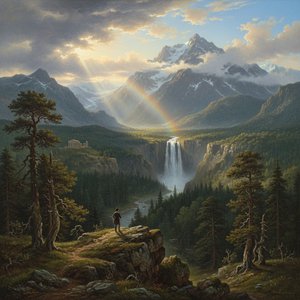
Evoking Nature's Sublime: A Comprehensive Exploration of 19th-Century Landscape Painting
Explore the captivating world of 19th-century landscape painting! Discover renowned artists like Friedrich & Monet, key movements, and find the perfect artwork to bring nature's serenity into your home. Expert insights at ArtsDot.

