

 プレビュー
プレビュー
 シェアする
シェアする シェアする
シェアする
 詳細を見る
詳細を見る

 ダウンロード
 似ている作品
 X線調査
X線調査 スライドショー
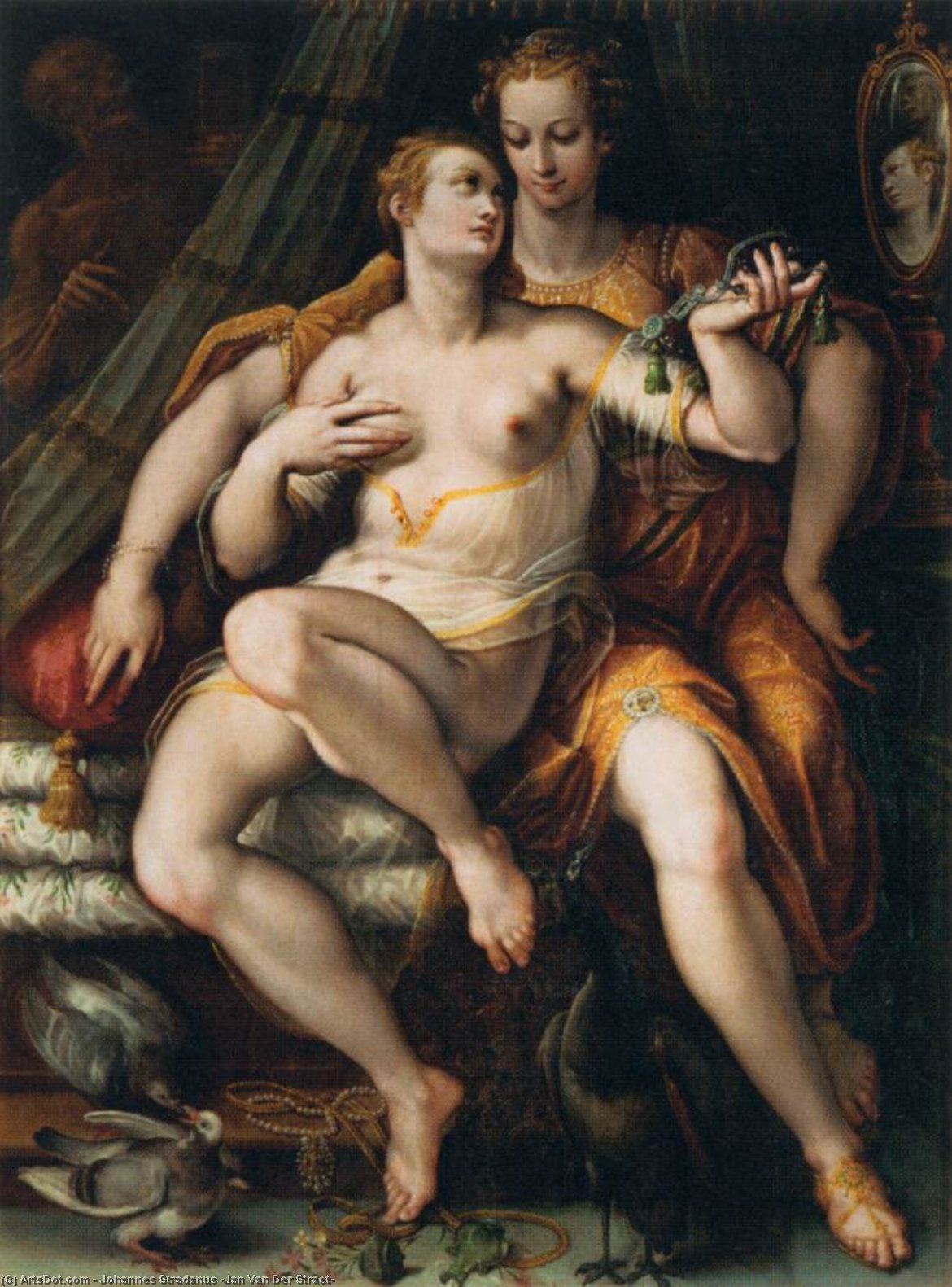
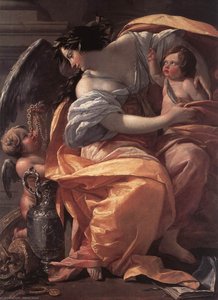
Vanity, Modesty and Death
 Oil On Canvas
- WallArt
- Renaissance Art
 1569
1569 139.0 x 103.0 cm
 ルーブル美術館
 詳細を見る
詳細を見る
ジークレー/アートプリント
迅速な制作と多彩な仕上げオプションを備えた、ミュージアムクオリティのジークレーまたはキャンバスプリント。 ( 手描きの絵画を購入 画像を購入)




P118B $10

P118H $10

P118W $10

P438Z $10

P508JH $12

P508YH $12

P805H $10

P805Z $10

P919BZ $10

P919G $10

P919XJ $10

P959ZH $10

P968JZ $12

W106C $8

W218G $10

W218JH $8

W218Y $10

W307PJ $10

W316G $10

W316PJ $8

W316Y $10

W398PJ $8

W4111J $10

W500HY $15

W500JH $15

W692G $12

W849H $8

W940BG $15

W953PJ $8




作品のオリジナル比率に合わせた、当店の規定サイズからお選びください。

特定のフレームやスペースに合わせて、ご自身でサイズを指定することも可能です。選択されたサイズが元の画像の比率と一致しない場合、作品をトリミングするか、鏡面反射または単色での塗りつぶしによって画像を拡張いたします。制作を開始する前に、ご確認用のデジタルモックアップをお送りいたします。
画面上のプレビューには、実際のトリミングや拡張は反映されませんのでご注意ください。最終的な構図を正確に確認できるのは、モックアップのみとなります。
カスタムサイズも承っておりますが、元の比率を維持するためには、あらかじめ用意されたリストからサイズを選択することをお勧めいたします。


 ガラスオプションは、110cm未満のサイズでのみご利用いただけます。

Vanity, Modesty and Death
ジークレー/アートプリント
複製画のサイズ
-


合計金額
$ 62
作品詳細説明
Johannes Stradanus’s “Vanity, Modesty and Death”: A Renaissance Meditation on Mortality
Johannes Stradanus (Jan Van Der Straet), born in Bruges around 1523, stands as a cornerstone of Renaissance art – specifically Flemish Mannerism – leaving an indelible mark on the visual landscape of his era. His masterful depictions of mythological narratives and allegorical themes resonate with enduring artistic merit, securing his place amongst the luminaries of the sixteenth century. This essay delves into Stradanus’s “Vanity, Modesty and Death,” examining its intricate composition, stylistic nuances, and profound symbolic significance within the broader context of humanist thought and artistic innovation.The Painting's Subject Matter: Dual Representations
“Vanity, Modesty and Death” presents a striking juxtaposition of opposing forces embodied in two female figures. Stradanus skillfully portrays Lady Vanity, seated upon a bed draped with opulent fabrics – silks and velvets—and adorned with shimmering jewelry. Her gaze is fixed intently upon her reflection in a mirror, symbolizing the preoccupation with outward appearances and the relentless pursuit of beauty and status that characterized Renaissance aristocratic culture. Simultaneously, Lady Modesty stands beside Vanity, holding a skull aloft; this stark emblem represents death, serving as a sobering reminder of human mortality and challenging viewers to contemplate the ephemeral nature of earthly pleasures. The inclusion of a bird perched delicately upon the bed introduces an element of natural life—a poignant counterpoint to the overarching theme of decay—further enriching the painting’s visual narrative.Stylistic Characteristics: Mannerist Precision and Dramatic Lighting
Stradanus's artistic approach aligns perfectly with the tenets of Mannerism, a stylistic movement that emerged in Florence during the mid-1560s and championed by artists like Andrea Parmeggiani and Giulio Romano. Unlike the idealized forms prevalent in earlier Renaissance art, Stradanus’s figures exhibit subtle distortions—a deliberate departure from natural proportions—creating an unsettling yet captivating aesthetic experience. The artist employs meticulous detail to render textures – the luxurious fabrics of Vanity's bed, the polished surface of the mirror, and the delicate plumage of the bird – demonstrating a commitment to realism tempered by expressive artistic license. Crucially, Stradanus utilizes dramatic chiaroscuro—the interplay of light and shadow—to sculpt form and heighten emotional impact. Deep shadows envelop Lady Modesty’s figure, emphasizing her solemn posture and conveying a palpable sense of dread, while strategically positioned highlights illuminate Vanity's face, capturing the fleeting beauty she strives to preserve.Symbolism: A Moral Commentary on Human Existence
The painting transcends mere visual representation; it functions as a powerful moral commentary on human existence. The skull—a recurring motif in Renaissance art—serves as a constant reminder of death’s inevitability and prompts contemplation about the futility of worldly ambitions. Lady Vanity's preoccupation with her reflection underscores the vanity inherent in human desire for admiration and success, highlighting the importance of humility and spiritual fortitude. Stradanus’s masterful use of symbolism elevates “Vanity, Modesty and Death” beyond a simple depiction of two women; it becomes an invitation to grapple with fundamental questions about life, death, and the pursuit of virtue—themes central to humanist philosophy during the Renaissance period.Historical Context: The Medici Patronage and Artistic Innovation
“Vanity, Modesty and Death” was created during the reign of Cosimo I de’ Medici in Florence – a period marked by artistic flourishing and intellectual ferment. The Medicis actively fostered creativity and commissioned works that explored philosophical concepts alongside aesthetic beauty. Stradanus's painting exemplifies this spirit of innovation, pushing boundaries within Mannerist conventions while upholding humanist ideals—a testament to the enduring legacy of Renaissance art and its capacity to provoke reflection on the human condition. Its presence in the Louvre underscores its significance as a masterpiece of European artistic heritage.- Artist: Johannes Stradanus (Jan Van Der Straet)
- Born Year: 1523
- Death Year: 1605
- Birth City: Bruges
- Birth Country: Belgium
Explore similar paintings and reproductions at Johannes Stradanus - Vanity, Modesty and Death
関連作品
![The Courtship Of Paris And Helen [detail 1] — ジャック=ルイ・ダヴィッド, Neoclassical](/media/artworks/images-thumb/cb/6c/cb6cd2fb48353357d2ab2a0324aa75a5.jpg)

アーティストの略歴
Johannes Stradanus: A Florentine Master of Myth and Emblem
Jan van der Straet, better known as Johannes Stradanus or Giovanni Stradano, was a pivotal figure in 16th-century European art, primarily recognized for his masterful depictions of mythological scenes, allegorical representations, and refined portraiture. Born in Bruges, Belgium, around 1523, into a family deeply rooted in the artistic traditions of Flanders, Stradanus’s career unfolded across multiple centers – initially in his homeland, then Antwerp, and ultimately culminating in Florence, Italy, where he established himself as a leading court artist for the Medici family. His journey reflects the broader currents of Renaissance art, blending Northern European realism with Italian Mannerist elegance and humanist ideals. Stradanus’s early artistic training likely began within his father's workshop, a common practice at the time, providing him with a solid foundation in painting techniques. He further honed his skills in Antwerp under the tutelage of Pieter Aertsen, a prominent figure in the city’s vibrant art scene. This period exposed Stradanus to the prevailing artistic trends of the Low Countries – a synthesis of Flemish realism and burgeoning Italian influences—and instilled in him a meticulous approach to composition and detail. Crucially, his time in Antwerp also connected him with the Romanist movement, a group of artists who had traveled to Italy and sought to emulate the classical ideals and techniques they encountered there. This exposure proved invaluable as he prepared for his eventual relocation to Florence.The Florentine Court and Artistic Innovation
In 1550, Stradanus embarked on a transformative journey to Florence, where he entered the service of the Medici family, then one of the most powerful and influential families in Europe. His arrival coincided with a period of immense artistic patronage and experimentation within the court, orchestrated by Grand Duke Cosimo I de’ Medici and his advisor, Giorgio Vasari. Stradanus quickly became an integral part of this creative ecosystem, contributing significantly to the decoration of lavish palaces, designing elaborate tapestries, and producing intricate engravings. He wasn't merely a decorator; he was a conceptual innovator, skillfully blending classical mythology with contemporary themes and incorporating elements of humanist philosophy into his work. His collaboration with Vasari is particularly noteworthy. Together, they oversaw ambitious projects like the frescoes adorning the Palazzo Vecchio and the decorative schemes at Poggio a Caiano, showcasing Stradanus’s versatility as a designer and his ability to translate complex ideas into visually compelling narratives. He also played a key role in establishing the Accademia e Compagnia delle Arti del Disegno in 1563, a groundbreaking artistic academy that aimed to foster collaboration and innovation among artists in Florence – a testament to his influence within the Florentine art world. Stradanus’s work during this period is characterized by a refined elegance, meticulous detail, and a masterful command of color and composition, reflecting the sophisticated aesthetic sensibilities of the Medici court.Mythological Visions and Emblematic Representations
Stradanus's artistic output spanned a remarkably diverse range of subjects. He excelled in creating dynamic mythological scenes, often imbued with allegorical meaning. His depictions frequently drew upon classical sources but were reinterpreted through a distinctly Renaissance lens, incorporating humanist values and contemporary concerns. A prime example is “Allegory of America,” a drawing that served as a preparatory study for an engraved plate in the *Nova Reperta* series commissioned by the Medici court artist Johannes Stradanus (Giovanni Stradano). This work vividly portrays Amerigo Vespucci’s discovery of the New World, blending historical detail with symbolic elements and showcasing Stradanus's ability to seamlessly integrate diverse artistic traditions. Beyond mythological subjects, Stradanus produced numerous portraits, often characterized by their psychological depth and subtle expressions. He also designed elaborate tapestries depicting historical events, landscapes, and genre scenes—demonstrating his versatility as a designer. His engravings, in particular, gained widespread popularity throughout Europe, disseminating his style and contributing to the development of printmaking techniques.Legacy and Historical Significance
Johannes Stradanus died in Florence in 1605, leaving behind a substantial body of work that significantly impacted the artistic landscape of the 16th century. His influence extended beyond Florence, as his engravings were circulated throughout Europe, shaping the tastes of collectors and influencing artists across various regions. He stands as a crucial link between the Northern European realism of his early training and the Mannerist elegance of Italian art, embodying the dynamic exchange of ideas that characterized the Renaissance period. His work continues to be studied for its technical mastery, its sophisticated use of symbolism, and its reflection of the cultural and intellectual currents of his time. The Metropolitan Museum of Art’s collection features a significant drawing by Stradanus – “Allegory of America” – offering valuable insight into his artistic vision and providing a tangible connection to this remarkable Florentine master. His legacy is not simply one of technical skill, but also as an artist who skillfully navigated the complex interplay between tradition and innovation, leaving behind a rich and enduring contribution to European art history.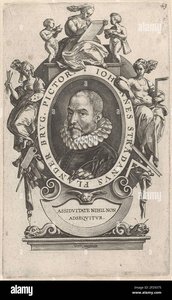
johannes stradanus (jan van der straet)
1523 - 1605 , Belgium
基本情報
- Artistic Movement Or Style: Renaissance, 16th Century Painting
- Artists Or Movements Influenced By This Artist: ['Stradanus (Giovanni Stradano)']
- Artists Who Influenced This Artist:
- Jan van Eyck
- Hugo van der Goes
- Date Of Birth: 1523
- Date Of Death: 1605
- Full Name: Jan van der Straet (Giovanni Stradano)
- Nationality: Flemish
- Notable Artworks:
- Allegory of America
- Esther Receiving Crown
- Place Of Birth: Bruges, Belgium
関連記事
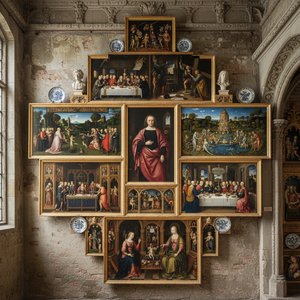
Early Netherlandish Masters: 10 Paintings That Revolutionized Art & Decor
Journey into the Early Netherlandish Renaissance! Explore 10 iconic paintings by Jan van Eyck, Rogier van der Weyden & more. Discover stunning detail, symbolism, and oil painting techniques. Find museum-quality art reproductions for your home at ArtsDot.com.
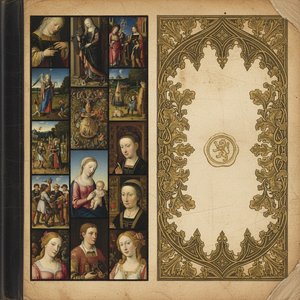
Early Netherlandish Masters: 10 Paintings That Revolutionized Art & Decor
Journey into the world of Early Netherlandish painting! Explore 10 masterpieces by Jan van Eyck, Rogier van der Weyden & more. Discover stunning detail, symbolism & Renaissance art for your home decor. Find museum-quality reproductions on ArtsDot.com
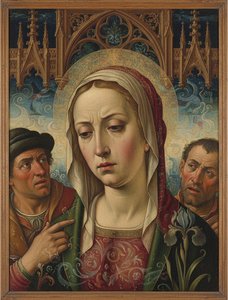
Hugo van der Goes: Devotion, Innovation & the Psychological Depth of Early Netherlandish Painting
Explore the revolutionary art of Hugo van der Goes – a master of Early Netherlandish painting renowned for his dramatic realism, psychological depth & profound influence on Renaissance artists. Discover his iconic works and lasting legacy.

レンブラント傑作25選:光と影の巨匠、魂を揺さぶる名画の世界 | ArtsDot
レンブラントの傑作25選。光と影の魔術師が描いた魂を揺さぶる名画の世界へ。美術史に残る自画像、夜警、宗教画…ArtsDotで高品質なアートプリントやインテリアアートをお楽しみください。コレクションはこちら→
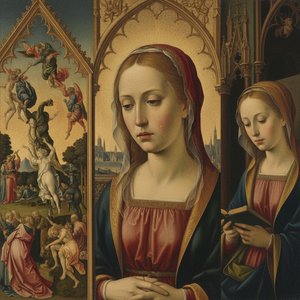
Rogier van der Weyden: Emotion, Innovation & the Early Netherlandish Renaissance
Explore the revolutionary art of Rogier van der Weyden, a pivotal figure of the Early Netherlandish Renaissance. Discover his emotional realism, innovative compositions, and lasting impact on painting history.

