

 プレビュー
プレビュー
 プリントを購入
 シェアする
シェアする シェアする
シェアする
 詳細を見る
詳細を見る

 ダウンロード
 似ている作品
 X線調査
X線調査 スライドショー
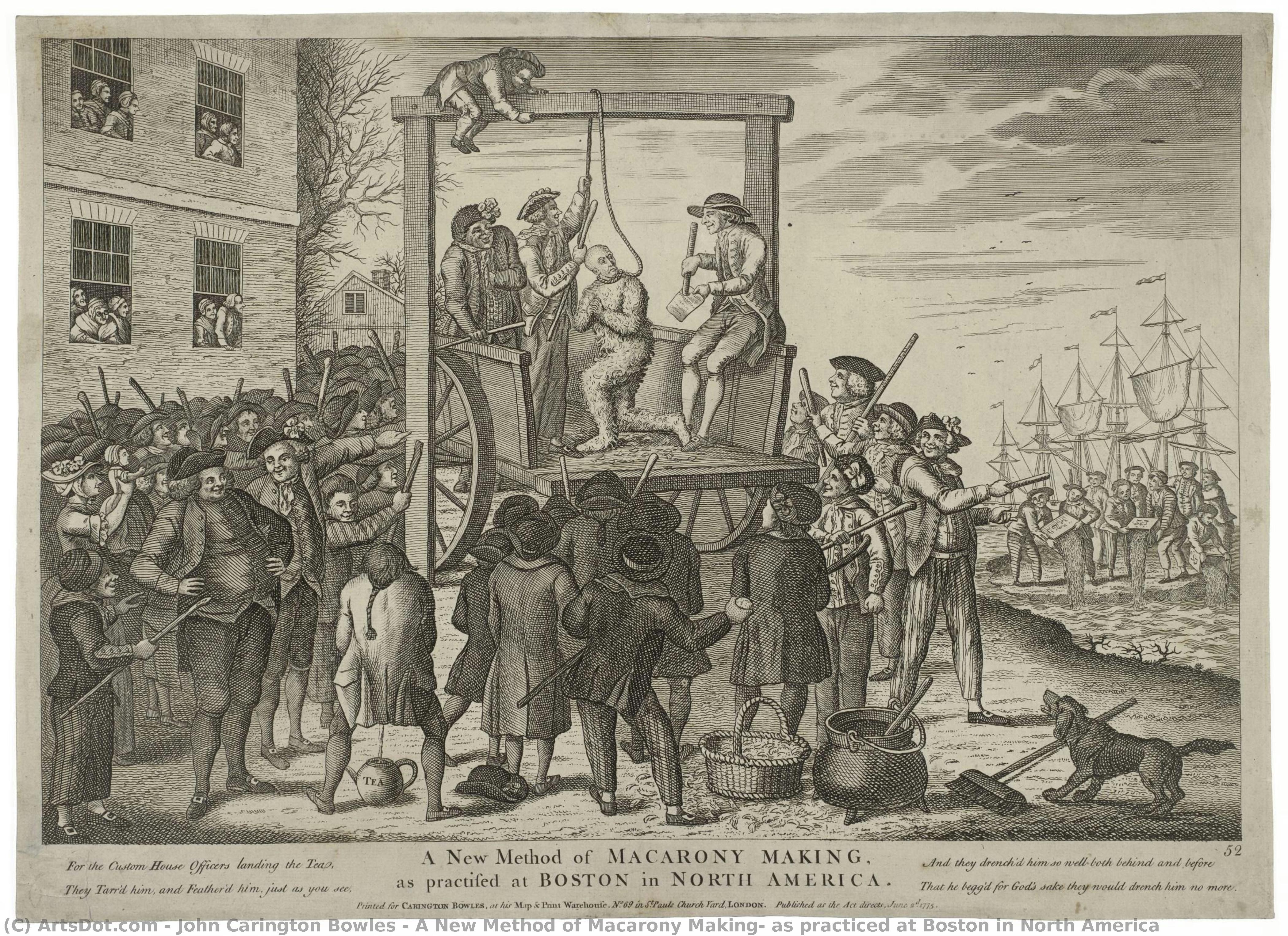
A New Method of Macarony Making, as practiced at Boston in North America
 52.0 x 38.0 cm
 詳細を見る
詳細を見る




































作品のオリジナル比率に合わせた、当店の規定サイズからお選びください。

特定のフレームやスペースに合わせて、ご希望のサイズをご入力いただけます。選択されたサイズが元の画像の比率と異なる場合、アートワークをトリミングするか、手描きで要素を追加して絵画を拡張いたします。デジタルモックアップ を制作し、制作開始前にご確認(承認)をいただきます。
画面上のプレビューは、実際のトリミングや拡張を正確に反映しているものではありません。最終的な構図は、モックアップによってのみ正確にご確認いただけます。
カスタムサイズもご利用いただけますが、元の比率を維持するためには、あらかじめ用意されたリストからサイズを選択することをお勧めいたします。
ご注文後、ArtsDot.com チームより詳細な指示をお送りするとともに、仕上がりイメージ(モックアップ)をご提供いたします。


 ガラスオプションは、110cm未満のサイズでのみご利用いただけます。

A New Method of Macarony Making, as practiced at Boston in North America
複製技法
複製画のサイズ
-


合計金額
$ 263
関連作品



アーティストの略歴
George Stubbs: The Anatomist of Horses
George Stubbs, born in Liverpool on August 25th, 1724, stands as a singular figure in the history of British art – a painter who transcended mere representation to achieve an almost visceral understanding and depiction of the animal world. His life story is one of largely self-taught mastery, driven by an insatiable curiosity about anatomy and a profound love for horses, culminating in works that continue to captivate viewers centuries later. Unlike many artists of his time, Stubbs wasn’t groomed within established artistic circles; instead, he meticulously honed his skills through independent study and relentless observation, forging a unique path that set him apart.
Early life offered little indication of the artist he would become. Initially, Stubbs followed in his father's footsteps, working as a currier – a leatherworker – until the age of sixteen. However, a pivotal decision to pursue painting irrevocably altered the course of his life. He sought guidance from Hamlet Winstanley, an engraver and painter residing in York, but their relationship proved short-lived due to differing artistic philosophies. This early period, marked by relative obscurity and independent learning, laid the foundation for Stubbs’s distinctive style – a blend of scientific accuracy and dramatic intensity.
The Pursuit of Anatomical Knowledge
Stubbs's most defining characteristic was his profound understanding of animal anatomy. This wasn’t merely an academic interest; it fueled a relentless drive to depict horses with unparalleled realism, capturing not just their physical form but also the very essence of their movement and power. He began dissecting animals at the County Hospital in York, a practice considered unconventional for an artist at the time, driven by his desire to understand the underlying structure that informed their appearance. This dedication resulted in *The Anatomy of the Horse* (1762), a monumental work that combined detailed anatomical illustrations with striking depictions of horses, establishing him as a pioneer in scientific art.
His meticulous study extended beyond dissection; Stubbs spent considerable time observing horses in various settings – stables, racecourses, and even in the wild. He meticulously documented his findings, creating numerous drawings and studies that informed his paintings. This commitment to anatomical accuracy is evident throughout his oeuvre, particularly in works like *A Lion Attacking a Horse* (Whistlejacket), a dramatic composition that showcases his mastery of form and movement. The painting’s genesis – reportedly inspired by witnessing a lion attacking a horse in Morocco – highlights Stubbs's ability to transform personal observation into powerful artistic expression.
Romanticism and Dramatic Composition
While initially categorized as a sporting painter, Stubbs’s work gradually evolved to encompass the burgeoning Romantic movement. His paintings of horses, particularly those depicting them engaged in dramatic action – such as *A Lion Attacking a Horse* – captured the spirit of this era with their emphasis on emotion, dynamism, and the sublime. The composition of these works is carefully orchestrated, utilizing strong diagonals, dramatic lighting, and a sense of scale to convey both the power of the animal and the grandeur of its surroundings.
Stubbs’s influence extended beyond individual paintings; he helped establish a new standard for equestrian art, influencing generations of artists who followed. His ability to infuse his subjects with life and energy – capturing not just their appearance but also their spirit – cemented his legacy as one of the greatest animal painters in history. His work demonstrated that painting could be both scientifically rigorous and profoundly moving.
Royal Patronage and Later Years
Stubbs’s talent eventually gained recognition, attracting the patronage of several prominent figures, including King George III. He was granted membership to the Royal Academy in 1768, though he never fully embraced its formal structure. Despite his success, Stubbs faced financial difficulties towards the end of his life, largely due to his ambitious projects, such as his experiments with enamel painting on earthenware panels.
Even in his later years, Stubbs continued to produce remarkable works, culminating in *Hambletonian, Rubbing Down* (1799), a monumental depiction of the champion racehorse. This painting, characterized by its dramatic lighting and intense emotionality, stands as a testament to Stubbs’s enduring artistic vision. George Stubbs died on July 10th, 1806, leaving behind a body of work that continues to inspire awe and admiration.
Legacy and Influence
George Stubbs's impact on the art world is undeniable. His meticulous anatomical studies revolutionized the depiction of horses in painting, establishing a new standard for realism and dynamism. His influence can be seen in the works of later artists, including Jean-Léon Gérôme and Albert Dürer. Beyond his technical skill, Stubbs’s paintings possess a profound emotional resonance – capturing not just the physical form of the animal but also its spirit and power. He remains a pivotal figure in British art history, celebrated for his unique vision, unwavering dedication, and enduring legacy as “the anatomist of horses.”

john carington bowles
1724 - 1793 , United Kingdom
基本情報
- Artistic Movement Or Style: Romanticism, Animal Painting
- Artists Or Movements Influenced By This Artist: ['Romanticism']
- Artists Who Influenced This Artist:
- Joshua Reynolds
- Thomas Gainsborough
- Date Of Birth: 25 Aug 1724
- Date Of Death: 10 July 1806
- Full Name: George Stubbs
- Nationality: English
- Notable Artworks:
- A Lion Attacking a Horse
- Whistlejacket
- Place Of Birth: Liverpool, England