

 プレビュー
プレビュー
 プリントを購入
 シェアする
シェアする シェアする
シェアする
 詳細を見る
詳細を見る

 ダウンロード
 似ている作品
 X線調査
X線調査 スライドショー
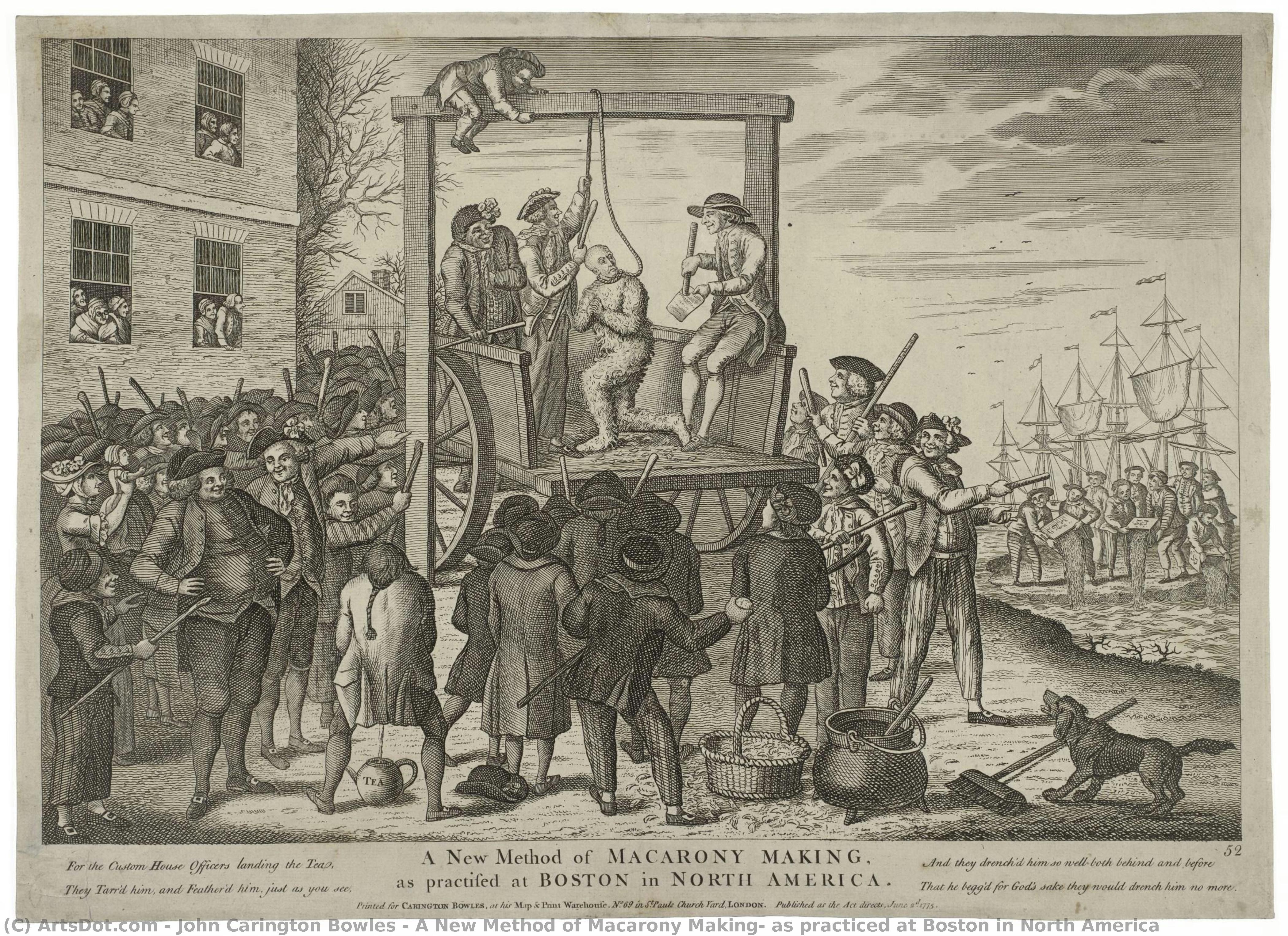
A New Method of Macarony Making, as practiced at Boston in North America
 52.0 x 38.0 cm
 詳細を見る
詳細を見る
オンラインプレビューをはるかに凌ぐ、高解像度で鮮明なデジタル画像をご購入いただけます。
各ファイルは、社内の専門家が高度なツールと熟練した手作業によるレタッチを用いて、細心の注意を払って準備されています。すべての画像において、卓越した鮮明度、正確な色彩再現性、そして繊細なディテールを保証いたします。
最終ファイルは、プロフェッショナルな編集・印刷環境ですぐにご利用いただけるよう最適化された状態で、72時間以内にメールにてお届けいたします。これは、一流のデザインスタジオ、出版社、ギャラリーから信頼されているものと同等の品質です。
デジタル画像のご注文に付随する特典
高品質なデジタル画像配信を、確かな品質で。
ArtsDot.com を選ぶことは、単に画像を手に入れることではありません。それは、プロの手によって精密に仕上げられ、満足保証が付いた高品質なデジタルアートワークを受け取ることを意味します。ご注文いただいた際に自動的に付随する内容は、以下の通りです:

メールですぐにお届け
ご注文から72時間以内に、高解像度のデジタル画像ファイルがメールでお手元に届きます。すぐにそのままご利用いただけます。

AI技術で最適化されたデジタルファイル
お客様の作品は、高度なAIツールと専門家による手作業の編集を組み合わせてプロフェッショナルに最適化されており、細部のディテール、鮮明さ、そして正確な色再現性を最大限に引き出しています。

一生涯無料の再送サービス
ファイルを誤って削除したり、紛失してしまったりしましたか?ご安心ください。いつでも無料で再送いたします。

輸入手数料は一切かかりません
関税や手数料、配送料を気にすることなく、お気に入りのアートワークをすぐにお楽しみいただけます。デジタルダウンロードは常に免税です。

色彩再現の保証
プロ仕様のツールとカラーマネジメント技術を用いることで、デジタル画像が元の色を最大限に忠実に再現することを保証いたします。

100日間満足保証
ご購入いただいたデジタル画像にご満足いただけない場合は、100日以内であれば、理由を問わず修正または100%の返金対応をさせていただきます。

100% 返金保証
ご満足いただけない場合は、デジタルファイルを受け取ってから100日以内であれば、理由を問わず全額返金いたします。

まとめ買い割引
3枚購入で10%OFF - 5枚購入で15%OFF - 10枚以上購入で20%OFF。クリエイティブなプロジェクト、ギャラリー、エージェンシーに最適です。
関連作品



作家の略歴
George Stubbs: The Anatomist of Horses
George Stubbs, born in Liverpool on August 25th, 1724, stands as a singular figure in the history of British art – a painter who transcended mere representation to achieve an almost visceral understanding and depiction of the animal world. His life story is one of largely self-taught mastery, driven by an insatiable curiosity about anatomy and a profound love for horses, culminating in works that continue to captivate viewers centuries later. Unlike many artists of his time, Stubbs wasn’t groomed within established artistic circles; instead, he meticulously honed his skills through independent study and relentless observation, forging a unique path that set him apart.
Early life offered little indication of the artist he would become. Initially, Stubbs followed in his father's footsteps, working as a currier – a leatherworker – until the age of sixteen. However, a pivotal decision to pursue painting irrevocably altered the course of his life. He sought guidance from Hamlet Winstanley, an engraver and painter residing in York, but their relationship proved short-lived due to differing artistic philosophies. This early period, marked by relative obscurity and independent learning, laid the foundation for Stubbs’s distinctive style – a blend of scientific accuracy and dramatic intensity.
The Pursuit of Anatomical Knowledge
Stubbs's most defining characteristic was his profound understanding of animal anatomy. This wasn’t merely an academic interest; it fueled a relentless drive to depict horses with unparalleled realism, capturing not just their physical form but also the very essence of their movement and power. He began dissecting animals at the County Hospital in York, a practice considered unconventional for an artist at the time, driven by his desire to understand the underlying structure that informed their appearance. This dedication resulted in *The Anatomy of the Horse* (1762), a monumental work that combined detailed anatomical illustrations with striking depictions of horses, establishing him as a pioneer in scientific art.
His meticulous study extended beyond dissection; Stubbs spent considerable time observing horses in various settings – stables, racecourses, and even in the wild. He meticulously documented his findings, creating numerous drawings and studies that informed his paintings. This commitment to anatomical accuracy is evident throughout his oeuvre, particularly in works like *A Lion Attacking a Horse* (Whistlejacket), a dramatic composition that showcases his mastery of form and movement. The painting’s genesis – reportedly inspired by witnessing a lion attacking a horse in Morocco – highlights Stubbs's ability to transform personal observation into powerful artistic expression.
Romanticism and Dramatic Composition
While initially categorized as a sporting painter, Stubbs’s work gradually evolved to encompass the burgeoning Romantic movement. His paintings of horses, particularly those depicting them engaged in dramatic action – such as *A Lion Attacking a Horse* – captured the spirit of this era with their emphasis on emotion, dynamism, and the sublime. The composition of these works is carefully orchestrated, utilizing strong diagonals, dramatic lighting, and a sense of scale to convey both the power of the animal and the grandeur of its surroundings.
Stubbs’s influence extended beyond individual paintings; he helped establish a new standard for equestrian art, influencing generations of artists who followed. His ability to infuse his subjects with life and energy – capturing not just their appearance but also their spirit – cemented his legacy as one of the greatest animal painters in history. His work demonstrated that painting could be both scientifically rigorous and profoundly moving.
Royal Patronage and Later Years
Stubbs’s talent eventually gained recognition, attracting the patronage of several prominent figures, including King George III. He was granted membership to the Royal Academy in 1768, though he never fully embraced its formal structure. Despite his success, Stubbs faced financial difficulties towards the end of his life, largely due to his ambitious projects, such as his experiments with enamel painting on earthenware panels.
Even in his later years, Stubbs continued to produce remarkable works, culminating in *Hambletonian, Rubbing Down* (1799), a monumental depiction of the champion racehorse. This painting, characterized by its dramatic lighting and intense emotionality, stands as a testament to Stubbs’s enduring artistic vision. George Stubbs died on July 10th, 1806, leaving behind a body of work that continues to inspire awe and admiration.
Legacy and Influence
George Stubbs's impact on the art world is undeniable. His meticulous anatomical studies revolutionized the depiction of horses in painting, establishing a new standard for realism and dynamism. His influence can be seen in the works of later artists, including Jean-Léon Gérôme and Albert Dürer. Beyond his technical skill, Stubbs’s paintings possess a profound emotional resonance – capturing not just the physical form of the animal but also its spirit and power. He remains a pivotal figure in British art history, celebrated for his unique vision, unwavering dedication, and enduring legacy as “the anatomist of horses.”

john carington bowles
1724 - 1793 , United Kingdom
プロフィール概要
- Artistic Movement Or Style: Romanticism, Animal Painting
- Artists Or Movements Influenced By This Artist: ['Romanticism']
- Artists Who Influenced This Artist:
- Joshua Reynolds
- Thomas Gainsborough
- Date Of Birth: 25 Aug 1724
- Date Of Death: 10 July 1806
- Full Name: George Stubbs
- Nationality: English
- Notable Artworks:
- A Lion Attacking a Horse
- Whistlejacket
- Place Of Birth: Liverpool, England