

 プリントを購入
 シェアする
シェアする シェアする
シェアする
 詳細を見る
詳細を見る

 ダウンロード
 似ている作品
 スライドショー
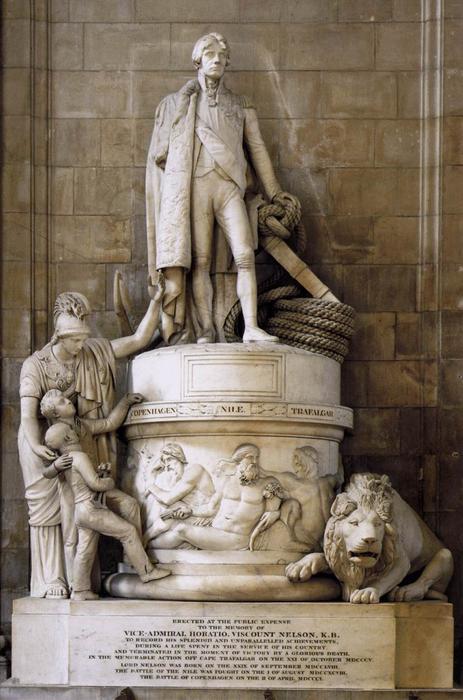
Monument to Vice-Admiral Horatio Nelson


 詳細を見る
詳細を見る
オンラインプレビューをはるかに凌ぐ、高解像度で鮮明なデジタル画像をご購入いただけます。
各ファイルは、社内の専門家が高度なツールと熟練した手作業によるレタッチを用いて、細心の注意を払って準備されています。すべての画像において、卓越した鮮明度、正確な色彩再現性、そして繊細なディテールを保証いたします。
最終ファイルは、プロフェッショナルな編集・印刷環境ですぐにご利用いただけるよう最適化された状態で、72時間以内にメールにてお届けいたします。これは、一流のデザインスタジオ、出版社、ギャラリーから信頼されているものと同等の品質です。
デジタル画像のご注文に付随する特典
高品質なデジタル画像配信を、確かな品質で。
ArtsDot.com を選ぶことは、単に画像を手に入れることではありません。それは、プロの手によって精密に仕上げられ、満足保証が付いた高品質なデジタルアートワークを受け取ることを意味します。ご注文いただいた際に自動的に付随する内容は、以下の通りです:

メールですぐにお届け
ご注文から72時間以内に、高解像度のデジタル画像ファイルがメールでお手元に届きます。すぐにそのままご利用いただけます。

AI技術で最適化されたデジタルファイル
お客様の作品は、高度なAIツールと専門家による手作業の編集を組み合わせてプロフェッショナルに最適化されており、細部のディテール、鮮明さ、そして正確な色再現性を最大限に引き出しています。

一生涯無料の再送サービス
ファイルを誤って削除したり、紛失してしまったりしましたか?ご安心ください。いつでも無料で再送いたします。

輸入手数料は一切かかりません
関税や手数料、配送料を気にすることなく、お気に入りのアートワークをすぐにお楽しみいただけます。デジタルダウンロードは常に免税です。

色彩再現の保証
プロ仕様のツールとカラーマネジメント技術を用いることで、デジタル画像が元の色を最大限に忠実に再現することを保証いたします。

60日間満足保証
ご購入いただいたデジタル画像にご満足いただけない場合は、60日以内であれば、修正または100%の返金(理由を問う必要はありません)をさせていただきます。

100% 返金保証
ご満足いただけない場合は、デジタルファイルを受け取ってから60日以内であれば、理由を問わず全額返金いたします。

まとめ買い割引
3枚購入で10%OFF - 5枚購入で15%OFF - 10枚以上購入で20%OFF。クリエイティブなプロジェクト、ギャラリー、エージェンシーに最適です。
The Weight of Vice: A Monument to Nelson's Legacy
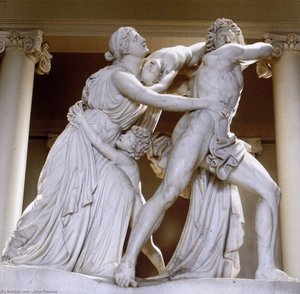
John Flaxman’s “Monument to Vice-Admiral Horatio Nelson,” crafted in 1808 and permanently residing within the hallowed halls of St. Paul’s Cathedral, is more than just a sculpted tribute; it’s a potent distillation of Victorian Britain’s reverence for its naval hero and a profound meditation on victory, loss, and national identity. This imposing marble work, standing nearly six feet tall, immediately commands attention with its dramatic scale and the palpable sense of heroic grandeur it embodies. Flaxman, a sculptor deeply rooted in the Neoclassical tradition yet subtly influenced by the Romantic movement, masterfully captures Nelson’s commanding presence while simultaneously layering symbolic meaning that speaks to the complexities of his life and death.
The statue itself depicts Nelson standing with a resolute bearing, his right hand resting upon an anchor – a potent symbol of maritime authority and control – and his left arm gracefully supporting a coil of rope. This posture, instantly recognizable as a portrait of Nelson in his final moments, speaks volumes about the admiral’s unwavering commitment to duty and his ultimate sacrifice. The detail is remarkable; the slight furrow of his brow, the subtle tension in his muscles, all contribute to an impression of intense concentration and unwavering resolve. Below him, at the base of the pedestal, a lion – a traditional emblem of British strength and courage – reinforces this sense of martial prowess. However, it’s not merely a straightforward depiction of a celebrated admiral; Flaxman deliberately imbues the sculpture with layers of allegory and historical reference.
A Dialogue Between Antiquity and Modernity
Flaxman's design is a fascinating blend of classical inspiration and contemporary sensibility. The pedestal upon which Nelson stands isn’t simply a base; it’s a carefully constructed stage for symbolic representation. At the lower level, we encounter figures representing sea gods – a deliberate nod to ancient Greek mythology, particularly those associated with Neptune and Poseidon, deities of the sea. These figures are not presented as benevolent protectors but rather as powerful, almost overwhelming forces, subtly suggesting the immense challenges Nelson faced in commanding the British fleet. Above them, a carefully rendered inscription lists Nelson’s major victories – Trafalgar, Copenhagen, and others – solidifying his place within the pantheon of British military heroes.
Crucially, Flaxman doesn't shy away from incorporating elements that directly reference contemporary events and figures. Britannia, depicted in full classical regalia, points towards Nelson with a gesture of admiration and guidance. Alongside her are two young naval cadets, representing the future of Britain’s maritime power – a deliberate reminder of Nelson’s legacy being passed on to subsequent generations. This juxtaposition of ancient allegory and modern reality is characteristic of Flaxman's approach, creating a work that feels both timeless and deeply rooted in its historical context.
The Poetics of Loss and Remembrance
Despite the celebratory tone, there’s an undeniable undercurrent of melancholy within the sculpture. The fact that Nelson stands with his right arm missing – a poignant reminder of his fatal wound at Trafalgar – immediately evokes a sense of loss and sacrifice. The inclusion of the two cadets serves to highlight not only Nelson's legacy but also the tragic nature of his death, representing the future he would never see. Flaxman masterfully balances the grandeur of victory with the somber reality of mortality, creating a work that is both inspiring and deeply moving.
The monument’s placement within St. Paul’s Cathedral further amplifies its emotional impact. Situated in a space dedicated to faith and remembrance, it serves as a powerful testament to Nelson's contribution to the nation and his enduring legacy. The choice of marble – a material associated with permanence and dignity – underscores the desire to immortalize Nelson’s memory for generations to come.
A Legacy Enduring Through Reproduction
Today, reproductions of Flaxman’s “Monument to Vice-Admiral Horatio Nelson” continue to captivate audiences worldwide. The intricate detail, dramatic composition, and profound symbolism make it a timeless masterpiece that resonates with viewers across cultures and generations. Whether displayed in private collections or public spaces, this sculpture serves as a potent reminder of Britain's naval history, the sacrifices made in the name of duty, and the enduring power of heroic narratives.
関連作品
作家の略歴
A Life Etched in Stone and Line
John Flaxman, born in York in 1755, emerged as a pivotal figure bridging the gap between the waning Rococo era and the ascendant Neoclassical movement in Britain. His story is one of remarkable artistic evolution, fueled by both innate talent and diligent study. From humble beginnings assisting his father, a moulder of plaster casts, young John absorbed an early appreciation for form and texture. This practical grounding, coupled with a voracious appetite for classical literature – pursued largely through self-education – laid the foundation for a career that would redefine British sculpture and illustration. His childhood was marked by illness and loss; his mother’s death when he was nine years old profoundly shaped his introspective nature. Yet, even in these early years, his artistic promise shone brightly, winning him accolades from the Society of Arts at just twelve years old. This initial success propelled him into the orbit of London's burgeoning art scene, where friendships with William Blake and Thomas Stothard would prove formative, fostering a lifelong exchange of ideas and creative energy.Wedgwood and the Classical Ideal
Flaxman’s artistic trajectory took a significant turn with his employment by Josiah Wedgwood in 1775. This association wasn't merely a source of income; it was an immersive apprenticeship in translating classical motifs into commercially viable art forms. Modeling reliefs for Wedgwood’s renowned jasperware and basaltware demanded precision, economy of line, and a deep understanding of antique design. The influence of d’Hancarville’s engravings of Greek vases proved particularly potent, shaping Flaxman's aesthetic sensibility towards streamlined elegance and narrative clarity. Designs like the *Apotheosis of Homer* and the *Dancing Hours* weren’t simply decorative elements; they were distillations of classical mythology and allegory, rendered with a newfound emphasis on linear grace. This period honed his skills in relief sculpture, a medium he would masterfully employ throughout his career, particularly in his funerary monuments. It was during this time that Flaxman began to cultivate the style for which he became celebrated – a delicate balance between classical purity and emotional resonance.Roman Reveries and Illustrative Triumph
A transformative journey to Rome in 1787 marked a turning point in Flaxman’s artistic development. Funded partly by Wedgwood, this extended sojourn allowed him to immerse himself directly in the heart of antiquity. He studied not only classical sculpture but also medieval and Renaissance art, broadening his understanding of artistic traditions. More importantly, it was in Rome that he began producing the book illustrations that would secure his lasting fame. Commissions followed for editions of Homer’s *Iliad* and *Odyssey*, Dante’s *Divine Comedy*, and Aeschylus' tragedies. These weren’t mere accompaniments to the text; they were independent works of art, characterized by their stark simplicity, dynamic compositions, and masterful use of line. The illustrations, engraved by figures like Tommaso Piroli, resonated deeply with European audiences, earning Flaxman widespread acclaim – Goethe famously hailed him as “the idol of all dilettanti.” His designs for Dante’s *Divine Comedy*, in particular, proved profoundly influential, inspiring artists such as Goya and Ingres and serving as a crucial resource for art students throughout the 19th century.Monuments to Memory and Lasting Legacy
Upon his return to England, Flaxman established himself as a leading sculptor of funerary monuments. He approached these commissions with a unique sensitivity, eschewing ostentation in favor of restrained elegance and heartfelt emotion. His memorials – found in churches across England, including those dedicated to Thomas Chatterton, Mrs. Morley, and the Rev. Thomas Ball – are characterized by their simplicity, pathos, and rhythmic design. The monument to George Stevens, now housed in the Fitzwilliam Museum, exemplifies his ability to convey profound grief and enduring remembrance through subtle yet powerful forms. While he achieved recognition as a professor of sculpture at the Royal Academy in 1810, it is perhaps his illustrations that cemented his place in art history. John Flaxman’s work represents a synthesis of classical ideals, technical mastery, and emotional depth. He left an indelible mark on British art, influencing generations of artists with his elegant style and unwavering commitment to the power of line. His legacy continues to inspire, reminding us of the enduring beauty and profound meaning that can be found in both stone and ink. He remains a testament to the transformative power of artistic vision.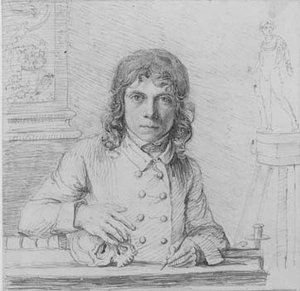
John Flaxman
1755 - 1826 , United States of America
プロフィール概要
- Artistic Movement Or Style: Neoclassicism
- Artists Or Movements Influenced By This Artist:
- Goya
- Ingres
- Artists Who Influenced This Artist:
- George Romney
- William Blake
- Date Of Birth: July 6, 1755
- Date Of Death: December 7, 1826
- Full Name: John Flaxman
- Nationality: British
- Notable Artworks:
- Saint Michael Overcoming Satan
- The Fight for Body of Patroclus
- Apotheosis of Homer
- Dante's Divine Comedy
- Place Of Birth: York, USA

