

 プリントを購入
 シェアする
シェアする シェアする
シェアする
 詳細を見る
詳細を見る

 ダウンロード
 似ている作品
 スライドショー
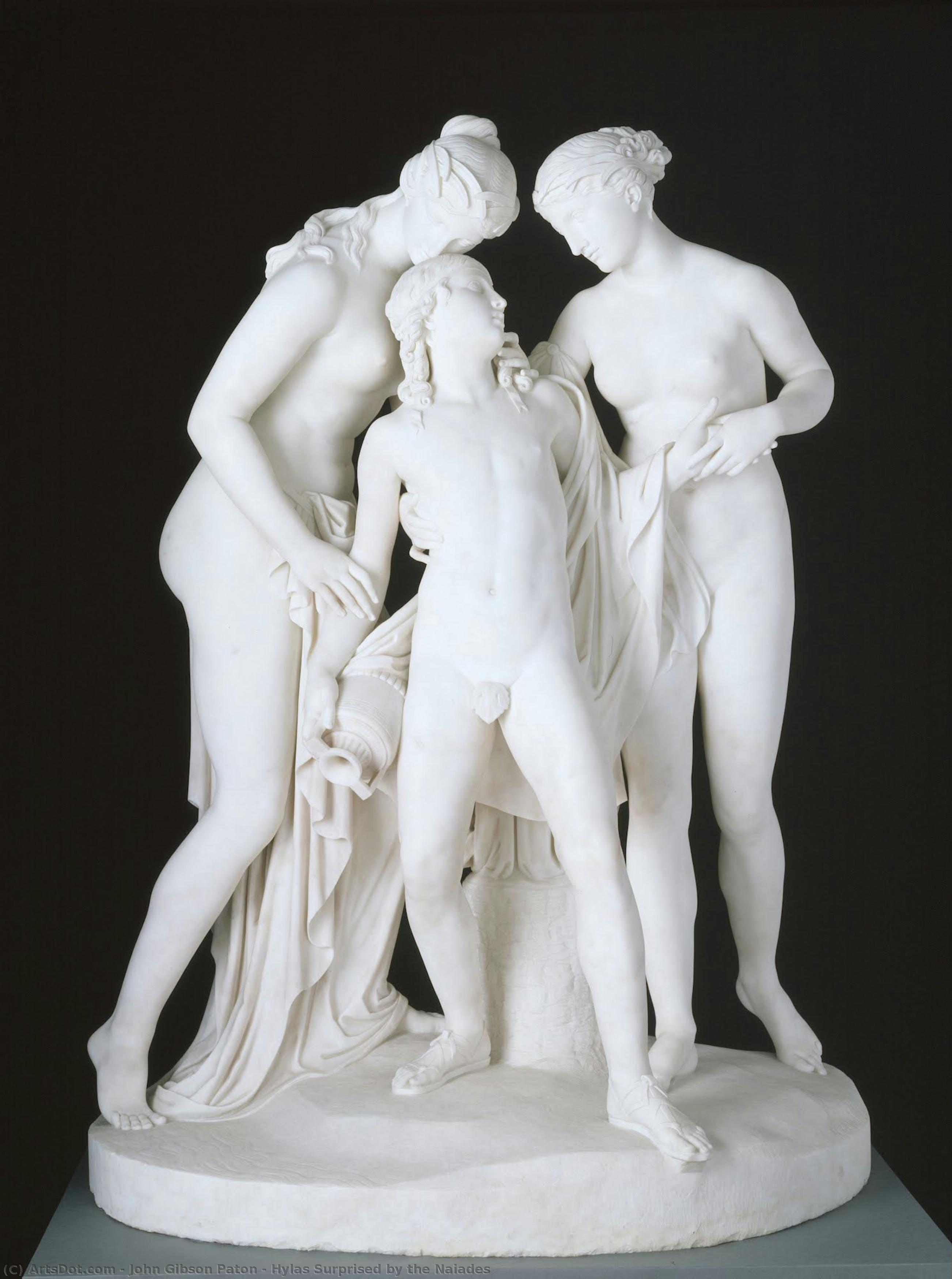
Hylas Surprised by the Naiades
 Sculpture
- Sculpture
- Neoclassical
 19.0 x 71.0 cm
 テート・ブリテン
 詳細を見る
詳細を見る




































作品のオリジナル比率に合わせた、当店の規定サイズからお選びください。

特定のフレームやスペースに合わせて、ご希望のサイズをご入力いただけます。選択されたサイズが元の画像の比率と異なる場合、アートワークをトリミングするか、手描きで要素を追加して絵画を拡張いたします。デジタルモックアップ を制作し、制作開始前にご確認(承認)をいただきます。
画面上のプレビューは、実際のトリミングや拡張を正確に反映しているものではありません。最終的な構図は、モックアップによってのみ正確にご確認いただけます。
カスタムサイズもご利用いただけますが、元の比率を維持するためには、あらかじめ用意されたリストからサイズを選択することをお勧めいたします。
ご注文後、ArtsDot.com チームより詳細な指示をお送りするとともに、仕上がりイメージ(モックアップ)をご提供いたします。


 ガラスオプションは、110cm未満のサイズでのみご利用いただけます。

Hylas Surprised by the Naiades
複製技法
複製画のサイズ
-


合計金額
$ 363
作品解説
A Moment Frozen in Mythic Grace: John Gibson’s “Hylas Surprised by the Naiades”
John Gibson Paton's "Hylas Surprised by the Naiades," created around 1827-1836, stands as a testament to Neoclassical idealism and the enduring fascination with Greek mythology. More than just a sculpture; it’s an embodiment of beauty, desire, and the transformative power of nature—themes that resonate powerfully even today. Located in Tate Britain, this marble masterpiece captures a pivotal scene from Homer's Iliad, specifically the abduction of Hippolyte by Zeus disguised as Poseidon, where Hylas, son of King Thiodomus, is captivated by the nymphs inhabiting a fountain – a moment rendered with breathtaking precision and emotional depth.Composition and Form: A Triangular Dance of Figures
Gibson’s masterful composition utilizes a triangular arrangement that draws the viewer's eye upwards towards the central figure of Hylas. Two female nymphs dominate the lower section, their outstretched hands conveying an irresistible invitation to join Hylas in his reverie. The fourth nymph stands slightly apart, observing the unfolding drama with serene contemplation—a subtle counterbalance to the palpable tension between Hylas and the nymphs. This deliberate structuring contributes to a sense of stability while simultaneously mirroring the dynamic interplay of emotions depicted within the sculpture itself. The circular base upon which it rests reinforces this visual grounding, anchoring the artwork firmly in its surroundings.Materiality and Technique: Marble’s Embrace of Ideal Beauty
Gibson's choice of marble—a material revered for its purity and ability to capture light—is crucial to conveying the sculpture’s ethereal quality. The sculptor painstakingly honed the stone to achieve a surface finish that reflects both subtle variations in texture and brilliant highlights, emphasizing the tactile nature of the medium. Gibson skillfully employed classical modeling techniques, meticulously sculpting the drapery folds and musculature to emulate the idealized forms championed by Neoclassical artists like Antonio Canova. These meticulous efforts ensured that every curve and contour contributed to an overall impression of serene grace and timeless beauty.Mythological Narrative and Symbolic Resonance
The sculpture’s narrative draws directly from Homer's Iliad, portraying Hylas’s astonishment at the nymphs’ allure—a symbol of irresistible temptation and the seductive power of feminine beauty. The nymphs represent divine femininity, embodying both nurturing compassion and sensual desire. Gibson’s depiction captures not merely a visual spectacle but also explores profound philosophical questions about human perception and the influence of external forces on inner experience. The inclusion of elements like amphorae—symbols of fertility and abundance—further reinforces this connection to mythological traditions.Emotional Impact: Capturing Transient Wonder
“Hylas Surprised by the Naiades” transcends mere representation; it aspires to evoke a feeling of contemplative wonder. Gibson’s expressive rendering of Hylas's gaze – filled with surprise and longing – communicates an emotional vulnerability that resonates deeply with viewers. The sculpture invites us to contemplate the fleeting nature of beauty, desire, and the transformative potential of encountering something extraordinary. Its enduring appeal lies in its ability to capture a moment frozen in time—a testament to Gibson’s artistic genius and his unwavering devotion to portraying idealized forms rooted in classical mythology.関連作品
アーティストの略歴
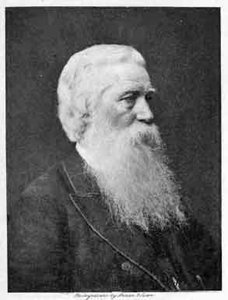
The Dual Legacy of John Gibson Paton: Faith and Form
The life of John Gibson Paton (1824-1907) presents a fascinating duality, a rare intersection where the fervent devotion of a missionary meets the delicate precision of a classical artist. Born in Barrow-in-Furness, Scotland, Paton’s early years were steeped in the rigorous piety of a Presbyterian upbringing. Under the influence of his father, James Paton, a man dedicated to the spread of scripture, the young John developed a profound sense of purpose that would eventually lead him far from the familiar landscapes of Cumbria. Yet, beneath this layer of theological preparation lay an emerging sensitivity to beauty and form, a creative impulse that would later find expression in works that bridged the gap between the sacred and the mythological.
Paton’s journey was one of extraordinary geographical and spiritual breadth. In 1858, he embarked on a transformative mission to the New Hebrides, now known as Vanuatu. This period of his life was defined by intense humanitarian struggle and pioneering evangelism. Alongside his wife, Mary Ann Robson, Paton navigated the complexities of colonial-era Pacific life, working tirelessly to establish Protestant missions and advocating against the horrific practice of blackbirding—the kidnapping of indigenous peoples for forced labor. This era of his life provided a stark, visceral contrast to the idealized worlds of classical myth, yet it was perhaps this very encounter with the raw realities of human existence that deepened the emotional resonance found in his artistic sensibilities.
Classical Echoes and Artistic Vision
While his missionary work focused on the salvation of souls, Paton’s artistic output sought to capture the eternal beauty of classical antiquity. His work often drew upon the rich tapestry of Greek mythology, utilizing neoclassical themes to explore concepts of desire, nature, and the divine. One of the most striking examples of this is seen in Hylas Surprised by the Naiades. This piece captures a quintessential moment of mythological tension: the encounter between the young Hylas and the enchanting nymphs at a woodland fountain. Through his mastery of composition, Paton was able to evoke an atmosphere of dreamlike enchantment, where the boundaries between the human and the supernatural become beautifully blurred.
The technical execution of his work reflects a deep reverence for the idealized forms characteristic of the 19th-century neoclassical tradition. His ability to render texture and light suggests a profound understanding of the classical masters, aiming to achieve a sense of balance and harmony that transcends time. Whether exploring the soft, ethereal presence in works like Tinted Venus or the intimate character studies found in his Portrait of Woman, Paton’s art remains anchored in a pursuit of aesthetic perfection. His paintings do not merely depict scenes; they invite the viewer into a contemplative space where the legends of old are given new, luminous life.
Historical Significance and Enduring Impression
The historical significance of John Gibson Paton lies in his ability to inhabit two seemingly disparate worlds with equal intensity. He was a man of action in the Pacific, a defender of human rights and a pioneer of religious expansion, yet he remained a man of reflection, finding solace and expression in the timeless narratives of myth. This tension between the historical reality of his missionary life and the mythological escapism of his art creates a unique biographical narrative that continues to intrigue scholars and art enthusiasts alike.
Today, Paton is remembered not only for his impactful humanitarian efforts but as an artist who successfully translated the spiritual fervor of his era into the language of classical beauty. His legacy serves as a testament to the complexity of the human spirit—capable of both the most rigorous moral conviction and the most delicate aesthetic appreciation. Through his works, we are reminded that even in the midst of life's most arduous journeys, there remains an enduring search for the sublime.
john gibson paton
1824 - 1907 , United Kingdom
基本情報
- Artistic Movement Or Style: Victorian Painting
- Artists Who Influenced This Artist:
- William Holman Hunt
- John Everett Millais
- Date Of Birth: May 24, 1824
- Date Of Death: January 28, 1907
- Full Name: John Gibson Paton
- Nationality: Scottish
- Notable Artworks:
- Tinted Venus
- Hylas Surprised by the Naiades
- Portrait of Woman
- Place Of Birth: Barrow-in-Furness, United Kingdom
関連記事
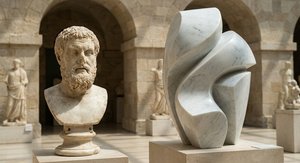
The Enduring Allure of Marble in Art History: From Classical Sculpture to Modern Abstraction
Explore the captivating history of marble sculpture from ancient Greece to modern art. Discover renowned artists like Canova & Michelangelo, carving techniques, and investment insights at ArtsDot.

Bronze Sculptures That Defined Art History | ArtsDot
Journey through art history with our Top 10 bronze sculptures! Explore masterpieces by Rodin, Michelangelo & more. Discover stories behind iconic statues and find museum-quality reproductions for your home decor at ArtsDot.com.

ジョン・シンガー・サージェント:至高の25選 - 美と光の肖像画の世界 | ArtsDot
ジョン・シンガー・サージェントの至高の25選。肖像画、写実主義、光と影の表現が美しい作品群を紐解きます。マダムXや少女の肖像など、時代を超えて愛される名作をArtsDotで鑑賞。高品質なアート複製で、お部屋に美術館のような空間を。今すぐコレクションをご覧ください。

ジョン・コンスタブルの傑作25選:英国風景画の巨匠が描く自然と光の詩 | ArtsDot
ジョン・コンスタブルの傑作25選。英国風景画の巨匠が描く自然と光の詩の世界へ。ロマン主義を代表する絵画、デダム・ヴェールやヘイ・ウェインなど、ArtsDotで高品質なアートプリントをお楽しみください。インテリアに深みと感動を。コレクションはこちら。

The Enduring Form: Exploring Themes & Techniques in Sculpture Across Historical Periods
Explore the rich history of sculpture from ancient masterpieces to contemporary innovations. Discover key techniques, influential artists & investment potential for discerning art collectors.

