

 プリントを購入
 シェアする
シェアする シェアする
シェアする
 詳細を見る
詳細を見る

 ダウンロード
 似ている作品
 スライドショー
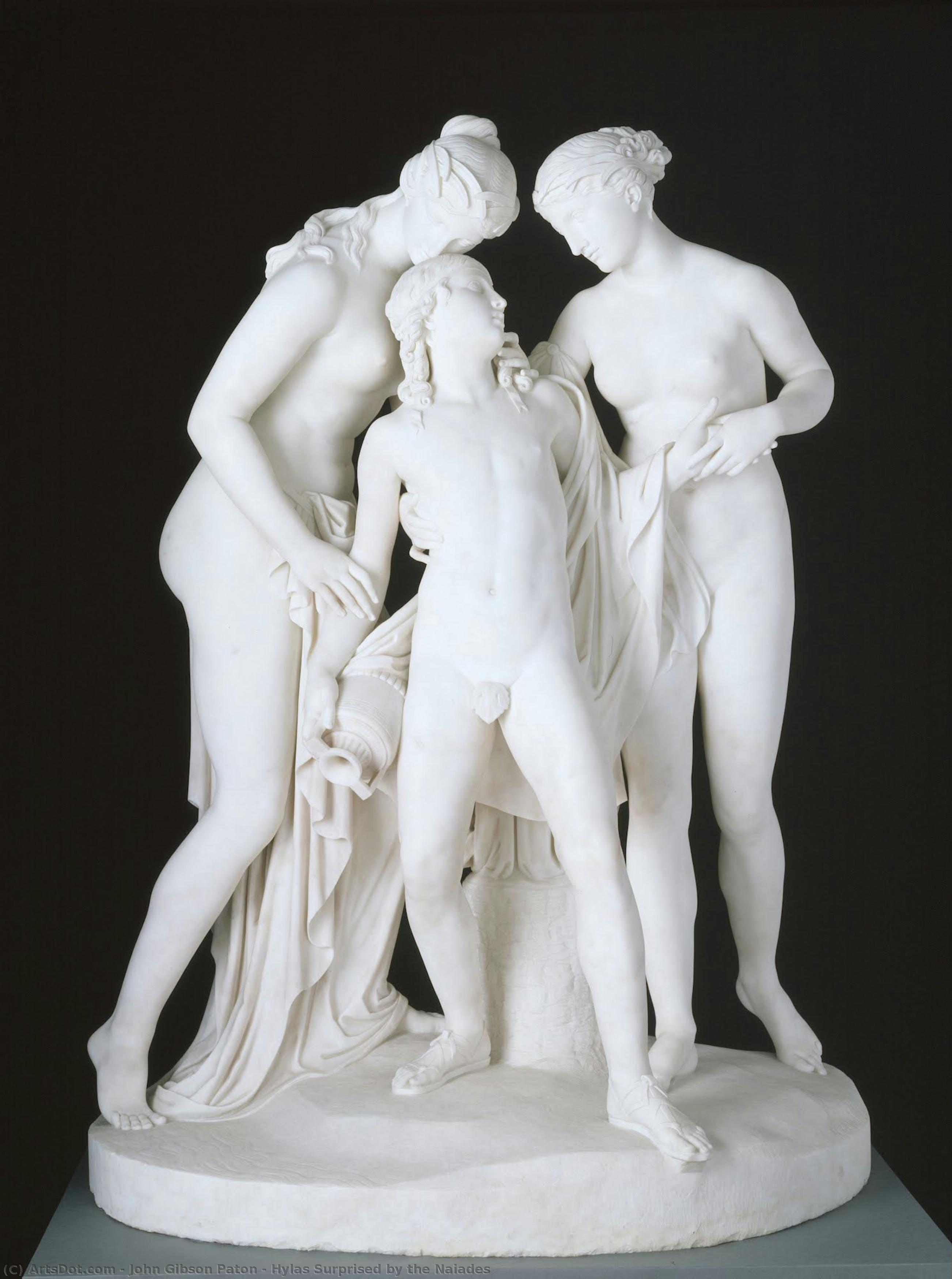
Hylas Surprised by the Naiades
 Sculpture
- Sculpture
- Neoclassical
 19.0 x 71.0 cm
 テート・ブリテン
 詳細を見る
詳細を見る
オンラインプレビューをはるかに凌ぐ、高解像度で鮮明なデジタル画像をご購入いただけます。
各ファイルは、社内の専門家が高度なツールと熟練した手作業によるレタッチを用いて、細心の注意を払って準備されています。すべての画像において、卓越した鮮明度、正確な色彩再現性、そして繊細なディテールを保証いたします。
最終ファイルは、プロフェッショナルな編集・印刷環境ですぐにご利用いただけるよう最適化された状態で、72時間以内にメールにてお届けいたします。これは、一流のデザインスタジオ、出版社、ギャラリーから信頼されているものと同等の品質です。
デジタル画像のご注文に付随する特典
高品質なデジタル画像配信を、確かな品質で。
ArtsDot.com を選ぶことは、単に画像を手に入れることではありません。それは、プロの手によって精密に仕上げられ、満足保証が付いた高品質なデジタルアートワークを受け取ることを意味します。ご注文いただいた際に自動的に付随する内容は、以下の通りです:

メールですぐにお届け
ご注文から72時間以内に、高解像度のデジタル画像ファイルがメールでお手元に届きます。すぐにそのままご利用いただけます。

AI技術で最適化されたデジタルファイル
お客様の作品は、高度なAIツールと専門家による手作業の編集を組み合わせてプロフェッショナルに最適化されており、細部のディテール、鮮明さ、そして正確な色再現性を最大限に引き出しています。

一生涯無料の再送サービス
ファイルを誤って削除したり、紛失してしまったりしましたか?ご安心ください。いつでも無料で再送いたします。

輸入手数料は一切かかりません
関税や手数料、配送料を気にすることなく、お気に入りのアートワークをすぐにお楽しみいただけます。デジタルダウンロードは常に免税です。

色彩再現の保証
プロ仕様のツールとカラーマネジメント技術を用いることで、デジタル画像が元の色を最大限に忠実に再現することを保証いたします。

60日間満足保証
ご購入いただいたデジタル画像にご満足いただけない場合は、60日以内であれば、修正または100%の返金(理由を問う必要はありません)をさせていただきます。

100% 返金保証
ご満足いただけない場合は、デジタルファイルを受け取ってから60日以内であれば、理由を問わず全額返金いたします。

まとめ買い割引
3枚購入で10%OFF - 5枚購入で15%OFF - 10枚以上購入で20%OFF。クリエイティブなプロジェクト、ギャラリー、エージェンシーに最適です。
作品の詳細
A Moment Frozen in Mythic Grace: John Gibson’s “Hylas Surprised by the Naiades”
John Gibson Paton's "Hylas Surprised by the Naiades," created around 1827-1836, stands as a testament to Neoclassical idealism and the enduring fascination with Greek mythology. More than just a sculpture; it’s an embodiment of beauty, desire, and the transformative power of nature—themes that resonate powerfully even today. Located in Tate Britain, this marble masterpiece captures a pivotal scene from Homer's Iliad, specifically the abduction of Hippolyte by Zeus disguised as Poseidon, where Hylas, son of King Thiodomus, is captivated by the nymphs inhabiting a fountain – a moment rendered with breathtaking precision and emotional depth.Composition and Form: A Triangular Dance of Figures
Gibson’s masterful composition utilizes a triangular arrangement that draws the viewer's eye upwards towards the central figure of Hylas. Two female nymphs dominate the lower section, their outstretched hands conveying an irresistible invitation to join Hylas in his reverie. The fourth nymph stands slightly apart, observing the unfolding drama with serene contemplation—a subtle counterbalance to the palpable tension between Hylas and the nymphs. This deliberate structuring contributes to a sense of stability while simultaneously mirroring the dynamic interplay of emotions depicted within the sculpture itself. The circular base upon which it rests reinforces this visual grounding, anchoring the artwork firmly in its surroundings.Materiality and Technique: Marble’s Embrace of Ideal Beauty
Gibson's choice of marble—a material revered for its purity and ability to capture light—is crucial to conveying the sculpture’s ethereal quality. The sculptor painstakingly honed the stone to achieve a surface finish that reflects both subtle variations in texture and brilliant highlights, emphasizing the tactile nature of the medium. Gibson skillfully employed classical modeling techniques, meticulously sculpting the drapery folds and musculature to emulate the idealized forms championed by Neoclassical artists like Antonio Canova. These meticulous efforts ensured that every curve and contour contributed to an overall impression of serene grace and timeless beauty.Mythological Narrative and Symbolic Resonance
The sculpture’s narrative draws directly from Homer's Iliad, portraying Hylas’s astonishment at the nymphs’ allure—a symbol of irresistible temptation and the seductive power of feminine beauty. The nymphs represent divine femininity, embodying both nurturing compassion and sensual desire. Gibson’s depiction captures not merely a visual spectacle but also explores profound philosophical questions about human perception and the influence of external forces on inner experience. The inclusion of elements like amphorae—symbols of fertility and abundance—further reinforces this connection to mythological traditions.Emotional Impact: Capturing Transient Wonder
“Hylas Surprised by the Naiades” transcends mere representation; it aspires to evoke a feeling of contemplative wonder. Gibson’s expressive rendering of Hylas's gaze – filled with surprise and longing – communicates an emotional vulnerability that resonates deeply with viewers. The sculpture invites us to contemplate the fleeting nature of beauty, desire, and the transformative potential of encountering something extraordinary. Its enduring appeal lies in its ability to capture a moment frozen in time—a testament to Gibson’s artistic genius and his unwavering devotion to portraying idealized forms rooted in classical mythology.関連作品
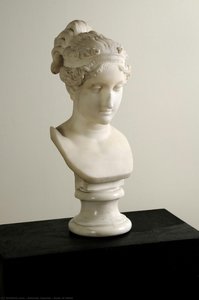
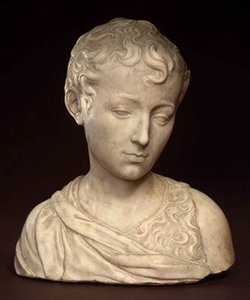
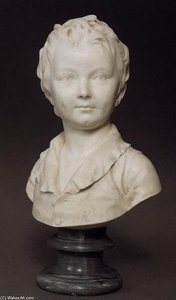
作家の略歴
The Dual Legacy of John Gibson Paton: Faith and Form
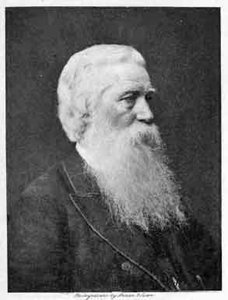
The life of John Gibson Paton (1824-1907) presents a fascinating duality, a rare intersection where the fervent devotion of a missionary meets the delicate precision of a classical artist. Born in Barrow-in-Furness, Scotland, Paton’s early years were steeped in the rigorous piety of a Presbyterian upbringing. Under the influence of his father, James Paton, a man dedicated to the spread of scripture, the young John developed a profound sense of purpose that would eventually lead him far from the familiar landscapes of Cumbria. Yet, beneath this layer of theological preparation lay an emerging sensitivity to beauty and form, a creative impulse that would later find expression in works that bridged the gap between the sacred and the mythological.
Paton’s journey was one of extraordinary geographical and spiritual breadth. In 1858, he embarked on a transformative mission to the New Hebrides, now known as Vanuatu. This period of his life was defined by intense humanitarian struggle and pioneering evangelism. Alongside his wife, Mary Ann Robson, Paton navigated the complexities of colonial-era Pacific life, working tirelessly to establish Protestant missions and advocating against the horrific practice of blackbirding—the kidnapping of indigenous peoples for forced labor. This era of his life provided a stark, visceral contrast to the idealized worlds of classical myth, yet it was perhaps this very encounter with the raw realities of human existence that deepened the emotional resonance found in his artistic sensibilities.
Classical Echoes and Artistic Vision
While his missionary work focused on the salvation of souls, Paton’s artistic output sought to capture the eternal beauty of classical antiquity. His work often drew upon the rich tapestry of Greek mythology, utilizing neoclassical themes to explore concepts of desire, nature, and the divine. One of the most striking examples of this is seen in Hylas Surprised by the Naiades. This piece captures a quintessential moment of mythological tension: the encounter between the young Hylas and the enchanting nymphs at a woodland fountain. Through his mastery of composition, Paton was able to evoke an atmosphere of dreamlike enchantment, where the boundaries between the human and the supernatural become beautifully blurred.
The technical execution of his work reflects a deep reverence for the idealized forms characteristic of the 19th-century neoclassical tradition. His ability to render texture and light suggests a profound understanding of the classical masters, aiming to achieve a sense of balance and harmony that transcends time. Whether exploring the soft, ethereal presence in works like Tinted Venus or the intimate character studies found in his Portrait of Woman, Paton’s art remains anchored in a pursuit of aesthetic perfection. His paintings do not merely depict scenes; they invite the viewer into a contemplative space where the legends of old are given new, luminous life.
Historical Significance and Enduring Impression
The historical significance of John Gibson Paton lies in his ability to inhabit two seemingly disparate worlds with equal intensity. He was a man of action in the Pacific, a defender of human rights and a pioneer of religious expansion, yet he remained a man of reflection, finding solace and expression in the timeless narratives of myth. This tension between the historical reality of his missionary life and the mythological escapism of his art creates a unique biographical narrative that continues to intrigue scholars and art enthusiasts alike.
Today, Paton is remembered not only for his impactful humanitarian efforts but as an artist who successfully translated the spiritual fervor of his era into the language of classical beauty. His legacy serves as a testament to the complexity of the human spirit—capable of both the most rigorous moral conviction and the most delicate aesthetic appreciation. Through his works, we are reminded that even in the midst of life's most arduous journeys, there remains an enduring search for the sublime.
john gibson paton
1824 - 1907 , United Kingdom
プロフィール概要
- Artistic Movement Or Style: Victorian Painting
- Artists Who Influenced This Artist:
- William Holman Hunt
- John Everett Millais
- Date Of Birth: May 24, 1824
- Date Of Death: January 28, 1907
- Full Name: John Gibson Paton
- Nationality: Scottish
- Notable Artworks:
- Tinted Venus
- Hylas Surprised by the Naiades
- Portrait of Woman
- Place Of Birth: Barrow-in-Furness, United Kingdom

