

 プレビュー
プレビュー
 プリントを購入
 シェアする
シェアする シェアする
シェアする
 詳細を見る
詳細を見る

 ダウンロード
 似ている作品
 X線調査
X線調査 スライドショー
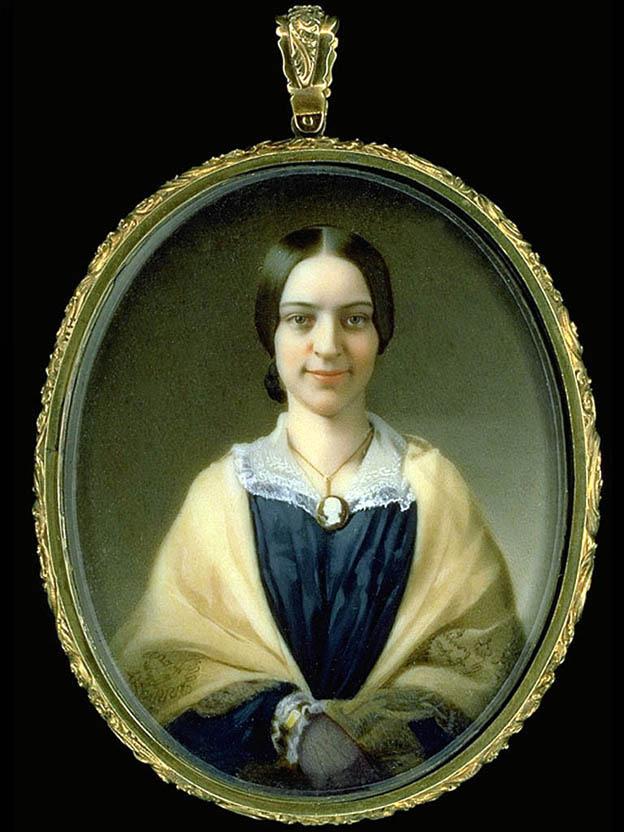
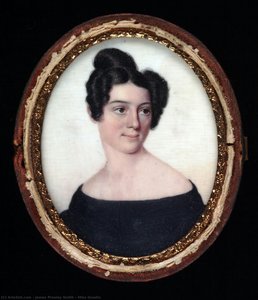
Mrs. John Willis Ellis (Mary White)
 Neoclassical
 1846
1846 7.0 x 5.0 cm
 詳細を見る
詳細を見る




































作品のオリジナル比率に合わせた、当店の規定サイズからお選びください。

特定のフレームやスペースに合わせて、ご希望のサイズをご入力いただけます。選択されたサイズが元の画像の比率と異なる場合、アートワークをトリミングするか、手描きで要素を追加して絵画を拡張いたします。デジタルモックアップ を制作し、制作開始前にご確認(承認)をいただきます。
画面上のプレビューは、実際のトリミングや拡張を正確に反映しているものではありません。最終的な構図は、モックアップによってのみ正確にご確認いただけます。
カスタムサイズもご利用いただけますが、元の比率を維持するためには、あらかじめ用意されたリストからサイズを選択することをお勧めいたします。
ご注文後、ArtsDot.com チームより詳細な指示をお送りするとともに、仕上がりイメージ(モックアップ)をご提供いたします。


 ガラスオプションは、110cm未満のサイズでのみご利用いただけます。

Mrs. John Willis Ellis (Mary White)
複製技法
複製画のサイズ
-


合計金額
$ 263
作品解説
The Artist and His Work
John Henry Brown was a prominent American artist known for his exquisite portraits. His work can be found in several prestigious institutions, including the Smithsonian American Art Museum. Some of his notable works include James Buchanan and Harriet Lane Johnston, which are also part of the museum's collection. You can find more information about these paintings on John Henry Brown: James Buchanan and John Henry Brown: Harriet Lane Johnston.The Painting's Significance
The painting Mrs. John Willis Ellis (Mary White) is not only a beautiful portrait but also an important piece of American art history. It showcases the artist's ability to capture the essence of his subjects with precision and delicacy. The use of watercolor on ivory adds a level of complexity and sophistication to the painting, making it a true masterpiece.- The painting is a great example of American art from the 19th century.
- The artist's use of watercolor on ivory is a unique and challenging technique.
- The painting is part of the Smithsonian American Art Museum's collection, which includes works by other notable artists such as William Leroy Hawkins.
The painting Mrs. John Willis Ellis (Mary White) is a must-see for anyone interested in American art and history. You can find more information about this painting and other works by John Henry Brown on John Henry Brown: Mrs. John Willis Ellis (Mary White).
関連作品
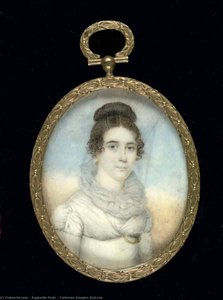
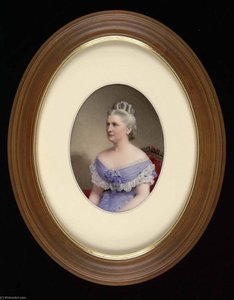
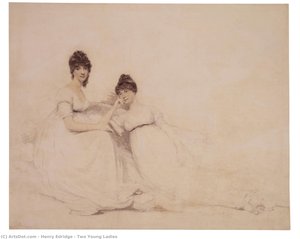
アーティストの略歴
The Luminous Legacy of John Henry Brown
In the delicate, sun-drenched era of the American Victorian period, few artists captured the quiet dignity of a changing nation quite like John Henry Brown. Born in Philadelphia in 1818, Brown emerged from the heart of one of America's most vibrant cultural hubs to become a master of the portrait miniature. His life and work serve as a window into a bygone age, where art was not merely observed on distant walls but held close to the heart, often tucked into a locket or worn as a cherished keepsake. Brown’s specialty lay in the demanding medium of watercolor on ivory, a choice that allowed him to exploit the natural translucency of the substrate to create skin tones that seemed to glow with an inner, lifelike warmth.
The artistry of Brown was defined by a profound marriage of technical precision and emotional resonance. While his training was rooted in the classical traditions of Neoclassical elegance—characterized by meticulous rendering of textures, the soft fold of fine silk, and the precise geometry of facial features—he was not immune to the shifting winds of the nineteenth century. There is a subtle, burgeoning awareness of evolving aesthetic sensibilities in his work, a hint of the light-driven observations that would later define Impressionism. This unique blend allowed him to uphold the formal standards required by his high-society patrons while imbuing his subjects with a psychological depth that transcended mere likeness.
Mastery of the Miniature and the Ivory Canvas
To understand Brown’s contribution to American art, one must appreciate the immense technical difficulty of his chosen craft. Working on such a minuscule scale required an almost superhuman level of focus and a steady hand capable of executing microscopic details. His process involved layering delicate washes of color to build depth, using the ivory base to reflect light back through the pigment. This technique was particularly effective for capturing the subtle nuances of expression that define his most celebrated works. Whether he was depicting the soft features of a young girl or the weathered gravity of a statesman, Brown’s ability to convey character through minute variations in shade was unparalleled.
His repertoire of subjects often included the very architects of American history and the elite of Philadelphia society. Some of his most notable achievements include:
- James Buchanan: A striking watercolor on ivory created in 1865, capturing the 15th President of the United States with a sense of historical weight during the tumultuous aftermath of the Civil War.
- Harriet Lane Johnston: An 1878 portrait that showcases his mastery of composition and his ability to imbue a subject with poise and elegance.
- Mrs. John Willis Ellis (Mary White): A breathtakingly small piece from 1846, measuring only 7 x 5 cm, which demonstrates his skill in creating profound impact within a tiny frame.
- Ada Brown: A tender 1847 miniature that exemplifies his ability to capture the innocence and delicate beauty of youth.
A Lasting Impression on American Portraiture
Though the era of the portrait miniature eventually gave way to larger-scale oil paintings and the advent of photography, the historical significance of John Henry Brown remains undiminished. His work provides an invaluable visual record of the social hierarchy and the aesthetic values of 19th-century America. Through his eyes, we see a world that valued permanence, grace, and the meticulous preservation of identity. Today, much of his legacy is preserved within prestigious institutions such as the Smithsonian American Art Museum, where his portraits continue to offer scholars and art lovers alike a glimpse into the soul of the Victorian age.
Brown’s ability to bridge the gap between the formal requirements of a commission and the intimate reality of a human face ensures his place in the canon of American portraitists. He did not merely paint faces; he captured the essence of an era, leaving behind a luminous trail of ivory and watercolor that continues to shine with the dignity of the past.
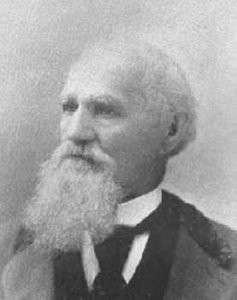
john henry brown
1818 - 1891
基本情報
- Artistic Movement Or Style: Victorian Portraiture
- Artists Or Movements Influenced By This Artist: ['Pre-Raphaelites']
- Artists Who Influenced This Artist: ['William Morris']
- Date Of Birth: 1818
- Date Of Death: 1891
- Full Name: John Henry Brown
- Nationality: American
- Notable Artworks:
- Mrs. John Willis Ellis (Mary White)
- Harriet Lane Johnston
- Place Of Birth: Philadelphia, USA
関連記事

Watercolor Wonders: 10 Masterpieces That Redefined Art History | ArtsDot
Journey through 10 legendary watercolor masterpieces by Sargent, Turner & Homer! Explore iconic landscapes, portraits & floral art that redefined history. Find museum-quality reproductions and curated decor ideas at ArtsDot.com.
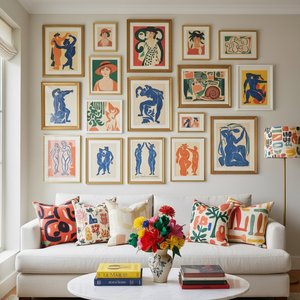
アンリ・マティスの傑作25選:色彩と情熱の軌跡|ArtsDot
アンリ・マティスの傑作25選🎨 色彩と情熱が織りなす世界を旅する。フォーヴィスム代表の巨匠、マティスの絵画の魅力と歴史を紐解きます。ArtsDotで高品質なアートプリントや複製画を見つけ、インテリアに芸術的な輝きを✨ Explore the full collection online
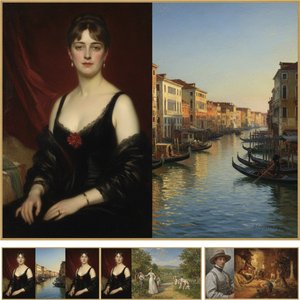
ジョン・シンガー・サージェント:至高の25選 - 美と光の肖像画の世界 | ArtsDot
ジョン・シンガー・サージェントの至高の25選。肖像画、写実主義、光と影の表現が美しい作品群を紐解きます。マダムXや少女の肖像など、時代を超えて愛される名作をArtsDotで鑑賞。高品質なアート複製で、お部屋に美術館のような空間を。今すぐコレクションをご覧ください。
Ephemeral Visions: Exploring the Artistic Legacy & Contemporary Practice of Watercolor Painting
Explore the captivating world of watercolor painting! Discover its rich history, essential techniques, influential artists & collecting tips. A comprehensive guide for art enthusiasts from ArtsDot.
Ephemeral Visions: Exploring the History & Emotional Resonance of Watercolor Painting
Explore the captivating history of watercolor painting, from ancient techniques to modern masters like Kandinsky & Blake. Discover essential artists, collecting tips & the emotional power of this luminous medium. Expert insights for art enthusiasts.

