

 プレビュー
プレビュー
 プリントを購入
 シェアする
シェアする シェアする
シェアする
 詳細を見る
詳細を見る

 ダウンロード
 似ている作品
 X線調査
X線調査 スライドショー
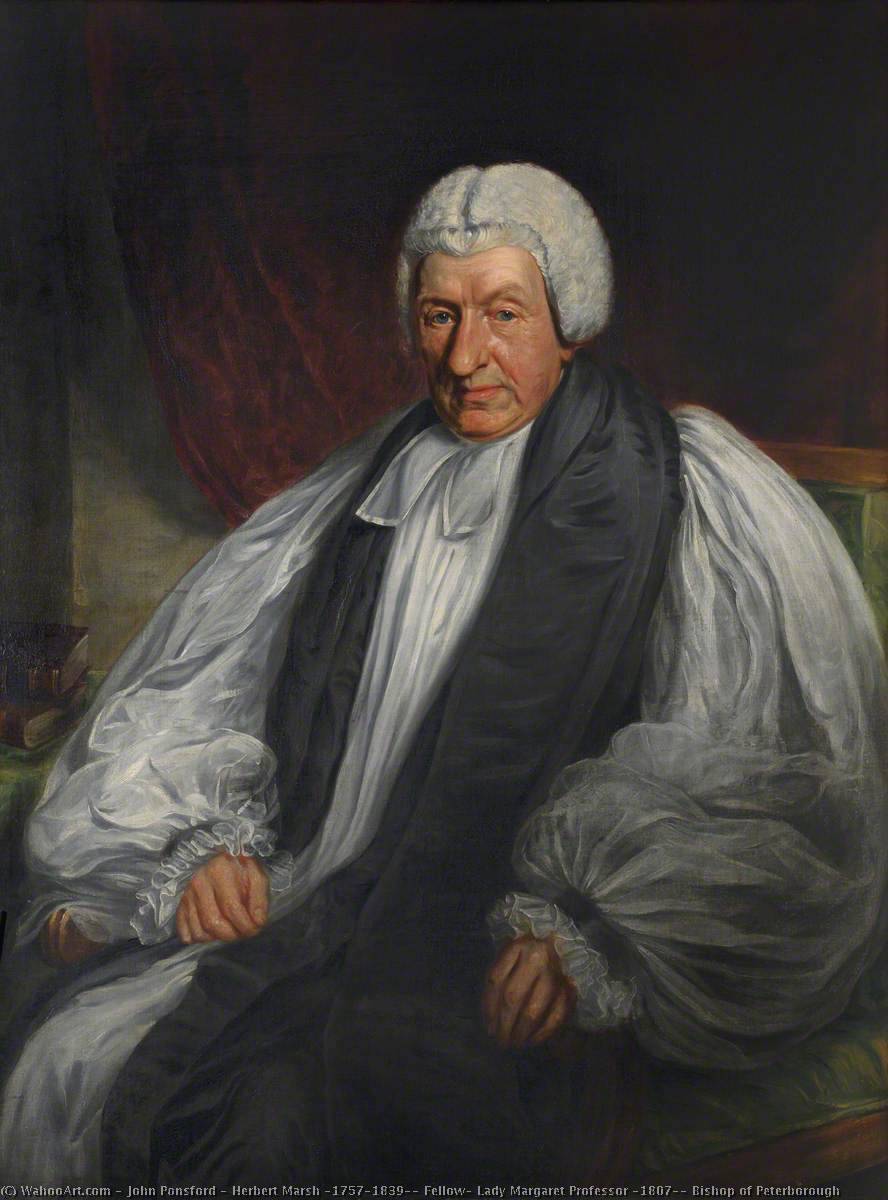
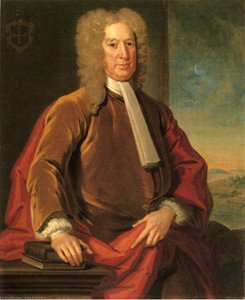
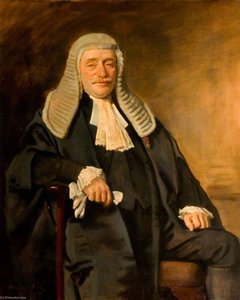
Herbert Marsh (1757–1839), Fellow, Lady Margaret Professor (1807), Bishop of Peterborough
 Baroque
 111.0 x 87.0 cm
 セント・ジョンズ・カレッジ
 詳細を見る
詳細を見る




































作品のオリジナル比率に合わせた、当店の規定サイズからお選びください。

特定のフレームやスペースに合わせて、ご希望のサイズをご入力いただけます。選択されたサイズが元の画像の比率と異なる場合、アートワークをトリミングするか、手描きで要素を追加して絵画を拡張いたします。デジタルモックアップ を制作し、制作開始前にご確認(承認)をいただきます。
画面上のプレビューは、実際のトリミングや拡張を正確に反映しているものではありません。最終的な構図は、モックアップによってのみ正確にご確認いただけます。
カスタムサイズもご利用いただけますが、元の比率を維持するためには、あらかじめ用意されたリストからサイズを選択することをお勧めいたします。
ご注文後、ArtsDot.com チームより詳細な指示をお送りするとともに、仕上がりイメージ(モックアップ)をご提供いたします。


 ガラスオプションは、110cm未満のサイズでのみご利用いただけます。

Herbert Marsh (1757–1839), Fellow, Lady Margaret Professor (1807), Bishop of Peterborough
複製技法
複製画のサイズ
-


合計金額
$ 263
関連作品


アーティストの略歴
John Ponsford: A Victorian Portraitist of Subtle Grace
John Ponsford (1790–1870) remains a quietly significant figure in 19th-century British art, often overshadowed by the grander narratives of his era but possessing a distinctive style and a remarkable ability to capture the nuances of human character. Born in ArtsDot, he honed his skills through early training before establishing himself as a respected portraitist, primarily serving the military and aristocratic circles of Victorian England. His work isn’t characterized by dramatic flourishes or bold statements; rather, it's defined by an understated elegance, meticulous detail, and a profound sensitivity to light and shadow – qualities that have ensured his paintings continue to resonate with collectors and art historians alike.Early Life and Artistic Training
Details surrounding Ponsford’s early life are somewhat sparse, though it's known he received instruction in drawing and painting during his youth. He was associated with Herbert Marsh, a prominent Fellow of Lady Margaret College and Bishop of Peterborough, whose portrait he painted around 1839 – a work that exemplifies Ponsford’s early style: a dignified depiction of the bishop showcasing Baroque influence and rich textures. This collaboration likely provided him with valuable exposure to classical techniques and an appreciation for formal composition. Further evidence suggests connections to Reverend Henry Williams, another artist whose portrait Ponsford created, demonstrating a potential apprenticeship or shared artistic environment during this formative period. These early influences shaped his approach to portraiture – a focus on realism combined with a subtle understanding of color and form.The Rise of a Military Portraitist
Ponsford’s career gained considerable momentum through his commissions for the military, particularly the Royal Welsh Regiment. His portraits of officers and soldiers became highly sought after, reflecting the importance placed on visual representation within the ranks. Works like ‘Reverend Henry Williams’ (1839) demonstrate this period's stylistic shift towards Neo-Classicism, characterized by a refined elegance and attention to detail – hallmarks of Ponsford’s growing reputation. These commissions not only provided financial stability but also exposed him to diverse subjects and settings, broadening his artistic experience and refining his technique. The meticulous rendering of uniforms, medals, and personal effects speaks volumes about the artist's dedication to accuracy and his ability to capture the individual character of each sitter.Technique and Style: A Master of Subtlety
Ponsford’s artistic signature lies in his remarkable ability to convey a sense of quiet observation and psychological depth within his portraits. He eschewed dramatic lighting or exaggerated poses, instead favoring soft, diffused light that subtly illuminates the subject's features and expressions. His brushwork is remarkably delicate, layering thin glazes of paint to create a luminous surface texture – a technique reminiscent of John Frederick Lewis, another prominent Orientalist painter. He was particularly adept at capturing subtle shifts in mood and emotion, conveying a sense of inner life through carefully observed details such as the angle of the eyes, the set of the mouth, or the way the subject holds their hands. His portraits are not merely likenesses; they are intimate glimpses into the souls of his sitters.Legacy and Influence
While Ponsford may not be as widely celebrated as some of his contemporaries, his work continues to be appreciated for its quiet beauty and technical mastery. His paintings offer a valuable window into Victorian society, providing insights into the lives and aspirations of military officers, clergymen, and other prominent figures of the era. The meticulous detail and psychological sensitivity evident in his portraits demonstrate a level of artistic skill rarely matched by his peers. His influence can be seen in the work of later portraitists who followed in his footsteps, particularly those interested in capturing the subtleties of human character. Today, Ponsford’s paintings are held in prestigious collections, testament to their enduring appeal and historical significance. The availability of high-quality reproductions through platforms like ArtsDot ensures that his art continues to be enjoyed by a wider audience, preserving his legacy as a master of Victorian portraiture.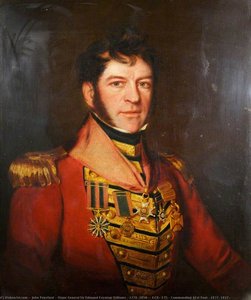
john ponsford
1790 - 1870
基本情報
- Artistic Movement Or Style: Neo-Classical, Victorian Portraiture
- Artists Or Movements Influenced By This Artist: ['Walter Greaves']
- Artists Who Influenced This Artist: ['Herbert Marsh']
- Date Of Birth: 1790
- Date Of Death: 1870
- Full Name: John Ponsford
- Nationality: British
- Notable Artworks:
- Reverend Henry Williams
- Mrs Bowditch
- Place Of Birth: WahooArt
関連記事
ジョン・シンガー・サージェント:至高の25選 - 美と光の肖像画の世界 | ArtsDot
ジョン・シンガー・サージェントの至高の25選。肖像画、写実主義、光と影の表現が美しい作品群を紐解きます。マダムXや少女の肖像など、時代を超えて愛される名作をArtsDotで鑑賞。高品質なアート複製で、お部屋に美術館のような空間を。今すぐコレクションをご覧ください。

ジョン・コンスタブルの傑作25選:英国風景画の巨匠が描く自然と光の詩 | ArtsDot
ジョン・コンスタブルの傑作25選。英国風景画の巨匠が描く自然と光の詩の世界へ。ロマン主義を代表する絵画、デダム・ヴェールやヘイ・ウェインなど、ArtsDotで高品質なアートプリントをお楽しみください。インテリアに深みと感動を。コレクションはこちら。

The Dramatic Flourish: Exploring the Baroque Movement's Enduring Legacy in Art History
Explore the dramatic world of Baroque art! Discover iconic artists like Caravaggio & Rubens, defining techniques, and its lasting impact on art history. Expert insights for collectors & enthusiasts at ArtsDot.

バロックのドラマ:現代のインテリアに壮麗さと情感を取り込む
バロック様式の歴史、絵画、家具の魅力をご紹介。ArtsDotでは、高品質な油絵複製やカスタムポートレートをご提供し、現代のインテリアに壮麗さと情感を取り入れます。アートコンサルテーションも承ります。

バロック美術を極めた至宝:時代を彩る10大名作の世界
バロック美術の華!カラヴァッジョ、ベルニーニら巨匠が創り上げた10大名作を徹底解剖。ドラマチックな色彩と豪華絢爛の世界観に触れ、至宝のアートプリントで空間を彩ろう。ArtsDot.comで美術館品質の複製と洗練されたインテリアを見つけましょう!

