

 プレビュー
プレビュー
 プリントを購入
 シェアする
シェアする シェアする
シェアする
 詳細を見る
詳細を見る

 ダウンロード
 似ている作品
 X線調査
X線調査 スライドショー
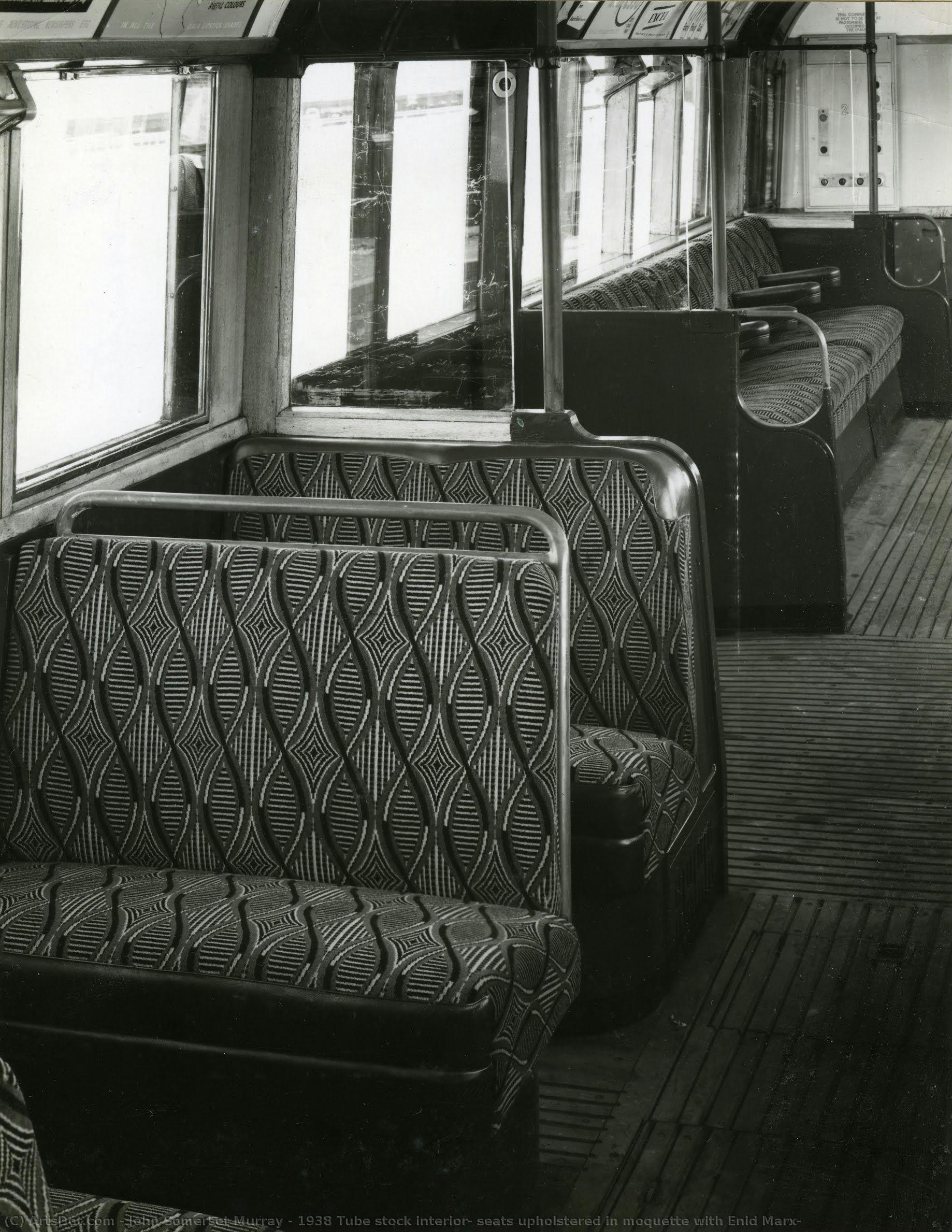
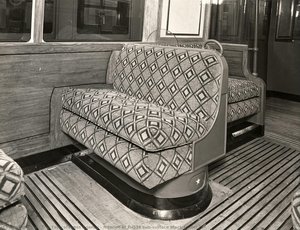
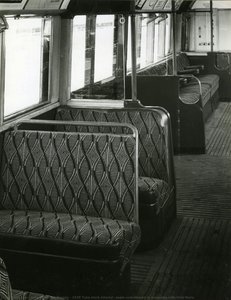
1938 Tube stock interior; seats upholstered in moquette with Enid Marx


 詳細を見る
詳細を見る
オンラインプレビューをはるかに凌ぐ、高解像度で鮮明なデジタル画像をご購入いただけます。
各ファイルは、社内の専門家が高度なツールと熟練した手作業によるレタッチを用いて、細心の注意を払って準備されています。すべての画像において、卓越した鮮明度、正確な色彩再現性、そして繊細なディテールを保証いたします。
最終ファイルは、プロフェッショナルな編集・印刷環境ですぐにご利用いただけるよう最適化された状態で、72時間以内にメールにてお届けいたします。これは、一流のデザインスタジオ、出版社、ギャラリーから信頼されているものと同等の品質です。
デジタル画像のご注文に付随する特典
高品質なデジタル画像配信を、確かな品質で。
ArtsDot.com を選ぶことは、単に画像を手に入れることではありません。それは、プロの手によって精密に仕上げられ、満足保証が付いた高品質なデジタルアートワークを受け取ることを意味します。ご注文いただいた際に自動的に付随する内容は、以下の通りです:

メールですぐにお届け
ご注文から72時間以内に、高解像度のデジタル画像ファイルがメールでお手元に届きます。すぐにそのままご利用いただけます。

AI技術で最適化されたデジタルファイル
お客様の作品は、高度なAIツールと専門家による手作業の編集を組み合わせてプロフェッショナルに最適化されており、細部のディテール、鮮明さ、そして正確な色再現性を最大限に引き出しています。

一生涯無料の再送サービス
ファイルを誤って削除したり、紛失してしまったりしましたか?ご安心ください。いつでも無料で再送いたします。

輸入手数料は一切かかりません
関税や手数料、配送料を気にすることなく、お気に入りのアートワークをすぐにお楽しみいただけます。デジタルダウンロードは常に免税です。

色彩再現の保証
プロ仕様のツールとカラーマネジメント技術を用いることで、デジタル画像が元の色を最大限に忠実に再現することを保証いたします。

60日間満足保証
ご購入いただいたデジタル画像にご満足いただけない場合は、60日以内であれば、修正または100%の返金(理由を問う必要はありません)をさせていただきます。

100% 返金保証
ご満足いただけない場合は、デジタルファイルを受け取ってから60日以内であれば、理由を問わず全額返金いたします。

まとめ買い割引
3枚購入で10%OFF - 5枚購入で15%OFF - 10枚以上購入で20%OFF。クリエイティブなプロジェクト、ギャラリー、エージェンシーに最適です。
関連作品






作家の略歴
The Visionary Lens of John Somerset Murray
In the annals of British photography, few figures possess the quiet, structural elegance found in the work of John Somerset Murray. Born in 1904 into a lineage deeply embedded in the photographic arts, Murray was destined to view the world through a lens of profound historical awareness. His grandfather, the renowned Calotypist of India, John Murray, provided a foundational legacy that infused the younger Murray with an innate ability to translate complex physical spaces into evocative visual narratives. This ancestral connection to the medium did more than just provide technical inspiration; it instilled a lifelong mission to document the shifting textures of the British landscape, capturing the very bones of a nation in transition.
Murray’s artistic journey began not with the grand scale of industry, but within the intimate confines of his own portrait studio in Chelsea. During the early 1930s, his work was defined by the delicate nuances of traditional portraiture and the sharp requirements of advertising commissions. Yet, as the world around him began to undergo rapid industrial and architectural transformation, Murray’s gaze shifted outward. He possessed a rare, intuitive understanding that the true spirit of the era lay in its steel, stone, and burgeoning infrastructure. This transition from the human face to the architectural form marked his emergence as a pioneer of documentary photography, where he sought to find the soul within the structural.
A Symphony of Steel and Stone
The hallmark of Murray’s technique was a masterful equilibrium between meticulous precision and atmospheric depth. He did not merely record buildings; he choreographed light and shadow to reveal the character of their subjects. His photographic style prioritized an uncompromising clarity that served the needs of architectural documentation, yet he never allowed his work to descend into mere clinical observation. Instead, through a sophisticated use of contrast and composition, he imbued factories, housing estates, and transit systems with a palpable sense of context and movement.
This ability to capture the essence of modernism was most evident in his collaborations with the architects of the age. Murray worked alongside visionaries such as Ernő Goldfinger and Ove Ellekjær, documenting ambitious projects like the Robin Hill Estate. In these images, one can witness the intersection of human habitation and avant-garde design. His lens captured the rhythmic patterns of modern materials, turning the functional elements of urban development into subjects of high art. Through his work, the rigid lines of mid-century architecture were softened by a sense of lived experience and historical weight.
Documenting a Nation in Flux
The true gravity of Murray’s contribution became most apparent during the tumultuous years of the Second World War. Tasked with extensive assignments for the Ministry of Information, he became an essential visual chronicler of Britain’s wartime resilience. His photographs of vital infrastructure projects and industrial production lines served a dual purpose: they were both critical records of national survival and profound artistic studies of industrial power. In the smoke and machinery of the factory floor, Murray found a new kind of beauty—a rugged, rhythmic aesthetic that celebrated the strength of the industrial spirit.
As his career progressed, Murray’s work remained a testament to the enduring importance of the documentary impulse. His legacy is defined by several key contributions to the photographic canon:
- Architectural Preservation: He provided an irreplaceable visual archive of 20th-century British architecture and urban planning.
- Industrial Artistry: He elevated the documentation of manufacturing and infrastructure to a level of high aesthetic consideration.
- Historical Continuity: By bridging the gap between his grandfather’s classical calotypes and modern commercial photography, he maintained a thread of photographic tradition through a period of radical change.
Today, the work of John Somerset Murray stands as more than just a collection of historical images; it is a window into the structural heart of an era. His ability to find poetry in the industrial and grace in the geometric ensures that his place in the history of British photography remains both significant and enduring.
john somerset murray
1904 - 1975 , United Kingdom
プロフィール概要
- Artistic Movement Or Style: Advertising photography
- Artists Who Influenced This Artist: ['John Murray']
- Date Of Birth: 1904
- Full Name: John Somerset Murray
- Nationality: British
- Notable Artworks: ['Architecture images']
- Place Of Birth: Chelsea, United Kingdom

