

 プレビュー
プレビュー
 プリントを購入
 シェアする
シェアする シェアする
シェアする
 詳細を見る
詳細を見る

 ダウンロード
 似ている作品
 X線調査
X線調査 スライドショー
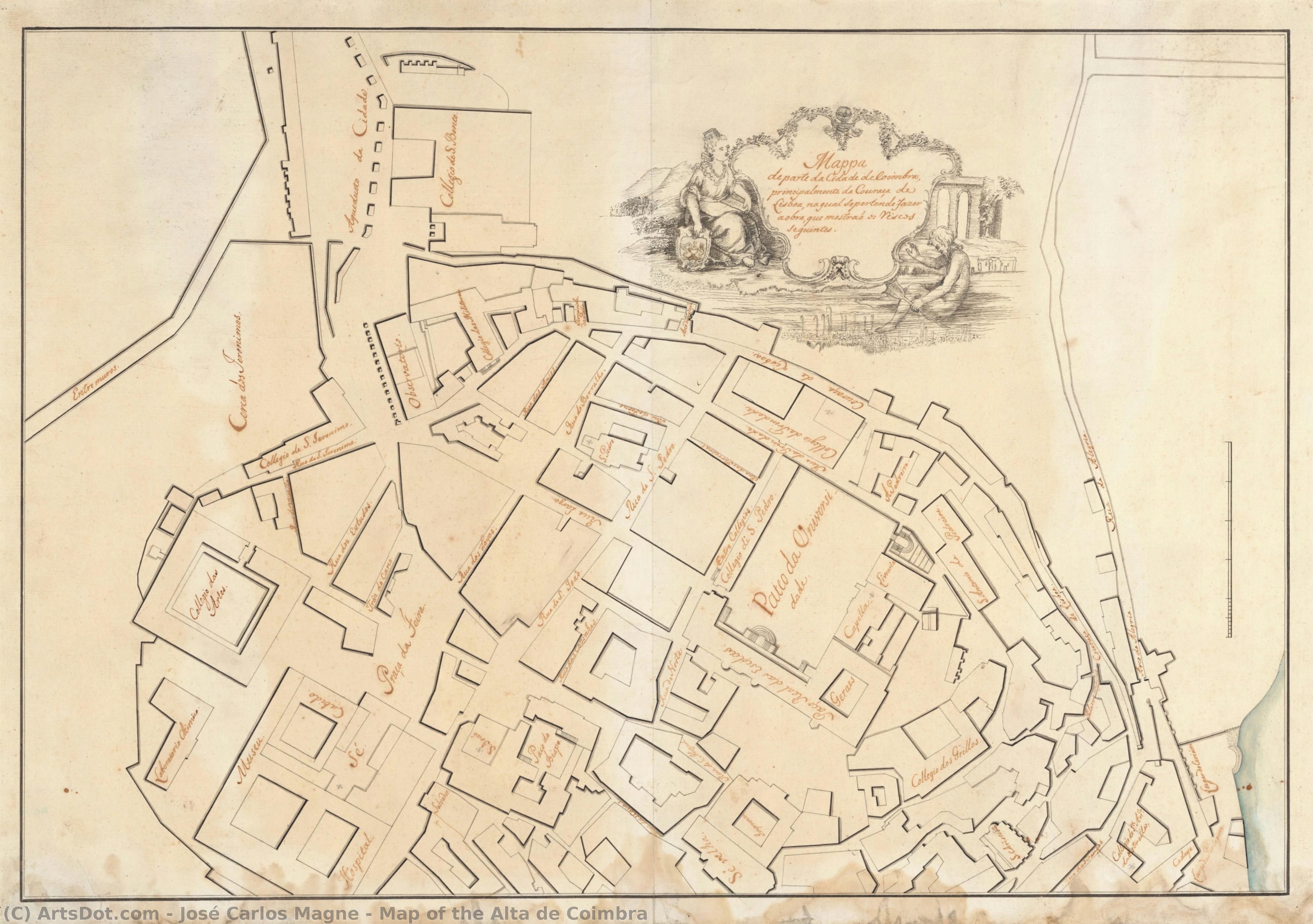
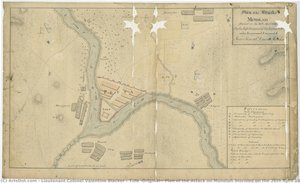
Map of the Alta de Coimbra
 Painting
- Rococo
 1777
1777 51.0 x 73.0 cm
 Machado de Castro National Museum
 詳細を見る
詳細を見る
オンラインプレビューをはるかに凌ぐ、高解像度で鮮明なデジタル画像をご購入いただけます。
各ファイルは、社内の専門家が高度なツールと熟練した手作業によるレタッチを用いて、細心の注意を払って準備されています。すべての画像において、卓越した鮮明度、正確な色彩再現性、そして繊細なディテールを保証いたします。
最終ファイルは、プロフェッショナルな編集・印刷環境ですぐにご利用いただけるよう最適化された状態で、72時間以内にメールにてお届けいたします。これは、一流のデザインスタジオ、出版社、ギャラリーから信頼されているものと同等の品質です。
デジタル画像のご注文に付随する特典
高品質なデジタル画像配信を、確かな品質で。
ArtsDot.com を選ぶことは、単に画像を手に入れることではありません。それは、プロの手によって精密に仕上げられ、満足保証が付いた高品質なデジタルアートワークを受け取ることを意味します。ご注文いただいた際に自動的に付随する内容は、以下の通りです:

メールですぐにお届け
ご注文から72時間以内に、高解像度のデジタル画像ファイルがメールでお手元に届きます。すぐにそのままご利用いただけます。

AI技術で最適化されたデジタルファイル
お客様の作品は、高度なAIツールと専門家による手作業の編集を組み合わせてプロフェッショナルに最適化されており、細部のディテール、鮮明さ、そして正確な色再現性を最大限に引き出しています。

一生涯無料の再送サービス
ファイルを誤って削除したり、紛失してしまったりしましたか?ご安心ください。いつでも無料で再送いたします。

輸入手数料は一切かかりません
関税や手数料、配送料を気にすることなく、お気に入りのアートワークをすぐにお楽しみいただけます。デジタルダウンロードは常に免税です。

色彩再現の保証
プロ仕様のツールとカラーマネジメント技術を用いることで、デジタル画像が元の色を最大限に忠実に再現することを保証いたします。

60日間満足保証
ご購入いただいたデジタル画像にご満足いただけない場合は、60日以内であれば、修正または100%の返金(理由を問う必要はありません)をさせていただきます。

100% 返金保証
ご満足いただけない場合は、デジタルファイルを受け取ってから60日以内であれば、理由を問わず全額返金いたします。

まとめ買い割引
3枚購入で10%OFF - 5枚購入で15%OFF - 10枚以上購入で20%OFF。クリエイティブなプロジェクト、ギャラリー、エージェンシーに最適です。
A Cartographic Glimpse into Eighteenth-Century Life
To gaze upon this depiction of the Map of the Alta de Coimbra is not merely to look at an old drawing; it is to step through a shimmering portal directly into the vibrant, ordered chaos of the late eighteenth century. Created in 1777 by José Carlos Magne, this piece transcends the function of a simple guide. It is a meticulously rendered tableau vivant, a historical document imbued with the artistry of its time. The map itself serves as both an architectural blueprint and a social portrait, inviting us to wander the cobblestone streets and peer into the lives unfolding within the heart of Coimbra.
The Artistry of Urban Planning and Daily Existence
Magne’s genius is evident in the sheer detail captured across this surface. The depiction showcases an organized yet lived-in urban landscape, where various buildings stand testament to established architectural styles. Yet, what truly animates the scene are the figures scattered throughout the composition. These small, carefully placed people—the residents, the visitors, the daily commuters—lend an immediate sense of scale and narrative depth. They suggest a bustling rhythm of life that once pulsed through these very streets. For the collector or designer, this piece offers unparalleled texture; it speaks to permanence while celebrating the ephemeral nature of human activity.
Historical Resonance and Technical Mastery
The context of its creation—the period of remodelling work in Coimbra—lends a fascinating layer of historical weight. This map was not just recording what *was*, but perhaps illustrating what *could be* or how it was being improved, making it a document of civic ambition as much as geography. Technically, the execution suggests a sophisticated understanding of perspective and topographical representation, hallmarks of skilled cartographic art from the era. The hand-painted quality ensures that even in its depiction of rigid structures, there remains an organic, artistic flourish, elevating it far beyond mere academic illustration.
Bringing the Past into Modern Interiors
For those seeking to infuse a space with the romance and gravitas of history, this reproduction offers profound potential. Imagine this map adorning a library wall or gracing a grand hall; it acts as an immediate conversation starter, whispering tales of Enlightenment-era life. Its rich tonality and intricate detail allow it to harmonize beautifully with both classical furnishings and more contemporary, curated interiors. It is a piece that demands contemplation, encouraging the viewer to slow down, to imagine the footsteps echoing on those depicted avenues.
関連作品

作家の略歴
Charles-Joseph Natoire: A Rococo Visionary Bridging Rome and Paris
Born in 1700, Charles-Joseph Natoire’s life spanned a pivotal era in French art, witnessing the transition from the exuberant excesses of the late Baroque to the more refined elegance of the Rococo. Though his early training was firmly rooted in the academic traditions of François Lemoyne, Natoire quickly distinguished himself as an artist capable of both dramatic narrative and exquisite detail, ultimately becoming one of the most significant figures within the French Academy in Rome. His career, marked by a fascinating interplay between Roman influences and Parisian patronage, offers a compelling window into the artistic landscape of 18th-century France.
Natoire’s formative years were spent diligently honing his skills under Lemoyne, a master known for his portraits and allegorical scenes. This rigorous training instilled in him a solid foundation in composition and technique. However, it was his appointment to the French Academy in Rome in 1723 – awarded with the prestigious Prix de Rome for his *Sacrifice of Manoah to obtain a son* – that truly launched his artistic trajectory. This initial Roman sojourn proved transformative, exposing him to the works of masters like Pietro da Cortona and fostering a deep appreciation for classical forms and theatricality. He spent nearly a decade in Italy, producing copies of celebrated paintings alongside original commissions, meticulously studying the nuances of light, color, and movement.
Upon his return to Paris in 1730, Natoire quickly established himself as a leading history painter. His early works, such as *The Expulsion of the Money-Changers from the Temple* (1734), demonstrated a masterful command of dramatic lighting and dynamic composition – hallmarks of his style. He was commissioned to create numerous paintings for prominent figures, including the Prince de Polignac, showcasing his ability to capture both grandeur and intimacy within a single scene. His most celebrated series, however, remains the *History of Psyche* for Germain Boffrand’s oval salon at the Hôtel de Soubise in Paris. These twelve canvases, depicting scenes from Ovid's *Metamorphoses*, are remarkable for their delicate beauty, graceful figures, and evocative use of color – a testament to Natoire’s skill in rendering both human emotion and mythological drama.
Furthermore, Natoire contributed significantly to the decorative arts through his work on the tapestries for the Beauvais tapestry manufacture. His cartoons for *The History of Don Quixote* are particularly noteworthy, demonstrating his ability to translate narrative into a visual language suitable for textile production. These tapestries, now housed at the Château de Compiègne, represent a significant achievement in combining painting and weaving techniques.
Natoire’s legacy extends beyond his individual works; he played a crucial role in shaping the artistic environment of Paris. He served as director of the French Academy in Rome from 1751 to 1775, mentoring a new generation of artists and upholding the standards of academic painting. His influence can be seen in the work of many subsequent painters who admired his technical skill and dramatic flair. Charles-Joseph Natoire died in Paris in 1777, leaving behind a substantial body of work that continues to captivate viewers with its beauty, elegance, and profound understanding of human nature.
Key Influences and Artistic Style
Natoire’s artistic development was shaped by a confluence of influences. His early training under François Lemoyne provided him with a solid grounding in the conventions of French academic painting. However, his time in Rome exposed him to the works of Italian masters, particularly Pietro da Cortona, whose dynamic compositions and masterful use of light profoundly impacted Natoire’s style. The influence of the Rococo movement is evident in his paintings' emphasis on grace, elegance, and playful ornamentation – though he retained a greater sense of classical restraint than some of his contemporaries.
His artistic style can be characterized by several key features: a dramatic use of light and shadow to create mood and atmosphere; dynamic compositions that capture movement and emotion; graceful figures rendered with exquisite detail; and a skillful blending of classical forms with Rococo sensibilities. He was particularly adept at portraying human emotions, capturing the nuances of love, grief, and joy with remarkable sensitivity.
Major Works
Charles-Joseph Natoire produced a vast body of work throughout his career, including numerous paintings, tapestries, and decorative panels. Some of his most celebrated works include:
- *History of Psyche* (12 canvases, Hôtel de Soubise, Paris)
- *The Expulsion of the Money-Changers from the Temple* (1734)
- Cartoons for *The History of Don Quixote* (Beauvais tapestry manufacture)
- *Moses Returning from Sinai* (won first prize at the Accademia di San Luca, Rome, 1728)
- *The Expulsion of the Money-Changers from the Temple* (1734)
Historical Significance
Charles-Joseph Natoire’s career reflects a pivotal moment in French art history – the transition from the Baroque to the Rococo. He was a key figure in upholding the standards of academic painting while simultaneously embracing the more informal and expressive qualities of the new style. His work exemplifies the artistic dynamism of 18th-century France, showcasing both the influence of Roman tradition and the evolving tastes of Parisian society. Natoire’s legacy as a skilled painter, influential teacher, and significant contributor to the decorative arts ensures his continued recognition as one of the most important artists of his time.

josé carlos magne
1777 -

