

 プリントを購入
 シェアする
シェアする シェアする
シェアする
 詳細を見る
詳細を見る

 ダウンロード
 似ている作品
 スライドショー
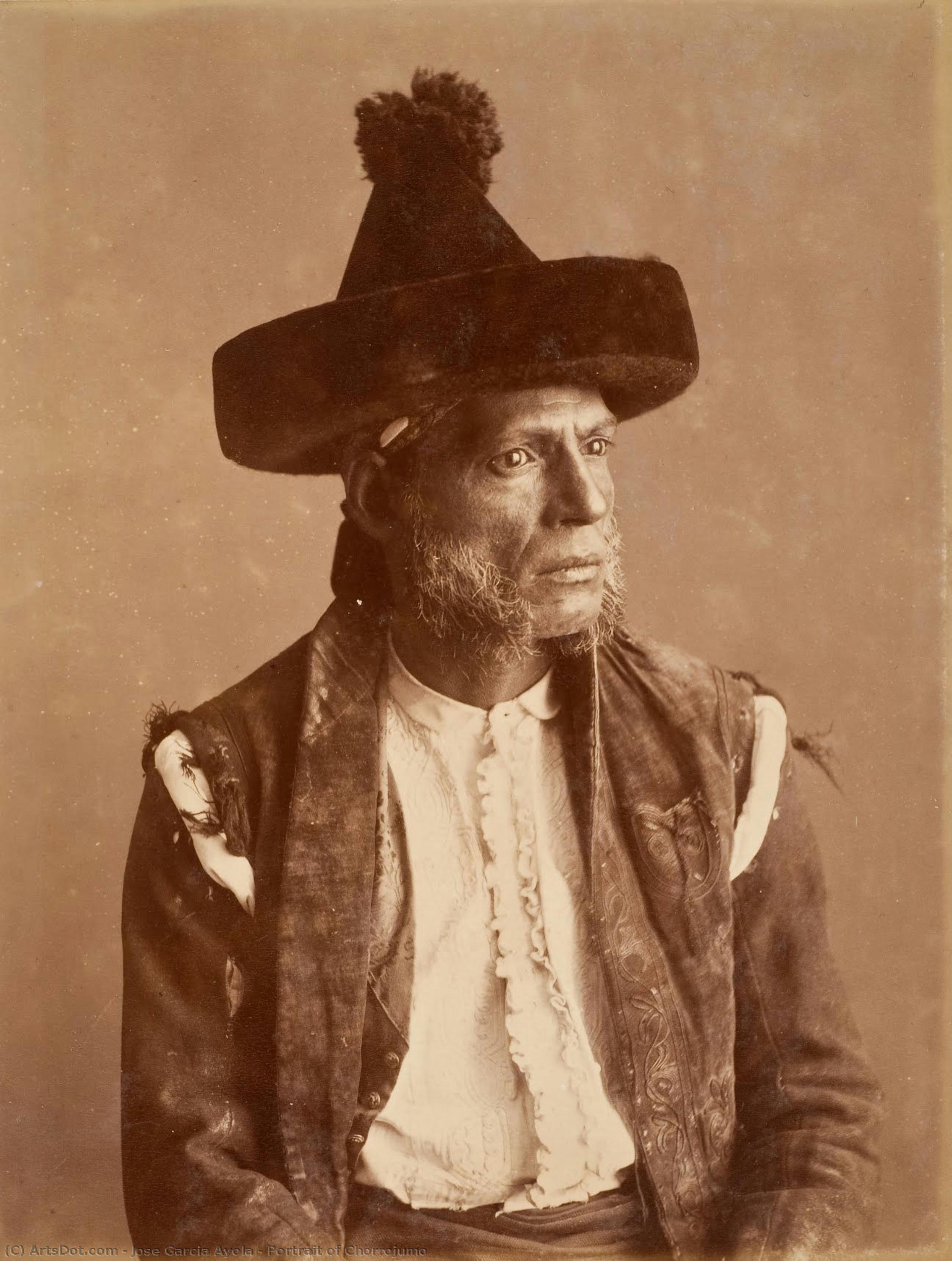
Portrait of Chorrojumo
 Black and White Photography
- Photo
 1890
1890- 19th Century
 27.0 x 21.0 cm
 Museo Casa de los Tiros de Granada
 詳細を見る
詳細を見る
オンラインプレビューをはるかに凌ぐ、高解像度で鮮明なデジタル画像をご購入いただけます。
各ファイルは、社内の専門家が高度なツールと熟練した手作業によるレタッチを用いて、細心の注意を払って準備されています。すべての画像において、卓越した鮮明度、正確な色彩再現性、そして繊細なディテールを保証いたします。
最終ファイルは、プロフェッショナルな編集・印刷環境ですぐにご利用いただけるよう最適化された状態で、72時間以内にメールにてお届けいたします。これは、一流のデザインスタジオ、出版社、ギャラリーから信頼されているものと同等の品質です。
デジタル画像のご注文に付随する特典
高品質なデジタル画像配信を、確かな品質で。
ArtsDot.com を選ぶことは、単に画像を手に入れることではありません。それは、プロの手によって精密に仕上げられ、満足保証が付いた高品質なデジタルアートワークを受け取ることを意味します。ご注文いただいた際に自動的に付随する内容は、以下の通りです:

メールですぐにお届け
ご注文から72時間以内に、高解像度のデジタル画像ファイルがメールでお手元に届きます。すぐにそのままご利用いただけます。

AI技術で最適化されたデジタルファイル
お客様の作品は、高度なAIツールと専門家による手作業の編集を組み合わせてプロフェッショナルに最適化されており、細部のディテール、鮮明さ、そして正確な色再現性を最大限に引き出しています。

一生涯無料の再送サービス
ファイルを誤って削除したり、紛失してしまったりしましたか?ご安心ください。いつでも無料で再送いたします。

輸入手数料は一切かかりません
関税や手数料、配送料を気にすることなく、お気に入りのアートワークをすぐにお楽しみいただけます。デジタルダウンロードは常に免税です。

色彩再現の保証
プロ仕様のツールとカラーマネジメント技術を用いることで、デジタル画像が元の色を最大限に忠実に再現することを保証いたします。

60日間満足保証
ご購入いただいたデジタル画像にご満足いただけない場合は、60日以内であれば、修正または100%の返金(理由を問う必要はありません)をさせていただきます。

100% 返金保証
ご満足いただけない場合は、デジタルファイルを受け取ってから60日以内であれば、理由を問わず全額返金いたします。

まとめ買い割引
3枚購入で10%OFF - 5枚購入で15%OFF - 10枚以上購入で20%OFF。クリエイティブなプロジェクト、ギャラリー、エージェンシーに最適です。
作品の詳細
A Glimpse Through the Lens of Time
In the quiet, monochromatic depths of Portrait of Chorrojumo, we are invited to step across the threshold of time and into the late nineteenth century. Captured around 1890 by the pioneering Spanish photographer José García Ayola, this evocative portrait serves as more than a mere likeness; it is a profound encounter with a vanished era. The subject, Chorrojumo, sits before the camera with a presence that commands the frame, his face framed by a magnificent, flowing beard and mustache that lend him an air of weathered wisdom. Adorned with a hat featuring a delicate feather, he embodies the rugged yet dignified character of Granada’s historical social fabric. The photograph, rendered in the timeless elegance of black and white, utilizes a rich spectrum of tonal gradients to sculpt the textures of skin, fabric, and hair, creating a sense of three-dimensional depth that feels remarkably intimate even after more than a century.
The artistry of Ayola lies in his ability to marry the technical precision of early photographic processes with the soulful sensitivity of a portrait painter. As a master of the marfilotype and a student of classical composition, Ayola understood how light could be used to narrate a life story. In this piece, the interplay of shadow and highlight does not merely illuminate the subject; it creates a psychological landscape. The soft, diffused lighting emphasizes the rugged contours of Chorrojumo’s features, suggesting a life lived with purpose and resilience. For the discerning collector or interior designer, this work offers a sophisticated focal point that brings an antique, soulful atmosphere to any space, bridging the gap between historical documentation and fine art.
Beyond its technical mastery, Portrait of Chorrojumo resonates with a deep sense of nostalgia and cultural heritage. It stands as a testament to the Romantic era's fascination with character and the human condition. To display a high-quality reproduction of this work is to curate a conversation about identity, history, and the enduring power of the gaze. Whether placed in a contemporary gallery setting or nestled within a classic study, the portrait exerts a magnetic pull, drawing the viewer into a silent dialogue with the past. It is an exquisite choice for those who seek to surround themselves with art that possesses not just aesthetic beauty, but a profound, haunting emotional resonance.
関連作品
![Rev. Peter Jones [kahkew?quon?by] — David Octavius Hill & Robert Adamson, Romanticism](/media/artworks/images-thumb/cf/5f/cf5ffc65093ee959d92afd6f9daf5719.jpg)
作家の略歴
José García Ayola: Granada’s Pioneer of Photographic Portraiture
José García Ayola (1836 – 1900) stands as a pivotal figure in the history of Granada, Spain, and indeed, Spanish photography itself. Born in Granada during the Romantic era, Ayola’s artistic vision was profoundly shaped by the city's rich cultural heritage—particularly its Moorish legacy embodied in the Alhambra palace—and he dedicated his life to documenting this splendor through meticulously crafted photographs. His studio, established around 1860, quickly became a beacon of innovation and artistry within Granada’s burgeoning visual culture.- Early Life & Influences: Ayola's upbringing instilled in him a deep appreciation for craftsmanship and artistic tradition. While biographical details remain somewhat sparse, his training likely encompassed classical drawing techniques—a cornerstone of academic art—providing him with a foundational understanding of composition and tonal manipulation.
- The Art of Marfilotypes: Ayola distinguished himself through his mastery of marfilotype printing, a technique that produced remarkably luminous images using selenium chloride emulsion on albumin paper. This method achieved unparalleled detail and tonal range compared to its contemporaries, allowing Ayola to capture the subtleties of light and shadow with exceptional accuracy—a hallmark of his distinctive style.
- A Visionary Observer: Ayola’s photographic oeuvre transcends mere documentation; it constitutes a poignant portrayal of Granada's daily life. He captured scenes from bustling marketplaces, portraits of prominent citizens – including figures like Chorrojumo – and breathtaking vistas of the Alhambra and its surrounding landscape. His compositions are imbued with an aesthetic sensibility that anticipates Impressionism, prioritizing atmosphere and emotion alongside precise representation.
Notable Achievements & Recognition
Ayola’s commitment to artistic excellence garnered considerable acclaim during his lifetime. He was awarded prizes at the Granada Exhibition of 1875 and 1880, recognizing his technical prowess and artistic vision. Furthermore, he ascended to the prestigious position of Fotógrafo de Cámara by Royal Decree, signifying the monarchy's endorsement of his work and elevating him to a position of considerable influence within Granada’s intellectual circles. His studio was recognized as one of the most influential in Granada alongside Rafael Garzón’s, cementing his legacy as a champion of photographic innovation.- Institutional Patronage: Ayola's photographs found their way into esteemed institutions such as the Patronato de la Alhambra and the Museo de la Casa de los Tiros, safeguarding Granada’s cultural treasures for posterity.
- Legacy & Influence: Today, Ayola’s work continues to inspire admiration for its artistic merit and historical significance. His pioneering use of marfilotype printing established a new standard for photographic realism, while his evocative depictions of Granada solidified his place as one of the city's foremost chroniclers—a testament to his enduring contribution to Spanish art history.
Exploring Ayola’s Artistic Style
Ayola’s artistic style can be characterized by a deliberate blend of realism and decorative sensibility. He eschewed overly stylized compositions, favoring instead carefully considered framing that emphasized the grandeur of Granada's monuments and the dignity of its inhabitants. His studio’s branding—‘Casa Árabe’—reflected this aesthetic ethos, signaling his aspiration to elevate photography beyond mere technical reproduction into a form of artistic expression worthy of royal patronage.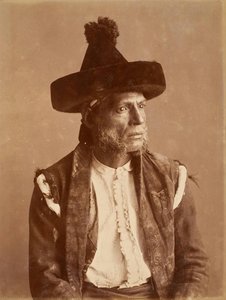
José García Ayola
1836 - 1900 , Spain
プロフィール概要
- Artistic Movement Or Style: Marfilotypes
- Date Of Birth: 1836 Granada Spain
- Date Of Death: 1900
- Full Name: José García Ayola
- Nationality: Spanish
- Notable Artworks:
- Portrait of Gypsy Girl
- Bridge over Genil River
- Portrait of Chorrojumo
- Place Of Birth: Granada Spain

