

 プレビュー
プレビュー
 プリントを購入
 シェアする
シェアする シェアする
シェアする
 詳細を見る
詳細を見る

 ダウンロード
 似ている作品
 X線調査
X線調査 スライドショー
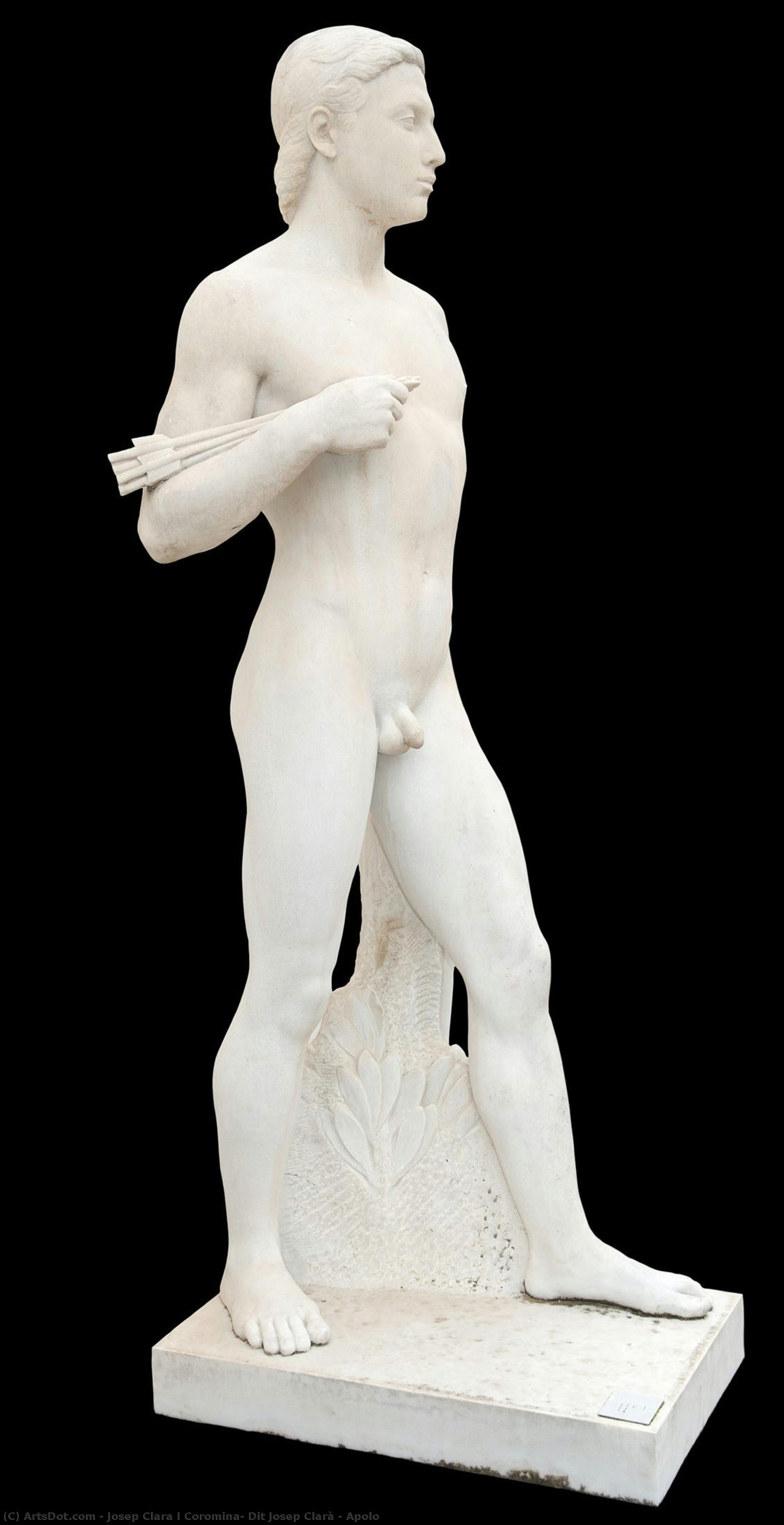
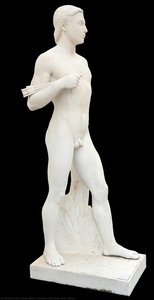
Apolo
 1934
1934 90.0 x 230.0 cm
 Vil·la Casals-Museu Pau Casals
 詳細を見る
詳細を見る




































作品のオリジナル比率に合わせた、当店の規定サイズからお選びください。

特定のフレームやスペースに合わせて、ご希望のサイズをご入力いただけます。選択されたサイズが元の画像の比率と異なる場合、アートワークをトリミングするか、手描きで要素を追加して絵画を拡張いたします。デジタルモックアップ を制作し、制作開始前にご確認(承認)をいただきます。
画面上のプレビューは、実際のトリミングや拡張を正確に反映しているものではありません。最終的な構図は、モックアップによってのみ正確にご確認いただけます。
カスタムサイズもご利用いただけますが、元の比率を維持するためには、あらかじめ用意されたリストからサイズを選択することをお勧めいたします。
ご注文後、ArtsDot.com チームより詳細な指示をお送りするとともに、仕上がりイメージ(モックアップ)をご提供いたします。


 ガラスオプションは、110cm未満のサイズでのみご利用いただけます。

Apolo
複製技法
複製画のサイズ
-


合計金額
$ 263
関連作品







アーティストの略歴
The Sculptor of Mediterranean Grace
In the quiet, artistic cradle of Olot, Girona, a profound journey began in 1878 with the birth of Josep Clarà i Ayats. His early years were marked by a burgeoning sensitivity to form and light, nurtured within the walls of the Olot School of Drawing. It was here that the mentorship of Professor Josep Berga i Boint provided the vital spark; when his youthful sketches were met with high praise from masters like Joaquim Vayreda, Clarà’s destiny as an artist was irrevocably sealed. This early validation acted as a catalyst, propelling him away from the familiar landscapes of Catalonia toward the grander, more turbulent stages of European art.
The turn of the century brought Clarà to the prestigious Toulouse École Supérieure des Beaux-Arts in France, a move that would fundamentally alter his artistic trajectory. It was during this period of intense study that he encountered the monumental presence of Auguste Rodin. The influence of the master of movement and emotion breathed life into Clarà’s ambitions, steering him away from the initial promise of painting and toward the tactile, three-dimensional world of sculpture. As he settled in Paris around 1900, his creative spirit began to absorb the cosmopolitan energy of the era, finding a profound connection with the works of Arístides Maillol and the classical rigor of Louis-Ernest Barrias.
A Synthesis of Movement and Mediterranean Soul
Clarà’s work is a captivating dialogue between the raw emotion of symbolism and the serene stability of the Mediterranean tradition. In his early Parisian years, one can sense the lingering shadows of Rodin—a fascination with the way light dances across textured surfaces to evoke human suffering and passion. This was perhaps most vividly captured in his evocative sketches and sculptures inspired by the legendary dancer Isadora Duncan; through his hands, her fluid, rhythmic movements were frozen in a state of eternal grace. Yet, as his career matured, Clarà moved toward a more purified aesthetic, heavily influenced by the Noucentisme movement.
This evolution saw him embracing a style characterized by:
- Solidity and Compactness: A departure from fragmented forms in favor of unified, powerful volumes.
- Classical Resonance: A deep reverence for Greco-Latin references that sought to idealize the human figure.
- Mediterranean Light: An ability to capture the clarity and warmth of his ancestral roots through smooth, polished surfaces.
His artistic language became one of formal synthesis, where the complexity of emotion was distilled into the purity of shape. This transition reflected a broader cultural shift in Catalonia, as he sought to find beauty in the essential, stripping away the superfluous to reveal the timeless strength of the human form.
Legacy and the Return to Catalonia
The life of Josep Clarà was one of constant movement, spanning the vibrant art capitals of London, Berlin, and Paris, and even reaching as far as the United States. His participation in the sculpture event at the 1924 Summer Olympics stands as a testament to his international standing, marking him as a sculptor of global significance. However, despite his triumphs on the world stage, a deep-seated connection to his homeland remained an unbreakable thread in his creative tapestry.
Following the political upheavals of the 1930s, Clarà made the definitive choice to return to Barcelona. This homecoming marked a monumental phase of his career, as he turned his attention to public spaces and large-scale commissions that would leave an indelible mark on the Catalan landscape. His later works, characterized by an even greater search for beauty and monumental dignity, served to anchor his legacy within the very soil from which he emerged. Today, Josep Clarà is remembered not merely as a student of the greats, but as a master who successfully synthesized the dramatic intensity of modernism with the enduring, sun-drenched elegance of the Mediterranean spirit.
josep clara i coromina, dit josep clarà
1878 - 1958 , Spain
基本情報
- Artistic Movement Or Style: Mediterranean
- Artists Or Movements Influenced By This Artist: ['Josep Berga i Boix']
- Artists Who Influenced This Artist:
- Auguste Rodin
- Louis-Ernest Barrias
- Date Of Birth: December 16, 1878
- Date Of Death: November 4, 1958
- Full Name: Josep Clarà i Ayats
- Nationality: Spanish
- Notable Artworks:
- Apolo
- Estàtica
- Place Of Birth: Olot, Spain