

 プレビュー
プレビュー
 プリントを購入
 シェアする
シェアする シェアする
シェアする
 詳細を見る
詳細を見る

 ダウンロード
 似ている作品
 X線調査
X線調査 スライドショー
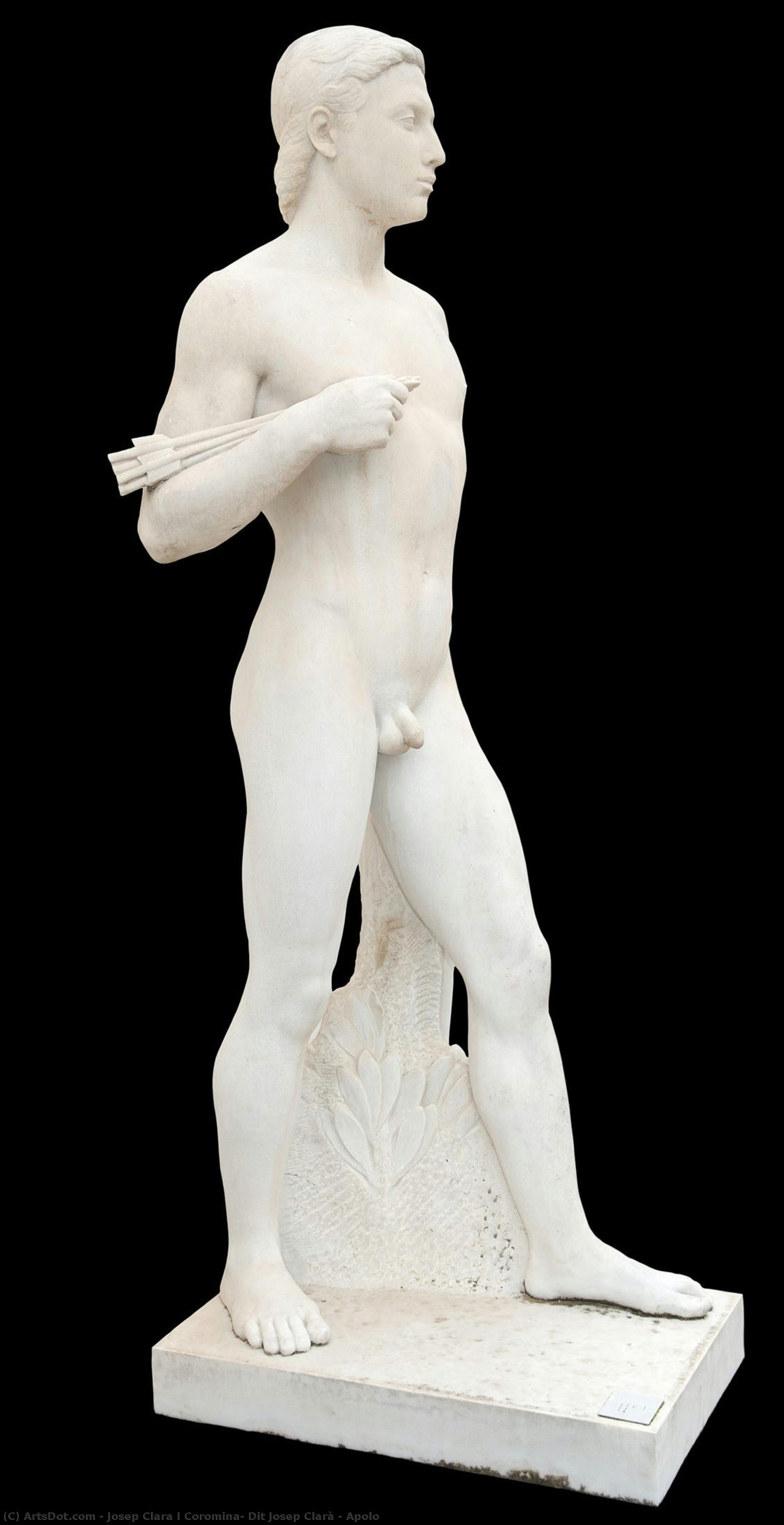
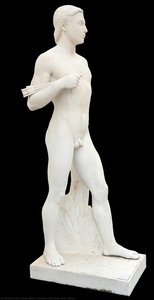
Apolo
 1934
1934 90.0 x 230.0 cm
 Vil·la Casals-Museu Pau Casals
 詳細を見る
詳細を見る
オンラインプレビューをはるかに凌ぐ、高解像度で鮮明なデジタル画像をご購入いただけます。
各ファイルは、社内の専門家が高度なツールと熟練した手作業によるレタッチを用いて、細心の注意を払って準備されています。すべての画像において、卓越した鮮明度、正確な色彩再現性、そして繊細なディテールを保証いたします。
最終ファイルは、プロフェッショナルな編集・印刷環境ですぐにご利用いただけるよう最適化された状態で、72時間以内にメールにてお届けいたします。これは、一流のデザインスタジオ、出版社、ギャラリーから信頼されているものと同等の品質です。
デジタル画像のご注文に付随する特典
高品質なデジタル画像配信を、確かな品質で。
ArtsDot.com を選ぶことは、単に画像を手に入れることではありません。それは、プロの手によって精密に仕上げられ、満足保証が付いた高品質なデジタルアートワークを受け取ることを意味します。ご注文いただいた際に自動的に付随する内容は、以下の通りです:

メールですぐにお届け
ご注文から72時間以内に、高解像度のデジタル画像ファイルがメールでお手元に届きます。すぐにそのままご利用いただけます。

AI技術で最適化されたデジタルファイル
お客様の作品は、高度なAIツールと専門家による手作業の編集を組み合わせてプロフェッショナルに最適化されており、細部のディテール、鮮明さ、そして正確な色再現性を最大限に引き出しています。

一生涯無料の再送サービス
ファイルを誤って削除したり、紛失してしまったりしましたか?ご安心ください。いつでも無料で再送いたします。

輸入手数料は一切かかりません
関税や手数料、配送料を気にすることなく、お気に入りのアートワークをすぐにお楽しみいただけます。デジタルダウンロードは常に免税です。

色彩再現の保証
プロ仕様のツールとカラーマネジメント技術を用いることで、デジタル画像が元の色を最大限に忠実に再現することを保証いたします。

100日間満足保証
ご購入いただいたデジタル画像にご満足いただけない場合は、100日以内であれば、理由を問わず修正または100%の返金対応をさせていただきます。

100% 返金保証
ご満足いただけない場合は、デジタルファイルを受け取ってから100日以内であれば、理由を問わず全額返金いたします。

まとめ買い割引
3枚購入で10%OFF - 5枚購入で15%OFF - 10枚以上購入で20%OFF。クリエイティブなプロジェクト、ギャラリー、エージェンシーに最適です。
関連作品







作家の略歴
The Sculptor of Mediterranean Grace
In the quiet, artistic cradle of Olot, Girona, a profound journey began in 1878 with the birth of Josep Clarà i Ayats. His early years were marked by a burgeoning sensitivity to form and light, nurtured within the walls of the Olot School of Drawing. It was here that the mentorship of Professor Josep Berga i Boint provided the vital spark; when his youthful sketches were met with high praise from masters like Joaquim Vayreda, Clarà’s destiny as an artist was irrevocably sealed. This early validation acted as a catalyst, propelling him away from the familiar landscapes of Catalonia toward the grander, more turbulent stages of European art.
The turn of the century brought Clarà to the prestigious Toulouse École Supérieure des Beaux-Arts in France, a move that would fundamentally alter his artistic trajectory. It was during this period of intense study that he encountered the monumental presence of Auguste Rodin. The influence of the master of movement and emotion breathed life into Clarà’s ambitions, steering him away from the initial promise of painting and toward the tactile, three-dimensional world of sculpture. As he settled in Paris around 1900, his creative spirit began to absorb the cosmopolitan energy of the era, finding a profound connection with the works of Arístides Maillol and the classical rigor of Louis-Ernest Barrias.
A Synthesis of Movement and Mediterranean Soul
Clarà’s work is a captivating dialogue between the raw emotion of symbolism and the serene stability of the Mediterranean tradition. In his early Parisian years, one can sense the lingering shadows of Rodin—a fascination with the way light dances across textured surfaces to evoke human suffering and passion. This was perhaps most vividly captured in his evocative sketches and sculptures inspired by the legendary dancer Isadora Duncan; through his hands, her fluid, rhythmic movements were frozen in a state of eternal grace. Yet, as his career matured, Clarà moved toward a more purified aesthetic, heavily influenced by the Noucentisme movement.
This evolution saw him embracing a style characterized by:
- Solidity and Compactness: A departure from fragmented forms in favor of unified, powerful volumes.
- Classical Resonance: A deep reverence for Greco-Latin references that sought to idealize the human figure.
- Mediterranean Light: An ability to capture the clarity and warmth of his ancestral roots through smooth, polished surfaces.
His artistic language became one of formal synthesis, where the complexity of emotion was distilled into the purity of shape. This transition reflected a broader cultural shift in Catalonia, as he sought to find beauty in the essential, stripping away the superfluous to reveal the timeless strength of the human form.
Legacy and the Return to Catalonia
The life of Josep Clarà was one of constant movement, spanning the vibrant art capitals of London, Berlin, and Paris, and even reaching as far as the United States. His participation in the sculpture event at the 1924 Summer Olympics stands as a testament to his international standing, marking him as a sculptor of global significance. However, despite his triumphs on the world stage, a deep-seated connection to his homeland remained an unbreakable thread in his creative tapestry.
Following the political upheavals of the 1930s, Clarà made the definitive choice to return to Barcelona. This homecoming marked a monumental phase of his career, as he turned his attention to public spaces and large-scale commissions that would leave an indelible mark on the Catalan landscape. His later works, characterized by an even greater search for beauty and monumental dignity, served to anchor his legacy within the very soil from which he emerged. Today, Josep Clarà is remembered not merely as a student of the greats, but as a master who successfully synthesized the dramatic intensity of modernism with the enduring, sun-drenched elegance of the Mediterranean spirit.
josep clara i coromina, dit josep clarà
1878 - 1958 , Spain
プロフィール概要
- Artistic Movement Or Style: Mediterranean
- Artists Or Movements Influenced By This Artist: ['Josep Berga i Boix']
- Artists Who Influenced This Artist:
- Auguste Rodin
- Louis-Ernest Barrias
- Date Of Birth: December 16, 1878
- Date Of Death: November 4, 1958
- Full Name: Josep Clarà i Ayats
- Nationality: Spanish
- Notable Artworks:
- Apolo
- Estàtica
- Place Of Birth: Olot, Spain