

 プレビュー
プレビュー
 プリントを購入
 シェアする
シェアする シェアする
シェアする
 詳細を見る
詳細を見る

 ダウンロード
 似ている作品
 X線調査
X線調査 スライドショー
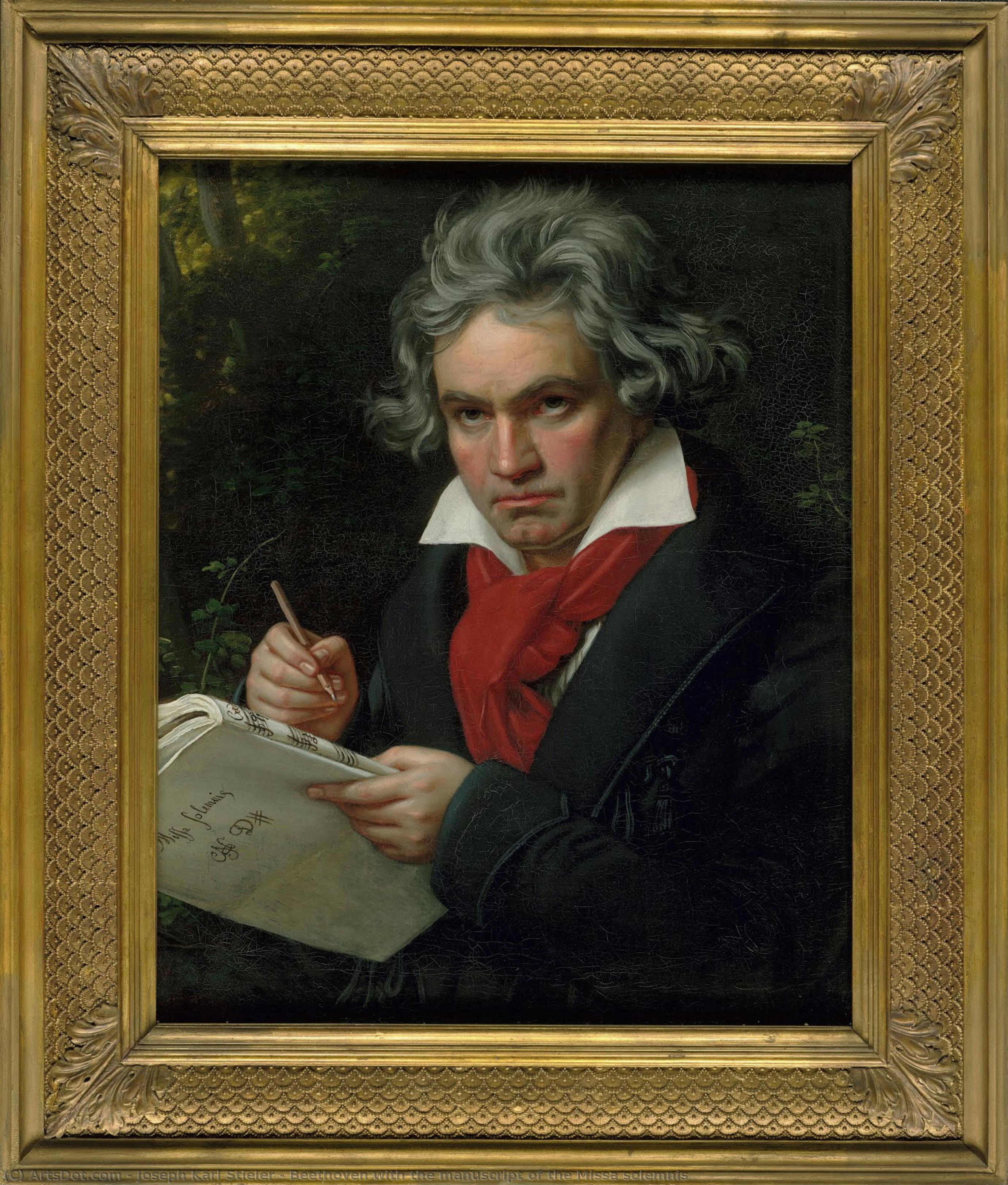
Beethoven with the manuscript of the Missa solemnis
 Oil On Canvas
- WallArt
- Neoclassicism
 1820
1820- 19th Century
 72.0 x 58.0 cm
 Beethoven-Haus Bonn
 詳細を見る
詳細を見る
オンラインプレビューをはるかに凌ぐ、高解像度で鮮明なデジタル画像をご購入いただけます。
各ファイルは、社内の専門家が高度なツールと熟練した手作業によるレタッチを用いて、細心の注意を払って準備されています。すべての画像において、卓越した鮮明度、正確な色彩再現性、そして繊細なディテールを保証いたします。
最終ファイルは、プロフェッショナルな編集・印刷環境ですぐにご利用いただけるよう最適化された状態で、72時間以内にメールにてお届けいたします。これは、一流のデザインスタジオ、出版社、ギャラリーから信頼されているものと同等の品質です。
デジタル画像のご注文に付随する特典
高品質なデジタル画像配信を、確かな品質で。
ArtsDot.com を選ぶことは、単に画像を手に入れることではありません。それは、プロの手によって精密に仕上げられ、満足保証が付いた高品質なデジタルアートワークを受け取ることを意味します。ご注文いただいた際に自動的に付随する内容は、以下の通りです:

メールですぐにお届け
ご注文から72時間以内に、高解像度のデジタル画像ファイルがメールでお手元に届きます。すぐにそのままご利用いただけます。

AI技術で最適化されたデジタルファイル
お客様の作品は、高度なAIツールと専門家による手作業の編集を組み合わせてプロフェッショナルに最適化されており、細部のディテール、鮮明さ、そして正確な色再現性を最大限に引き出しています。

一生涯無料の再送サービス
ファイルを誤って削除したり、紛失してしまったりしましたか?ご安心ください。いつでも無料で再送いたします。

輸入手数料は一切かかりません
関税や手数料、配送料を気にすることなく、お気に入りのアートワークをすぐにお楽しみいただけます。デジタルダウンロードは常に免税です。

色彩再現の保証
プロ仕様のツールとカラーマネジメント技術を用いることで、デジタル画像が元の色を最大限に忠実に再現することを保証いたします。

60日間満足保証
ご購入いただいたデジタル画像にご満足いただけない場合は、60日以内であれば、修正または100%の返金(理由を問う必要はありません)をさせていただきます。

100% 返金保証
ご満足いただけない場合は、デジタルファイルを受け取ってから60日以内であれば、理由を問わず全額返金いたします。

まとめ買い割引
3枚購入で10%OFF - 5枚購入で15%OFF - 10枚以上購入で20%OFF。クリエイティブなプロジェクト、ギャラリー、エージェンシーに最適です。
A Moment Frozen in Genius
In the quiet intensity of this 1820 masterpiece by Joseph Karl Stieler, we are invited into the private, cerebral world of one of history's most formidable minds. Beethoven with the manuscript of the Missa solemnis is far more than a mere portrait; it is a profound psychological study of Ludwig van Beethoven during his later years. The composer is captured in a moment of deep contemplation, surrounded by the physical remnants of his creative struggle. Stieler, a master of Neoclassical precision, uses light and shadow to pull the viewer into the composer's orbit, making us feel like silent witnesses to the birth of musical greatness. The presence of scattered books and a solitary pencil suggests a mind that never rests, an intellect constantly navigating the complex architecture of sound and notation.
The composition is rich with symbolic weight, grounding the legendary figure in his scholarly environment. As Beethoven sits amidst his manuscripts, the Missa solemnis—one of his most monumental choral works—serves as a silent protagonist in the scene. The red cravat around his neck provides a striking splash of color against the more muted, academic tones of the room, drawing the eye toward the subject's face and the intensity of his gaze. This careful arrangement of objects—the books positioned at the corners and the center of the frame—creates a sense of depth and intellectual density, suggesting that for Beethoven, music was not merely an art form but a profound philosophical pursuit.
The Mastery of Stieler’s Neoclassical Vision
Technically, the painting exemplifies the refined elegance that made Joseph Karl Stieler the preferred portraitist for the Bavarian monarchy. His ability to render textures—the heavy paper of the manuscripts, the soft fabric of the clothing, and the weathered skin of the aging composer—demonstrates a virtuosity that transcends simple representation. The lighting is particularly evocative, casting a soft glow that highlights the furrowed brow of Beethoven, emphasizing the weight of his genius and the physical toll of his deafness. This mastery of light creates an atmosphere of reverence, transforming a studio portrait into a monumental tribute to human perseverance.
For collectors and interior designers, this work offers a sophisticated focal point that commands attention through its historical gravity and emotional depth. A high-quality reproduction of this piece brings a sense of timelessness and intellectual prestige to any space, whether it be a private library, a formal study, or an elegant living area. It is a conversation piece that speaks of legacy, the enduring power of art, and the beautiful struggle of the creative spirit. To hang this portrait is to invite the presence of greatness into one's home, surrounding oneself with the echoes of Beethoven’s eternal melodies.
関連作品



作家の略歴
The Master of Bavarian Elegance
In the grand tapestry of nineteenth-century European art, few threads shine with as much refined luster as the works of Joseph Karl Stieler. Born in November 1781 in the historic city of Mainz, Stieler was destined for a life steeped in the meticulous traditions of craftsmanship. His father, August Friedrich Stieler, was a respected engraver and punchcutter, providing the young artist with an early education in the precision and delicate detail that would later become the hallmarks of his Neoclassical mastery. This foundation in printmaking allowed Stieler to develop an extraordinary eye for line and texture, qualities that would eventually elevate him from a skilled craftsman to the most prestigious portraitist of the Bavarian court.
Stieler’s artistic evolution was shaped by the great intellectual and aesthetic currents of his era. His journey took him from the rigorous academic environment of the Vienna Academy of Fine Arts, where he studied under Heinrich Füger, to the vibrant, revolutionary atmosphere of Paris. It was in the Parisian atelier of François Gérard that Stieler truly found his voice. Immersed in the Neoclassical style and influenced by the monumental legacy of Jacques-Louis David, he learned to balance classical idealism with a profound sense of psychological depth. This period of intense study allowed him to master the subtle interplay of light and shadow, a technique he would later use to breathe life into the faces of royalty and luminaries alike.
A Legacy of Beauty and Brilliance
The zenith of Stieler’s career was defined by his unparalleled relationship with the Bavarian monarchy. Serving as the Royal Court Painter from 1820 until 1855, he became the visual chronicler of an era. His most enduring achievement remains the Schönheitengalerie, or the Gallery of Beauties, housed within the Nymphenburg Palace in Munich. This breathtaking collection of portraits, featuring the most notable noblewomen of the age, stands as a testament to his ability to capture not just physical grace, but a sense of timeless, aristocratic dignity. Through these works, Stieler achieved a level of Neoclassical grandeur that remains unparalleled in German portraiture.
Beyond the halls of royalty, Stieler possessed a unique ability to capture the essence of the era's most iconic figures. His portrait of Ludwig van Beethoven, depicting the composer with the manuscript of his Missa solemnis, remains one of the most recognizable and emotionally resonant depictions in musical history. In this work, Stieler moves beyond mere likeness to capture the very intensity and late-period struggle of the maestro. Whether portraying the scandalous allure of Lola Montez or the serene elegance of aristocratic ladies like Maria Amalia, Stieler’s brushwork consistently achieved a delicate balance of technical perfection and soulful expression.
The historical significance of Joseph Karl Stieler extends far beyond the borders of Bavaria. His works are preserved today in some of the world's most esteemed institutions, including:
- The Hermitage Museum in St. Petersburg
- The Neue Pinakothek in Munich
- The Walters Art Museum in Baltimore
- The Finnish National Gallery in Helsinki
As we look back upon his life, we see an artist who did more than simply record faces; he captured the spirit of a century. Through his precise draughtsmanship and subtle tonal gradations, Stieler transformed the ephemeral beauty of his subjects into permanent icons of art history, ensuring that the elegance of the Bavarian court would never fade from the collective memory of the world.

Joseph Karl Stieler
1781 - 1858
プロフィール概要
- Artistic Movement Or Style: Neoclassical
- Artists Or Movements Influenced By This Artist: ['Jacques-Louis David']
- Artists Who Influenced This Artist: ['Heinrich Füger']
- Date Of Birth: 1781
- Date Of Death: 1858
- Full Name: Joseph Karl Stieler
- Nationality: German
- Notable Artworks:
- Gallery of Beauties
- Beethoven Portrait
- Place Of Birth: Mainz, Germany

