

 プレビュー
プレビュー
 プリントを購入
 シェアする
シェアする シェアする
シェアする
 詳細を見る
詳細を見る

 ダウンロード
 似ている作品
 X線調査
X線調査 スライドショー
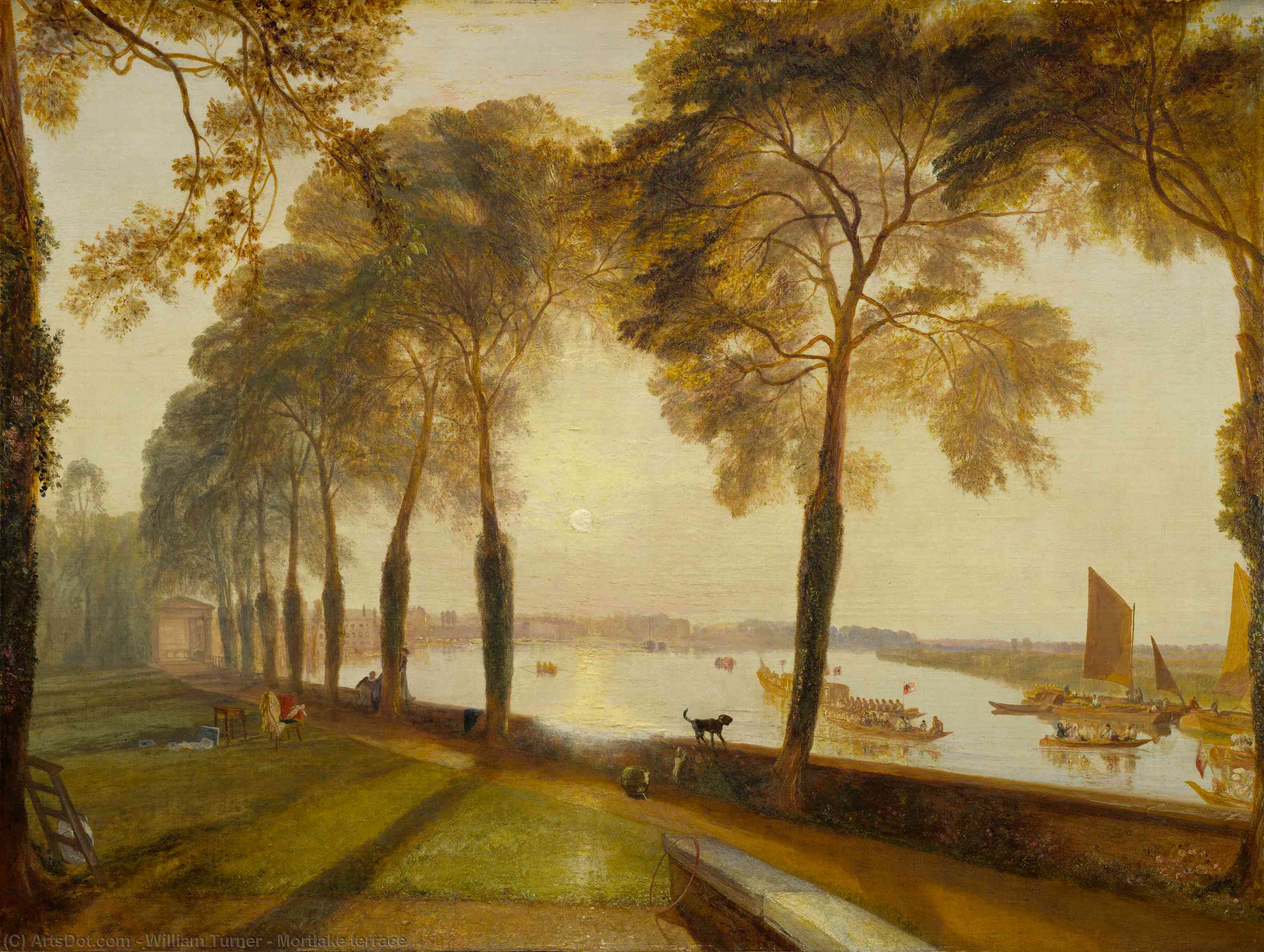
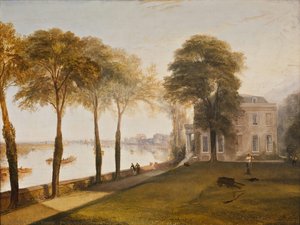
Mortlake terrace

 詳細を見る
詳細を見る
オンラインプレビューをはるかに凌ぐ、高解像度で鮮明なデジタル画像をご購入いただけます。
各ファイルは、社内の専門家が高度なツールと熟練した手作業によるレタッチを用いて、細心の注意を払って準備されています。すべての画像において、卓越した鮮明度、正確な色彩再現性、そして繊細なディテールを保証いたします。
最終ファイルは、プロフェッショナルな編集・印刷環境ですぐにご利用いただけるよう最適化された状態で、72時間以内にメールにてお届けいたします。これは、一流のデザインスタジオ、出版社、ギャラリーから信頼されているものと同等の品質です。
デジタル画像のご注文に付随する特典
高品質なデジタル画像配信を、確かな品質で。
ArtsDot.com を選ぶことは、単に画像を手に入れることではありません。それは、プロの手によって精密に仕上げられ、満足保証が付いた高品質なデジタルアートワークを受け取ることを意味します。ご注文いただいた際に自動的に付随する内容は、以下の通りです:

メールですぐにお届け
ご注文から72時間以内に、高解像度のデジタル画像ファイルがメールでお手元に届きます。すぐにそのままご利用いただけます。

AI技術で最適化されたデジタルファイル
お客様の作品は、高度なAIツールと専門家による手作業の編集を組み合わせてプロフェッショナルに最適化されており、細部のディテール、鮮明さ、そして正確な色再現性を最大限に引き出しています。

一生涯無料の再送サービス
ファイルを誤って削除したり、紛失してしまったりしましたか?ご安心ください。いつでも無料で再送いたします。

輸入手数料は一切かかりません
関税や手数料、配送料を気にすることなく、お気に入りのアートワークをすぐにお楽しみいただけます。デジタルダウンロードは常に免税です。

色彩再現の保証
プロ仕様のツールとカラーマネジメント技術を用いることで、デジタル画像が元の色を最大限に忠実に再現することを保証いたします。

60日間満足保証
ご購入いただいたデジタル画像にご満足いただけない場合は、60日以内であれば、修正または100%の返金(理由を問う必要はありません)をさせていただきます。

100% 返金保証
ご満足いただけない場合は、デジタルファイルを受け取ってから60日以内であれば、理由を問わず全額返金いたします。

まとめ買い割引
3枚購入で10%OFF - 5枚購入で15%OFF - 10枚以上購入で20%OFF。クリエイティブなプロジェクト、ギャラリー、エージェンシーに最適です。
作品の詳細
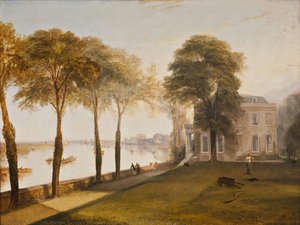
Mortlake Terrace: A Symphony of Light by William Turner
- Subject Matter: "Mortlake Terrace," painted circa 1826 by the visionary William Turner, is more than just a depiction of a riverside scene; it’s an immersive experience. The artwork captures the tranquil beauty of Mortlake, focusing on the Thames River and its surrounding landscape during what Turner masterfully portrays as an early summer morning. The composition deliberately guides the viewer's eye along the river’s flow, culminating in the distant view of Barnes Terrace – a subtle detail that adds depth and narrative to the piece.
- Turner’s Signature Style: As with much of Turner’s work, “Mortlake Terrace” exemplifies his revolutionary approach to landscape painting. He wasn't simply aiming for realistic representation; he sought to convey *feeling*, to capture the ephemeral quality of light and atmosphere. This is immediately evident in his bold use of color – predominantly soft blues and greens – which evoke a sense of serenity and calm. The brushstrokes are not delicate or precise, but rather confident and expressive, creating a dynamic surface that seems to shimmer with reflected light.
Historical Context and the Romantic Era
- The Royal Academy Exhibition: This painting was originally exhibited at the 1826 Summer Exhibition held at Somerset House, the prestigious venue for showcasing new artistic talent in Britain. Such exhibitions were pivotal moments in shaping public taste and establishing reputations within the art world.
- A Glimpse into Victorian Life: “Mortlake Terrace” offers a fascinating window into the lives of the wealthy elite during the early 19th century. The house depicted, owned by William Moffat, represents the grand estates and leisure activities enjoyed by those at the top of British society. Turner’s ability to capture this atmosphere – the quietude of the riverbank, the presence of boats and figures engaged in peaceful pursuits – speaks volumes about the social landscape of the time.
- Romanticism's Influence: The painting is firmly rooted within the Romantic movement, a period characterized by an emphasis on emotion, imagination, and the sublime power of nature. Turner was a key figure in this movement, rejecting the classical ideals of restraint and order in favor of a more expressive and subjective approach to art.
Technique and Artistic Innovation
- Masterful Use of Light: Turner’s most celebrated skill lies in his ability to capture the play of light on water, creating an almost three-dimensional effect. The shimmering reflections, achieved through carefully layered brushstrokes and a deep understanding of optics, are truly remarkable. This technique elevates the painting beyond a simple landscape depiction, transforming it into a study of light itself.
- Color as Emotion: Turner’s palette isn't merely decorative; it’s deeply expressive. The colors aren’t chosen for their literal representation of reality but rather for their ability to evoke specific emotions and sensations. The cool blues and greens contribute to the painting’s overall sense of tranquility, while subtle variations in tone create a dynamic interplay of light and shadow.
Collecting and Appreciating a Turner Reproduction
ArtsDot.com offers meticulously crafted oil reproduction of William Turner's "Mortlake Terrace," capturing the essence of this iconic artwork with unparalleled detail and fidelity. Each reproduction is hand-painted by skilled artisans, ensuring that every brushstroke and color nuance faithfully replicates the original masterpiece.- Authentic Reproduction: Experience the beauty and power of Turner’s vision in a high-quality, museum-level reproduction.
- Perfect for Interior Design: This artwork is ideal for adding a touch of elegance and sophistication to any interior space.
関連作品
作家の略歴
The Luminary of Light: A Journey Through the Life and Art of J.M.W. Turner
Joseph Mallord William Turner, a name synonymous with the sublime power of landscape and the evocative dance of light, remains one of Britain’s most celebrated and influential artists. Born in Covent Garden, London, in 1775, Turner's journey from a barber’s son to a master painter was fueled by an innate talent, relentless dedication, and a visionary spirit that would forever alter the course of art history. From his earliest days sketching architectural details to his later, almost abstract explorations of atmosphere and color, Turner consistently pushed the boundaries of artistic expression. His formal training began at the Royal Academy Schools in 1789, where he quickly distinguished himself as a promising student. However, Turner was not content with merely replicating established styles; he sought to capture the very essence of nature – its raw power, its fleeting beauty, and its inherent drama. Early works reveal a meticulous attention to topographical detail, reflecting the prevailing artistic tastes of the time. Yet, even in these early pieces, hints of his future direction are visible—a sensitivity to light and shadow, a willingness to experiment with color, and an emerging fascination with the sublime. He was particularly drawn to the Dutch Golden Age painting style, absorbing influences from artists like Rembrandt and Vermeer.The Evolution of a Visionary: From Topography to Transcendence
Turner’s artistic development was marked by constant experimentation and a growing desire to move beyond mere representation. Influenced by masters like Claude Lorrain and J.M.W. Cozens, he began to infuse his landscapes with a romantic sensibility, emphasizing emotional response over precise depiction. His travels throughout Europe, beginning in 1802, proved pivotal, exposing him to diverse landscapes and inspiring new approaches to composition and color. He wasn’t simply recording what he saw; he was interpreting it through the lens of his own unique vision. These expeditions took him to Italy, Switzerland, Germany, and Norway, where he meticulously documented breathtaking vistas and absorbed inspiration from local artistic traditions. The early 19th century witnessed a shift in Turner's style towards greater expressiveness. His seascapes, in particular, became increasingly dramatic, capturing the fury and majesty of the ocean with unprecedented intensity. Paintings like “The Fighting Temeraire Tugged to Her Last Berth to Be Broken Up” (1839) are not merely depictions of a ship being towed to its final resting place; they are poignant meditations on mortality, loss, and the relentless march of progress. The use of light in this work is particularly striking—a golden sunset casting a melancholic glow over the scene, symbolizing the passing of an era. Turner skillfully employed dramatic chiaroscuro techniques, highlighting the interplay between darkness and illumination to heighten emotional impact.A Master of Atmosphere: Light, Color, and the Sublime
Turner’s later works are characterized by an almost radical departure from traditional artistic conventions. He increasingly prioritized atmosphere and color over form and detail, creating paintings that seem to dissolve into pure light and energy. Works like “Rain, Steam and Speed – The Great Western Railway” (1844) exemplify this approach—a swirling vortex of color and motion that captures the dynamism of the industrial age. Critics were often baffled by these later works, but their influence on subsequent generations of artists would prove profound. He was a pioneer in exploring the effects of light and atmosphere, anticipating the Impressionists’ focus on capturing fleeting moments and subjective perceptions. His use of color was equally innovative—bold, vibrant hues applied with loose brushstrokes to create a sense of movement and energy. Turner wasn't simply painting landscapes; he was attempting to convey the very *feeling* of being in nature – the awe, the wonder, the terror.Turner’s unwavering commitment to artistic vision cemented his place as one of Britain’s greatest painters. He established himself as a leading figure in the Romantic movement, shaping its aesthetic sensibilities and inspiring countless artists who followed in his wake. His legacy continues to resonate today, reminding us that art can transcend mere representation—that it can capture the sublime beauty of the natural world and evoke profound emotional responses.
Notable Works & Collections
- The Morning After the Deluge (1843): A powerful depiction of nature’s forces, housed in the Tate Collection, London.
- Chichester Canal (1828): Commissioned by George Wyndham, currently at the Tate Collection.
- Ruins of Tintern Abbey: A stunning watercolor showcasing his mastery of light and atmosphere, found in the Calouste Gulbenkian Museum (Lisboa, Portugal).
- The Fighting Temeraire Tugged to Her Last Berth to Be Broken Up (1839): A poignant masterpiece exploring themes of loss and change.
- Rain, Steam and Speed – The Great Western Railway (1844): Capturing the dynamism of the industrial age with swirling color and motion.
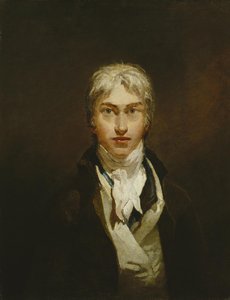
ウィリアム・ターナー
1775 - 1851 , イギリス
プロフィール概要
- Artistic Movement Or Style: ロマン主義絵画
- Artists Or Movements Influenced By This Artist: ['クロード・ローラン']
- Date Of Birth: 1775年4月23日
- Date Of Death: 1851年12月19日
- Full Name: ジョゼフ・マロード・ウィリアム・ターナー
- Nationality: イギリス人
- Notable Artworks:
- 嵐 - グレート・ウェスタン鉄道
- 戦闘テメライア
- Place Of Birth: ロンドン、イギリス

