

 プレビュー
プレビュー
 プリントを購入
 シェアする
シェアする シェアする
シェアする
 詳細を見る
詳細を見る

 ダウンロード
 似ている作品
 X線調査
X線調査 スライドショー
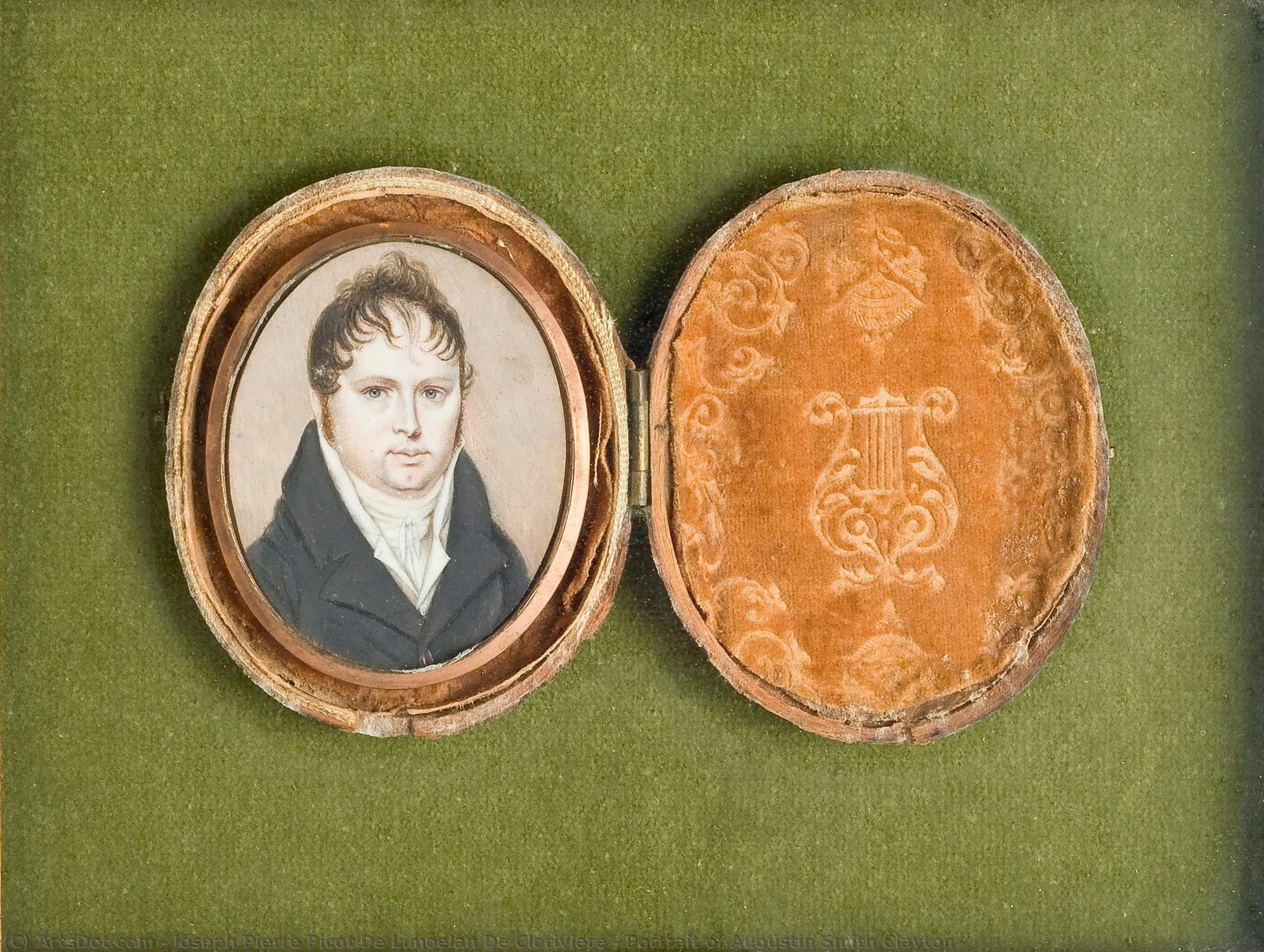
Portrait of Augustin Smith Clayton


 詳細を見る
詳細を見る




































作品のオリジナル比率に合わせた、当店の規定サイズからお選びください。

特定のフレームやスペースに合わせて、ご希望のサイズをご入力いただけます。選択されたサイズが元の画像の比率と異なる場合、アートワークをトリミングするか、手描きで要素を追加して絵画を拡張いたします。デジタルモックアップ を制作し、制作開始前にご確認(承認)をいただきます。
画面上のプレビューは、実際のトリミングや拡張を正確に反映しているものではありません。最終的な構図は、モックアップによってのみ正確にご確認いただけます。
カスタムサイズもご利用いただけますが、元の比率を維持するためには、あらかじめ用意されたリストからサイズを選択することをお勧めいたします。
ご注文後、ArtsDot.com チームより詳細な指示をお送りするとともに、仕上がりイメージ(モックアップ)をご提供いたします。


 ガラスオプションは、110cm未満のサイズでのみご利用いただけます。

Portrait of Augustin Smith Clayton
複製技法
複製画のサイズ
-


合計金額
$ 263
関連作品


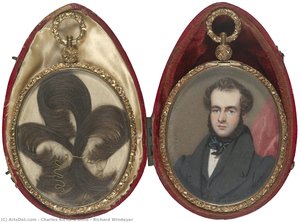
アーティストの略歴
A Life Forged in Revolution: The Remarkable Journey of Joseph-Pierre Picot de Limoëlan de Clorivière
Joseph-Pierre Picot de Limoëlan de Clorivière’s life reads like a captivating novel, a tale woven with threads of military service, political intrigue, and an unexpected artistic blossoming. Born in the small French town of Broons in 1768, his early years offered little hint of the extraordinary path he would take. The tumultuous era of the French Revolution cast a long shadow over his youth, inevitably shaping his destiny. He entered the military, a common trajectory for young men of his standing, but fate intervened in a dramatic fashion. Accusations of involvement in a conspiracy to assassinate Napoleon Bonaparte forced him into exile in 1803, an event that irrevocably altered the course of his life and ultimately led him across the Atlantic to America.From Soldier to Miniature Portraitist: A New Artistic Calling
Arriving in the United States, Picot de Limoëlan de Clorivière found himself a stranger in a new land, compelled to forge a new identity and livelihood. He initially settled in Savannah, Georgia, where he began to practice his skills as a miniaturist. This transition from soldier to artist was not merely a change of profession but a profound reinvention. Miniature portraiture, popular among the burgeoning American elite, offered him both financial stability and an outlet for his keen observational abilities. His work quickly gained recognition for its delicate precision and remarkable likenesses. He moved on to Baltimore, Maryland, further establishing himself as a sought-after artist during the first decades of the 19th century. The intimacy of the miniature form allowed Picot de Limoëlan de Clorivière to capture not just physical appearances but also subtle nuances of character and social standing—a skill honed perhaps by years spent observing individuals within the rigid hierarchies of European society.The Art of Ivory: Technique and Style
Picot de Limoëlan de Clorivière specialized in watercolor portraits painted on ivory, a demanding medium that required exceptional technical mastery. The smooth, non-porous surface of ivory allowed for an unparalleled level of detail and luminosity. His technique involved meticulous layering of translucent washes, building up form and color with painstaking care. He possessed a remarkable ability to render textures—the sheen of silk, the softness of skin, the sparkle in an eye—with astonishing realism. While influenced by European portrait traditions, his style evolved to reflect American sensibilities, embracing a more direct and unadorned approach. His portraits are characterized by their clarity of line, subtle modeling, and a quiet dignity that speaks volumes about the sitters he portrayed. The *Portrait of Mrs. Phineas Miller (Catherine Littlefield)*, circa 1806, exemplifies his skill—a captivating depiction of a woman whose inner life seems to radiate from the delicate ivory surface.A Legacy Beyond the Canvas: Faith and Final Years
Picot de Limoëlan de Clorivière’s story took another unexpected turn in 1812 when he became a pastor in Charleston, South Carolina. Though he continued to paint sporadically during this period, his artistic output diminished as his religious duties consumed his time and energy. Later, he accepted the position of chaplain at The Visitation Monastery in Georgetown, D.C., where he spent his final years. This transition reflects a deep spiritual dimension to his character—a search for meaning beyond the world of art and politics that had defined much of his life. He died in Washington, D.C., in 1826, leaving behind a small but significant body of work that offers a unique glimpse into the lives of early American society.Historical Significance: A Transatlantic Artist
Joseph-Pierre Picot de Limoëlan de Clorivière occupies a fascinating position in art history as a transatlantic artist whose life bridged two worlds—the Old World of European tradition and the New World of burgeoning American identity. His story is a testament to the resilience of the human spirit, the power of reinvention, and the enduring allure of artistic expression. He wasn’t merely a painter; he was a soldier, an exile, a clergyman—a man whose life experiences profoundly shaped his art. His miniatures offer more than just portraits; they are windows into a pivotal moment in history, capturing the faces and stories of individuals who helped shape a nation. His work continues to be celebrated for its technical brilliance, artistic sensitivity, and the captivating narrative it embodies—a life forged in revolution, transformed by exile, and ultimately dedicated to the pursuit of beauty and spiritual fulfillment. His legacy reminds us that art is not simply about aesthetics but also about the human stories behind the canvas.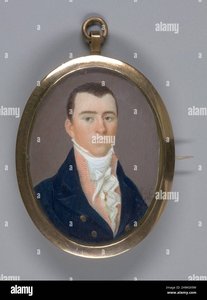
joseph pierre picot de limoelan de cloriviere
1768 - 1826 , France
基本情報
- Artistic Movement Or Style: Miniature portraiture
- Date Of Birth: 1768
- Date Of Death: 1826
- Full Name: Joseph-Pierre Picot de Limoëlan de Clorivière
- Nationality: French
- Notable Artworks:
- Mrs. Phineas Miller (c. 1806)
- Portrait of a Lady (ca. 1808)
- Place Of Birth: Brune, France
関連記事
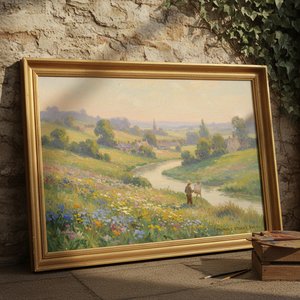
Thomas Stuart Smith: A Study in British Impressionism & the Poetic Landscape
Explore the captivating world of Thomas Stuart Smith (1815-1869), a Scottish painter bridging Romantic realism and British Impressionism. Discover his genre scenes, philanthropic legacy & stunning interiors.
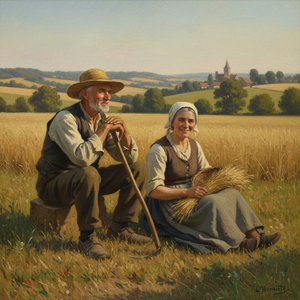
Léon Augustin L'Hermitte: Capturing the Soul of French Rural Life
Discover the captivating realist paintings of Léon Augustin L'Hermitte, masterfully depicting French rural life. Explore his technique, influences & legacy – a cornerstone of 19th-century art.

レオナルド・ダ・ヴィンチ:至高の25選 - 芸術、科学、そして不朽の名作の世界
レオナルド・ダ・ヴィンチの至宝25選。モナリザ、最後の晩餐…ルネサンス美術を代表する名画の世界へ。芸術史、技法、そして感動の物語を紐解き、お部屋に飾る高級複製画で特別な空間を。ArtsDot.comで全コレクションをご覧ください。

Witnessing History Through Lens & Light: Documentary Photography's Enduring Legacy
Explore the powerful history of documentary photography – from its origins to contemporary masters like Gordon Parks & W. Eugene Smith. Discover how this art form shapes our understanding of society and witness pivotal moments in time.
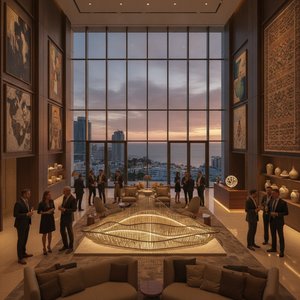
プロアートギャラリーが世界を舞台に!高ボリューム販売と専門ツールで集客拡大―エリートコレクターのための永続的投資戦略
プロアートギャラリーが世界を舞台に、エリートコレクター向け高品質オイル再現と専門ツールで集客拡大。経験豊富な職人が手掛ける永続的価値の投資作品は、信頼と卓越したアート体験を保証します。

