 プレビュー
プレビュー
 プリントを購入
 シェアする
シェアする シェアする
シェアする
 詳細を見る
詳細を見る

 ダウンロード
 似ている作品
 X線調査
X線調査 スライドショー
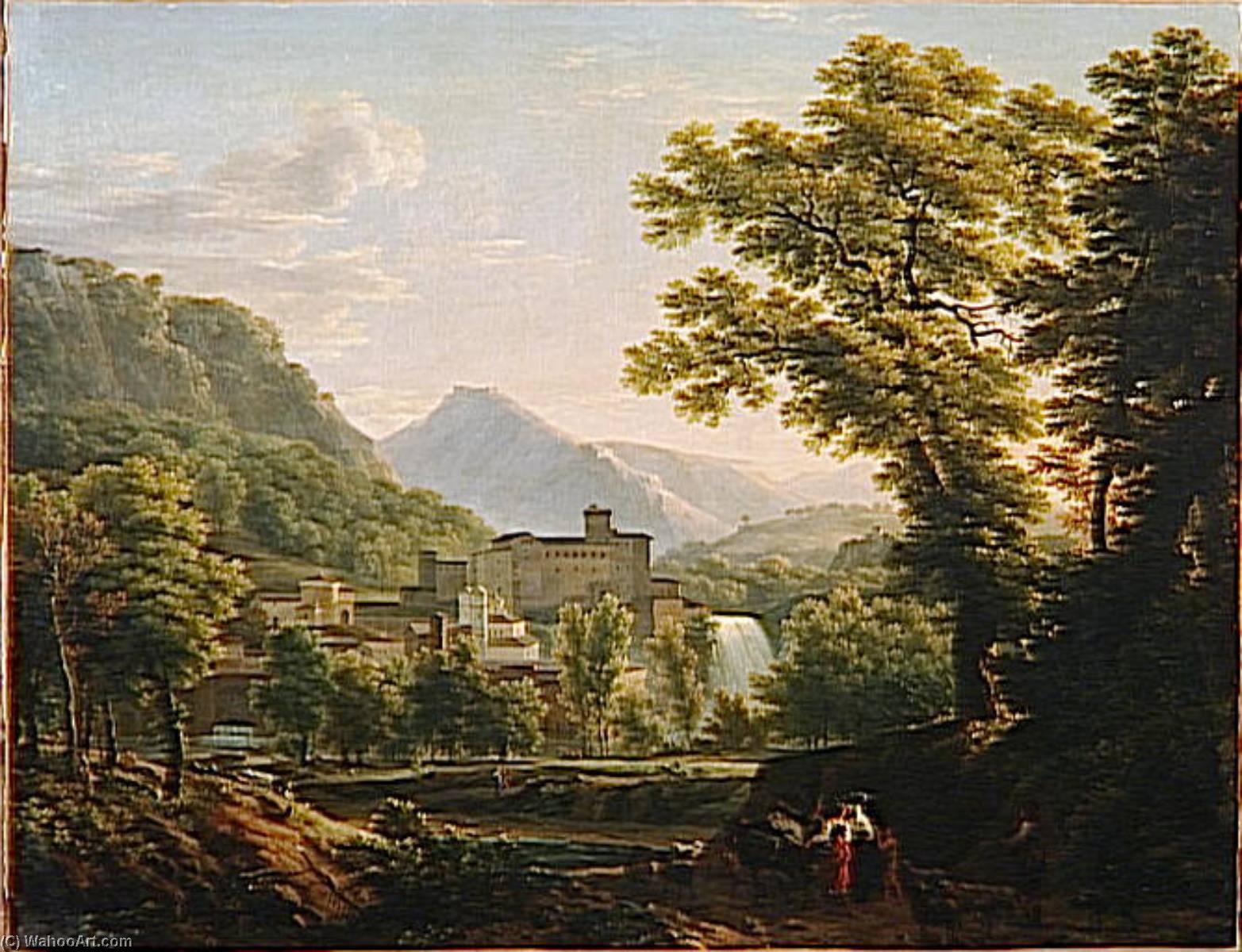
PAYSAGE D'ITALIE


 詳細を見る
詳細を見る




P118B $10

P118H $10

P118W $10

P438Z $10

P508JH $12

P508YH $12

P805H $10

P805Z $10

P919BZ $10

P919G $10

P919XJ $10

P959ZH $10

P968JZ $12

W106C $8

W218G $10

W218JH $8

W218Y $10

W307PJ $10

W316G $10

W316PJ $8

W316Y $10

W398PJ $8

W4111J $10

W500HY $15

W500JH $15

W692G $12

W849H $8

W940BG $15

W953PJ $8




作品のオリジナル比率に合わせた、当店の規定サイズからお選びください。

特定のフレームやスペースに合わせて、ご希望のサイズをご入力いただけます。選択されたサイズが元の画像の比率と異なる場合、アートワークをトリミングするか、手描きで要素を追加して絵画を拡張いたします。デジタルモックアップ を制作し、制作開始前にご確認(承認)をいただきます。
画面上のプレビューは、実際のトリミングや拡張を正確に反映しているものではありません。最終的な構図は、モックアップによってのみ正確にご確認いただけます。
カスタムサイズもご利用いただけますが、元の比率を維持するためには、あらかじめ用意されたリストからサイズを選択することをお勧めいたします。
ご注文後、ArtsDot.com チームより詳細な指示をお送りするとともに、仕上がりイメージ(モックアップ)をご提供いたします。


 ガラスオプションは、110cm未満のサイズでのみご利用いただけます。

PAYSAGE D'ITALIE
複製技法
複製画のサイズ
-


合計金額
$ 263
The Allure of an Italian Dreamscape
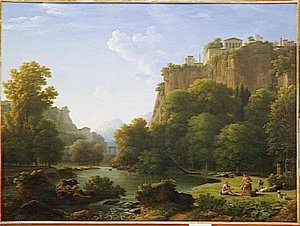
To gaze upon "PAYSAGE D'ITALIE" is to surrender oneself to a vision of pastoral perfection. This work by Joseph Pierre Xavier Bidauld transports the viewer directly into the heart of the Italian countryside, a place mythologized through centuries of art for its sublime beauty. It is more than just a depiction of mountains and valleys; it is an evocation of tranquility itself. The composition masterfully guides the eye from the immediate foreground, where soft foliage suggests life teeming at the edge of discovery, deep into the receding embrace of the distant Apennines. One can almost hear the gentle murmur of the cascading waterfall, a liquid thread weaving through the verdant tapestry of the valley.
Romantic Echoes in Technique and Color
Bidauld’s handling of this scene speaks volumes about his technical prowess. The style firmly plants itself within the Romantic tradition, prioritizing emotional resonance over mere topographical accuracy. Observe how the artist employs atmospheric perspective; the details soften, the blues deepen, and the contrast gently yields as the landscape recedes into the haze. This careful rendering creates an almost palpable sense of depth. The palette—a soothing symphony of muted greens, earthy browns, soft grays, and distant azure blues—is inherently calming. Bidauld achieves this serenity through meticulous brushwork, visible upon closer inspection, which lends a convincing texture to everything from sun-dappled rock faces to the smooth flow of water.
A Journey Through Time and Place
Joseph Pierre Xavier Bidauld, though perhaps less heralded than some of his Parisian contemporaries, carved out a niche defined by an understated sensitivity to Italianate subjects. His connection to these idealized landscapes speaks to a broader cultural yearning—a desire for escape from the complexities of modern life into a perceived golden age of natural harmony. For collectors and designers alike, this piece offers a window not just onto Italy, but onto a romanticized ideal of human existence in balance with nature. It suggests a quiet dignity found only where civilization gently yields to the wild.
Symbolism of Peace and Harmony
Symbolically, "PAYSAGE D'ITALIE" is a meditation on peace. The confluence of elements—the steadfast mountains representing permanence, the flowing water symbolizing life’s continuous passage, and the nestled village suggesting human community—all work together to create an image of perfect equilibrium. It speaks to the universal longing for harmony; that moment when the noise subsides and one feels utterly at ease within a grand, beautiful setting. Owning a reproduction allows one to anchor such a profound sense of calm within one's own curated space.
関連作品

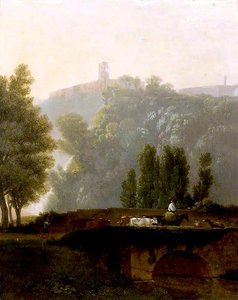
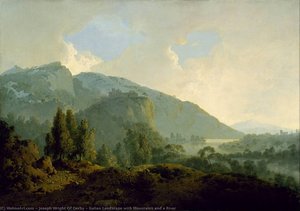
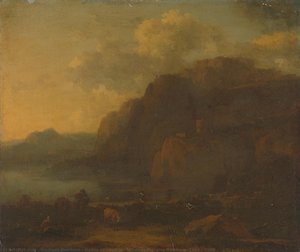
アーティストの略歴
Jean-Joseph-Xavier Bidauld: The Quiet Landscape Painter
Jean-Joseph-Xavier Bidauld (10 April 1758 – 20 October 1846) was a French painter whose career unfolded largely outside the spotlight of Parisian artistic circles, yet yielded remarkable landscapes imbued with an understated beauty and profound sensitivity to Italianate traditions. Born in Carpentras, Provence, Bidauld’s formative years were spent honing his craft alongside his brother, Jean-Pierre Xavier, in Lyon—a city renowned for its textile industry and burgeoning artistic patronage. This early exposure instilled a disciplined approach to painting that would characterize his entire oeuvre.- Early Training & Travels: Bidauld’s formal training began with Jean-Pierre Xavier, who recognized his talent and encouraged him to pursue studies in Lyon. Recognizing the importance of broadening artistic horizons, he embarked on a significant journey to Paris in 1783, where he secured commissions from Dulac, a prominent perfume merchant and art dealer who became instrumental in supporting his subsequent explorations into Italian landscape painting.
- The Florentine Influence: Dulac’s generosity enabled Bidauld to spend five years immersed in the artistic fervor of Florence—a pivotal period that cemented his stylistic preferences. The Tuscan countryside, with its rolling hills and cypress trees, captivated him, profoundly shaping his vision of ideal beauty. He meticulously studied the techniques pioneered by artists like Canaletto and Claude Lorrain, mastering atmospheric perspective and capturing fleeting moments of light and shadow.
- Salon Recognition & Artistic Development: Returning to Paris in 1790, Bidauld swiftly gained acceptance into the Salon—the official art exhibition of the Académie des Beaux-Arts—establishing himself as a respected figure within the Parisian artistic landscape. His participation continued consistently throughout his life, allowing him to refine his style and garner critical acclaim.
- Notable Works & Patronage: Among Bidauld’s most celebrated paintings is “View of the Bridge and Part of the Town of Cava,” a breathtaking depiction of Lake Cellano and Mount Vesuvius commissioned by the Royal Family of Naples—a testament to his ability to convey grandeur and serenity simultaneously. His landscapes were admired by fellow artists like Camille Corot, who recognized Bidauld’s understated mastery of tonal harmony and compositional balance.
- Legacy & Decline: Despite considerable success during his lifetime, Bidauld experienced a notable decline in popularity after the mid-1820s—primarily due to disputes surrounding the Salon jury and its perceived bias against younger artists like Théodore Rousseau. This controversy overshadowed his artistic achievements and contributed to his impoverished circumstances upon his death in 1846. Nevertheless, Bidauld’s landscapes endure as emblems of Romantic sensibility, embodying a quiet contemplation of nature that continues to resonate with viewers today.
joseph pierre xavier bidauld
1758 - 1846
基本情報
- Artistic Movement Or Style: Romantic Landscape
- Artists Or Movements Influenced By This Artist: ['Barbizon School']
- Artists Who Influenced This Artist: ['Camille Corot']
- Date Of Birth: April 10, 1758
- Date Of Death: October 20, 1846
- Full Name: Jean-Joseph-Xavier Bidauld
- Nationality: French
- Notable Artworks: ['View of the Bridge and Part of the Town of Cava']
- Place Of Birth: Carpentras, France
関連記事

ロマン派ランドスケープ:時代を彩る巨匠の10選|アートとインテリアの世界
ロマン派絵画の時代を彩る10選。巨匠たちの風景が織りなす感動の世界へ。ターナー、ルーベンスなど、名作の裏話と高精細複製でアートをお部屋に。ArtsDot.comで至福のアート体験を。

Idyllic Visions: Exploring the Pastoral Scene in Art History – From Arcadia to Modern Interpretations
Explore the captivating history of pastoral art from classical Arcadia to modern masterpieces. Discover key artists like Millet & Cole at ArtsDot. Find serene landscape paintings for your home.

葛飾北斎:25の傑作が語る浮世絵の世界 - ArtsDot
葛飾北斎の25選:『神奈川沖浪裏』や『富嶽三十六景』など、浮世絵の世界を深く探求。木版画の技法と日本美術の美をArtsDotで。高品質なアートプリントで空間に感動を。コレクションはこちら。

ジョン・コンスタブルの傑作25選:英国風景画の巨匠が描く自然と光の詩 | ArtsDot
ジョン・コンスタブルの傑作25選。英国風景画の巨匠が描く自然と光の詩の世界へ。ロマン主義を代表する絵画、デダム・ヴェールやヘイ・ウェインなど、ArtsDotで高品質なアートプリントをお楽しみください。インテリアに深みと感動を。コレクションはこちら。

Idyllic Visions: Exploring the Pastoral Tradition in Western Art – Themes, Techniques & Enduring Appeal
Explore the rich history of pastoral art from classical Arcadia to contemporary interpretations. Discover key artists, themes & collecting tips at ArtsDot.