

 プレビュー
プレビュー
 プリントを購入
 シェアする
シェアする シェアする
シェアする
 詳細を見る
詳細を見る

 ダウンロード
 似ている作品
 X線調査
X線調査 スライドショー
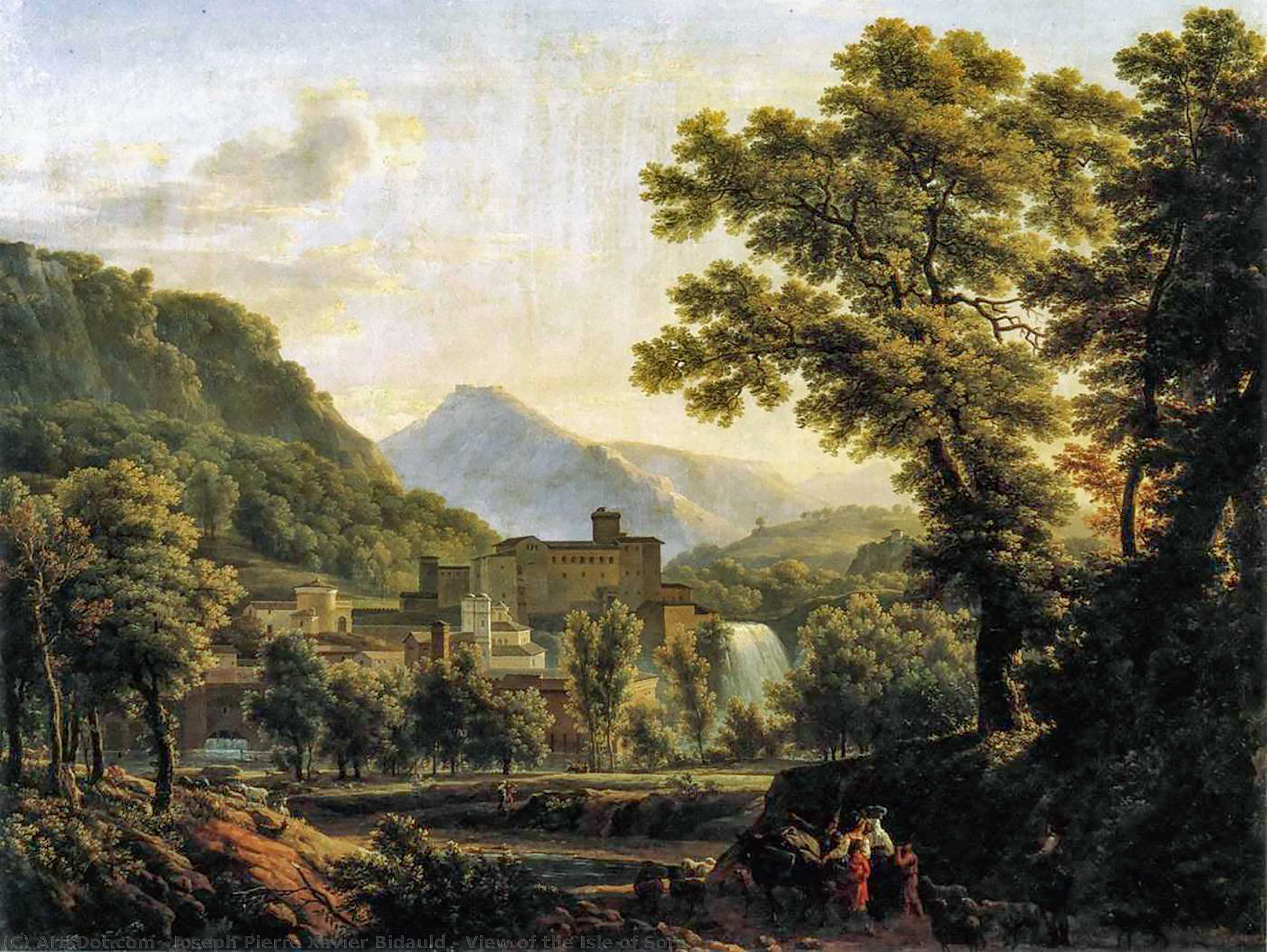
View of the Isle of Sora
 Oil On Canvas
- WallArt
- Romanticism
 1793
1793- 19th Century
 113.0 x 144.0 cm
 ルーブル美術館
 詳細を見る
詳細を見る
オンラインプレビューをはるかに凌ぐ、高解像度で鮮明なデジタル画像をご購入いただけます。
各ファイルは、社内の専門家が高度なツールと熟練した手作業によるレタッチを用いて、細心の注意を払って準備されています。すべての画像において、卓越した鮮明度、正確な色彩再現性、そして繊細なディテールを保証いたします。
最終ファイルは、プロフェッショナルな編集・印刷環境ですぐにご利用いただけるよう最適化された状態で、72時間以内にメールにてお届けいたします。これは、一流のデザインスタジオ、出版社、ギャラリーから信頼されているものと同等の品質です。
デジタル画像のご注文に付随する特典
高品質なデジタル画像配信を、確かな品質で。
ArtsDot.com を選ぶことは、単に画像を手に入れることではありません。それは、プロの手によって精密に仕上げられ、満足保証が付いた高品質なデジタルアートワークを受け取ることを意味します。ご注文いただいた際に自動的に付随する内容は、以下の通りです:

メールですぐにお届け
ご注文から72時間以内に、高解像度のデジタル画像ファイルがメールでお手元に届きます。すぐにそのままご利用いただけます。

AI技術で最適化されたデジタルファイル
お客様の作品は、高度なAIツールと専門家による手作業の編集を組み合わせてプロフェッショナルに最適化されており、細部のディテール、鮮明さ、そして正確な色再現性を最大限に引き出しています。

一生涯無料の再送サービス
ファイルを誤って削除したり、紛失してしまったりしましたか?ご安心ください。いつでも無料で再送いたします。

輸入手数料は一切かかりません
関税や手数料、配送料を気にすることなく、お気に入りのアートワークをすぐにお楽しみいただけます。デジタルダウンロードは常に免税です。

色彩再現の保証
プロ仕様のツールとカラーマネジメント技術を用いることで、デジタル画像が元の色を最大限に忠実に再現することを保証いたします。

100日間満足保証
ご購入いただいたデジタル画像にご満足いただけない場合は、100日以内であれば、修正または100%の返金(理由を問う必要はありません)をさせていただきます。

100% 返金保証
ご満足いただけない場合は、デジタルファイルを受け取ってから100日以内であれば、理由を問わず全額返金いたします。

まとめ買い割引
3枚購入で10%OFF - 5枚購入で15%OFF - 10枚以上購入で20%OFF。クリエイティブなプロジェクト、ギャラリー、エージェンシーに最適です。
A Picturesque Vision of Mountain Life
To gaze upon this depiction, View of the Isle of Sora, is to be transported to an era where nature’s grandeur held sway over the burgeoning bustle of civilization. This landscape, painted in 1793, captures a moment of idyllic harmony nestled within mountainous terrain. The eye is immediately drawn to the central drama: a magnificent waterfall cascading through what appears to be a small, vibrant town. It is not merely a depiction of scenery; it is an immersion into a romanticized vision of life lived at the confluence of raw natural power and gentle human settlement. Scattered throughout this picturesque scene are figures—people enjoying the breathtaking spectacle—and several horses, lending a palpable sense of movement and daily rhythm to the composition.
The Hand of Joseph Pierre Xavier Bidauld
This masterful work belongs to the oeuvre of Joseph Pierre Xavier Bidauld, an artist whose career speaks to a profound sensitivity for Italianate traditions. While perhaps not always dominating the grand Parisian salons, Bidauld cultivated a style characterized by understated beauty and deep observational skill. His technique in this piece suggests a meticulous attention to atmospheric perspective; the distant mountains recede into soft blues and hazy greens, contrasting beautifully with the sharper details of the foreground activity. The handling of light is particularly noteworthy, suggesting either the golden glow of late afternoon or the diffused brightness filtering through mountain mist, lending an ethereal quality to the entire scene.
Narrative Elements and Symbolism
The inclusion of both people and animals elevates this painting beyond a mere topographical study. The figures suggest leisure, perhaps a respite from arduous journeys, while the horses anchor the scene in a tangible reality of travel and pastoral life. Waterfalls, throughout art history, have served as potent symbols—representing purification, the relentless passage of time, and the untamed spirit of nature itself. By placing this powerful natural force directly through the heart of the community, Bidauld seems to be commenting on humanity’s enduring relationship with its environment: one that is both dependent upon and constantly challenged by the sublime power surrounding it.
Bringing the Vista Home
For the collector or designer seeking an artwork that whispers tales of romantic travel and timeless beauty, this reproduction offers a captivating focal point. The scale, measuring 113 x 144 cm, allows the sweeping vista to unfold with appropriate grandeur on any wall. Owning this piece is not simply acquiring art; it is curating a mood—a sophisticated blend of adventure, tranquility, and historical elegance. It invites contemplation, encouraging the viewer to pause, breathe deeply, and imagine themselves wandering those very cobbled streets beside that rushing curtain of water.
関連作品

作家の略歴
Jean-Joseph-Xavier Bidauld: The Quiet Landscape Painter
Jean-Joseph-Xavier Bidauld (10 April 1758 – 20 October 1846) was a French painter whose career unfolded largely outside the spotlight of Parisian artistic circles, yet yielded remarkable landscapes imbued with an understated beauty and profound sensitivity to Italianate traditions. Born in Carpentras, Provence, Bidauld’s formative years were spent honing his craft alongside his brother, Jean-Pierre Xavier, in Lyon—a city renowned for its textile industry and burgeoning artistic patronage. This early exposure instilled a disciplined approach to painting that would characterize his entire oeuvre.- Early Training & Travels: Bidauld’s formal training began with Jean-Pierre Xavier, who recognized his talent and encouraged him to pursue studies in Lyon. Recognizing the importance of broadening artistic horizons, he embarked on a significant journey to Paris in 1783, where he secured commissions from Dulac, a prominent perfume merchant and art dealer who became instrumental in supporting his subsequent explorations into Italian landscape painting.
- The Florentine Influence: Dulac’s generosity enabled Bidauld to spend five years immersed in the artistic fervor of Florence—a pivotal period that cemented his stylistic preferences. The Tuscan countryside, with its rolling hills and cypress trees, captivated him, profoundly shaping his vision of ideal beauty. He meticulously studied the techniques pioneered by artists like Canaletto and Claude Lorrain, mastering atmospheric perspective and capturing fleeting moments of light and shadow.
- Salon Recognition & Artistic Development: Returning to Paris in 1790, Bidauld swiftly gained acceptance into the Salon—the official art exhibition of the Académie des Beaux-Arts—establishing himself as a respected figure within the Parisian artistic landscape. His participation continued consistently throughout his life, allowing him to refine his style and garner critical acclaim.
- Notable Works & Patronage: Among Bidauld’s most celebrated paintings is “View of the Bridge and Part of the Town of Cava,” a breathtaking depiction of Lake Cellano and Mount Vesuvius commissioned by the Royal Family of Naples—a testament to his ability to convey grandeur and serenity simultaneously. His landscapes were admired by fellow artists like Camille Corot, who recognized Bidauld’s understated mastery of tonal harmony and compositional balance.
- Legacy & Decline: Despite considerable success during his lifetime, Bidauld experienced a notable decline in popularity after the mid-1820s—primarily due to disputes surrounding the Salon jury and its perceived bias against younger artists like Théodore Rousseau. This controversy overshadowed his artistic achievements and contributed to his impoverished circumstances upon his death in 1846. Nevertheless, Bidauld’s landscapes endure as emblems of Romantic sensibility, embodying a quiet contemplation of nature that continues to resonate with viewers today.
joseph pierre xavier bidauld
1758 - 1846
プロフィール概要
- Artistic Movement Or Style: Romantic Landscape
- Artists Or Movements Influenced By This Artist: ['Barbizon School']
- Artists Who Influenced This Artist: ['Camille Corot']
- Date Of Birth: April 10, 1758
- Date Of Death: October 20, 1846
- Full Name: Jean-Joseph-Xavier Bidauld
- Nationality: French
- Notable Artworks: ['View of the Bridge and Part of the Town of Cava']
- Place Of Birth: Carpentras, France