

 プレビュー
プレビュー
 プリントを購入
 シェアする
シェアする シェアする
シェアする
 詳細を見る
詳細を見る

 ダウンロード
 似ている作品
 X線調査
X線調査 スライドショー
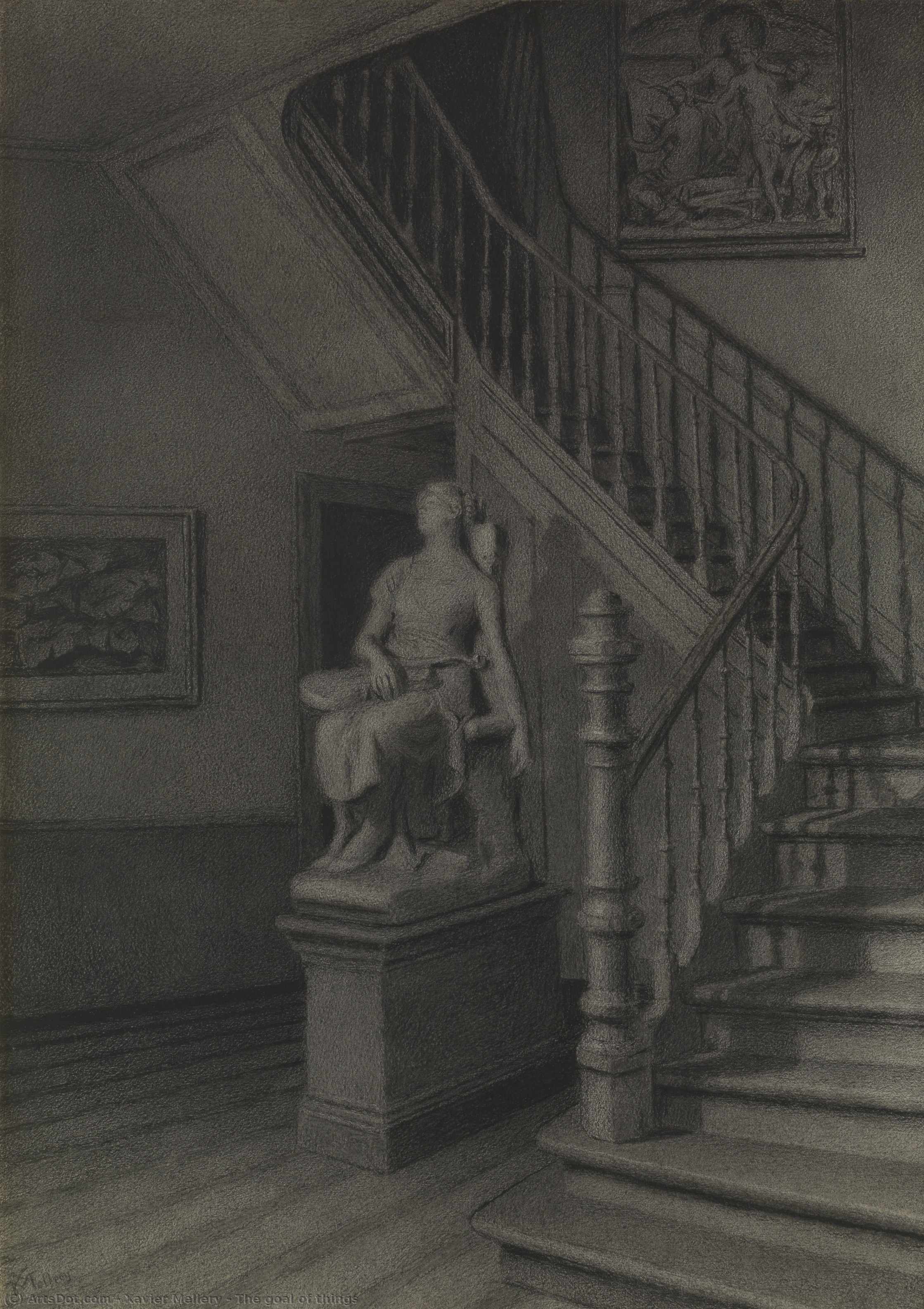
The goal of things
 Art Nouveau
 67.0 x 93.0 cm
 アントウェルペン王立美術館
 詳細を見る
詳細を見る




































作品のオリジナル比率に合わせた、当店の規定サイズからお選びください。

特定のフレームやスペースに合わせて、ご希望のサイズをご入力いただけます。選択されたサイズが元の画像の比率と異なる場合、アートワークをトリミングするか、手描きで要素を追加して絵画を拡張いたします。デジタルモックアップ を制作し、制作開始前にご確認(承認)をいただきます。
画面上のプレビューは、実際のトリミングや拡張を正確に反映しているものではありません。最終的な構図は、モックアップによってのみ正確にご確認いただけます。
カスタムサイズもご利用いただけますが、元の比率を維持するためには、あらかじめ用意されたリストからサイズを選択することをお勧めいたします。
ご注文後、ArtsDot.com チームより詳細な指示をお送りするとともに、仕上がりイメージ(モックアップ)をご提供いたします。


 ガラスオプションは、110cm未満のサイズでのみご利用いただけます。

The goal of things
複製技法
複製画のサイズ
-


合計金額
$ 263
関連作品
アーティストの略歴
Early Life and Artistic Foundations
Joseph Xavier Marie Mellery, born on August 9th, 1845, in the serene surroundings of Laeken, Belgium, embarked on a journey that would position him as a pivotal figure within the Symbolist movement. His origins were humble yet steeped in artistic proximity; his father served as a gardener at the Royal Palace of Laeken, fostering an early connection to beauty and cultivated spaces. This environment undoubtedly shaped Mellery’s sensibility, instilling a reverence for nature and form that would later permeate his work. Initially, he honed his skills under the guidance of painter-decorator Charles Albert, gaining practical experience before formally enrolling in the prestigious Royal Academy of Fine Arts in Brussels from 1860 to 1867.
The Academy proved a fertile ground for Mellery’s development, and he benefited immensely from the tutelage of Jean-François Portaels. Portaels, a leading academic painter himself, instilled within Mellery a strong foundation in classical techniques and composition. However, it was Mellery's triumph in winning the Prix de Rome that truly propelled his artistic trajectory. This prestigious award afforded him the invaluable opportunity to travel to Italy, where he immersed himself in the masterpieces of the Renaissance—a period that would profoundly influence his aesthetic vision. He meticulously studied the works of masters like Giovanni Bellini and Masaccio, absorbing their use of color, light, and narrative depth.
The Embrace of Symbolism
Upon returning from Italy, Mellery began to forge a distinctive artistic path, increasingly drawn towards the burgeoning Symbolist movement. This shift wasn’t abrupt; it was a gradual evolution fueled by his belief that art should transcend mere representation and delve into the realm of emotion and universal truths. He articulated this credo powerfully: “He who will manage to have us forget colour and form at the price of emotion will achieve the highest goal of all.” This statement encapsulates the core tenet of Symbolism—a rejection of realism in favor of subjective experience, dreamlike imagery, and allegorical meaning.
Mellery’s works began to reflect this new direction. He favored classically-inspired figures set against flat, golden backdrops, often incorporating text to amplify their symbolic weight. These compositions weren't intended as literal depictions but rather as evocative explorations of abstract ideas—love, death, fate, and the human condition. While he envisioned grand decorative cycles for public spaces, many of these ambitious projects remained unrealized, existing instead as smaller-scale works exhibited at venues like Sàr Péladan’s Salon de la Rose+Croix in Paris and within the influential Belgian art societies Les XX and La Libre Esthétique.
Major Achievements and Artistic Contributions
Although large-scale commissions proved elusive, Mellery left an indelible mark on the artistic landscape of Brussels. One of his most significant achievements was the design of the statues representing all 48 historical professions in the Petit Sablon/Kleine Zavel garden. While he conceived the overall concept and unique designs for each pillar and its accompanying fence sections, the actual execution was entrusted to various sculptors. This project stands as a testament to Mellery’s vision—a harmonious blend of allegory, craftsmanship, and public art.
The Rondo of the Hours, one of his most celebrated paintings, exemplifies his Symbolist style. The work is characterized by its ethereal atmosphere, delicate figures, and enigmatic narrative. It's a piece that invites contemplation, prompting viewers to interpret its meaning on a deeply personal level. Mellery’s participation in groups like Pour l'Art and Kunst van Heden further solidified his position within the Belgian avant-garde, fostering collaboration and exchange with other progressive artists.
Legacy and Historical Significance
Xavier Mellery passed away in Brussels on February 4th, 1921, leaving behind a body of work that continues to captivate and inspire. His contribution lies not merely in the creation of beautiful paintings but in his pioneering role within Symbolism—a movement that profoundly influenced subsequent artistic developments, including Art Nouveau and Surrealism.
- His emphasis on emotion over realism paved the way for a more subjective and introspective approach to art.
- The allegorical nature of his work encouraged viewers to engage with deeper philosophical themes.
- His designs for the Petit Sablon garden demonstrate his ability to integrate art into public spaces, creating environments that are both aesthetically pleasing and intellectually stimulating.
Mellery’s legacy extends beyond his individual artworks. He represents a crucial link between academic tradition and the avant-garde spirit of the late 19th century—a testament to the power of artistic vision and the enduring allure of Symbolism.
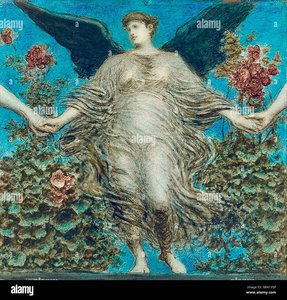
joseph xavier marie mellery
1845 - 1921 , Belgium
基本情報
- Artistic Movement Or Style: Symbolism
- Artists Who Influenced This Artist: ['Jean-François Portaels']
- Date Of Birth: August 9, 1845
- Date Of Death: February 4, 1921
- Full Name: Joseph Xavier Marie Mellery
- Nationality: Belgian
- Notable Artworks: ['Rondo of the Hours']
- Place Of Birth: Laeken, Belgium

