

 プレビュー
プレビュー
 シェアする
シェアする シェアする
シェアする
 詳細を見る
詳細を見る

 ダウンロード
 似ている作品
 X線調査
X線調査 スライドショー
 Stats
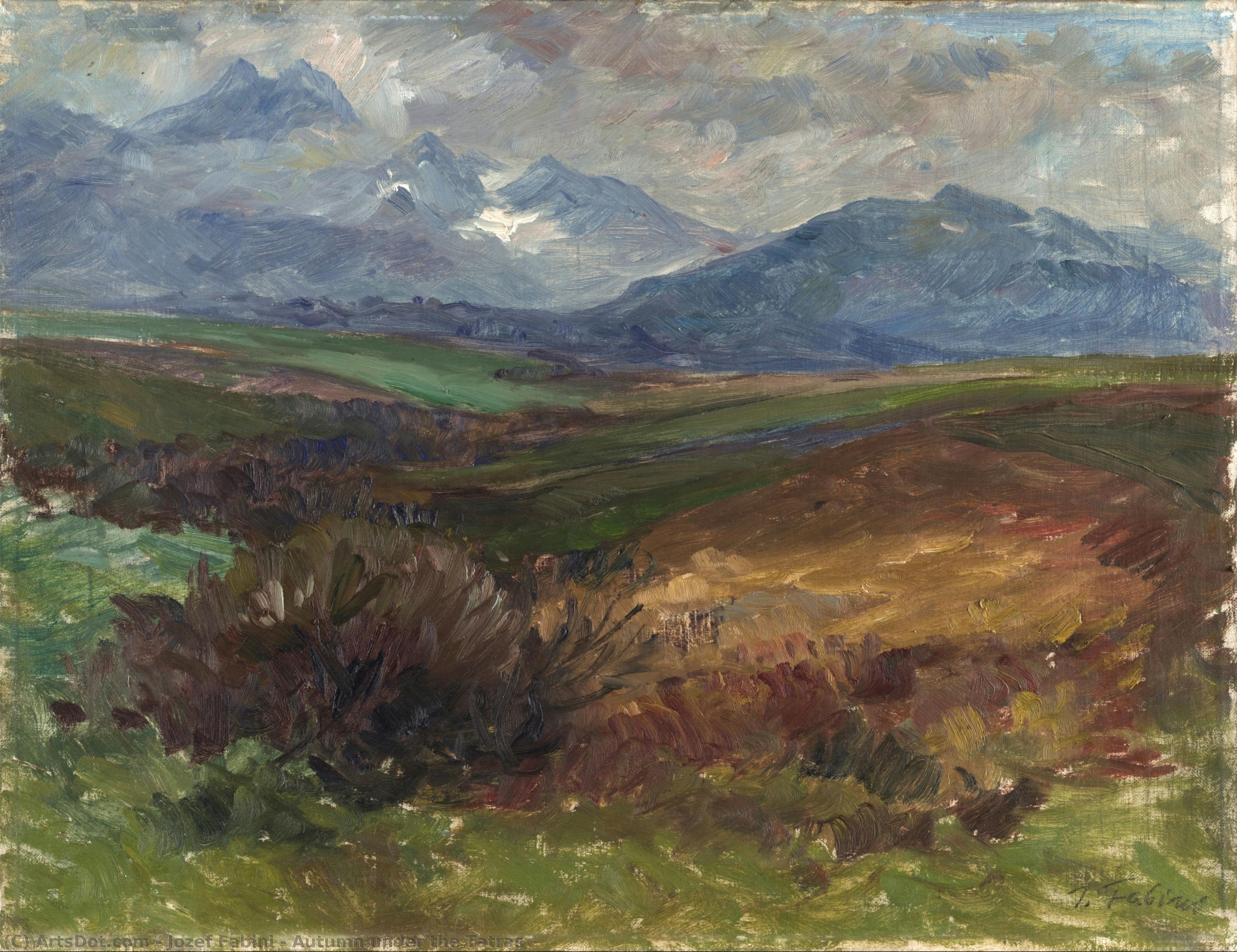
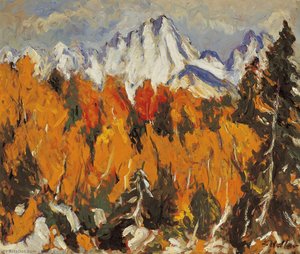
StatsAutumn under the Tatras
 Impressionism
 65.0 x 50.0 cm
 Tatra Gallery
 詳細を見る
詳細を見る
オンラインプレビューをはるかに凌ぐ、高解像度で鮮明なデジタル画像をご購入いただけます。
各ファイルは、社内の専門家が高度なツールと熟練した手作業によるレタッチを用いて、細心の注意を払って準備されています。すべての画像において、卓越した鮮明度、正確な色彩再現性、そして繊細なディテールを保証いたします。
最終ファイルは、プロフェッショナルな編集・印刷環境ですぐにご利用いただけるよう最適化された状態で、72時間以内にメールにてお届けいたします。これは、一流のデザインスタジオ、出版社、ギャラリーから信頼されているものと同等の品質です。
デジタルアート
個人での鑑賞、印刷、クリエイティブなプロジェクト用に、高解像度ファイルをダウンロードできます。 ( Switch to Print 手描きの絵画を購入)
デジタル画像のご注文に付随する特典
高品質なデジタル画像配信を、確かな品質で。
ArtsDot.com を選ぶことは、単に画像を手に入れることではありません。それは、プロの手によって精密に仕上げられ、満足保証が付いた高品質なデジタルアートワークを受け取ることを意味します。ご注文いただいた際に自動的に付随する内容は、以下の通りです:

メールですぐにお届け
ご注文から72時間以内に、高解像度のデジタル画像ファイルがメールでお手元に届きます。すぐにそのままご利用いただけます。

AI技術で最適化されたデジタルファイル
お客様の作品は、高度なAIツールと専門家による手作業の編集を組み合わせてプロフェッショナルに最適化されており、細部のディテール、鮮明さ、そして正確な色再現性を最大限に引き出しています。

一生涯無料の再送サービス
ファイルを誤って削除したり、紛失してしまったりしましたか?ご安心ください。いつでも無料で再送いたします。

輸入手数料は一切かかりません
関税や手数料、配送料を気にすることなく、お気に入りのアートワークをすぐにお楽しみいただけます。デジタルダウンロードは常に免税です。

色彩再現の保証
プロ仕様のツールとカラーマネジメント技術を用いることで、デジタル画像が元の色を最大限に忠実に再現することを保証いたします。

100日間満足保証
ご購入いただいたデジタル画像にご満足いただけない場合は、100日以内であれば、理由を問わず修正または100%の返金対応をさせていただきます。

100% 返金保証
ご満足いただけない場合は、デジタルファイルを受け取ってから100日以内であれば、理由を問わず全額返金いたします。

まとめ買い割引
3枚購入で10%OFF - 5枚購入で15%OFF - 10枚以上購入で20%OFF。クリエイティブなプロジェクト、ギャラリー、エージェンシーに最適です。
関連作品
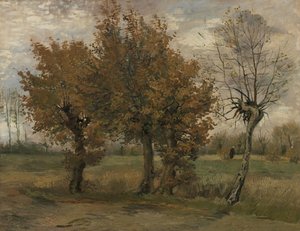
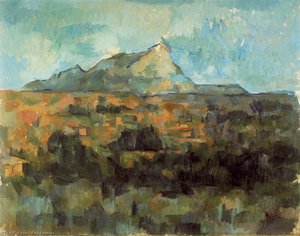
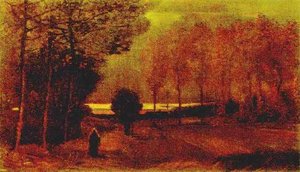
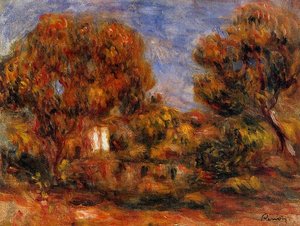
作家の略歴
Wassily Kandinsky: Pioneer of Abstraction
Born in Moscow in December 1866, Wassily Kandinsky’s life was a profound and ultimately transformative journey into the realm of visual expression. Initially pursuing a legal education – a path dictated by his family's expectations – he found himself increasingly drawn to the burgeoning artistic circles of Munich at the turn of the century. This shift marked a pivotal moment, abandoning the constraints of conventional law for the boundless possibilities of color and form. Kandinsky’s early work, influenced by Impressionism and Post-Impressionism, demonstrated a meticulous attention to detail and a fascination with capturing fleeting moments of light and atmosphere. However, it was his encounter with Paul Gauguin and Vincent van Gogh that proved to be truly catalytic, igniting within him a desire to move beyond mere representation and delve into the expressive power of pure color and shape.
The early 1900s witnessed Kandinsky’s radical experimentation. He began exploring non-objective art, driven by his belief that art could evoke emotions and spiritual experiences independent of depicting recognizable objects. This period, often referred to as “productive periods,” saw the creation of works like *Composition VII* (1913) and *Improvisation 28* (1912), characterized by swirling lines, vibrant hues, and a deliberate rejection of traditional perspective. Influenced by synesthesia – the neurological phenomenon where stimulation of one sense triggers experiences in another – Kandinsky sought to translate musical notes into visual forms, believing that color possessed an inherent emotional quality akin to sound.
The Blue Rider Group and Early Abstraction
Kandinsky’s artistic evolution was inextricably linked to his involvement with the “Blue Rider” (Die Brücke) group of artists in Munich. Founded in 1908, this collective championed a radical approach to artmaking, rejecting academic conventions and embracing experimentation with color, form, and subject matter. The Blue Riders, including Ernst Ludwig Kirchner, Emil Nolde, and Franz Marc, shared a desire to break free from the constraints of realism and explore new modes of expression. Kandinsky’s association with the group provided him with a vital platform for disseminating his ideas and engaging in critical dialogue about the future of art. His collaboration with Gabriele Münter, whom he met through the Blue Rider circle, proved particularly significant, offering both artistic companionship and intellectual stimulation.
Development of Abstract Style & Theoretical Writings
Following World War I, Kandinsky relocated to France, where his artistic practice continued to evolve. He began to develop a more systematic approach to abstraction, moving beyond purely intuitive expression towards a deliberate exploration of geometric forms and color relationships. This period saw the creation of iconic works such as *Composition VIII* (1923) and *Concerning the Spiritual in Art* (1911), a seminal treatise that outlined his theories on the spiritual significance of art. In this influential text, Kandinsky argued that abstract art could transcend the limitations of representation and communicate directly with the viewer’s soul, evoking feelings and ideas through pure color and form.
Later Years & Legacy
Despite facing challenges during the rise of Nazism, Kandinsky continued to paint until his death in Neuilly-sur-Seine in 1944. His work was initially suppressed by the regime but later recognized as a cornerstone of modern art. Kandinsky’s pioneering exploration of abstraction profoundly influenced generations of artists, including Piet Mondrian, Kazimir Malevich, and countless others who sought to liberate art from the constraints of representation. Today, his paintings are celebrated for their emotional intensity, innovative use of color, and enduring contribution to the development of abstract art. His theoretical writings remain a vital resource for understanding the philosophical underpinnings of modern artistic practice, solidifying Kandinsky’s place as one of the most important figures in 20th-century art.
Key Influences & Historical Context
- Impressionism and Post-Impressionism: Early works demonstrate an initial engagement with capturing light and atmosphere.
- Paul Gauguin and Vincent van Gogh: Their emphasis on color, emotion, and subjective experience profoundly impacted Kandinsky’s artistic vision.
- Synesthesia: The neurological phenomenon served as a key inspiration for his exploration of the relationship between senses.
- The Blue Rider Group: Provided a crucial platform for experimentation and critical exchange.
- Early 20th-Century Art Movements: Kandinsky’s work is intertwined with developments in Cubism, Fauvism, and Expressionism.
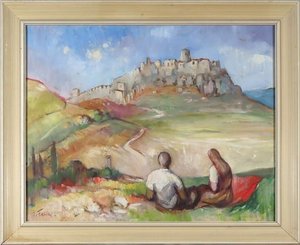
jozef fabini
1908 - 1984 , Slovakia
プロフィール概要
- Artistic Movement Or Style: Abstraction, Expressionism
- Artists Or Movements Influenced By This Artist:
- Bauhaus
- Abstract art
- Artists Who Influenced This Artist:
- Paul Gauguin
- Vincent van Gogh
- Date Of Birth: 16 December 1866
- Date Of Death: 13 December 1944
- Full Name: Wassily Kandinsky
- Nationality: Russian (later French)
- Notable Artworks:
- On White II
- Blue Rider
- Composition VII
- Place Of Birth: Moscow, Russia