

 プレビュー
プレビュー
 シェアする
シェアする シェアする
シェアする
 詳細を見る
詳細を見る

 ダウンロード
 似ている作品
 X線調査
X線調査 スライドショー
 Stats
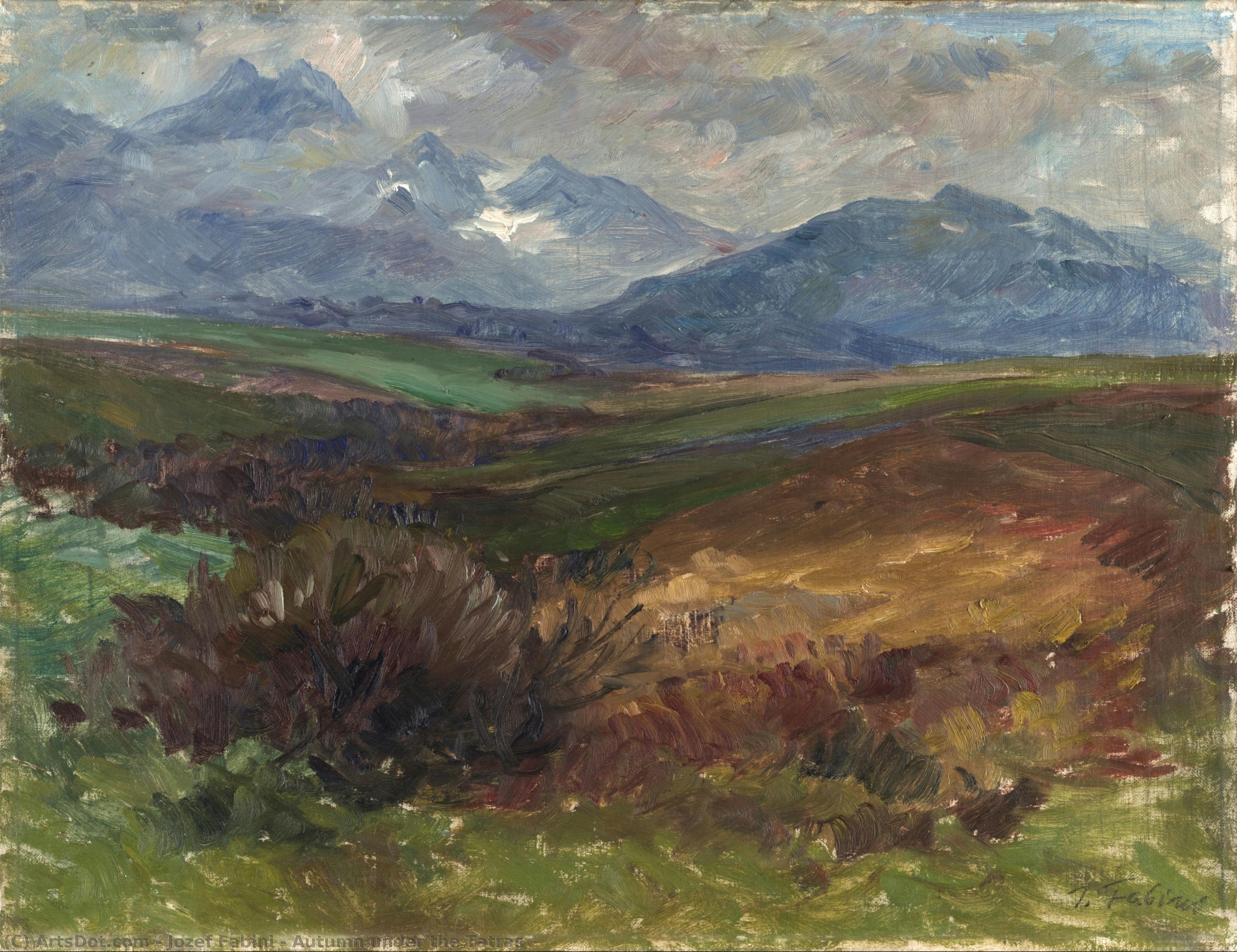
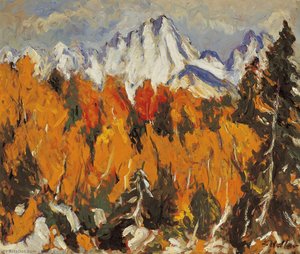
StatsAutumn under the Tatras
 Impressionism
 65.0 x 50.0 cm
 Tatra Gallery
 詳細を見る
詳細を見る
ジークレー/アートプリント
迅速な制作と多彩な仕上げオプションを備えた、ミュージアムクオリティのジークレーまたはキャンバスプリント。 ( 手描きの絵画を購入 Switch to Digital Image)




































作品のオリジナル比率に合わせた、当店の規定サイズからお選びください。

特定のフレームやスペースに合わせて、ご自身でサイズを指定することも可能です。選択されたサイズが元の画像の比率と一致しない場合、作品をトリミングするか、鏡面反射または単色での塗りつぶしによって画像を拡張いたします。制作を開始する前に、ご確認用のデジタルモックアップをお送りいたします。
画面上のプレビューには、実際のトリミングや拡張は反映されませんのでご注意ください。最終的な構図を正確に確認できるのは、モックアップのみとなります。
カスタムサイズも承っておりますが、元の比率を維持するためには、あらかじめ用意されたリストからサイズを選択することをお勧めいたします。


 ガラスオプションは、110cm未満のサイズでのみご利用いただけます。

Autumn under the Tatras
ジークレー/アートプリント
複製画のサイズ
-


合計金額
$ 62
関連作品
アーティストの略歴
Wassily Kandinsky: Pioneer of Abstraction
Born in Moscow in December 1866, Wassily Kandinsky’s life was a profound and ultimately transformative journey into the realm of visual expression. Initially pursuing a legal education – a path dictated by his family's expectations – he found himself increasingly drawn to the burgeoning artistic circles of Munich at the turn of the century. This shift marked a pivotal moment, abandoning the constraints of conventional law for the boundless possibilities of color and form. Kandinsky’s early work, influenced by Impressionism and Post-Impressionism, demonstrated a meticulous attention to detail and a fascination with capturing fleeting moments of light and atmosphere. However, it was his encounter with Paul Gauguin and Vincent van Gogh that proved to be truly catalytic, igniting within him a desire to move beyond mere representation and delve into the expressive power of pure color and shape.
The early 1900s witnessed Kandinsky’s radical experimentation. He began exploring non-objective art, driven by his belief that art could evoke emotions and spiritual experiences independent of depicting recognizable objects. This period, often referred to as “productive periods,” saw the creation of works like *Composition VII* (1913) and *Improvisation 28* (1912), characterized by swirling lines, vibrant hues, and a deliberate rejection of traditional perspective. Influenced by synesthesia – the neurological phenomenon where stimulation of one sense triggers experiences in another – Kandinsky sought to translate musical notes into visual forms, believing that color possessed an inherent emotional quality akin to sound.
The Blue Rider Group and Early Abstraction
Kandinsky’s artistic evolution was inextricably linked to his involvement with the “Blue Rider” (Die Brücke) group of artists in Munich. Founded in 1908, this collective championed a radical approach to artmaking, rejecting academic conventions and embracing experimentation with color, form, and subject matter. The Blue Riders, including Ernst Ludwig Kirchner, Emil Nolde, and Franz Marc, shared a desire to break free from the constraints of realism and explore new modes of expression. Kandinsky’s association with the group provided him with a vital platform for disseminating his ideas and engaging in critical dialogue about the future of art. His collaboration with Gabriele Münter, whom he met through the Blue Rider circle, proved particularly significant, offering both artistic companionship and intellectual stimulation.
Development of Abstract Style & Theoretical Writings
Following World War I, Kandinsky relocated to France, where his artistic practice continued to evolve. He began to develop a more systematic approach to abstraction, moving beyond purely intuitive expression towards a deliberate exploration of geometric forms and color relationships. This period saw the creation of iconic works such as *Composition VIII* (1923) and *Concerning the Spiritual in Art* (1911), a seminal treatise that outlined his theories on the spiritual significance of art. In this influential text, Kandinsky argued that abstract art could transcend the limitations of representation and communicate directly with the viewer’s soul, evoking feelings and ideas through pure color and form.
Later Years & Legacy
Despite facing challenges during the rise of Nazism, Kandinsky continued to paint until his death in Neuilly-sur-Seine in 1944. His work was initially suppressed by the regime but later recognized as a cornerstone of modern art. Kandinsky’s pioneering exploration of abstraction profoundly influenced generations of artists, including Piet Mondrian, Kazimir Malevich, and countless others who sought to liberate art from the constraints of representation. Today, his paintings are celebrated for their emotional intensity, innovative use of color, and enduring contribution to the development of abstract art. His theoretical writings remain a vital resource for understanding the philosophical underpinnings of modern artistic practice, solidifying Kandinsky’s place as one of the most important figures in 20th-century art.
Key Influences & Historical Context
- Impressionism and Post-Impressionism: Early works demonstrate an initial engagement with capturing light and atmosphere.
- Paul Gauguin and Vincent van Gogh: Their emphasis on color, emotion, and subjective experience profoundly impacted Kandinsky’s artistic vision.
- Synesthesia: The neurological phenomenon served as a key inspiration for his exploration of the relationship between senses.
- The Blue Rider Group: Provided a crucial platform for experimentation and critical exchange.
- Early 20th-Century Art Movements: Kandinsky’s work is intertwined with developments in Cubism, Fauvism, and Expressionism.
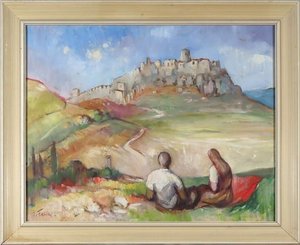
jozef fabini
1908 - 1984 , Slovakia
基本情報
- Artistic Movement Or Style: Abstraction, Expressionism
- Artists Or Movements Influenced By This Artist:
- Bauhaus
- Abstract art
- Artists Who Influenced This Artist:
- Paul Gauguin
- Vincent van Gogh
- Date Of Birth: 16 December 1866
- Date Of Death: 13 December 1944
- Full Name: Wassily Kandinsky
- Nationality: Russian (later French)
- Notable Artworks:
- On White II
- Blue Rider
- Composition VII
- Place Of Birth: Moscow, Russia
関連記事

Evocations of Place: A Historical Journey Through Landscape Art
Explore the rich history of landscape art with ArtsDot. Discover renowned artists, movements like Impressionism & Romanticism, and expert guidance for collecting timeless pieces. Find your perfect serene escape today!

ロマン派ランドスケープ:時代を彩る巨匠の10選|アートとインテリアの世界
ロマン派絵画の時代を彩る10選。巨匠たちの風景が織りなす感動の世界へ。ターナー、ルーベンスなど、名作の裏話と高精細複製でアートをお部屋に。ArtsDot.comで至福のアート体験を。

ジョン・コンスタブルの傑作25選:英国風景画の巨匠が描く自然と光の詩 | ArtsDot
ジョン・コンスタブルの傑作25選。英国風景画の巨匠が描く自然と光の詩の世界へ。ロマン主義を代表する絵画、デダム・ヴェールやヘイ・ウェインなど、ArtsDotで高品質なアートプリントをお楽しみください。インテリアに深みと感動を。コレクションはこちら。
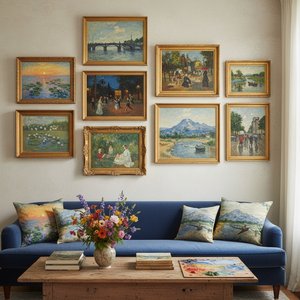
Impressionistic Landscapes: 10 Masterpieces That Changed Art & Decor
Journey into the heart of Impressionism! Explore 10 masterpieces by Monet, Renoir & Degas that revolutionized landscape art. Discover their stories, techniques & find museum-quality reproductions to elevate your home decor on ArtsDot.com.
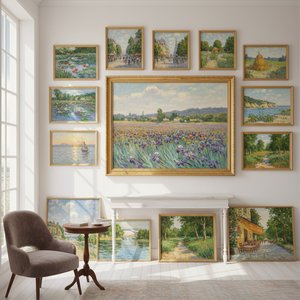
印象派風景を彩った至宝:アート史に名を刻む10選
印象派風景の革新を彩った10選。モネ、ルノワールら巨匠の名作を紐解き、色彩と光が生み出す感動の世界へ。アートの歴史とインテリアのインスピレーションをArtsDot.comで。高品質な複製画で、あなただけの空間を創造しましょう。