

 プレビュー
プレビュー
 プリントを購入
 シェアする
シェアする シェアする
シェアする
 詳細を見る
詳細を見る

 ダウンロード
 似ている作品
 X線調査
X線調査 スライドショー
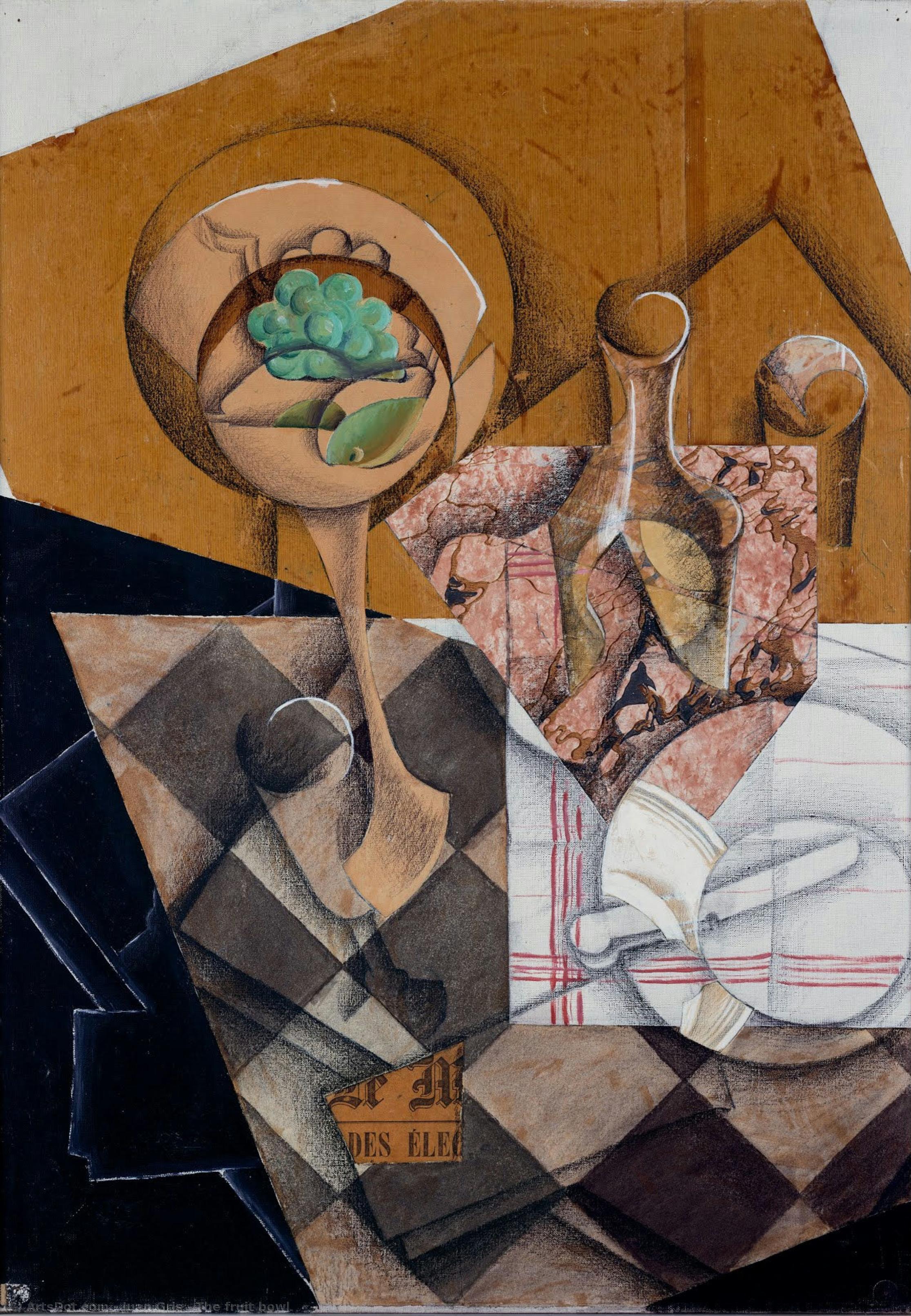
The fruit bowl


 詳細を見る
詳細を見る
オンラインプレビューをはるかに凌ぐ、高解像度で鮮明なデジタル画像をご購入いただけます。
各ファイルは、社内の専門家が高度なツールと熟練した手作業によるレタッチを用いて、細心の注意を払って準備されています。すべての画像において、卓越した鮮明度、正確な色彩再現性、そして繊細なディテールを保証いたします。
最終ファイルは、プロフェッショナルな編集・印刷環境ですぐにご利用いただけるよう最適化された状態で、72時間以内にメールにてお届けいたします。これは、一流のデザインスタジオ、出版社、ギャラリーから信頼されているものと同等の品質です。
デジタル画像のご注文に付随する特典
高品質なデジタル画像配信を、確かな品質で。
ArtsDot.com を選ぶことは、単に画像を手に入れることではありません。それは、プロの手によって精密に仕上げられ、満足保証が付いた高品質なデジタルアートワークを受け取ることを意味します。ご注文いただいた際に自動的に付随する内容は、以下の通りです:

メールですぐにお届け
ご注文から72時間以内に、高解像度のデジタル画像ファイルがメールでお手元に届きます。すぐにそのままご利用いただけます。

AI技術で最適化されたデジタルファイル
お客様の作品は、高度なAIツールと専門家による手作業の編集を組み合わせてプロフェッショナルに最適化されており、細部のディテール、鮮明さ、そして正確な色再現性を最大限に引き出しています。

一生涯無料の再送サービス
ファイルを誤って削除したり、紛失してしまったりしましたか?ご安心ください。いつでも無料で再送いたします。

輸入手数料は一切かかりません
関税や手数料、配送料を気にすることなく、お気に入りのアートワークをすぐにお楽しみいただけます。デジタルダウンロードは常に免税です。

色彩再現の保証
プロ仕様のツールとカラーマネジメント技術を用いることで、デジタル画像が元の色を最大限に忠実に再現することを保証いたします。

100日間満足保証
ご購入いただいたデジタル画像にご満足いただけない場合は、100日以内であれば、理由を問わず修正または100%の返金対応をさせていただきます。

100% 返金保証
ご満足いただけない場合は、デジタルファイルを受け取ってから100日以内であれば、理由を問わず全額返金いたします。

まとめ買い割引
3枚購入で10%OFF - 5枚購入で15%OFF - 10枚以上購入で20%OFF。クリエイティブなプロジェクト、ギャラリー、エージェンシーに最適です。
Juan Gris’s “The Fruit Bowl”: A Symphony of Cubist Fragmentation
Juan Gris's "The Fruit Bowl," painted in 1914, isn’t merely a still life; it’s a meticulously constructed meditation on perception and reality. Emerging from the vibrant crucible of early 20th-century Paris, this work embodies the radical innovations of Cubism while simultaneously hinting at a profound exploration of visual language. Gris, deeply influenced by the geometric explorations of Picasso and Braque, yet forging his own distinct path, presents us with an image that deliberately disrupts traditional notions of representation, inviting the viewer to actively participate in its construction.
The painting’s subject – a humble fruit bowl overflowing with apples, oranges, and grapes – is rendered through a process of deliberate fragmentation. Rather than offering a faithful depiction of form, Gris breaks down each object into its constituent geometric shapes: cylinders, spheres, planes, and sharp angles. These elements are then reassembled on the canvas in an arrangement that prioritizes structure and spatial relationships over literal accuracy. The bowl itself is not presented as a solid volume but rather as a collection of overlapping planes, creating a sense of depth and dynamism within the confined space of the painting.
The Language of Collage and “Le Vrai et Le Faux”
What truly distinguishes "The Fruit Bowl" is Gris’s masterful incorporation of collage. He meticulously pasted fragments of newspaper – a deliberate choice reflecting the burgeoning interest in mass media at the time – onto the canvas, layering them with painted elements. This technique wasn't simply decorative; it was a conscious effort to blur the boundaries between reality and representation. The inclusion of the phrase “Le vrai et le faux” (The real and the false) on one of the newspaper fragments directly addresses this tension, acknowledging the inherent artificiality of painting itself – the act of creating an illusion of reality. This bold statement underscores Gris’s commitment to exposing the constructed nature of visual perception.
The use of white paint on the canvas—particularly within the bowl's frame—further emphasizes this concept. The untreated, raw material of the canvas becomes a crucial element, visually merging with the painted reality and creating a palpable sense of layering and ambiguity. It’s as if Gris is inviting us to question what constitutes “real” – is it the tangible objects before us, or the representation we perceive through the act of looking?
A Synthesis of Color and Form
Despite the fragmented composition, "The Fruit Bowl" isn't a study in monochrome austerity. Gris employs a carefully considered palette of muted reds, yellows, and browns, punctuated by vibrant splashes of color within the fruit itself. This restrained use of color contributes to the painting’s overall sense of balance and harmony, while simultaneously drawing attention to the individual elements within the still life. The interplay between these colors creates a subtle visual rhythm that guides the viewer's eye through the composition.
Gris’s meticulous attention to detail—the precise rendering of each geometric shape, the careful placement of every newspaper fragment—demonstrates his commitment to both formal innovation and technical mastery. “The Fruit Bowl” is not just a product of Cubist experimentation; it's a testament to Gris’s exceptional skill as an artist and his profound understanding of the power of visual language.
A Legacy of Geometric Vision
Painted in 1914, "The Fruit Bowl" stands as a pivotal work in the development of Cubism. It exemplifies the movement's core principles – fragmentation, abstraction, and the exploration of multiple perspectives—while simultaneously establishing Gris’s unique artistic voice. His innovative use of collage, combined with his masterful control of color and form, cemented his place among the most influential artists of the 20th century. Reproductions of this captivating artwork offer a glimpse into a world where reality is deconstructed, reassembled, and ultimately redefined through the power of art.
関連作品

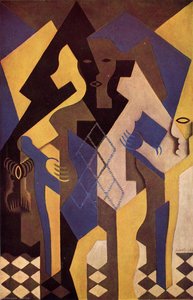
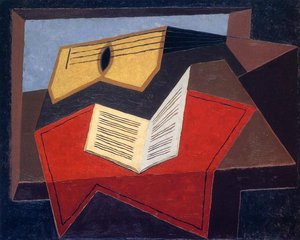
作家の略歴
スペインの先駆者、キュビスムの芸術家、フアン・グリス
1887年にマドリードでホセ・ビクトリアーノ・ゴンサレス=ペレスとして生まれた彼は、20世紀初頭における最も重要な芸術家の一人となる道を歩み始めました。彼の初期の道は、必ずしもキャンバスと筆に直結するものではありませんでした。彼は芸術科学学校で工学を学び、後に彼の芸術的アプローチに深く影響を与えるであろう分析的な思考力を示しました。その形成期においても、創造性の火花は消えませんでした。地元の雑誌への寄稿は、芽生える視覚的な才能を示唆していました。1905年、彼はフアン・グリスという偽名を採用し、新たなアイデンティティと目的意識を持ってホセ・モレノ・カルボネロのもとで正式な絵画の勉強を始めました。これは転換点であり、芸術的革新への道を歩み始めたことを意味しました。パリでの覚醒とキュビスムとの出会い
1906年、彼は芸術的なエネルギーに満ち溢れた都市、パリへと移住します。グリスは活気に満ちたこの環境に没頭し、アンリ・マティス、ジョルジュ・ブラック、フェルナン・レジェといった著名な人物たちと友情を築きました。当初は、*L'Assiette au Beurre*のような出版物で風刺的なイラストレーションを手がけ、観察力を磨き、鋭い視覚的ユーモアのセンスを発達させました。しかし、パブロ・ピカソの磁力は特に大きな影響を与えました。1910年頃からグリスは絵画に真剣に取り組むようになり、風刺画からキュビスムという新たな言語へと移行していきます。これは単なる模倣ではありませんでした。彼は形態と空間の本質を抽出し、新たな視覚的秩序を追求しました。彼の初期の探求は、伝統的な表現からの意図的な脱却によって特徴づけられ、現実の根底にある構造をとらえる手段として抽象を受け入れました。知覚の幾何学:スタイルと主要な作品
フアン・グリスの芸術的アウトプットは、卓越した明晰さと知的厳格さによって特徴づけられます。彼は単に物体を解体するだけでなく、注意深く検討されたパレットを用いて、意図的な精度で再構築しました。このアプローチは、「クリスタル期」として知られる時代へと導き、*静物:開かれた窓の前*や*ラヴィニャン広場*(1915年)のような傑作を生み出しました。これらの作品は、平面と角度の注目すべき相互作用を示し、従来の視点の概念に挑戦しながら、奥行きと堅牢感を作り出しています。1913年以降、グリスはSynthetic Cubismを全面的に受け入れ、*パピエ・コレ*(コラージュ)という技法を先駆けます。彼は新聞の切り抜きやテクスチャードペーパーのような現実世界の素材を構成に取り入れました。この技法は彼の作品に新たな複雑さと触覚性を加え、絵画と彫刻の境界線を曖昧にしました。*海の前にあるギター*(1925年)はその代表的な例であり、簡素化された形態とキュビスムの原則への忠実性を示しています。また、*パブロ・ピカソへのオマージュ*(1912年)は、アバンギャルドなアート界における彼の認識の高まりを象徴していました。遺産と永続的な影響
フアン・グリスのキュビスムへの貢献は、単なる様式的革新を超えています。彼は運動に独自の知的深さと構造的な明晰さをもたらしました。分析段階から離れ、秩序と精度を重視したより組織的で総合的なアプローチへと移行しました。彼の作品は、古典的な形態と構成の原則への回帰を提唱するピュリズム様式を支持したアメデ・オザンファンやシャルル=エドゥアール・ジャンネレ(ル・コルビュジエ)に深く影響を与えました。グリスが幾何学的な形態、調和のとれた色彩パレット、そして日常生活の物体を彼の芸術に取り入れたことは、彼を20世紀の重要な人物として確立しました。彼の遺産は今日でもアーティストたちにインスピレーションを与え続けており、キュビスムの永続的な力と、知覚と表現の概念を再構築したスペイン人巨匠フアン・グリスの類まれな才能を示しています。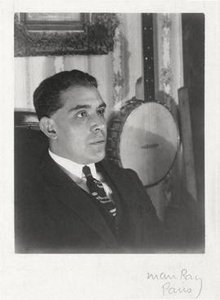
フアン・グリス
1887 - 1927 , スペイン
プロフィール概要
- Artistic Movement Or Style: キュビスム、総合キュビスム
- Artists Or Movements Influenced By This Artist:
- ピュリズム
- アメデ・オザンファン
- ル・コルビュジエ
- Artists Who Influenced This Artist:
- パブロ・ピカソ
- アンリ・マティス
- ジョルジュ・ブラック
- Date Of Birth: 1887年3月23日
- Date Of Death: 1927年5月11日
- Full Name: ホセ・ビクトリアーノ・ゴンサレス=ペレス
- Nationality: スペイン人
- Notable Artworks (List Of Titles):
- ギターと海の前
- パブロ・ピカソへのオマージュ
- 粉挽き職人
- ジョゼット・グリス夫人の肖像
- Place Of Birth (City And Country): スペイン、マドリード