

 プレビュー
プレビュー
 シェアする
シェアする シェアする
シェアする
 詳細を見る
詳細を見る

 ダウンロード
 似ている作品
 X線調査
X線調査 スライドショー
 Stats
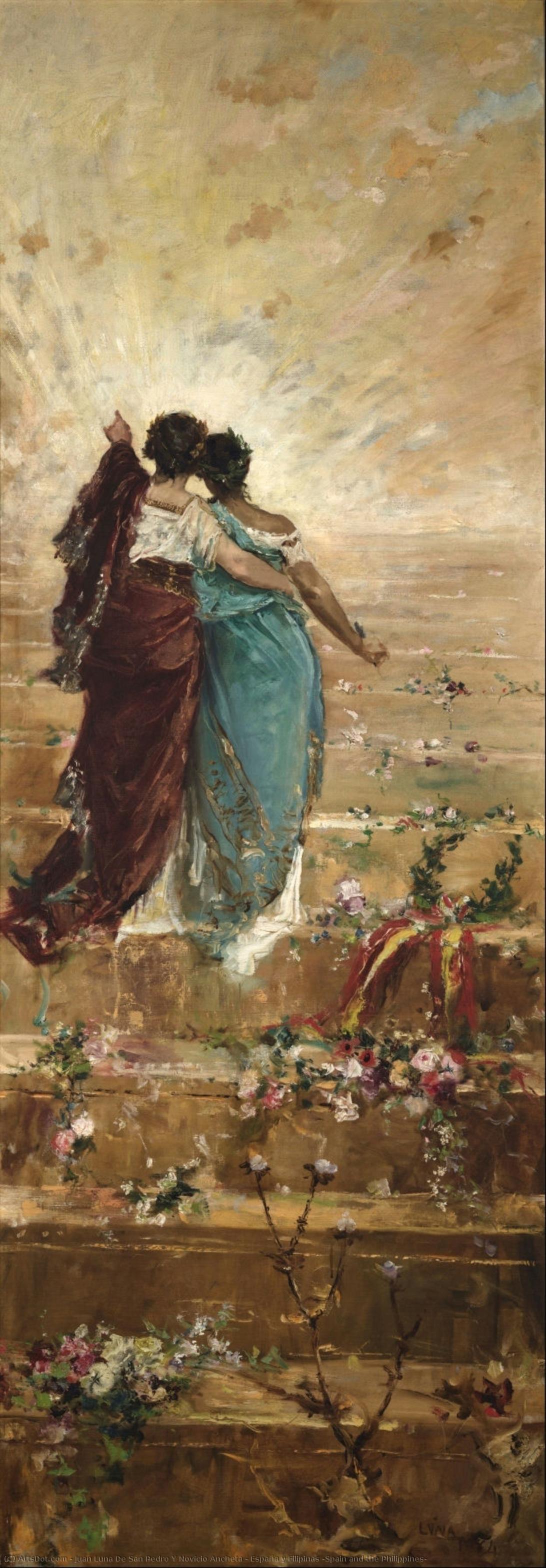
StatsEspaña y Filipinas (Spain and the Philippines)
 Oil On Canvas
- WallArt
- Romanticism
 1884
1884 229.0 x 79.0 cm
 ナショナル・ギャラリー・シンガポール
 詳細を見る
詳細を見る
オンラインプレビューをはるかに凌ぐ、高解像度で鮮明なデジタル画像をご購入いただけます。
各ファイルは、社内の専門家が高度なツールと熟練した手作業によるレタッチを用いて、細心の注意を払って準備されています。すべての画像において、卓越した鮮明度、正確な色彩再現性、そして繊細なディテールを保証いたします。
最終ファイルは、プロフェッショナルな編集・印刷環境ですぐにご利用いただけるよう最適化された状態で、72時間以内にメールにてお届けいたします。これは、一流のデザインスタジオ、出版社、ギャラリーから信頼されているものと同等の品質です。
デジタルアート
個人での鑑賞、印刷、クリエイティブなプロジェクト用に、高解像度ファイルをダウンロードできます。 ( Switch to Print 手描きの絵画を購入)
デジタル画像のご注文に付随する特典
高品質なデジタル画像配信を、確かな品質で。
ArtsDot.com を選ぶことは、単に画像を手に入れることではありません。それは、プロの手によって精密に仕上げられ、満足保証が付いた高品質なデジタルアートワークを受け取ることを意味します。ご注文いただいた際に自動的に付随する内容は、以下の通りです:

メールですぐにお届け
ご注文から72時間以内に、高解像度のデジタル画像ファイルがメールでお手元に届きます。すぐにそのままご利用いただけます。

AI技術で最適化されたデジタルファイル
お客様の作品は、高度なAIツールと専門家による手作業の編集を組み合わせてプロフェッショナルに最適化されており、細部のディテール、鮮明さ、そして正確な色再現性を最大限に引き出しています。

一生涯無料の再送サービス
ファイルを誤って削除したり、紛失してしまったりしましたか?ご安心ください。いつでも無料で再送いたします。

輸入手数料は一切かかりません
関税や手数料、配送料を気にすることなく、お気に入りのアートワークをすぐにお楽しみいただけます。デジタルダウンロードは常に免税です。

色彩再現の保証
プロ仕様のツールとカラーマネジメント技術を用いることで、デジタル画像が元の色を最大限に忠実に再現することを保証いたします。

100日間満足保証
ご購入いただいたデジタル画像にご満足いただけない場合は、100日以内であれば、理由を問わず修正または100%の返金対応をさせていただきます。

100% 返金保証
ご満足いただけない場合は、デジタルファイルを受け取ってから100日以内であれば、理由を問わず全額返金いたします。

まとめ買い割引
3枚購入で10%OFF - 5枚購入で15%OFF - 10枚以上購入で20%OFF。クリエイティブなプロジェクト、ギャラリー、エージェンシーに最適です。
España y Filipinas (Spain and the Philippines): A Romantic Vision of Colonial Harmony
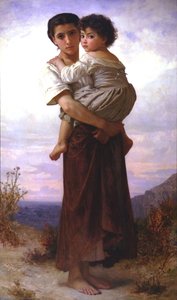
Juan Luna’s “España y Filipinas,” completed in 1884, stands as an emblem of Philippine Romanticism—a movement that sought to elevate Filipino art through classical ideals while simultaneously grappling with the complexities of colonial rule. More than just a depiction of two women embracing on a balcony overlooking a cityscape, this monumental oil painting embodies a carefully constructed allegory designed to communicate a specific narrative about Spain’s role in shaping the nation’s destiny.
Overall Impression: The artwork exudes a melancholic beauty characteristic of its era. Luna employs loose brushstrokes and expressive color palettes—primarily warm hues—to create an atmosphere of dreamy contemplation. The composition prioritizes the central figures, positioned prominently against a backdrop of stylized buildings and swirling clouds, emphasizing intimacy and connection amidst grandeur.
Detailed Description: Luna meticulously renders the female subjects with graceful poses and flowing drapery, mirroring the stylistic conventions of Romanticism. The balcony itself serves as a visual metaphor for transition—a threshold between Spain and the Philippines—highlighting the desired relationship of paternal guidance and cultural enrichment. Atmospheric perspective subtly diminishes detail in distant structures, reinforcing the painting’s ethereal quality.
Technique & Materials: Luna executed “España y Filipinas” with masterful skill using traditional oil painting techniques. Thick impasto brushstrokes build up textural surfaces—particularly on the women's clothing and balcony railings—adding depth and dynamism to the scene. The artist’s meticulous layering of paint contributes to the overall luminosity and richness of color.
Symbolism & Context: Beyond its aesthetic appeal, “España y Filipinas” carries profound symbolic weight. Luna deliberately portrays Spain as a benevolent protector—represented by a woman adorned with regal attire—guiding the Philippines toward enlightenment and prosperity. The inclusion of floral elements symbolizes harmony between the colonizer and colonized nations, reflecting the prevailing sentiment within Ilustrado circles during the late 19th century.
Historical Significance: Created during the Propaganda Movement, Luna’s masterpiece reflects a fervent desire for Filipino artistic excellence alongside intellectual engagement with European ideals. It exemplifies the Romantic preoccupation with emotion and imagination—a stylistic hallmark that cemented Luna's legacy as one of the Philippines’s foremost artists and secured his place within the broader canon of European art history.
Reproductions Available: Explore a stunning high-quality reproduction of “España y Filipinas” at ArtsDot.com and elevate your interior décor with this timeless masterpiece.
関連作品


作家の略歴
A Titan of Philippine Romanticism
Juan Luna de San Pedro y Novicio Ancheta (1857–1899) stands as one of the Philippines’s most celebrated artists, a figure whose dramatic canvases captured the spirit of his era and cemented his place in the annals of European art history. Born in Bacnotan, Pangadamente, Luna possessed an innate talent for visual storytelling from a young age—a passion nurtured by early studies at Escuela de Derecho in Manila before he decisively embraced the path of artistic excellence at Academia de Artes y Letras. His journey to Spain in 1877 marked a pivotal moment, propelling him into the orbit of the Real Academia de Bellas Artes de San Fernando where he honed his skills under luminaries like José María Sertor and Eduardo Hibbert Palmer, absorbing the stylistic precepts of European Romanticism and Academic painting.
Luna’s formative years were steeped in classical tradition yet simultaneously receptive to burgeoning Romantic ideals. He diligently studied anatomy and perspective—skills that would prove invaluable in his subsequent artistic endeavors. However, it was the 1884 Madrid Exposition of Fine Arts where Luna truly ascended to international prominence. Alongside Félix Resurrección Hidalgo, he secured a remarkable double victory – gold for ‘La Batalla de Mactan’ and silver for ‘Spoliarium’, marking an unprecedented achievement for Filipino artists abroad. These monumental paintings captivated audiences with their grandeur, theatrical composition, and masterful depiction of historical events—specifically Magellan's conquest of Cebu and the Roman Forum respectively—demonstrating Luna’s command of technique and his ability to convey profound emotion through visual imagery.
Mastery of Light and Emotion
Luna’s artistic style is characterized by a striking blend of European academic conventions and Romantic fervor. He meticulously rendered anatomical detail with an intensity that breathed life into his subjects, often utilizing dramatic chiaroscuro to heighten the emotional stakes of his narratives. His work frequently moved between the epic scale of historical allegories and the intimate, soulful essence of portraiture. In pieces such as 'Feminine Figure', one can witness a contemplative stillness, where the artist captures the delicate textures of hair and skin, inviting the viewer into a moment of timeless beauty and quiet introspection.
Beyond the purely aesthetic, Luna’s work often carried deep political and symbolic weight. His ability to weave complex themes of identity and colonial struggle into his compositions allowed him to speak to both the Filipino struggle for sovereignty and the broader human condition. A prime example is ‘España y Filipinas’ (Spain and the Philippines), a stunning 1884 oil painting that utilizes the romanticized imagery of two women to explore the intricate, often turbulent relationship between the colonizer and the colonized. Through rich textures and a masterful use of color, Luna transformed historical commentary into high art.
Legacy and Historical Significance
The legacy of Juan Luna extends far beyond the borders of the Philippines. As a pioneer who conquered the European art scene, he provided a sense of dignity and intellectual parity for Filipino artists during a period of intense colonial tension. His achievements served as a beacon of pride, proving that the artistry emerging from the archipelago could stand toe-to-toe with the masters of the West. His life, though marked by both immense triumph and personal tragedy, remains an essential chapter in the story of 19th-century art.
To understand Luna is to understand the intersection of art, politics, and national identity. His contributions can be summarized through several key pillars:
- Technical Excellence: His mastery of the Academic style, particularly in anatomy and perspective.
- Cultural Bridge: His role in bringing Filipino talent to the forefront of the international stage in Madrid and beyond.
- Symbolic Depth: The use of historical and allegorical themes to reflect contemporary political realities.
- Romantic Influence: The infusion of dramatic emotion and light into classical compositions.
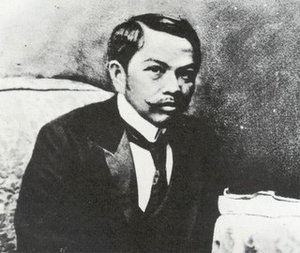
juan luna de san pedro y novicio ancheta
1857 - 1899 , Philippines
プロフィール概要
- Artistic Movement Or Style: European Academic Style
- Artists Or Movements Influenced By This Artist: ['Romanticism']
- Artists Who Influenced This Artist: ['Felix Ressurreccion Hidalgo']
- Date Of Birth: October 25, 1857
- Date Of Death: December 7, 1899
- Full Name: Juan Luna de San Pedro y Novicio Ancheta
- Nationality: Filipino
- Notable Artworks:
- Spoliarium
- La batalla de Mactan
- Place Of Birth: Bacnotan, Philippines