

 プレビュー
プレビュー
 シェアする
シェアする シェアする
シェアする
 詳細を見る
詳細を見る

 ダウンロード
 似ている作品
 X線調査
X線調査 スライドショー
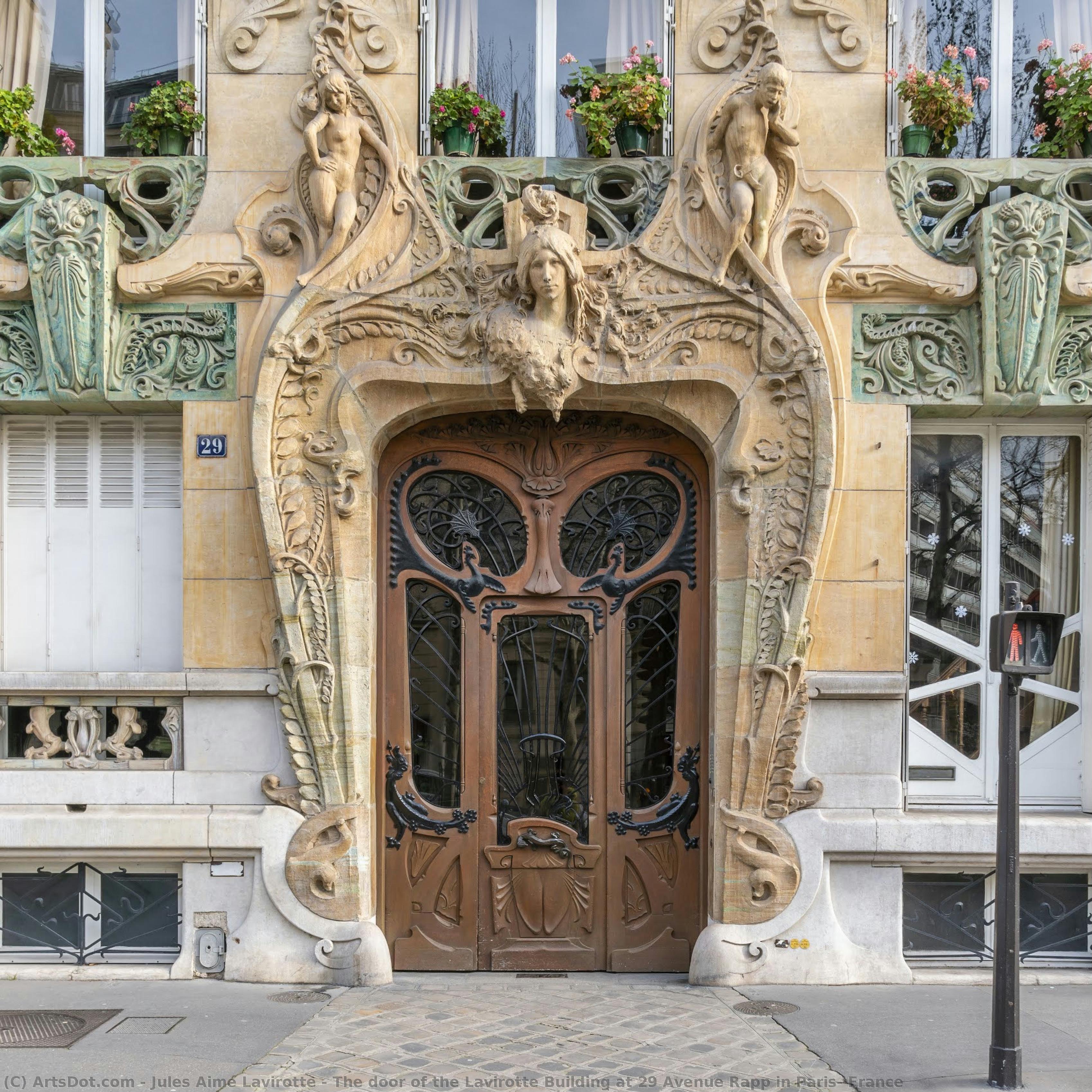
The door of the Lavirotte Building at 29 Avenue Rapp in Paris, France


 詳細を見る
詳細を見る
ジークレー/アートプリント
迅速な制作と多彩な仕上げオプションを備えた、ミュージアムクオリティのジークレーまたはキャンバスプリント。 ( 手描きの絵画を購入 画像を購入)




P118B $10

P118H $10

P118W $10

P438Z $10

P508JH $12

P508YH $12

P805H $10

P805Z $10

P919BZ $10

P919G $10

P919XJ $10

P959ZH $10

P968JZ $12

W106C $8

W218G $10

W218JH $8

W218Y $10

W307PJ $10

W316G $10

W316PJ $8

W316Y $10

W398PJ $8

W4111J $10

W500HY $15

W500JH $15

W692G $12

W849H $8

W940BG $15

W953PJ $8




作品のオリジナル比率に合わせた、当店の規定サイズからお選びください。

特定のフレームやスペースに合わせて、ご自身でサイズを指定することも可能です。選択されたサイズが元の画像の比率と一致しない場合、作品をトリミングするか、鏡面反射または単色での塗りつぶしによって画像を拡張いたします。制作を開始する前に、ご確認用のデジタルモックアップをお送りいたします。
画面上のプレビューには、実際のトリミングや拡張は反映されませんのでご注意ください。最終的な構図を正確に確認できるのは、モックアップのみとなります。
カスタムサイズも承っておりますが、元の比率を維持するためには、あらかじめ用意されたリストからサイズを選択することをお勧めいたします。


 ガラスオプションは、110cm未満のサイズでのみご利用いただけます。

The door of the Lavirotte Building at 29 Avenue Rapp in Paris, France
ジークレー/アートプリント
複製画のサイズ
-


合計金額
$ 62
A Symphony of Stone and Flowing Lines: Exploring Lavirotte’s Doorway
The Lavirotte Building at 29 Avenue Rapp in Paris stands as a testament to the zenith of Art Nouveau architecture—a breathtaking façade that embodies the movement's core principles of organic beauty and meticulous craftsmanship. Captured in photographic documentation, this monumental doorway isn’t merely an entryway; it’s a sculptural masterpiece meticulously designed by Jules Aimé Lavirotte himself, cementing his legacy as one of Paris’s most celebrated architects.The Essence of Art Nouveau Style
Lavirotte's vision was firmly rooted in the Art Nouveau aesthetic—a deliberate rejection of academic conventions and an embrace of natural forms inspired by botanical illustrations and insect wings. The undulating curves dominate every surface, creating a mesmerizing visual rhythm that draws the eye upwards towards the ornate decorative framework above. These flowing lines aren’t simply stylistic choices; they represent a profound philosophical shift toward valuing fluidity and dynamism—characteristics antithetical to the geometric precision favored in earlier architectural styles.Detailed Technique and Material Palette
The execution of this artwork is remarkable, utilizing skillfully carved limestone and gleaming bronze metalwork to achieve an unparalleled level of textural richness. The sculptor’s meticulous attention to detail is evident in every sculpted floral motif and stylized human figure adorning the doorway. These figures—likely referencing classical ideals or mythological narratives—serve as symbolic anchors within the broader composition, reinforcing the movement's fascination with mythology and humanist values. Furthermore, the muted earth tones of beige, ochre, and pale green contribute to an atmosphere of timeless elegance, reflecting the building’s age and conveying a sense of serene grandeur.Historical Context: A Reaction Against Industrialization
Lavirotte’s creation arose during a period of significant societal transformation—the rapid industrialization of France was challenging established artistic traditions. Art Nouveau emerged as a defiant response to this trend, championing handcrafted artistry and celebrating the sensual pleasures derived from natural beauty. It represented an aspiration for a more harmonious relationship between humanity and nature, mirroring broader cultural anxieties about the dehumanizing effects of urbanization.Emotional Impact: Capturing Parisian Elegance
Looking upon this reproduction evokes a feeling of wonder—a glimpse into a bygone era when architectural design prioritized aesthetic delight over purely functional considerations. The Lavirotte Building’s doorway embodies Art Nouveau's enduring appeal, reminding us that beauty can be found in the most unexpected places and inspiring interior designers to incorporate organic forms and textural richness into their spaces.関連作品
関連記事
The Flowing Line & Flourishing Form: Exploring Art Nouveau's Aesthetic Legacy
Explore the captivating world of Art Nouveau! Discover its origins, key artists like Horta & Mucha, regional styles, innovative techniques, and lasting influence on architecture & design. A comprehensive guide for art enthusiasts.
アール・ヌーヴォーを彩る至宝:10の傑作が語る芸術と装飾の世界
アール・ヌーヴォーの魅力を再発見!ムンロ、ドレ、ガウディ…10の傑作が織りなす曲線美の世界。芸術と装飾が融合した至高のアートをArtsDotで堪能し、お部屋に新たな彩りを。コレクションをオンラインで探索しましょう。
Alphonse Mucha: A Comprehensive Exploration of Art Nouveau's Master of Decorative Symbolism
Explore the life & art of Alphonse Mucha, master of Art Nouveau! Discover his iconic posters, stunning illustrations, and the monumental Slav Epic. A comprehensive guide for collectors & enthusiasts.
Jules Lefebvre: Master of Academic Realism & the Pursuit of Belle Âme
Explore the captivating figure paintings of Jules Lefebvre (1836-1911), a renowned French academic artist and educator. Discover his masterpieces, signature style, and lasting influence on art history. Shop high-quality reproductions at ArtsDot.

Raphael Kirchner: A Poetic Vision of Belle Époque Society Through Art Nouveau Lithography
Explore the captivating world of Raphael Kirchner, a master of Art Nouveau illustration during the Belle Époque. Discover his iconic 'Kirchner Girls,' pioneering pin-up art & lasting influence.

