

 プレビュー
プレビュー
 プリントを購入
 シェアする
シェアする シェアする
シェアする
 詳細を見る
詳細を見る

 ダウンロード
 似ている作品
 X線調査
X線調査 スライドショー
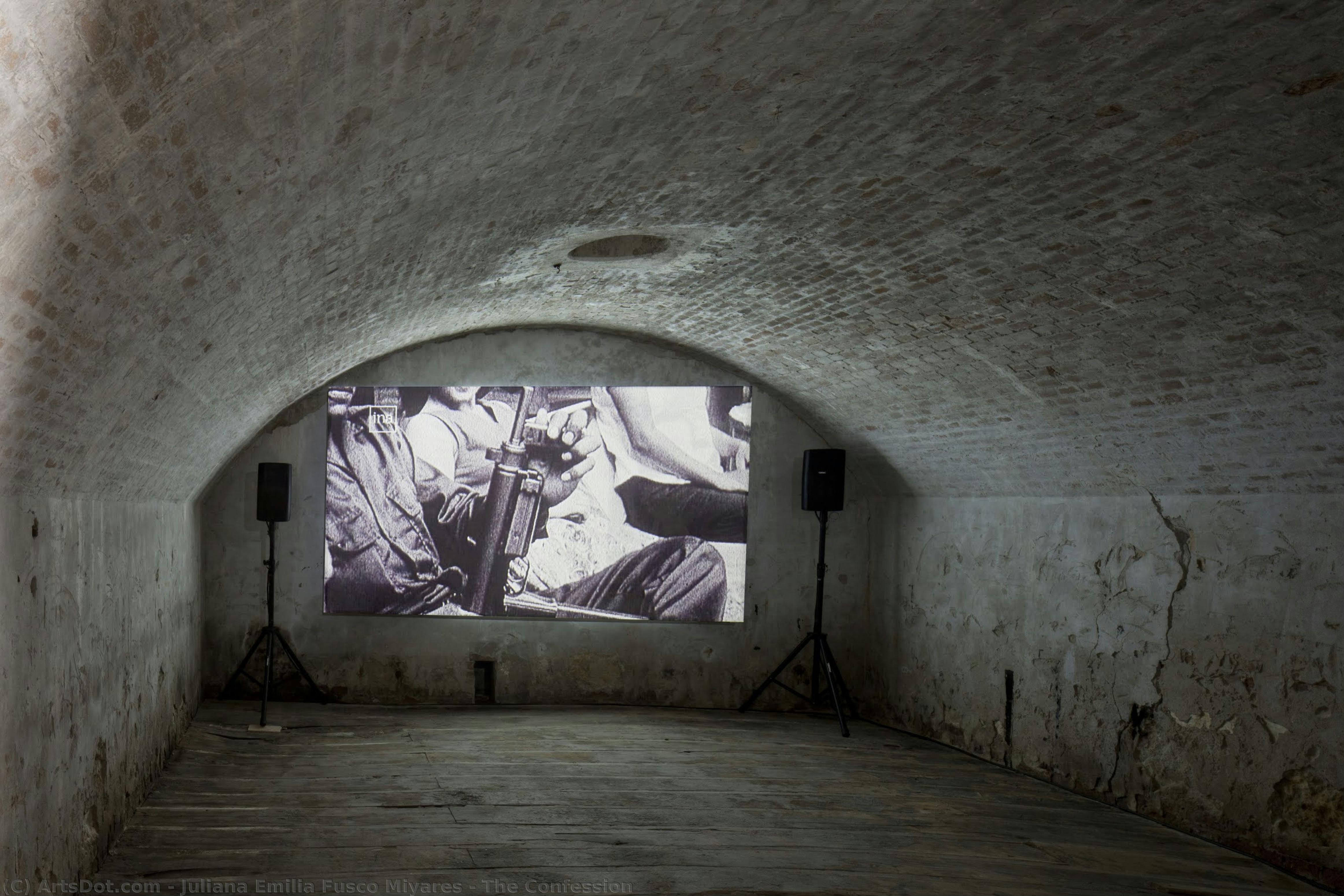
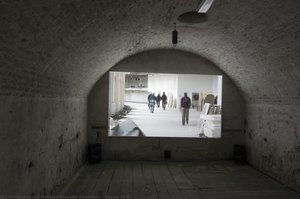
The Confession


 詳細を見る
詳細を見る




































作品のオリジナル比率に合わせた、当店の規定サイズからお選びください。

特定のフレームやスペースに合わせて、ご希望のサイズをご入力いただけます。選択されたサイズが元の画像の比率と異なる場合、アートワークをトリミングするか、手描きで要素を追加して絵画を拡張いたします。デジタルモックアップ を制作し、制作開始前にご確認(承認)をいただきます。
画面上のプレビューは、実際のトリミングや拡張を正確に反映しているものではありません。最終的な構図は、モックアップによってのみ正確にご確認いただけます。
カスタムサイズもご利用いただけますが、元の比率を維持するためには、あらかじめ用意されたリストからサイズを選択することをお勧めいたします。
ご注文後、ArtsDot.com チームより詳細な指示をお送りするとともに、仕上がりイメージ(モックアップ)をご提供いたします。


 ガラスオプションは、110cm未満のサイズでのみご利用いただけます。

The Confession
複製技法
複製画のサイズ
-


合計金額
$ 263
作品解説
関連作品






アーティストの略歴
The Liminality of Identity: The Art of Juliana Emilia Fusco Miyares
Born in the vibrant, culturally complex atmosphere of Havana, Cuba, in 1960, Juliana Emilia Fusco Miyares has emerged as a formidable force in the contemporary art world. Her artistic trajectory is deeply intertwined with her dual identity as a Cuban-American, a position that allows her to navigate and critique the intersections of cultural heritage and transatlantic experience. This unique vantage point serves as the foundation for an oeuvre that is both deeply personal and broadly political, moving seamlessly between the intimate nuances of autobiography and the sweeping critiques of global power structures.
Fusco’s work is rarely confined to a single medium; instead, she thrives in the liminal spaces where performance meets installation. She approaches the canvas of the physical world as a site for interrogation, utilizing her own body and meticulously constructed environments to challenge established narratives. Her practice is characterized by an unflinching engagement with the complexities of gender, race, and social hierarchy. Through immersive experiences, she invites the viewer into a state of vulnerability, forcing a confrontation with the uncomfortable truths regarding how identity is constructed, performed, and often policed by societal expectations.
Performance as Resistance and Re-imagination
At the heart of Fusco’s practice lies the concept of performance as a vehicle for resistance. Drawing inspiration from the profound theories of thinkers such as Judith Butler, she explores the performative nature of gender, treating identity not as a fixed essence but as a continuous, often contested, act. Her performances are rarely mere spectacles; they are rigorous intellectual exercises that dismantle stereotypes and interrogate the gaze. By employing autobiographical elements, she weaves her own history into larger speculative explorations, creating a tapestry of meaning that connects individual struggle to systemic oppression.
This sense of layered meaning extends into her installation work, where space itself becomes a medium for storytelling. Her installations are noted for their meticulous attention to detail and a deliberate manipulation of the viewer's movement through space. These environments often feature:
- Fragmented imagery that disrupts linear perception and suggests the fractured nature of memory.
- Layered textures that evoke the complexity of historical layers and the accumulation of cultural experience.
- Immersive atmospheres designed to provoke dialogue and reflection on visibility and access within the art world.
A Legacy of Critical Discourse
The significance of Juliana Emilia Fusco Miyares lies in her ability to transform the gallery space into a laboratory for social critique. Her work, exemplified by pieces such as 'La Confesión,' serves as a profound examination of the ways in which power is exerted through representation. By focusing on the marginalized and the unseen, she expands the boundaries of contemporary art discourse, ensuring that the voices of the displaced and the disempowered are not merely heard but are central to the conversation.
As her career continues to evolve, Fusco remains a vital figure in the landscape of interdisciplinary art. Her enduring contribution to the field is found in her refusal to accept easy answers, opting instead to dwell within the tension of the unknown. Through her mastery of performance and installation, she has created a lasting impact that challenges us to reconsider our own roles within the grand, often turbulent, architecture of human identity.

juliana emilia fusco miyares
1960 - , Cuba
基本情報
- Artistic Movement Or Style: Performance Art & Installation
- Date Of Birth: 1960 Havana Cuba
- Date Of Death: Living
- Full Name: Juliana Emilia Fusco Miyares
- Nationality: Cuban-American
- Notable Artworks: ['La Confesión']
- Place Of Birth: Havana Cuba

