

 プレビュー
プレビュー
 プリントを購入
 シェアする
シェアする シェアする
シェアする
 詳細を見る
詳細を見る

 ダウンロード
 似ている作品
 X線調査
X線調査 スライドショー
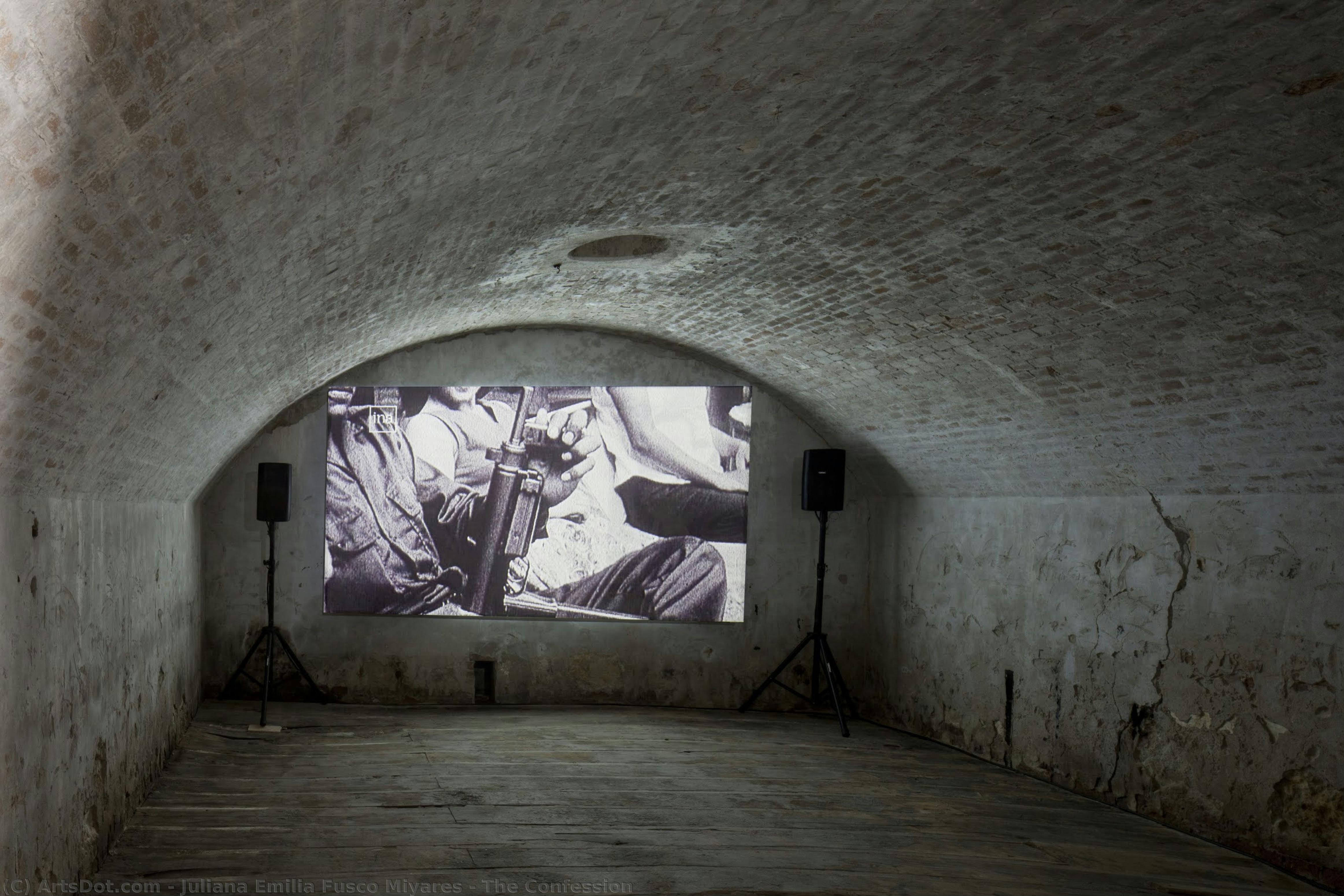
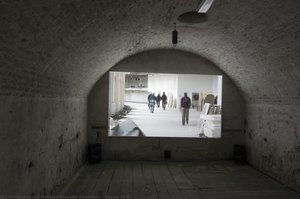
The Confession


 詳細を見る
詳細を見る
オンラインプレビューをはるかに凌ぐ、高解像度で鮮明なデジタル画像をご購入いただけます。
各ファイルは、社内の専門家が高度なツールと熟練した手作業によるレタッチを用いて、細心の注意を払って準備されています。すべての画像において、卓越した鮮明度、正確な色彩再現性、そして繊細なディテールを保証いたします。
最終ファイルは、プロフェッショナルな編集・印刷環境ですぐにご利用いただけるよう最適化された状態で、72時間以内にメールにてお届けいたします。これは、一流のデザインスタジオ、出版社、ギャラリーから信頼されているものと同等の品質です。
デジタル画像のご注文に付随する特典
高品質なデジタル画像配信を、確かな品質で。
ArtsDot.com を選ぶことは、単に画像を手に入れることではありません。それは、プロの手によって精密に仕上げられ、満足保証が付いた高品質なデジタルアートワークを受け取ることを意味します。ご注文いただいた際に自動的に付随する内容は、以下の通りです:

メールですぐにお届け
ご注文から72時間以内に、高解像度のデジタル画像ファイルがメールでお手元に届きます。すぐにそのままご利用いただけます。

AI技術で最適化されたデジタルファイル
お客様の作品は、高度なAIツールと専門家による手作業の編集を組み合わせてプロフェッショナルに最適化されており、細部のディテール、鮮明さ、そして正確な色再現性を最大限に引き出しています。

一生涯無料の再送サービス
ファイルを誤って削除したり、紛失してしまったりしましたか?ご安心ください。いつでも無料で再送いたします。

輸入手数料は一切かかりません
関税や手数料、配送料を気にすることなく、お気に入りのアートワークをすぐにお楽しみいただけます。デジタルダウンロードは常に免税です。

色彩再現の保証
プロ仕様のツールとカラーマネジメント技術を用いることで、デジタル画像が元の色を最大限に忠実に再現することを保証いたします。

60日間満足保証
ご購入いただいたデジタル画像にご満足いただけない場合は、60日以内であれば、修正または100%の返金(理由を問う必要はありません)をさせていただきます。

100% 返金保証
ご満足いただけない場合は、デジタルファイルを受け取ってから60日以内であれば、理由を問わず全額返金いたします。

まとめ買い割引
3枚購入で10%OFF - 5枚購入で15%OFF - 10枚以上購入で20%OFF。クリエイティブなプロジェクト、ギャラリー、エージェンシーに最適です。
作品の詳細
関連作品






作家の略歴
The Liminality of Identity: The Art of Juliana Emilia Fusco Miyares
Born in the vibrant, culturally complex atmosphere of Havana, Cuba, in 1960, Juliana Emilia Fusco Miyares has emerged as a formidable force in the contemporary art world. Her artistic trajectory is deeply intertwined with her dual identity as a Cuban-American, a position that allows her to navigate and critique the intersections of cultural heritage and transatlantic experience. This unique vantage point serves as the foundation for an oeuvre that is both deeply personal and broadly political, moving seamlessly between the intimate nuances of autobiography and the sweeping critiques of global power structures.
Fusco’s work is rarely confined to a single medium; instead, she thrives in the liminal spaces where performance meets installation. She approaches the canvas of the physical world as a site for interrogation, utilizing her own body and meticulously constructed environments to challenge established narratives. Her practice is characterized by an unflinching engagement with the complexities of gender, race, and social hierarchy. Through immersive experiences, she invites the viewer into a state of vulnerability, forcing a confrontation with the uncomfortable truths regarding how identity is constructed, performed, and often policed by societal expectations.
Performance as Resistance and Re-imagination
At the heart of Fusco’s practice lies the concept of performance as a vehicle for resistance. Drawing inspiration from the profound theories of thinkers such as Judith Butler, she explores the performative nature of gender, treating identity not as a fixed essence but as a continuous, often contested, act. Her performances are rarely mere spectacles; they are rigorous intellectual exercises that dismantle stereotypes and interrogate the gaze. By employing autobiographical elements, she weaves her own history into larger speculative explorations, creating a tapestry of meaning that connects individual struggle to systemic oppression.
This sense of layered meaning extends into her installation work, where space itself becomes a medium for storytelling. Her installations are noted for their meticulous attention to detail and a deliberate manipulation of the viewer's movement through space. These environments often feature:
- Fragmented imagery that disrupts linear perception and suggests the fractured nature of memory.
- Layered textures that evoke the complexity of historical layers and the accumulation of cultural experience.
- Immersive atmospheres designed to provoke dialogue and reflection on visibility and access within the art world.
A Legacy of Critical Discourse
The significance of Juliana Emilia Fusco Miyares lies in her ability to transform the gallery space into a laboratory for social critique. Her work, exemplified by pieces such as 'La Confesión,' serves as a profound examination of the ways in which power is exerted through representation. By focusing on the marginalized and the unseen, she expands the boundaries of contemporary art discourse, ensuring that the voices of the displaced and the disempowered are not merely heard but are central to the conversation.
As her career continues to evolve, Fusco remains a vital figure in the landscape of interdisciplinary art. Her enduring contribution to the field is found in her refusal to accept easy answers, opting instead to dwell within the tension of the unknown. Through her mastery of performance and installation, she has created a lasting impact that challenges us to reconsider our own roles within the grand, often turbulent, architecture of human identity.

juliana emilia fusco miyares
1960 - , Cuba
プロフィール概要
- Artistic Movement Or Style: Performance Art & Installation
- Date Of Birth: 1960 Havana Cuba
- Date Of Death: Living
- Full Name: Juliana Emilia Fusco Miyares
- Nationality: Cuban-American
- Notable Artworks: ['La Confesión']
- Place Of Birth: Havana Cuba

