

 プレビュー
プレビュー
 プリントを購入
 シェアする
シェアする シェアする
シェアする
 詳細を見る
詳細を見る

 ダウンロード
 似ている作品
 X線調査
X線調査 スライドショー
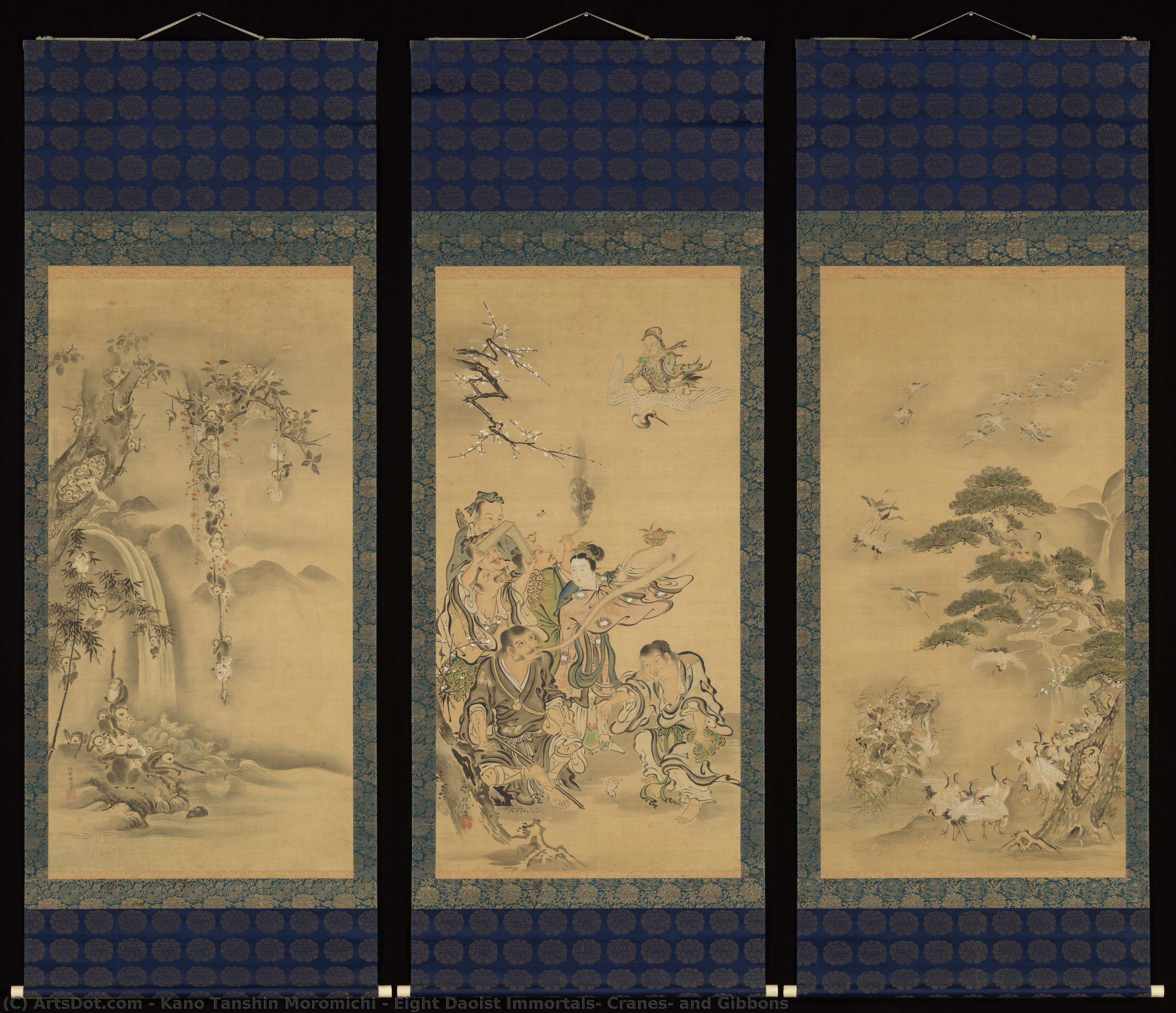
Eight Daoist Immortals, Cranes, and Gibbons
 701
701 241.0cm x 95.0cm
 詳細を見る
詳細を見る
オンラインプレビューをはるかに凌ぐ、高解像度で鮮明なデジタル画像をご購入いただけます。
各ファイルは、社内の専門家が高度なツールと熟練した手作業によるレタッチを用いて、細心の注意を払って準備されています。すべての画像において、卓越した鮮明度、正確な色彩再現性、そして繊細なディテールを保証いたします。
最終ファイルは、プロフェッショナルな編集・印刷環境ですぐにご利用いただけるよう最適化された状態で、72時間以内にメールにてお届けいたします。これは、一流のデザインスタジオ、出版社、ギャラリーから信頼されているものと同等の品質です。
デジタル画像のご注文に付随する特典
高品質なデジタル画像配信を、確かな品質で。
ArtsDot.com を選ぶことは、単に画像を手に入れることではありません。それは、プロの手によって精密に仕上げられ、満足保証が付いた高品質なデジタルアートワークを受け取ることを意味します。ご注文いただいた際に自動的に付随する内容は、以下の通りです:

メールですぐにお届け
ご注文から72時間以内に、高解像度のデジタル画像ファイルがメールでお手元に届きます。すぐにそのままご利用いただけます。

AI技術で最適化されたデジタルファイル
お客様の作品は、高度なAIツールと専門家による手作業の編集を組み合わせてプロフェッショナルに最適化されており、細部のディテール、鮮明さ、そして正確な色再現性を最大限に引き出しています。

一生涯無料の再送サービス
ファイルを誤って削除したり、紛失してしまったりしましたか?ご安心ください。いつでも無料で再送いたします。

輸入手数料は一切かかりません
関税や手数料、配送料を気にすることなく、お気に入りのアートワークをすぐにお楽しみいただけます。デジタルダウンロードは常に免税です。

色彩再現の保証
プロ仕様のツールとカラーマネジメント技術を用いることで、デジタル画像が元の色を最大限に忠実に再現することを保証いたします。

60日間満足保証
ご購入いただいたデジタル画像にご満足いただけない場合は、60日以内であれば、修正または100%の返金(理由を問う必要はありません)をさせていただきます。

100% 返金保証
ご満足いただけない場合は、デジタルファイルを受け取ってから60日以内であれば、理由を問わず全額返金いたします。

まとめ買い割引
3枚購入で10%OFF - 5枚購入で15%OFF - 10枚以上購入で20%OFF。クリエイティブなプロジェクト、ギャラリー、エージェンシーに最適です。
作品の詳細
関連作品










作家の略歴
A Legacy of Serenity: The Life and Art of Kano Tanshin Moromichi
Kano Tanshin Moromichi, a name resonating with the refined elegance of Edo-period Japan, was born in Kyoto in 1785. He wasn’t simply an artist; he was a custodian of tradition, inheriting a lineage steeped in the prestigious Kano school—a dynasty that had shaped Japanese painting for centuries. His life unfolded against a backdrop of relative peace and flourishing arts under the Tokugawa shogunate, yet it was also a period witnessing subtle shifts in artistic sensibilities, a tension Tanshin navigated with remarkable skill. As the seventh generation leader of the Kajibashi branch of the Kano family, he bore the weight of expectation while simultaneously forging his own distinct path within the established conventions. His full name, Kano Tanshin Morimichi, reflects this dual role—a connection to ancestral mastery and a personal identity as a painter of considerable talent.The Weight of Tradition: Early Life and Training
Tanshin’s father was Kano Tan'yū, and his mother was Tan'yū’s second wife. This familial context immediately positioned him within the heart of the Kano school’s Kyoto branch. The Kano school wasn’t merely a style; it was an institution—a network of workshops, patrons, and established techniques. Tanshin’s early training would have been rigorous, focused on mastering the brushwork, composition, and subject matter favored by the school. This included meticulous copying of earlier masters, not as rote imitation but as a means of internalizing their principles. The Kano style, known for its dynamic compositions, bold colors, and often monumental scale, served official commissions—decorating castles, temples, and aristocratic residences. However, Tanshin’s artistic development wasn't solely confined to replicating the past. He demonstrated an early inclination towards a more lyrical approach, subtly infusing his work with elements reminiscent of the Tosa school, a rival style celebrated for its delicate lines and refined elegance. This blending of influences would become a hallmark of his mature work.A Delicate Balance: Style and Influences
Tanshin’s paintings are characterized by a serene beauty—a harmonious blend of power and grace. While firmly rooted in the Kano tradition, he subtly moved away from its more rigid formality. His landscapes possess a remarkable sense of atmosphere, achieved through delicate washes of ink and subtle gradations of color. He excelled at depicting birds and flowers, imbuing them with a quiet vitality that resonated deeply with Zen Buddhist aesthetics. The influence of the Tosa school is evident in his refined linework and attention to detail, yet he never abandoned the Kano school’s dynamic compositions. This delicate balance—between tradition and innovation—was both praised and criticized during his lifetime. Some lauded his ability to breathe new life into established forms, while others viewed his departure from strict Kano conventions as a betrayal of its core principles. Hanabusa Itchō, a prominent art critic of the period, recognized Tanshin’s “rare talent,” attributing it to his keen observation of nature and his ability to capture its essence in his paintings.Major Achievements and Artistic Legacy
Although documentation of his complete oeuvre remains incomplete, several works attributed to Kano Tanshin Moromichi stand as testaments to his skill and artistic vision. His depictions of the Seven Lucky Gods, particularly *Jurōjin*, are celebrated for their serene beauty and symbolic richness. Jurōjin, the god of longevity, embodies auspiciousness and good fortune—a fitting subject for celebratory paintings commissioned during the New Year season. Other notable works include landscapes featuring cranes and gibbons, and delicate depictions of doves on plum branches. These paintings showcase his mastery of ink wash techniques and his ability to create a sense of depth and atmosphere. Tanshin’s influence extended beyond his own artistic production. As head of the Kajibashi branch, he oversaw the training of numerous students, perpetuating the Kano school’s legacy while subtly shaping its future direction. His work represents a pivotal moment in the history of Japanese painting—a transition between tradition and innovation, power and grace.Historical Significance
Kano Tanshin Moromichi lived during a period of increasing social and political change in Japan. The Edo period was characterized by relative stability, but also by growing economic disparities and the rise of a merchant class with its own distinct aesthetic preferences. This led to a diversification of artistic styles and a questioning of established conventions. Tanshin’s work reflects this changing landscape—a subtle rebellion against rigid formality and an embrace of more lyrical and expressive forms. While he remained committed to the Kano school’s core principles, he also demonstrated a willingness to experiment and incorporate new influences. This made him a controversial figure during his lifetime, but it also ensured his lasting legacy as one of the most important painters of the Edo period. His paintings continue to be admired for their serene beauty, technical mastery, and symbolic richness—a testament to the enduring power of tradition and the transformative potential of artistic innovation. He passed away in 1835, leaving behind a body of work that continues to inspire and captivate audiences today.
kano tanshin moromichi
1785 - 1835 , Japan
プロフィール概要
- Artistic Movement Or Style: kanō school
- Artists Or Movements Influenced By This Artist: ['kanō school']
- Artists Who Influenced This Artist: ["kanō tan'yū"]
- Date Of Birth: 1785
- Date Of Death: 1835
- Full Name: kano tanshin moromichi
- Nationality: japanese
- Notable Artworks: ['jurōjin']
- Place Of Birth: kyoto, japan

