

 プレビュー
プレビュー
 プリントを購入
 シェアする
シェアする シェアする
シェアする
 詳細を見る
詳細を見る

 ダウンロード
 似ている作品
 X線調査
X線調査 スライドショー
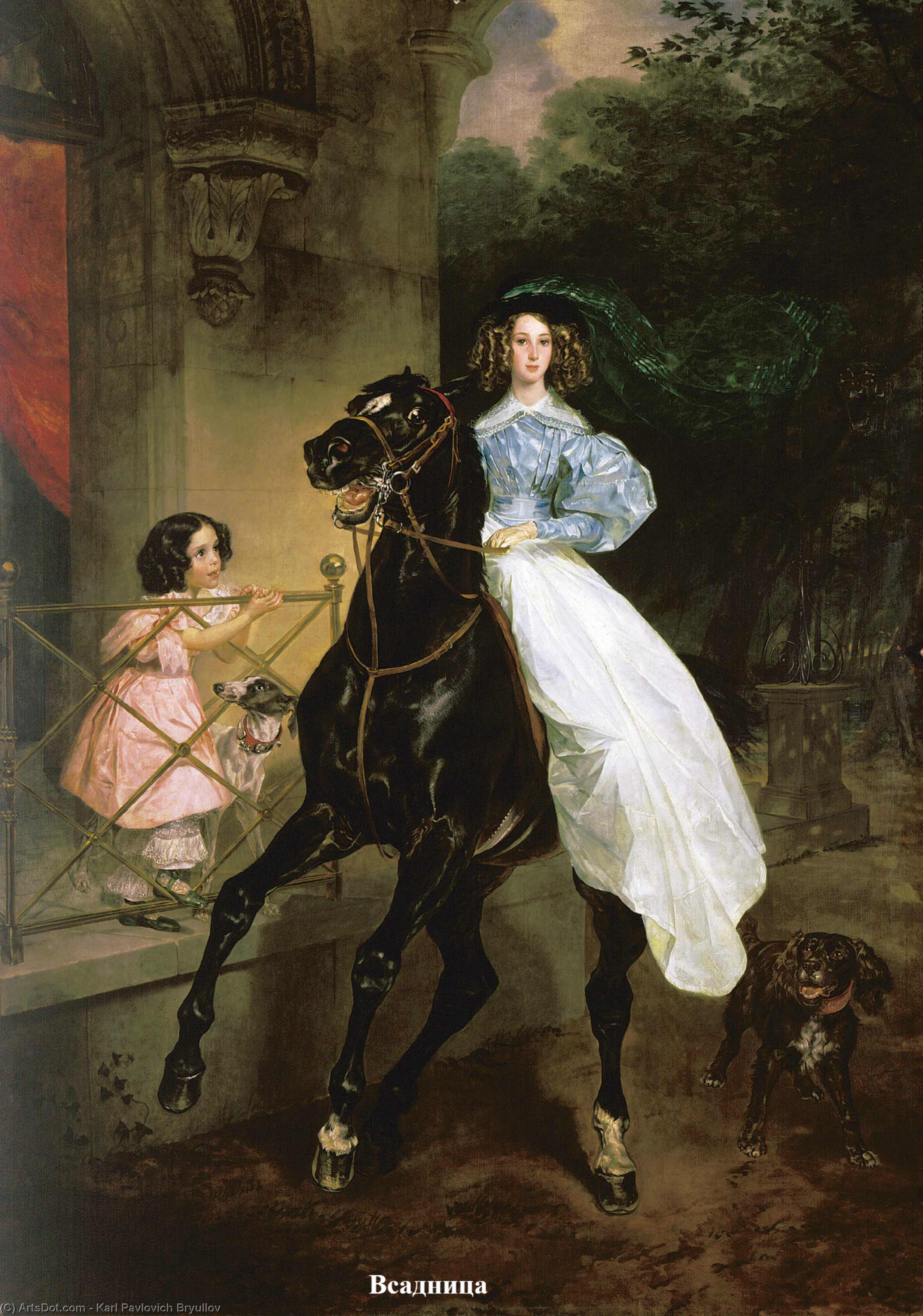
The Rider
 Acrylic On Canvas
- WallArt
- Romanticism
 1832
1832- 19th Century
 292.0 x 206.0 cm
 トレチャコフ美術館
 詳細を見る
詳細を見る
オンラインプレビューをはるかに凌ぐ、高解像度で鮮明なデジタル画像をご購入いただけます。
各ファイルは、社内の専門家が高度なツールと熟練した手作業によるレタッチを用いて、細心の注意を払って準備されています。すべての画像において、卓越した鮮明度、正確な色彩再現性、そして繊細なディテールを保証いたします。
最終ファイルは、プロフェッショナルな編集・印刷環境ですぐにご利用いただけるよう最適化された状態で、72時間以内にメールにてお届けいたします。これは、一流のデザインスタジオ、出版社、ギャラリーから信頼されているものと同等の品質です。
デジタル画像のご注文に付随する特典
高品質なデジタル画像配信を、確かな品質で。
ArtsDot.com を選ぶことは、単に画像を手に入れることではありません。それは、プロの手によって精密に仕上げられ、満足保証が付いた高品質なデジタルアートワークを受け取ることを意味します。ご注文いただいた際に自動的に付随する内容は、以下の通りです:

メールですぐにお届け
ご注文から72時間以内に、高解像度のデジタル画像ファイルがメールでお手元に届きます。すぐにそのままご利用いただけます。

AI技術で最適化されたデジタルファイル
お客様の作品は、高度なAIツールと専門家による手作業の編集を組み合わせてプロフェッショナルに最適化されており、細部のディテール、鮮明さ、そして正確な色再現性を最大限に引き出しています。

一生涯無料の再送サービス
ファイルを誤って削除したり、紛失してしまったりしましたか?ご安心ください。いつでも無料で再送いたします。

輸入手数料は一切かかりません
関税や手数料、配送料を気にすることなく、お気に入りのアートワークをすぐにお楽しみいただけます。デジタルダウンロードは常に免税です。

色彩再現の保証
プロ仕様のツールとカラーマネジメント技術を用いることで、デジタル画像が元の色を最大限に忠実に再現することを保証いたします。

60日間満足保証
ご購入いただいたデジタル画像にご満足いただけない場合は、60日以内であれば、修正または100%の返金(理由を問う必要はありません)をさせていただきます。

100% 返金保証
ご満足いただけない場合は、デジタルファイルを受け取ってから60日以内であれば、理由を問わず全額返金いたします。

まとめ買い割引
3枚購入で10%OFF - 5枚購入で15%OFF - 10枚以上購入で20%OFF。クリエイティブなプロジェクト、ギャラリー、エージェンシーに最適です。
作品の詳細
A Moment Frozen in Light: Bryullov’s “The Rider”
Karl Pavlovich Bryullov's "The Rider," painted in 1832, is more than just a portrait; it’s a carefully constructed tableau of aristocratic leisure and burgeoning Romantic sentiment. This captivating work, now available as a stunning hand-painted reproduction from ArtsDot.com, transports the viewer to a sun-drenched Italian estate, capturing an intimate scene of a young woman – Giovanina and Amacilia Pacini, the adopted children of Countess Yuliya Pavlovna Samoil – enjoying a ride with her beloved horses and loyal dogs. The painting’s enduring appeal lies not only in its exquisite detail but also in the subtle narrative it unfolds, revealing layers of social commentary and artistic ambition.
Bryullov, born in Saint Petersburg in 1799, was deeply influenced by the Italian Renaissance masters – Raphael, Michelangelo, and Caravaggio. He sought to emulate their dramatic use of light and shadow, a technique known as *chiaroscuro*, which he masterfully employs here. Notice how the sunlight streams across the figures, highlighting their forms and creating an almost theatrical effect. The composition is meticulously balanced; the woman’s confident posture and direct gaze command attention, while the horses and dogs provide a dynamic counterpoint. The background, rendered with a softer touch, suggests a vast estate, hinting at wealth and privilege – a key element of the Romantic era's fascination with grand landscapes and aristocratic life.
The Language of Gesture and Detail
Bryullov’s skill in depicting human emotion is particularly striking. The woman’s relaxed yet alert stance, her hand lightly resting on the horse’s neck, conveys a sense of comfortable companionship and control. Her long hair, flowing freely in the breeze, adds to the painting's romantic atmosphere. The dogs, positioned strategically on either side, are not merely accessories but active participants in this idyllic scene – symbols of loyalty and devotion. The artist’s attention to detail is remarkable; observe the texture of the horses’ coats, the gleam of their harnesses, and the subtle expressions on the animals' faces. These small details contribute significantly to the painting’s overall realism and emotional impact.
Furthermore, the inclusion of the two children, Giovanina and Amacilia Pacini, adds a layer of poignant beauty. They represent innocence and vulnerability amidst the grandeur of aristocratic life. The fact that they are adopted highlights themes of family, belonging, and the blurring lines between social classes – a common subject in Romantic art. The painting subtly critiques the rigid societal structures of the time while celebrating the joys of simple pleasures.
Historical Context and Artistic Innovation
"The Rider" was commissioned by Countess Yuliya Samoilova in Milan, reflecting Bryullov’s successful relocation to Italy during his artistic career. It quickly gained recognition for its dramatic lighting and realistic portrayal of figures – a departure from the more formal styles prevalent at the time. The painting's exhibition at the Brera Academy of Fine Arts in 1832 generated considerable buzz, with critics praising Bryullov’s ability to capture both the beauty and the drama of the subject matter. He was compared favorably to Rubens and Van Dyck, solidifying his reputation as a leading figure in Russian Romanticism.
Bryullov's work represents a pivotal moment in art history, bridging the gap between Neoclassicism and Romanticism. His emphasis on emotional expression, dramatic lighting, and dynamic composition paved the way for future generations of artists. Today, "The Rider" remains a powerful testament to Bryullov’s artistic genius and a captivating window into the world of 19th-century aristocratic life. ArtsDot.com's hand-painted reproductions offer an unparalleled opportunity to experience this masterpiece in exquisite detail, bringing its beauty and emotional resonance directly into your home or studio.
Bringing “The Rider” Home
Available as a large-scale hand-painted reproduction, "The Rider" is more than just a decorative piece; it’s an investment in art history. Our skilled artisans meticulously recreate Bryullov's original techniques, ensuring that every brushstroke and nuance of color are faithfully reproduced. The result is a stunningly accurate and vibrant representation of this iconic painting – perfect for adding a touch of elegance and historical depth to any interior space. Consider the impact of this evocative scene in your living room, study, or gallery; it’s a conversation starter, a source of inspiration, and a timeless work of art.
関連作品
作家の略歴
カール・パヴロヴィチ・ブリューロフ:ロマン主義を彩った生涯
カール・パヴロヴィチ・ブリューロフ(Karl Pavlovich Bryullov、旧名:カール・ブリュッロ)は、18世紀末のロシア、サンクトペテルブルクに生まれ、19世紀の芸術界を大きく揺るがした画家です。彼の父、パヴェル・イワノヴィチ・ブリューロフはアカデミー会員であり、木彫家、版画家として名声を馳せていました。幼いカールは父から芸術への愛情を育み、その才能を開花させていくことになります。1809年、帝国美術学校に入学し、正式な教育を受ける中で、彼の芸術的素質が徐々に明らかになっていきました。
古典とロマン主義の狭間で
ブリューロフは、古典的な枠組みの中で教育を受けながらも、その厳格さに常に葛藤していました。幼少の頃からイタリアへの強い憧れを抱き、彼の芸術的発展はイタリア・ルネサンス期の巨匠たちからの影響を深く受けています。特にラファエロ、ミケランジェロ、カラヴァッジョといった画家たちの作品から、光と影の劇的な表現や解剖学的な正確さへの探求心を学びました。彼の作品には、これらの巨匠たちの影響が色濃く表れており、古典主義の堅実さとロマン主義の情熱が融合した独特の世界観を構築していきました。
「ポンペイ最期の日の光」と国際的な名声
ブリューロフの名声を決定づけたのは、1830年から1833年にかけて制作された壮大な歴史画「ポンペイ最期の日の光」です。ヴェスヴィオ火山の噴火という混沌とした状況を描いたこの作品は、その劇的な構図、感情の激しさ、そして卓越した技術力によって、瞬く間に国際的な賞賛を集めました。プーシキンやゴーゴリといった同時代の文豪たちからも絶大な評価を受け、彼の地位を不動のものとしました。
多様な表現への挑戦
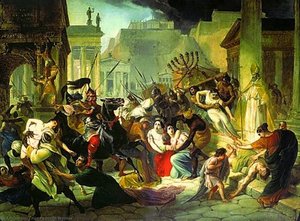
「ポンペイ最期の日の光」以降、ブリューロフは様々なテーマに挑戦し、その芸術的才能を発揮していきました。「ツァーリの命奪取」(1827年)は初期の作品であり、歴史的な出来事を巧みに描写した技術が際立っています。また、「聖墳墓を守護する」 (1846年)では、感情と歴史的正確さのバランスを追求し、彼の円熟期における表現力を示しました。さらに、「ユリヤ・パヴロヴナ・サモイロワ夫人の舞踏会からの退場」(1832年)は、肖像画における彼の卓越した才能を示す傑作です。そして、「ガイスリックのローマ侵攻」(1835年)は、バロック様式の影響を受けたもう一つのドラマチックな歴史的場面を描いています。
晩年の苦悩と芸術への献身
「ポンペイ最期の日の光」の成功の後、ブリューロフはロシアに帰国し、1836年に帝国美術アカデミーの教授として迎えられました。彼はそこで次世代のロシア人アーティストたちを指導し、その才能を育んでいきました。しかし、健康状態は徐々に悪化していき、サン・イサーク大聖堂の天井画制作中に深刻な病に苦しむことになります。1849年、健康回復を目指してロシアを離れ、マデイラ島を経てイタリアに移住し、ローマ近郊で静かな生活を送りました。
ロマン主義におけるブリューロフの功績
カール・パヴロヴィチ・ブリューロフは、ロシア・ロマン主義を代表する画家の一人として、その歴史に大きな足跡を残しました。彼の作品は、古典主義的な形式美から脱却し、より感情的でドラマチックな表現へと向かうロシア美術の転換点となりました。彼は新古典主義の堅実さとロマン主義の情熱を融合させ、ガヴリール・ゴレロフをはじめとする後進のアーティストたちに多大な影響を与えました。ブリューロフは、単なる画家としてだけでなく、尊敬される教育者であり、芸術革新の推進者としても知られています。1852年6月23日、彼はローマ近郊で生涯を閉じましたが、その功績はロシア文化遺産の中で永遠に輝き続けるでしょう。
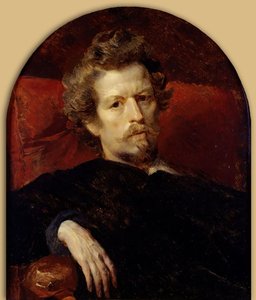
カール・パヴロヴィチ・ブリューロフ
1799 - 1852 , ロシア
プロフィール概要
- 主な作品:
- ポンペイの最期の日
- ツァーリ暗殺
- 聖墳墓の防衛
- 出生地: サンクトペテルブルク、ロシア
- 国籍: ロシア
- 影響を与えた画家・運動: ['ガヴリール・ゴレロフ']
- 影響を受けた画家:
- ラファエロ
- ミケランジェロ
- カラヴァッジョ
- 氏名: カール・パヴロヴィチ・ブリューロフ
- 没年月日: 1852年6月23日
- 生年月日: 1799年12月23日
- 芸術運動・様式: ロマン主義

