

 プレビュー
プレビュー
 プリントを購入
 シェアする
シェアする シェアする
シェアする
 詳細を見る
詳細を見る

 ダウンロード
 似ている作品
 X線調査
X線調査 スライドショー
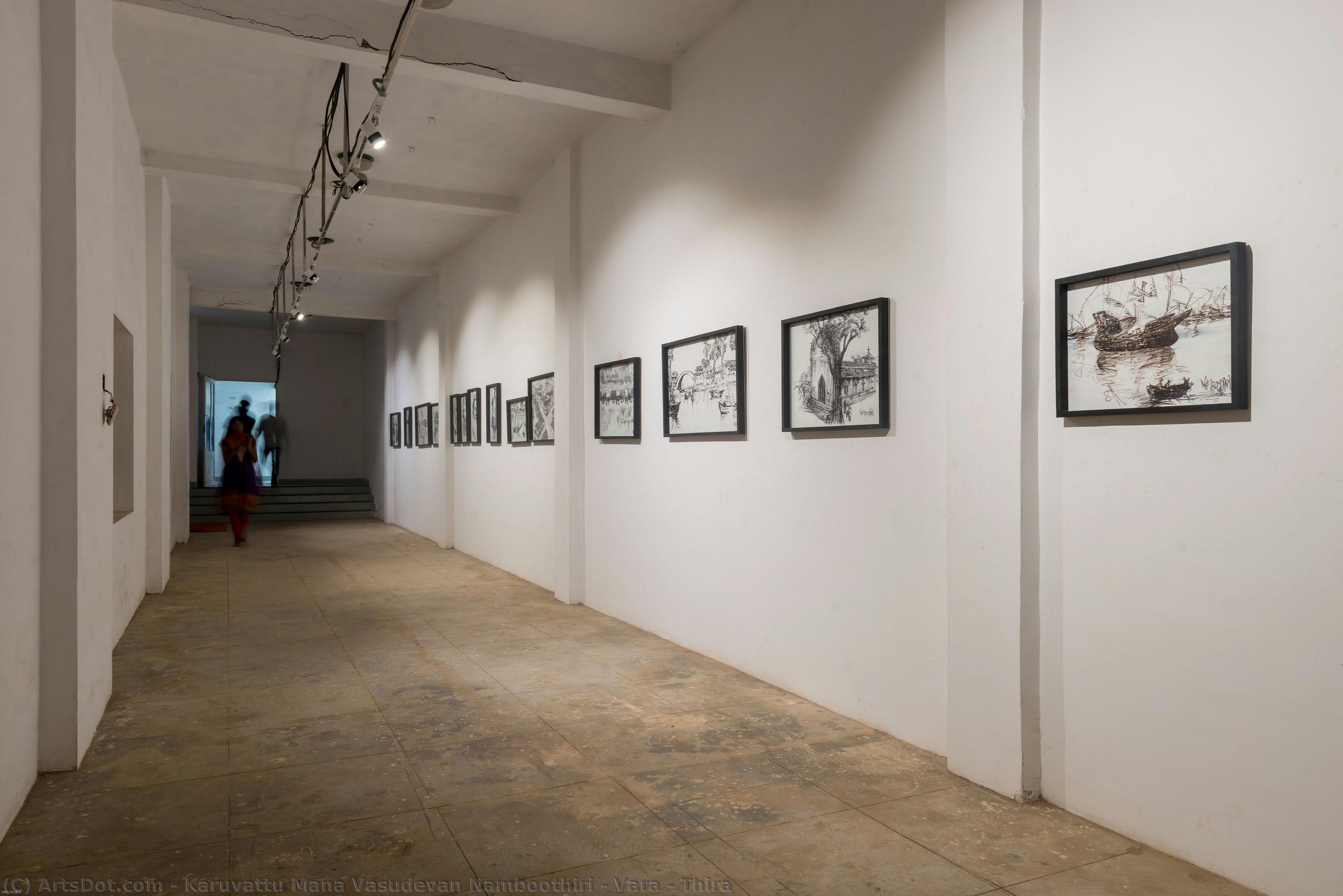
Vara / Thira


 詳細を見る
詳細を見る
オンラインプレビューをはるかに凌ぐ、高解像度で鮮明なデジタル画像をご購入いただけます。
各ファイルは、社内の専門家が高度なツールと熟練した手作業によるレタッチを用いて、細心の注意を払って準備されています。すべての画像において、卓越した鮮明度、正確な色彩再現性、そして繊細なディテールを保証いたします。
最終ファイルは、プロフェッショナルな編集・印刷環境ですぐにご利用いただけるよう最適化された状態で、72時間以内にメールにてお届けいたします。これは、一流のデザインスタジオ、出版社、ギャラリーから信頼されているものと同等の品質です。
デジタル画像のご注文に付随する特典
高品質なデジタル画像配信を、確かな品質で。
ArtsDot.com を選ぶことは、単に画像を手に入れることではありません。それは、プロの手によって精密に仕上げられ、満足保証が付いた高品質なデジタルアートワークを受け取ることを意味します。ご注文いただいた際に自動的に付随する内容は、以下の通りです:

メールですぐにお届け
ご注文から72時間以内に、高解像度のデジタル画像ファイルがメールでお手元に届きます。すぐにそのままご利用いただけます。

AI技術で最適化されたデジタルファイル
お客様の作品は、高度なAIツールと専門家による手作業の編集を組み合わせてプロフェッショナルに最適化されており、細部のディテール、鮮明さ、そして正確な色再現性を最大限に引き出しています。

一生涯無料の再送サービス
ファイルを誤って削除したり、紛失してしまったりしましたか?ご安心ください。いつでも無料で再送いたします。

輸入手数料は一切かかりません
関税や手数料、配送料を気にすることなく、お気に入りのアートワークをすぐにお楽しみいただけます。デジタルダウンロードは常に免税です。

色彩再現の保証
プロ仕様のツールとカラーマネジメント技術を用いることで、デジタル画像が元の色を最大限に忠実に再現することを保証いたします。

60日間満足保証
ご購入いただいたデジタル画像にご満足いただけない場合は、60日以内であれば、修正または100%の返金(理由を問う必要はありません)をさせていただきます。

100% 返金保証
ご満足いただけない場合は、デジタルファイルを受け取ってから60日以内であれば、理由を問わず全額返金いたします。

まとめ買い割引
3枚購入で10%OFF - 5枚購入で15%OFF - 10枚以上購入で20%OFF。クリエイティブなプロジェクト、ギャラリー、エージェンシーに最適です。
作品の詳細
Captivating Subject and Scene
This artwork masterfully captures a tranquil sunset scene, where soft blends of pink, orange, purple, and gold evoke a sense of serenity and fleeting beauty. The composition invites viewers to reflect on the ephemeral nature of light and time, emphasizing the quiet majesty of a sunset over a natural landscape. The scene’s simplicity and subtle details evoke a contemplative mood, encouraging an emotional connection with the transient moments of everyday life.Elegant Style and Technique
Created with a minimalist approach, this piece employs delicate line work and restrained color palettes to emphasize form and mood. The artist’s technique suggests traditional ink or charcoal drawing on paper, showcasing precise lines and careful shading that bring depth and texture to the scene. The monochromatic sketches within the artwork highlight the artist’s mastery of contrast, capturing intricate architectural and natural elements with clarity and finesse. The restrained use of color enhances the timeless quality of the piece, making it a versatile addition to any interior.Historical and Cultural Context
While the exact date of creation remains unknown, the style and technique reflect a deep-rooted tradition of Indian line drawing and landscape depiction. The artist, karuvattu mana vasudevan namboothiri, was renowned for his evocative illustrations that often explored themes of nature, architecture, and cultural identity. His work is celebrated for its ability to blend traditional Indian artistic sensibilities with modern minimalism, creating a bridge between past and present. This piece embodies the artist’s dedication to capturing the essence of place and memory through simple yet profound visual language.Symbolism and Emotional Resonance
The sunset’s radiant hues symbolize transition, hope, and the fleeting nature of beauty. The scene’s calm and contemplative atmosphere invites viewers to pause and reflect on their own moments of serenity and introspection. The minimalist style emphasizes the emotional power of simplicity, allowing the viewer to find meaning in the subtle interplay of light, shadow, and form. This artwork resonates deeply, evoking feelings of peace, nostalgia, and appreciation for the quiet moments that define our lives.A Perfect Addition for Collectors and Interiors
Ideal for art lovers, collectors, and interior designers, this high-quality reproduction offers a timeless aesthetic that complements a variety of decor styles—from modern minimalism to classic elegance. Its understated beauty makes it suitable for personal spaces, galleries, or corporate environments seeking a touch of serenity and sophistication. Whether displayed as a focal point or part of a curated collection, this piece promises to inspire and elevate any setting with its subtle grace and profound storytelling.関連作品

作家の略歴
Robert Rauschenberg: A Pioneer of Chance and Collage
Robert Rauschenberg, born in Port Arthur, Texas, on October 22, 1925, to a fundamentalist Christian family, emerged as one of the most influential figures in mid-20th century American art. His career spanned nearly six decades, marked by an audacious exploration of materials and processes that fundamentally challenged traditional notions of painting and sculpture. Initially influenced by Surrealism and Abstract Expressionism, Rauschenberg ultimately forged his own distinctive path, pioneering the “Combine” paintings – a revolutionary approach that blurred the boundaries between genres and embraced the unexpected. His work wasn’t simply about creating beautiful images; it was an investigation into the very nature of art itself, questioning its definition and inviting viewers to engage with the process as much as the product.Early Influences and Artistic Development
Rauschenberg's early artistic education was unconventional. He attended Northwestern University briefly before serving in the Navy during World War II, experiences that profoundly shaped his perspective. Following the war, he enrolled at the University of Texas at Austin, studying English, History, and Philosophy – subjects that would later inform his conceptual approach to art. It was while working as a commercial artist in Dallas that Rauschenberg began experimenting with collage techniques, incorporating found objects and everyday materials into his work. This nascent interest in assemblage laid the groundwork for his groundbreaking Combines. Crucially, he studied under Josef Albers at Black Mountain College (1950-1953), an environment renowned for its experimental approach to art education, where he was exposed to Albers’ teachings on color theory and perception – principles that would become integral to his later work. The influence of Abstract Expressionism is evident in the scale and gestural quality of some early paintings, but Rauschenberg quickly moved beyond mere imitation, seeking a more dynamic and layered approach.The Rise of the Combines: A New Artistic Language
Rauschenberg’s breakthrough came with the introduction of the “Combines” in 1954-1964. These works represented a radical departure from traditional painting, incorporating elements such as photographs, textiles, newspaper clippings, and industrial materials directly into the canvas. The most famous examples, like *Monogram* (1955) – a combination of a painted surface and a tire – exemplify this hybrid approach. Rauschenberg deliberately avoided a single, unified style, allowing each Combine to develop organically based on the juxtaposition of its constituent elements. He described his process as “intuitive,” emphasizing chance and serendipity in the selection and arrangement of materials. This embrace of accident was not simply random; it was carefully orchestrated, reflecting a deep understanding of composition and visual relationships. The Combines were not merely paintings or sculptures; they were complex systems that invited multiple interpretations and challenged viewers to actively engage with the artwork’s layered meanings.Beyond the Combine: Expanding Artistic Horizons
While the Combines remain Rauschenberg's most iconic achievement, his artistic practice extended far beyond this single category. He continued to experiment with various media throughout his career, including photography, printmaking, and performance art. His work during the 1960s explored themes of popular culture, consumerism, and social commentary, often incorporating elements of Pop Art while maintaining a distinctly personal aesthetic. He collaborated extensively with artists like John Cage on musical performances and visual projects, further blurring the boundaries between disciplines. Later in his career, Rauschenberg focused on more intimate and reflective works, exploring themes of memory, loss, and mortality. His final major project, *Proximity* (1984-1986), involved creating a series of paintings based on photographs of his wife, Susan Bell, demonstrating a shift towards a quieter, more personal expression.Legacy and Historical Significance
Robert Rauschenberg’s impact on the art world is undeniable. He fundamentally altered the definition of painting and sculpture, paving the way for subsequent generations of artists who embraced collage, assemblage, and mixed media. His embrace of chance and his willingness to challenge conventional artistic practices established a precedent for conceptual art and performance art. Rauschenberg was awarded numerous accolades throughout his career, including the National Medal of Arts in 1993 and the Leonardo da Vinci World Award of Arts in 1995. He died on May 12, 2008, leaving behind a vast and complex body of work that continues to inspire and provoke debate. His legacy lies not only in his individual achievements but also in his pioneering spirit – a relentless pursuit of innovation and a profound belief in the transformative power of art.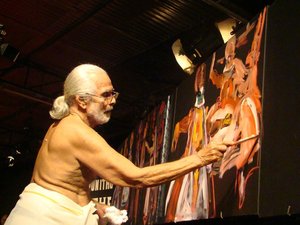
karuvattu mana vasudevan namboothiri
1925 - 2023 , India
プロフィール概要
- Artistic Movement Or Style:
- Assemblage
- Combine painting
- Neo-Dada
- Abstract expressionism
- Pop art
- Artists Or Movements Influenced By This Artist:
- Pop Art
- Neo-Dada
- Artists Who Influenced This Artist:
- Picasso
- Pollock
- Marcel Duchamp
- Date Of Birth: October 22, 1925
- Date Of Death: May 12, 2008
- Full Name: Robert Rauschenberg
- Nationality: American
- Notable Artworks:
- Canyon
- Monogram
- Rauschenberg Cards
- Place Of Birth: Port Arthur, Texas, USA

