

 プレビュー
プレビュー
 プリントを購入
 シェアする
シェアする シェアする
シェアする
 詳細を見る
詳細を見る

 ダウンロード
 似ている作品
 X線調査
X線調査 スライドショー
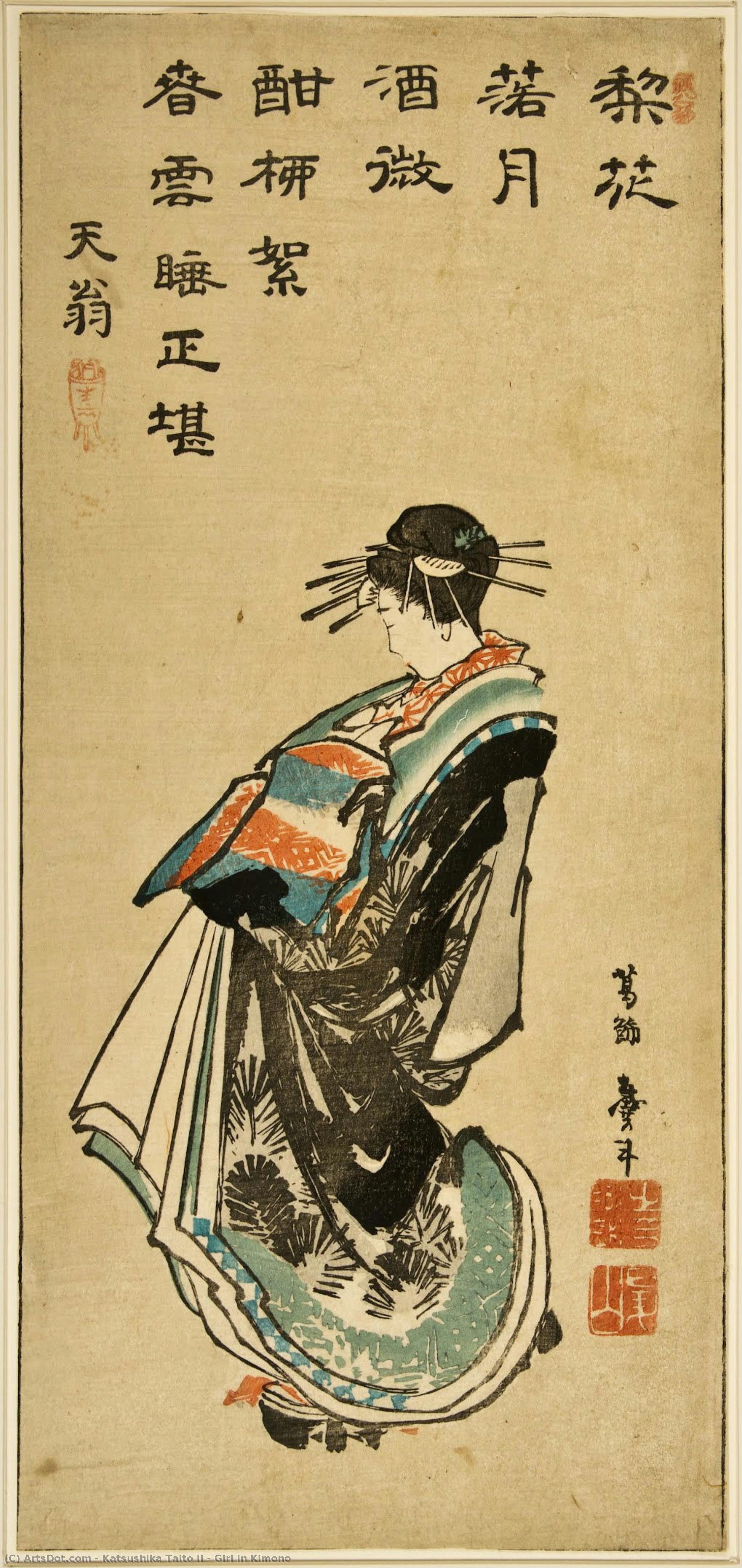
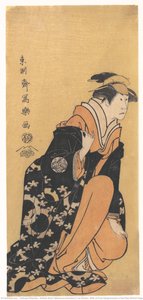
Girl in Kimono


 詳細を見る
詳細を見る
オンラインプレビューをはるかに凌ぐ、高解像度で鮮明なデジタル画像をご購入いただけます。
各ファイルは、社内の専門家が高度なツールと熟練した手作業によるレタッチを用いて、細心の注意を払って準備されています。すべての画像において、卓越した鮮明度、正確な色彩再現性、そして繊細なディテールを保証いたします。
最終ファイルは、プロフェッショナルな編集・印刷環境ですぐにご利用いただけるよう最適化された状態で、72時間以内にメールにてお届けいたします。これは、一流のデザインスタジオ、出版社、ギャラリーから信頼されているものと同等の品質です。
デジタル画像のご注文に付随する特典
高品質なデジタル画像配信を、確かな品質で。
ArtsDot.com を選ぶことは、単に画像を手に入れることではありません。それは、プロの手によって精密に仕上げられ、満足保証が付いた高品質なデジタルアートワークを受け取ることを意味します。ご注文いただいた際に自動的に付随する内容は、以下の通りです:

メールですぐにお届け
ご注文から72時間以内に、高解像度のデジタル画像ファイルがメールでお手元に届きます。すぐにそのままご利用いただけます。

AI技術で最適化されたデジタルファイル
お客様の作品は、高度なAIツールと専門家による手作業の編集を組み合わせてプロフェッショナルに最適化されており、細部のディテール、鮮明さ、そして正確な色再現性を最大限に引き出しています。

一生涯無料の再送サービス
ファイルを誤って削除したり、紛失してしまったりしましたか?ご安心ください。いつでも無料で再送いたします。

輸入手数料は一切かかりません
関税や手数料、配送料を気にすることなく、お気に入りのアートワークをすぐにお楽しみいただけます。デジタルダウンロードは常に免税です。

色彩再現の保証
プロ仕様のツールとカラーマネジメント技術を用いることで、デジタル画像が元の色を最大限に忠実に再現することを保証いたします。

60日間満足保証
ご購入いただいたデジタル画像にご満足いただけない場合は、60日以内であれば、修正または100%の返金(理由を問う必要はありません)をさせていただきます。

100% 返金保証
ご満足いただけない場合は、デジタルファイルを受け取ってから60日以内であれば、理由を問わず全額返金いたします。

まとめ買い割引
3枚購入で10%OFF - 5枚購入で15%OFF - 10枚以上購入で20%OFF。クリエイティブなプロジェクト、ギャラリー、エージェンシーに最適です。
作品の詳細
The Enigma of the Silk Veil
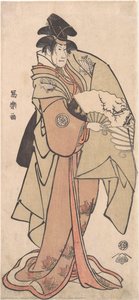
In the delicate dance between visibility and concealment, Girl in Kimono stands as a profound testament to the evocative power of the Ukiyo-e tradition. Created around 1800 by the skilled hand of Katsushika Taito II, this masterpiece invites the viewer into a world where identity is layered beneath exquisite craftsmanship. The subject, a woman captured in a moment of quiet introspection, presents her back to the observer, yet her presence is undeniably commanding. Her head turns just enough to reveal a glimpse of an ornate hairpiece, a flash of artistry that serves as a window into the meticulous grooming and social elegance of the Edo period. The composition is a masterclass in tension; while the woman’s face remains partially obscured, the sheer weight and vibrancy of her attire demand our full attention, creating a captivating mystery that lingers long after the first glance.
The technique employed by Taito II reflects the pinnacle of woodblock printing mastery. The artist utilizes bold, sweeping lines to define the heavy folds of the kimono, creating a sense of physical volume that seems to swallow the figure within its embrace. Each layer of the garment is rendered with a rhythmic precision, where the striking colors and intricate patterns act as a decorative mask. To the discerning eye, these textiles are more than mere clothing; they are a symbolic barrier between the private self and the public persona. The way the fabric obscures her body suggests a profound theme of concealment, implying that the true essence of the individual is often hidden beneath the beautiful, curated surfaces of societal expectation.
A Legacy of Elegance for the Modern Collector
Beyond its historical significance, Girl in Kimono possesses an enduring aesthetic appeal that transcends the centuries. The interplay of light and shadow, combined with the sophisticated palette characteristic of Taito II’s lineage, offers a sense of timeless grace. For the art collector or interior designer, this piece serves as a sophisticated focal point, capable of anchoring a room with its quiet dignity and historical depth. Whether placed in a contemporary gallery setting or integrated into a classic, curated study, the artwork brings an atmosphere of refined tranquility and intellectual curiosity.
Owning a high-quality reproduction of this work allows one to preserve the spirit of the Edo period within a modern living space. The piece does not merely decorate a wall; it tells a story of tradition, artistry, and the human condition. It invites conversation about the nature of identity and the beauty found in what is left unsaid. As an investment in culture and decor, this print offers a rare opportunity to engage with the legacy of the Hokusai school through a lens of profound emotional resonance and visual splendor.
関連作品
作家の略歴
Katsushika Taito II: A Master of Edo’s Natural World
Born in Tokyo, Japan, during the early 19th century, Katsushika Taito II – often simply referred to as Taito II – emerged from a lineage steeped in samurai tradition. His origins within a family hailing from Kyushu provided him with a unique perspective and grounding that would profoundly influence his artistic vision. His formal artistic education began under the tutelage of none other than Hokusai, the legendary master of Ukiyo-e, who bestowed upon him the esteemed *go* (pen name) “Taito” in 1819 – a moniker he carried throughout his prolific career. This formative connection to Hokusai wasn’t merely an apprenticeship; it was a transmission of artistic philosophy and technique, shaping Taito II's approach to capturing the beauty and dynamism of the world around him.The Rise of a Landscape Pioneer
Prior to Taito II’s emergence, Ukiyo-e prints were largely defined by depictions of courtesans, actors, and scenes from popular theatre – portraits of fleeting entertainment. However, Taito II skillfully steered the genre towards a broader exploration of nature, marking a pivotal shift in the style's trajectory. He demonstrated an exceptional ability to render intricate details of flora and fauna with remarkable precision and sensitivity. His work moved beyond mere representation; he imbued his subjects with a sense of life and movement, capturing the essence of their existence. This dedication to naturalism was particularly evident in his celebrated “Carp and Water Weeds” (also known as "Carp or Jumping Carp or Carp Swimming in Whirlpool"), a masterpiece that cemented his reputation as one of the foremost fish print designers of the Edo period. The dynamic composition, the swirling water, and the powerful musculature of the carp all speak to Taito II’s deep understanding of anatomy and his masterful control over the woodblock printing process.A Series of Celebrations: ‘Five Annual Festivals’
Further solidifying his artistic prowess was the creation of “Five Annual Festivals for the Katsushika Circle,” a series of prints completed in 1822. This ambitious undertaking showcased Taito II's versatility and his ability to capture the vibrant energy of Japanese festivals – events deeply rooted in local traditions and community spirit. The intricate details, the colorful costumes, and the lively interactions depicted within these prints offer a captivating glimpse into Edo-period life. The series wasn’t simply a documentation of festivals; it was an artistic celebration of cultural heritage, reflecting Taito II's commitment to portraying authentic Japanese experiences.Beyond the Familiar: ‘Monkey Bridge’ and Expanding Horizons
Around 1830-1844, Taito II produced “Monkey Bridge,” a print that exemplifies his growing interest in depicting scenes of everyday life and exploring less conventional subjects. This work, along with many others from this period, demonstrates a shift towards capturing the nuances of human interaction within natural settings. He continued to refine his technique, experimenting with perspective and composition to create works that were both visually stunning and emotionally resonant. His exploration extended beyond traditional landscapes, incorporating elements of humor and social commentary into his prints – a characteristic that distinguished him from many of his contemporaries.Historical Significance and Lasting Legacy
Katsushika Taito II’s contribution to Ukiyo-e is undeniable. He played a crucial role in transforming the genre from its initial focus on entertainment into a sophisticated art form capable of expressing profound observations about nature, society, and human experience. His innovative approach to landscape design, coupled with his meticulous attention to detail and his ability to capture the spirit of Japanese culture, ensured his place as one of the most important artists of the Edo period. His influence can still be felt today, inspiring contemporary artists and continuing to captivate audiences worldwide through the enduring beauty of his woodblock prints. His work remains a testament to the power of art to illuminate the world around us.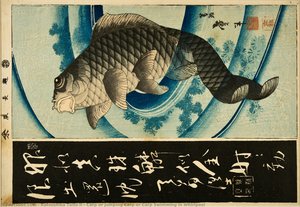
katsushika taito ii
Japan
プロフィール概要
- Artistic Movement Or Style: Ukiyo-e
- Artists Who Influenced This Artist: ['Hokusai']
- Date Of Birth: Tokyo, Japan (date missing)
- Date Of Death: Living
- Full Name: Katsushika Taito II
- Nationality: Japanese
- Notable Artworks:
- Carp & Water Weeds
- Five Annual Festivals
- Monkey Bridge
- Place Of Birth: Tokyo, Japan

