

 プレビュー
プレビュー
 プリントを購入
 シェアする
シェアする シェアする
シェアする
 詳細を見る
詳細を見る

 ダウンロード
 似ている作品
 X線調査
X線調査 スライドショー
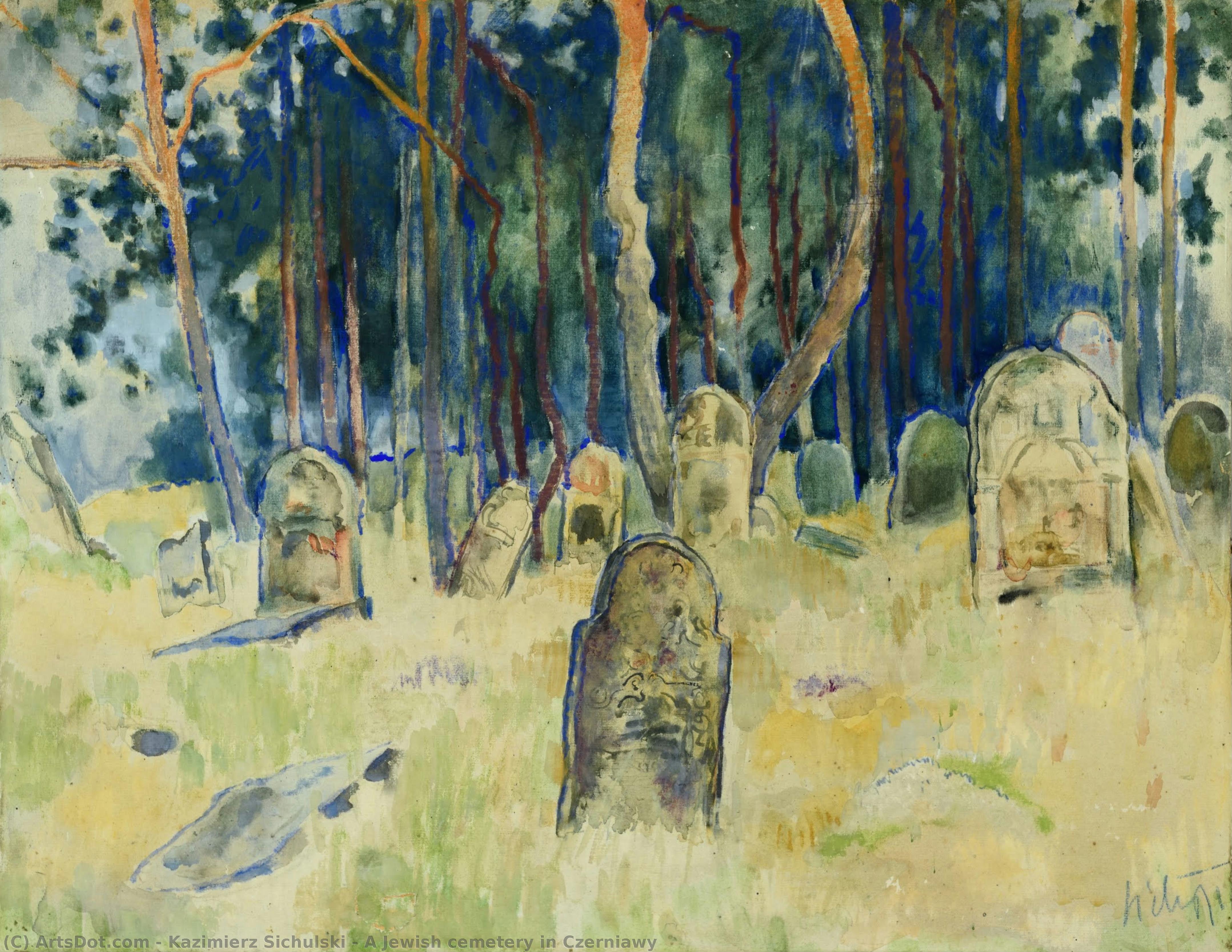
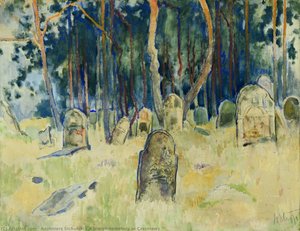
A Jewish cemetery in Czerniawy


 詳細を見る
詳細を見る
オンラインプレビューをはるかに凌ぐ、高解像度で鮮明なデジタル画像をご購入いただけます。
各ファイルは、社内の専門家が高度なツールと熟練した手作業によるレタッチを用いて、細心の注意を払って準備されています。すべての画像において、卓越した鮮明度、正確な色彩再現性、そして繊細なディテールを保証いたします。
最終ファイルは、プロフェッショナルな編集・印刷環境ですぐにご利用いただけるよう最適化された状態で、72時間以内にメールにてお届けいたします。これは、一流のデザインスタジオ、出版社、ギャラリーから信頼されているものと同等の品質です。
デジタル画像のご注文に付随する特典
高品質なデジタル画像配信を、確かな品質で。
ArtsDot.com を選ぶことは、単に画像を手に入れることではありません。それは、プロの手によって精密に仕上げられ、満足保証が付いた高品質なデジタルアートワークを受け取ることを意味します。ご注文いただいた際に自動的に付随する内容は、以下の通りです:

メールですぐにお届け
ご注文から72時間以内に、高解像度のデジタル画像ファイルがメールでお手元に届きます。すぐにそのままご利用いただけます。

AI技術で最適化されたデジタルファイル
お客様の作品は、高度なAIツールと専門家による手作業の編集を組み合わせてプロフェッショナルに最適化されており、細部のディテール、鮮明さ、そして正確な色再現性を最大限に引き出しています。

一生涯無料の再送サービス
ファイルを誤って削除したり、紛失してしまったりしましたか?ご安心ください。いつでも無料で再送いたします。

輸入手数料は一切かかりません
関税や手数料、配送料を気にすることなく、お気に入りのアートワークをすぐにお楽しみいただけます。デジタルダウンロードは常に免税です。

色彩再現の保証
プロ仕様のツールとカラーマネジメント技術を用いることで、デジタル画像が元の色を最大限に忠実に再現することを保証いたします。

60日間満足保証
ご購入いただいたデジタル画像にご満足いただけない場合は、60日以内であれば、修正または100%の返金(理由を問う必要はありません)をさせていただきます。

100% 返金保証
ご満足いただけない場合は、デジタルファイルを受け取ってから60日以内であれば、理由を問わず全額返金いたします。

まとめ買い割引
3枚購入で10%OFF - 5枚購入で15%OFF - 10枚以上購入で20%OFF。クリエイティブなプロジェクト、ギャラリー、エージェンシーに最適です。
A Poetic Encounter with Memory and Nature
In the quiet, evocative gouache of A Jewish cemetery in Czerniawy, Kazimierz Sichulski invites us into a space where the boundaries between the living world and the realm of memory become beautifully blurred. Painted in the 1930s, this work captures a specific, poignant fragment of history—a Jewish cemetery located within the bounds of what is now Kazimierz Dolny. The scene is not one of overt mourning, but rather a delicate meditation on the passage of time. Through a masterful use of light and color, Sichulski presents the matzevahs—the traditional Jewish headstones—not as cold markers of death, but as integral components of a breathing, rhythmic landscape. The composition is framed by the organic presence of warped trees that disrupt the verticality of the stones, creating a visual dialogue between the permanence of stone and the transient, twisting growth of the forest.
The technique employed here is nothing short of luminous. While the overall palette leans toward light, pastel hues that suggest a soft, ethereal atmosphere, Sichulski utilizes the gouache medium to intensify specific colors, lending a vibrant vitality to the scene. This interplay of softness and intensity prevents the work from feeling static; instead, it pulses with a quiet energy. The artist deliberately avoids meticulous detail, choosing instead to blur the intricate embellishments of the headstones. By de-emphasizing the individual inscriptions, he elevates the subject matter from a specific historical record to a universal symbol of peace and reflection. This stylistic choice allows the viewer to focus on the broader emotional resonance—the way light filters through the canopy and settles upon the weathered surfaces of the cemetery.
A Legacy of Cultural Resonance
To understand the depth of this piece, one must consider the hand of Kazimierz Sichulary, a visionary deeply embedded in the Young Poland movement. His training at the Kraków Academy of Fine Arts under masters like Wyspiański and Mehoffer is evident in his ability to infuse landscape with profound spiritual and nationalistic undertones. In this work, we see the artist’s characteristic fascination with the intersection of folklore, history, and the natural world. The cemetery serves as a silent witness to the rich, multicultural tapestry of the region, capturing a moment in time before the devastating shifts of the mid-20th century altered these landscapes forever.
For the discerning collector or interior designer, this reproduction offers more than mere decoration; it provides an atmospheric anchor for a room. The painting’s ability to evoke a sense of "peaceful melancholy" makes it an ideal centerpiece for spaces dedicated to contemplation, such as a library, a study, or a serene sitting room. Its soft color palette and organic forms harmonize effortlessly with both classical and contemporary interiors, bringing a touch of historical soul and artistic sophistication to any wall. Owning this piece is an opportunity to preserve a fragment of a vanished world, rendered with the exquisite sensitivity of a master who saw the divine in the shadows of the forest.
関連作品
作家の略歴
A Visionary of Hutsul Folklore and Young Poland
Kazimierz Sichulski (1879 – 1942) stands as a profound figure in the landscape of Polish art, a painter whose brush captured not just the physical reality of his subjects, but the very soul of a culture. Born in Lviv during the era of the Austro-Hungarian Empire, Sichulski’s life was shaped by the shifting political tides of Galicia and the subsequent Polish Partition. This backdrop of historical turbulence instilled in him a deep fascination with themes of national identity and spiritual reflection, driving him to seek beauty in the enduring traditions of the people. As a painter, lithographer, and caricaturist, his work became a vital bridge between the ethnographic reality of rural life and the sophisticated aesthetic movements of the early 20th century.
His artistic foundation was laid within the prestigious halls of Kraków’s Academy of Fine Arts, where he studied under legendary masters such as Leon Wyczółkowski, Józef Mehoffer, and Stanisław Wyspiański. These mentors provided him with a meticulous technical command that would later allow him to translate complex cultural textures onto canvas and lithograph stone. To further refine his craft, he sought training at the Vienna Kunstgewerbeschule alongside Anton von Kenner, an experience that equipped him with a sophisticated understanding of design and composition. This rigorous education allowed him to move seamlessly between the delicate precision of lithography and the expressive, emotive power of painting.
The Carpathian Soul and the Hutsul Legacy
The true heartbeat of Sichulski’s oeuvre can be found in his immersive engagement with the Hutsul region of the Carpathian Mountains. A transformative moment occurred between 1904 and 1905, when he embarked on a collaborative expedition into these rugged highlands alongside Fryderyk Pautsch and Władysław Jarocki. This encounter was far more than a mere study trip; it was a spiritual awakening. The vibrant rituals, intricate folk costumes, and deep-seated religious customs of the Hutsul people became his primary muse. Through works such as “Hutsul Wedding” (1906) and “Hutsuls in Moonlight,” Sichulski achieved a rare feat: he documented a vanishing way of life with an artist's sensitivity, elevating ethnographic observation to the level of high art.
His fascination with the ephemeral and the eternal is perhaps most poignantly realized in his later works. In pieces like “A Jewish cemetery in Czerniawy,” painted in the 1930s, he explores the delicate boundary between memory and nature. Using gouache to create a luminous, ethereal atmosphere, he depicts traditional matzevahs not as somber markers of death, but as rhythmic elements of a living landscape. Through a masterful use of light and color, Sichulski invites viewers into a space where the passage of time is felt through the interplay of weathered stone and the organic, twisting growth of the forest, proving his ability to find universal symbolism within specific historical fragments.
Cultural Influence and Artistic Legacy
Beyond the canvas, Sichulski was a central figure in the bohemian intellectual life of Poland. He was deeply embedded in the Young Poland movement, a period of intense cultural renewal. His wit and social commentary found expression in his role as a drawer for the satirical magazine Liberum Veto, and he played an instrumental role in establishing the legendary Zielony Balonik (Green Balloon) cabaret. This involvement in the literary and satirical spheres demonstrates that his artistry was not isolated to the studio but was an active participant in the cultural dialogues of his time.
The historical significance of Kazimierz Sichulski lies in his ability to synthesize the local with the universal. His achievements include:
- Preservation of Heritage: His meticulous documentation of Hutsul culture serves as a vital visual record of Eastern European folk traditions.
- Technical Versatility: Mastery across diverse media, including lithography, caricature, and gouache, allowing for varied emotional textures.
- Olympic Recognition: His work was featured in the painting competition at the 1928 Summer Olympics, bringing Polish artistic excellence to a global stage.
- Symbolic Depth: The ability to transform ethnographic subjects into profound meditations on life, death, and national identity.
Ultimately, Sichulski’s legacy is one of profound empathy. Whether capturing the vibrant energy of a mountain wedding or the quiet stillness of a cemetery, his work remains a testament to the enduring power of cultural memory and the transformative beauty of the human spirit.
kazimierz sichulski
1879 - 1942 , Poland
プロフィール概要
- Artistic Movement Or Style: Young Poland
- Artists Or Movements Influenced By This Artist: ['Anton von Kenner']
- Artists Who Influenced This Artist:
- Leon Wyczółkowski
- Józef Mehoffer
- Stanisław Wyspiański
- Date Of Birth: 1879
- Full Name: Kazimierz Sichulski
- Nationality: Polish
- Notable Artworks:
- Hutsul Wedding
- Hutsuls in Moonlight
- Place Of Birth: Lviv, Poland

