

 プレビュー
プレビュー
 プリントを購入
 シェアする
シェアする シェアする
シェアする
 詳細を見る
詳細を見る

 ダウンロード
 似ている作品
 X線調査
X線調査 スライドショー
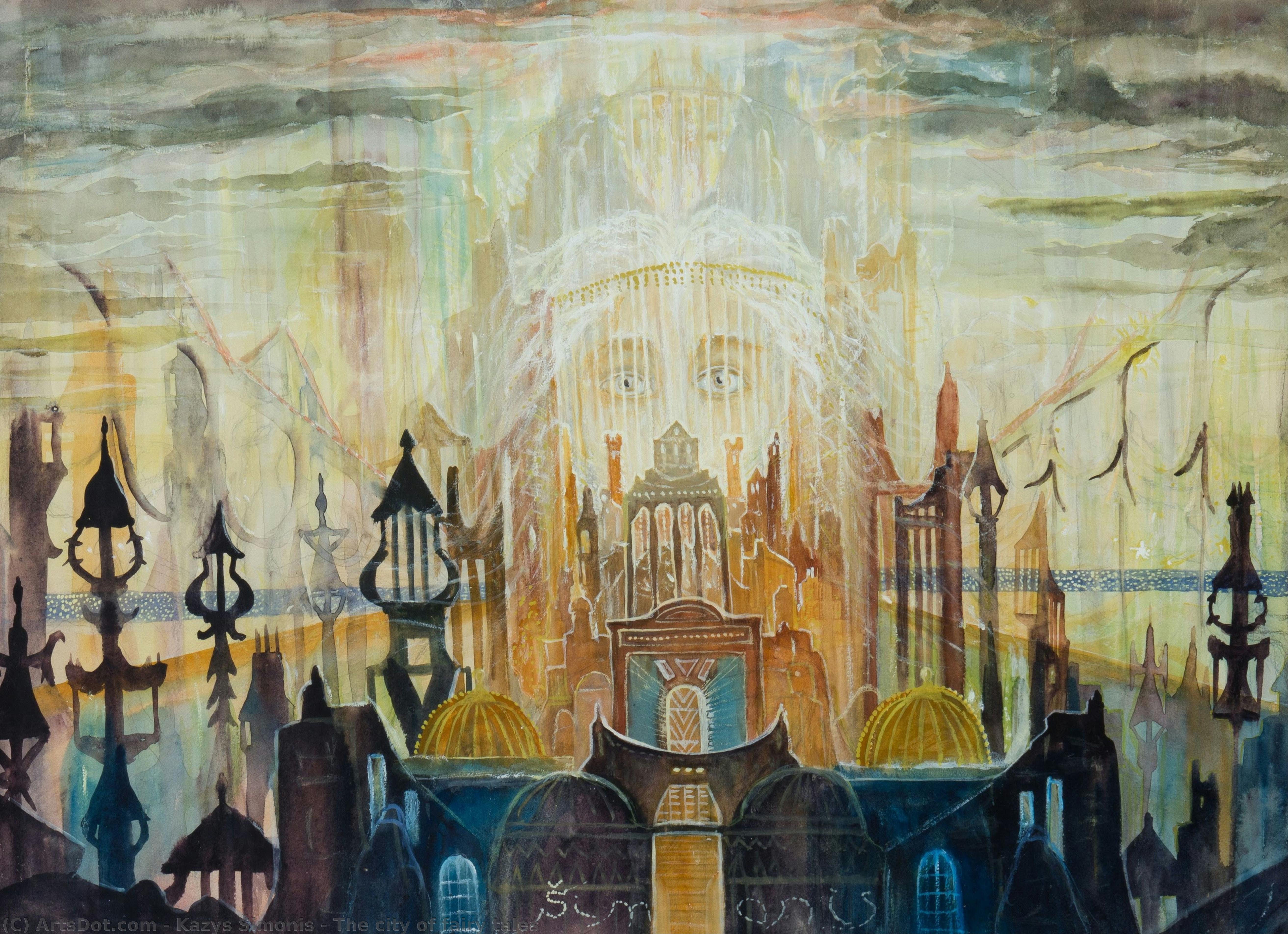
The city of fairy tales


 詳細を見る
詳細を見る
オンラインプレビューをはるかに凌ぐ、高解像度で鮮明なデジタル画像をご購入いただけます。
各ファイルは、社内の専門家が高度なツールと熟練した手作業によるレタッチを用いて、細心の注意を払って準備されています。すべての画像において、卓越した鮮明度、正確な色彩再現性、そして繊細なディテールを保証いたします。
最終ファイルは、プロフェッショナルな編集・印刷環境ですぐにご利用いただけるよう最適化された状態で、72時間以内にメールにてお届けいたします。これは、一流のデザインスタジオ、出版社、ギャラリーから信頼されているものと同等の品質です。
デジタル画像のご注文に付随する特典
高品質なデジタル画像配信を、確かな品質で。
ArtsDot.com を選ぶことは、単に画像を手に入れることではありません。それは、プロの手によって精密に仕上げられ、満足保証が付いた高品質なデジタルアートワークを受け取ることを意味します。ご注文いただいた際に自動的に付随する内容は、以下の通りです:

メールですぐにお届け
ご注文から72時間以内に、高解像度のデジタル画像ファイルがメールでお手元に届きます。すぐにそのままご利用いただけます。

AI技術で最適化されたデジタルファイル
お客様の作品は、高度なAIツールと専門家による手作業の編集を組み合わせてプロフェッショナルに最適化されており、細部のディテール、鮮明さ、そして正確な色再現性を最大限に引き出しています。

一生涯無料の再送サービス
ファイルを誤って削除したり、紛失してしまったりしましたか?ご安心ください。いつでも無料で再送いたします。

輸入手数料は一切かかりません
関税や手数料、配送料を気にすることなく、お気に入りのアートワークをすぐにお楽しみいただけます。デジタルダウンロードは常に免税です。

色彩再現の保証
プロ仕様のツールとカラーマネジメント技術を用いることで、デジタル画像が元の色を最大限に忠実に再現することを保証いたします。

100日間満足保証
ご購入いただいたデジタル画像にご満足いただけない場合は、100日以内であれば、理由を問わず修正または100%の返金対応をさせていただきます。

100% 返金保証
ご満足いただけない場合は、デジタルファイルを受け取ってから100日以内であれば、理由を問わず全額返金いたします。

まとめ買い割引
3枚購入で10%OFF - 5枚購入で15%OFF - 10枚以上購入で20%OFF。クリエイティブなプロジェクト、ギャラリー、エージェンシーに最適です。
関連作品








作家の略歴
Marcel Duchamp: The Architect of Conceptual Art
Marcel Duchamp (1887-1968) wasn’t merely an artist; he was a revolutionary, a provocateur, and ultimately, the architect of conceptual art. Born in Blainville, Normandy, to a notary father and surrounded by artistic siblings – Jacques Villon and Raymond Duchamp-Villon – his early life laid the groundwork for a career dedicated to dismantling conventional notions of what constituted “art.” Duchamp’s journey wasn't one of stylistic evolution; it was a deliberate rejection of established norms, a questioning of the very purpose and definition of creative expression. He sought not to replicate reality or evoke emotion through traditional means, but to challenge the viewer’s perception and force them to reconsider their assumptions about art’s value.
Early Artistic Explorations & The Rise of Cubism
Duchamp's initial artistic pursuits mirrored those of his contemporaries – a period marked by experimentation and a break from academic traditions. He studied at the Académie Julian in Paris, absorbing influences from Matisse and the burgeoning movement of Fauvism, characterized by bold colors and expressive brushstrokes. However, this early phase was fleeting. By 1911, Duchamp had forged his own distinct path, blending elements of Cubism with a uniquely personal vision. His work during this period – exemplified by pieces like *Nude Descending a Staircase, No. 2* (1912) – showcased an interest in capturing movement and the fragmented nature of perception. This painting, initially met with considerable criticism for its unconventional depiction of the human form, became a pivotal moment, demonstrating Duchamp’s willingness to challenge established aesthetic standards.
The Readymades: Redefining Art's Boundaries
Duchamp’s most enduring legacy lies in his invention of the “readymade.” Rejecting the traditional notion that art required laborious creation, he selected ordinary, mass-produced objects – a bicycle wheel, a shovel, a urinal – and declared them works of art simply by virtue of his choice. *Bicycle Wheel* (1913), presented on a stool, and *Fountain* (1917), a signed replica of Marcel Duchamp’s own urinal submitted to the Society of Independent Artists exhibition, became iconic symbols of this radical approach. These objects weren't altered; they were presented within a new context, imbued with artistic significance solely through the artist’s intervention. Duchamp argued that the act of selection itself constituted an artistic gesture, shifting the focus from the object’s inherent qualities to the conceptual framework surrounding it.
Beyond the Readymade: Symbolism and Conceptual Exploration
While the readymades captured immediate attention, Duchamp's artistic practice extended far beyond this single concept. He continued to experiment with chance operations, as evidenced by *3 Standard Stoppages* (1913-14), where he manipulated mechanical devices to create unpredictable arrangements. His monumental work, *The Bride Stripped Bare by Her Bachelors, Even (The Large Glass)* (1915–1923), a complex and enigmatic assemblage of imagery and text, represents the culmination of his intellectual and artistic explorations. This ambitious project, painstakingly created over decades, reflects Duchamp’s fascination with symbolism, psychology, and the interplay between logic and irrationality. The work's fragmented composition and ambiguous narrative invite multiple interpretations, highlighting the subjective nature of artistic experience.
Legacy & Historical Significance
Marcel Duchamp’s impact on 20th-century art is immeasurable. He fundamentally altered the definition of what constitutes “art,” shifting the emphasis from technical skill and aesthetic beauty to conceptual ideas and the artist's role as a thinker and provocateur. His work paved the way for movements like Dada, Surrealism, and Conceptual Art, influencing generations of artists who followed. Duchamp’s insistence on questioning established norms and challenging conventional assumptions continues to resonate today, reminding us that art can be found not just in finished objects but also in the very act of questioning and redefining its boundaries. His legacy is one of intellectual rigor, playful irreverence, and a profound belief in the power of ideas to transform our understanding of the world.
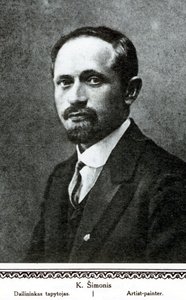
kazys šimonis
1887 - 1978 , Lithuania
プロフィール概要
- Artistic Movement Or Style:
- Cubism
- Dada
- Surrealism
- Artists Or Movements Influenced By This Artist:
- Conceptual art
- Dada movement
- Artists Who Influenced This Artist:
- Matisse
- Fauvism
- Futurism
- Cézanne
- Date Of Birth: July 28, 1887
- Date Of Death: October 2, 1968
- Full Name: Henri-Robert-Marcel Duchamp
- Nationality: French American
- Notable Artworks:
- Nude Descending a Staircase (No. 2)
- Bicycle Wheel
- Fountain
- Etant donnés
- Place Of Birth: Blainville, France