

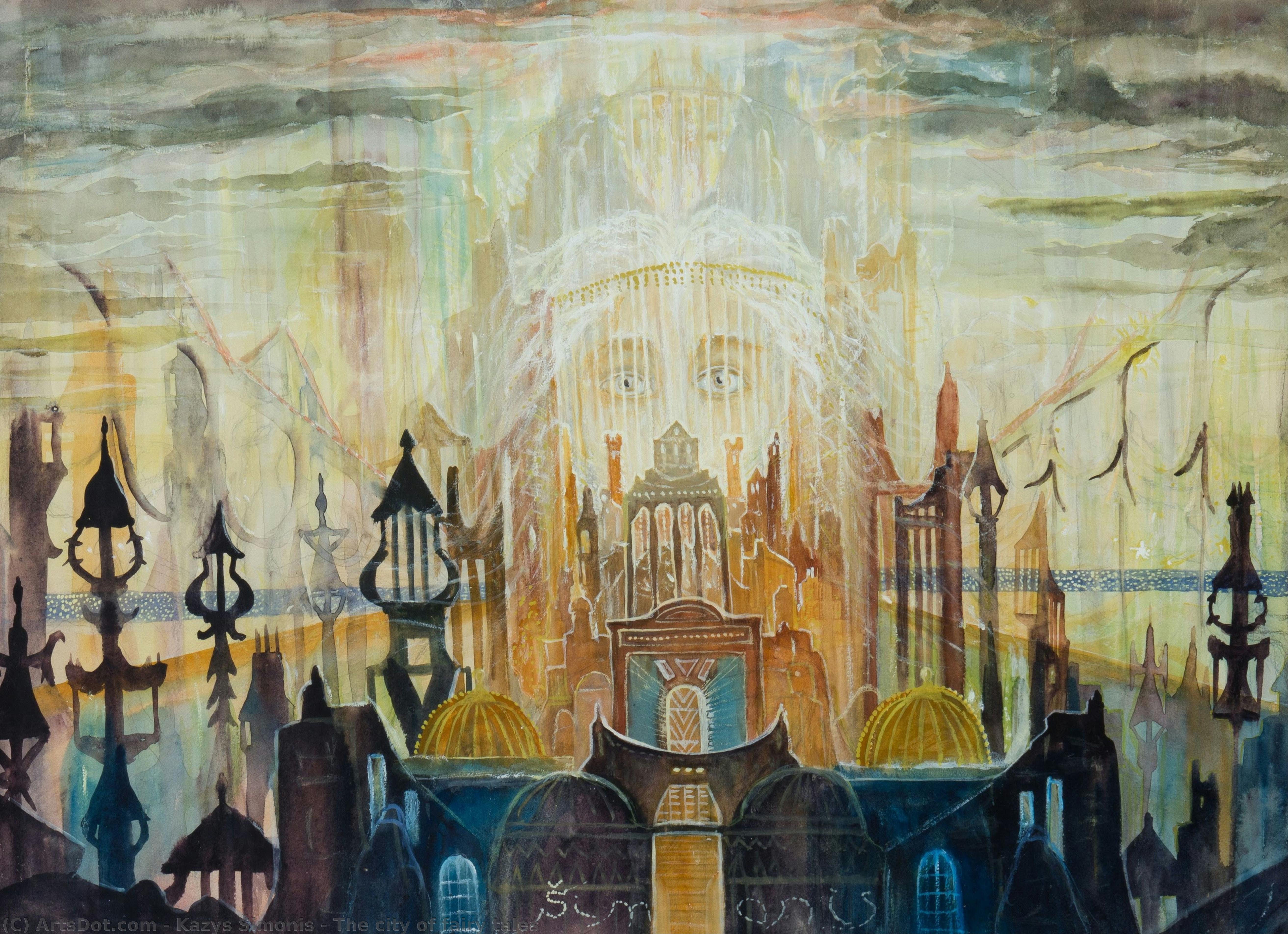
 プレビュー
プレビュー
 シェアする
シェアする シェアする
シェアする
 詳細を見る
詳細を見る

 ダウンロード
 似ている作品
 X線調査
X線調査 スライドショー
The city of fairy tales


 詳細を見る
詳細を見る
ジークレー/アートプリント
迅速な制作と多彩な仕上げオプションを備えた、ミュージアムクオリティのジークレーまたはキャンバスプリント。 ( 手描きの絵画を購入 画像を購入)




































作品のオリジナル比率に合わせた、当店の規定サイズからお選びください。

特定のフレームやスペースに合わせて、ご自身でサイズを指定することも可能です。選択されたサイズが元の画像の比率と一致しない場合、作品をトリミングするか、鏡面反射または単色での塗りつぶしによって画像を拡張いたします。制作を開始する前に、ご確認用のデジタルモックアップをお送りいたします。
画面上のプレビューには、実際のトリミングや拡張は反映されませんのでご注意ください。最終的な構図を正確に確認できるのは、モックアップのみとなります。
カスタムサイズも承っておりますが、元の比率を維持するためには、あらかじめ用意されたリストからサイズを選択することをお勧めいたします。


 ガラスオプションは、110cm未満のサイズでのみご利用いただけます。

The city of fairy tales
ジークレー/アートプリント
複製画のサイズ
-


合計金額
$ 62
関連作品
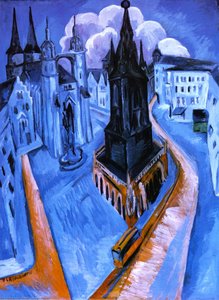



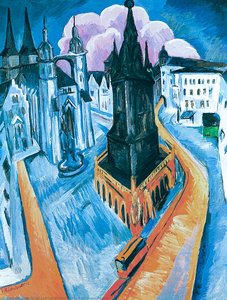





アーティストの略歴
Marcel Duchamp: The Architect of Conceptual Art
Marcel Duchamp (1887-1968) wasn’t merely an artist; he was a revolutionary, a provocateur, and ultimately, the architect of conceptual art. Born in Blainville, Normandy, to a notary father and surrounded by artistic siblings – Jacques Villon and Raymond Duchamp-Villon – his early life laid the groundwork for a career dedicated to dismantling conventional notions of what constituted “art.” Duchamp’s journey wasn't one of stylistic evolution; it was a deliberate rejection of established norms, a questioning of the very purpose and definition of creative expression. He sought not to replicate reality or evoke emotion through traditional means, but to challenge the viewer’s perception and force them to reconsider their assumptions about art’s value.
Early Artistic Explorations & The Rise of Cubism
Duchamp's initial artistic pursuits mirrored those of his contemporaries – a period marked by experimentation and a break from academic traditions. He studied at the Académie Julian in Paris, absorbing influences from Matisse and the burgeoning movement of Fauvism, characterized by bold colors and expressive brushstrokes. However, this early phase was fleeting. By 1911, Duchamp had forged his own distinct path, blending elements of Cubism with a uniquely personal vision. His work during this period – exemplified by pieces like *Nude Descending a Staircase, No. 2* (1912) – showcased an interest in capturing movement and the fragmented nature of perception. This painting, initially met with considerable criticism for its unconventional depiction of the human form, became a pivotal moment, demonstrating Duchamp’s willingness to challenge established aesthetic standards.
The Readymades: Redefining Art's Boundaries
Duchamp’s most enduring legacy lies in his invention of the “readymade.” Rejecting the traditional notion that art required laborious creation, he selected ordinary, mass-produced objects – a bicycle wheel, a shovel, a urinal – and declared them works of art simply by virtue of his choice. *Bicycle Wheel* (1913), presented on a stool, and *Fountain* (1917), a signed replica of Marcel Duchamp’s own urinal submitted to the Society of Independent Artists exhibition, became iconic symbols of this radical approach. These objects weren't altered; they were presented within a new context, imbued with artistic significance solely through the artist’s intervention. Duchamp argued that the act of selection itself constituted an artistic gesture, shifting the focus from the object’s inherent qualities to the conceptual framework surrounding it.
Beyond the Readymade: Symbolism and Conceptual Exploration
While the readymades captured immediate attention, Duchamp's artistic practice extended far beyond this single concept. He continued to experiment with chance operations, as evidenced by *3 Standard Stoppages* (1913-14), where he manipulated mechanical devices to create unpredictable arrangements. His monumental work, *The Bride Stripped Bare by Her Bachelors, Even (The Large Glass)* (1915–1923), a complex and enigmatic assemblage of imagery and text, represents the culmination of his intellectual and artistic explorations. This ambitious project, painstakingly created over decades, reflects Duchamp’s fascination with symbolism, psychology, and the interplay between logic and irrationality. The work's fragmented composition and ambiguous narrative invite multiple interpretations, highlighting the subjective nature of artistic experience.
Legacy & Historical Significance
Marcel Duchamp’s impact on 20th-century art is immeasurable. He fundamentally altered the definition of what constitutes “art,” shifting the emphasis from technical skill and aesthetic beauty to conceptual ideas and the artist's role as a thinker and provocateur. His work paved the way for movements like Dada, Surrealism, and Conceptual Art, influencing generations of artists who followed. Duchamp’s insistence on questioning established norms and challenging conventional assumptions continues to resonate today, reminding us that art can be found not just in finished objects but also in the very act of questioning and redefining its boundaries. His legacy is one of intellectual rigor, playful irreverence, and a profound belief in the power of ideas to transform our understanding of the world.
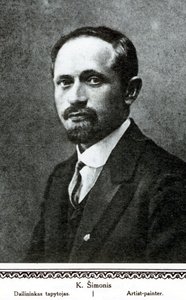
kazys šimonis
1887 - 1978 , Lithuania
基本情報
- Artistic Movement Or Style:
- Cubism
- Dada
- Surrealism
- Artists Or Movements Influenced By This Artist:
- Conceptual art
- Dada movement
- Artists Who Influenced This Artist:
- Matisse
- Fauvism
- Futurism
- Cézanne
- Date Of Birth: July 28, 1887
- Date Of Death: October 2, 1968
- Full Name: Henri-Robert-Marcel Duchamp
- Nationality: French American
- Notable Artworks:
- Nude Descending a Staircase (No. 2)
- Bicycle Wheel
- Fountain
- Etant donnés
- Place Of Birth: Blainville, France