

 プレビュー
プレビュー
 プリントを購入
 シェアする
シェアする シェアする
シェアする
 詳細を見る
詳細を見る

 ダウンロード
 似ている作品
 X線調査
X線調査 スライドショー
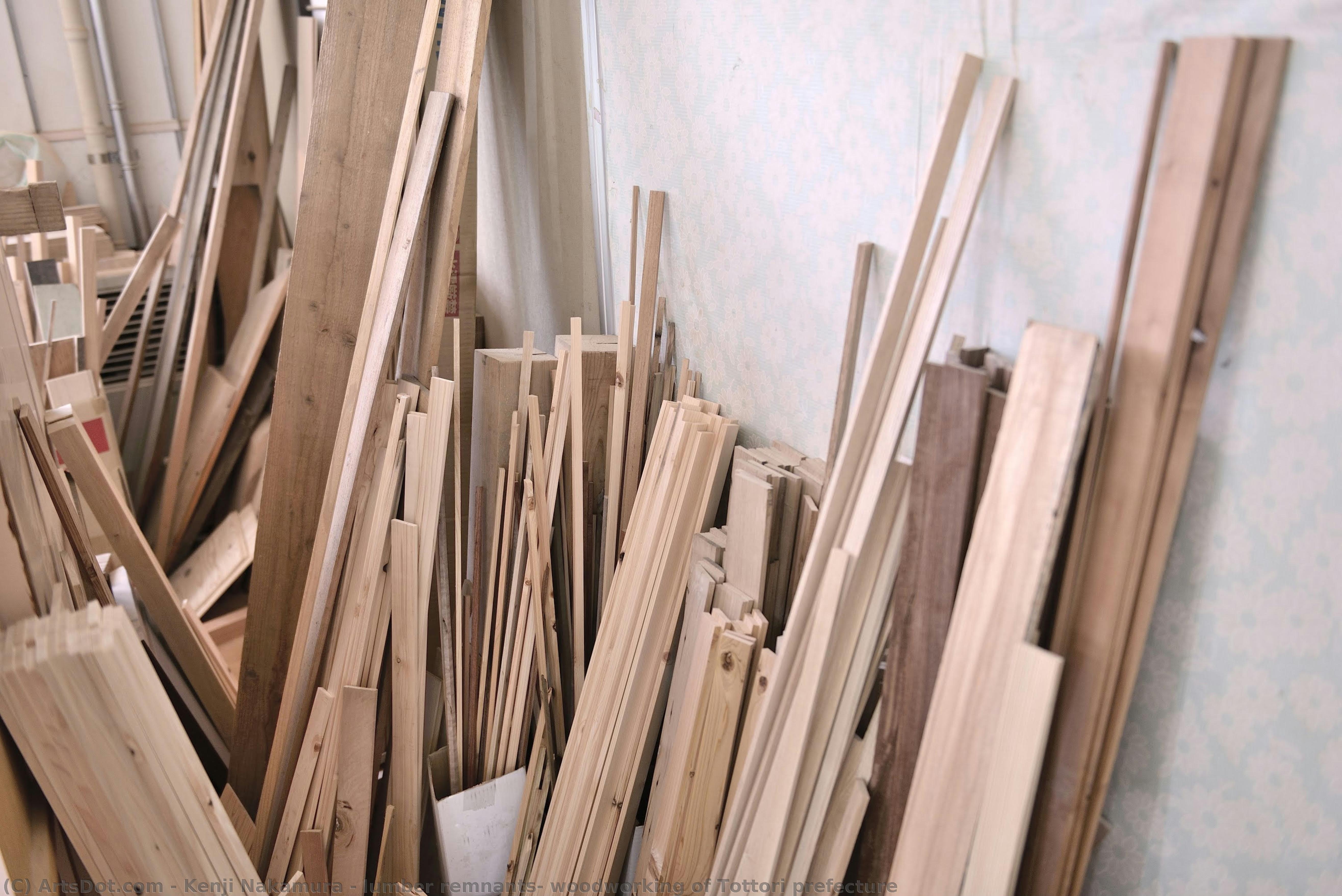
lumber remnants, woodworking of Tottori prefecture


 詳細を見る
詳細を見る




































作品のオリジナル比率に合わせた、当店の規定サイズからお選びください。

特定のフレームやスペースに合わせて、ご希望のサイズをご入力いただけます。選択されたサイズが元の画像の比率と異なる場合、アートワークをトリミングするか、手描きで要素を追加して絵画を拡張いたします。デジタルモックアップ を制作し、制作開始前にご確認(承認)をいただきます。
画面上のプレビューは、実際のトリミングや拡張を正確に反映しているものではありません。最終的な構図は、モックアップによってのみ正確にご確認いただけます。
カスタムサイズもご利用いただけますが、元の比率を維持するためには、あらかじめ用意されたリストからサイズを選択することをお勧めいたします。
ご注文後、ArtsDot.com チームより詳細な指示をお送りするとともに、仕上がりイメージ(モックアップ)をご提供いたします。


 ガラスオプションは、110cm未満のサイズでのみご利用いただけます。

lumber remnants, woodworking of Tottori prefecture
複製技法
複製画のサイズ
-


合計金額
$ 263
関連作品








アーティストの略歴
The Sculptor of Memory and Texture
Kenji Nakamura, born on March 25, 1970, in the Tottori Prefecture of Japan, possesses a creative spirit that defies easy categorization. While many recognize his name through the vibrant, surrealist lens of Japanese animation, his true essence resides in the tactile, grounded world of sculpture. Hailing from a region steeped in a rich lumber heritage, Nakamura’s artistic consciousness was shaped by the very grain of the earth. His journey did not begin with the polished precision of formal academy training, but rather through an instinctive, almost primal fascination with the potential hidden within discarded fragments of wood. To Nakamura, a piece of weathered timber is never merely refuse; it is a vessel of time, carrying the silent echoes of the forest’s past and the slow, inevitable march of decay.
Before he became a master of form and texture, Nakamura navigated a vastly different landscape of visual storytelling. His early career was defined by his profound impact on the anime industry, where he honed a unique ability to direct complex, visually arresting narratives. Through acclaimed series such as Mononoke, Control, and Tsuritama, he demonstrated an unparalleled mastery of atmosphere and psychological depth. This period of directing allowed him to develop a sophisticated eye for composition and the emotional weight of visual details—skills that would later become the cornerstone of his sculptural practice. His transition from the fluid motion of animation to the static, enduring presence of wood was not a departure, but rather an evolution of his desire to capture fleeting moments in permanent form.
A Philosophy of Imperfection and Resilience
The trajectory of Nakamura’s life was irrevocably altered by a physical challenge that forced a redirection of his creative energies. After years spent navigating the rigorous demands of professional life as a salaryman and later as an animator at Toei Animation, a debilitating diagnosis of tendinitis necessitated a departure from the high-intensity labor of traditional animation. This period of forced stillness became a profound era of transformation. Rather than viewing this physical limitation as an end, Nakamura embraced it as an invitation to explore a medium that prioritized physical well-being and a more meditative connection to material. He turned his focus toward the raw, unyielding beauty of wood, finding a new way to express the themes of resilience and adaptation that had become central to his own life story.
In his sculptural work, Nakamura operates under a philosophy of honoring material limitations. He rejects the pursuit of sterile perfection, choosing instead to celebrate the inherent "flaws" found within his medium. To him, the knots, cracks, and weathered surfaces of reclaimed lumber are the most vital components of the narrative. His technique is deeply rooted in the traditions of Japanese craftsmanship, particularly the meticulous precision found in shoji work. Using hand tools, he carefully navigates the grain, allowing the natural history of the wood to dictate the final shape of the piece. This approach creates a profound dialogue between the artist and the organic matter, resulting in works that feel less like constructed objects and more like discovered relics.
Legacy of the Reclaimed Form
The significance of Kenji Nakamura’s work lies in its ability to bridge the gap between the ephemeral and the eternal. His sculptures serve as meditations on the cyclical nature of existence—the way life emerges from decay, and how memory is etched into the very fabric of our surroundings. By transforming what was once considered waste into evocative art, he challenges the modern impulse toward disposability, urging a return to a more respectful, observant relationship with the natural world.
His contributions to contemporary Japanese art can be summarized through several defining characteristics:
- Materiality as Narrative: The use of reclaimed wood fragments to tell stories of time, history, and environmental transformation.
- Integration of Disciplines: The seamless blending of cinematic visual storytelling techniques with the tactile demands of three-dimensional sculpture.
- Embrace of Wabi-Sabi: A profound dedication to finding beauty in imperfection, asymmetry, and the natural aging process of organic materials.
- Cultural Resonance: A deep connection to the woodworking traditions of the Tottori Prefecture, revitalizing ancient craftsmanship for a contemporary audience.
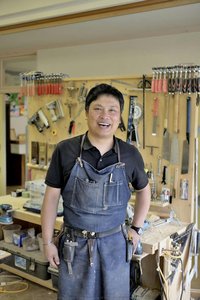
Kenji Nakamura
1970 - , Japan
基本情報
- Artistic Movement Or Style: Anime director
- Date Of Birth: March 25, 1970
- Full Name: Kenji Nakamura
- Nationality: Japanese
- Notable Artworks:
- Mononoke
- Control
- Tsuritama
- Gatchaman Crowds
- Place Of Birth: Ogawa, Japan