

 シェアする
シェアする シェアする
シェアする
 詳細を見る
詳細を見る

 ダウンロード
 似ている作品
 スライドショー
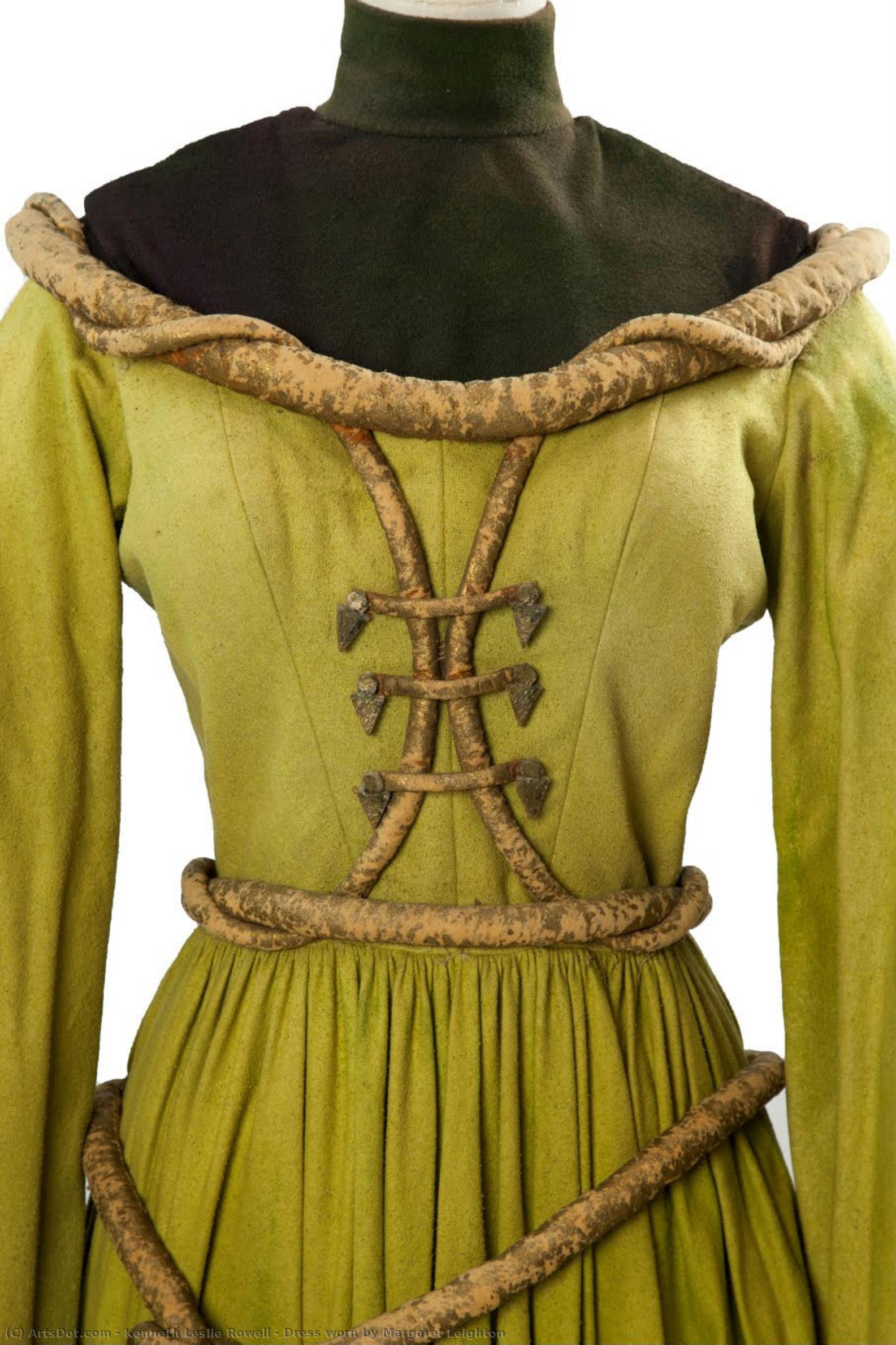
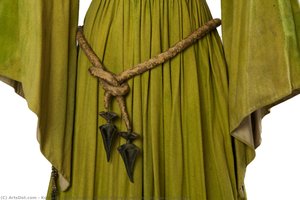
Dress worn by Margaret Leighton
 Photography
- Photo
 1952
1952- Modern
 154.0 x 84.0 cm
 ロイヤル・シェイクスピア・カンパニー
 詳細を見る
詳細を見る
ジークレー/アートプリント
迅速な制作と多彩な仕上げオプションを備えた、ミュージアムクオリティのジークレーまたはキャンバスプリント。 ( 手描きの絵画を購入 画像を購入)




































作品のオリジナル比率に合わせた、当店の規定サイズからお選びください。

特定のフレームやスペースに合わせて、ご自身でサイズを指定することも可能です。選択されたサイズが元の画像の比率と一致しない場合、作品をトリミングするか、鏡面反射または単色での塗りつぶしによって画像を拡張いたします。制作を開始する前に、ご確認用のデジタルモックアップをお送りいたします。
画面上のプレビューには、実際のトリミングや拡張は反映されませんのでご注意ください。最終的な構図を正確に確認できるのは、モックアップのみとなります。
カスタムサイズも承っておりますが、元の比率を維持するためには、あらかじめ用意されたリストからサイズを選択することをお勧めいたします。


 ガラスオプションは、110cm未満のサイズでのみご利用いただけます。

Dress worn by Margaret Leighton
ジークレー/アートプリント
複製画のサイズ
-


合計金額
$ 62
A Tapestry of Theatrical Elegance
In the intersection of costume design and visual artistry lies a profound connection between the tangible fabric of performance and the enduring legacy of Australian creativity. The Dress worn by Margaret Leighton, captured in 1952 by the visionary Kenneth Leslie Rowell, serves as more than a mere garment; it is a preserved moment of theatrical history. This exquisite piece, characterized by its deep verdant hues accented with delicate yellow flourishes, embodies the grace and dramatic presence of the celebrated actress. As we gaze upon the intricate details—the soft ruffles of the neckline and the structural elegance of the lace-up back—we are transported to an era where costume was a vital extension of the character's soul, bridging the gap between the actor's persona and the audience's imagination.
The artistry behind this work is deeply rooted in Rowell’s unique perspective as both a landscape expressionist and a master of theatrical design. His eye, honed through years of window dressing and an intimate familiarity with the textures of ballet and opera, allows him to present the dress not just as clothing, but as a sculptural element. The way the light interacts with the green fabric suggests a depth that mimics the lushness of his later landscape paintings, creating a visual harmony between the subject matter and the artist's innate technique. For the collector or interior designer, this piece offers a sophisticated palette of forest greens and sun-kissed yellows, making it an ideal focal point for spaces that demand a touch of vintage prestige and classical refinement.
Beyond its aesthetic allure, the dress carries a heavy weight of historical symbolism, representing the golden age of mid-century theatrical costume. It stands as a testament to the craftsmanship of the Royal Shakespeare Company era, where every stitch was intended to convey narrative depth. To possess a reproduction of this work is to invite a sense of nostalgic grandeur into one's environment. The emotional impact of the piece lies in its ability to evoke a sense of timelessness; it whispers stories of stage lights, dramatic crescendos, and the quiet beauty of meticulously crafted art. It is an evocative choice for those looking to infuse their decor with a narrative of elegance, celebrating the enduring magic of the performing arts through the lens of a master designer.
関連作品
アーティストの略歴
The Formative Eye: From Window Dressing to Fine Art
Kenneth Leslie Rowell stands as a singular figure in the tapestry of Australian art history, a man whose creative spirit bridged the gap between the ephemeral magic of the stage and the enduring permanence of the canvas. Born in Melbourne in 1920, his artistic journey did not begin in the hallowed halls of an academy, but rather through the tactile, visual discipline of a window dresser’s apprenticeship. This humble beginning proved to be a profound education; it nurtured a keen, meticulous eye for the interplay of light, color, and form, teaching him how to command attention through texture and composition.His early years were deeply influenced by his fascination with the National Gallery of Victoria, an encounter that ignited a lifelong ambition to translate visual splendor into tangible reality. This period of discovery laid the groundwork for a career defined by a unique dual identity: a master of theatrical costume and a pioneer of landscape expressionism. Rowell possessed the rare ability to see the drama inherent in a still object and the structural elegance within a natural vista, a skill that would eventually lead him from the streets of Melbourne to the grand theaters of London.
A Global Stage: The London Years and The-atrical Mastery
The trajectory of Rowell’s life underwent a transformative shift in 1950 when he was awarded a prestigious British Council scholarship. This opportunity propelled him to London, where he immersed himself in the vibrant European avant-garde and established a prolific career spanning over four decades. In the heart of the international theater scene, Rowell became a vital collaborator for numerous productions across ballet, opera, and drama. His work was never merely about clothing; it was about the creation of character through fabric.Upon his return to Australia, his influence became foundational to the nation's burgeoning cultural identity. He became intimately associated with the Australian Ballet during its most iconic eras, crafting the visual language for legendary productions such as Copellia, Giselle, and the historic debut of Sleeping Beauty at the Sydney Opera House. His collaborations with the legendary choreographer Robert Helpmann were particularly significant, marking a period where Australian performance art began to command global respect. Through his costume designs, Rowell captured the very essence of movement, using saturated hues and intricate textures to breathe life into the dancers' performances.
The Synthesis of Movement and Landscape
As his career matured, Rowell’s artistry underwent a beautiful evolution, as he began to apply the dramatic sensibilities of the stage to the natural world. This period saw the emergence of his landscape expressionism, a style that mirrored the depth and tension found in his theatrical works. In his paintings, one can observe the same meticulous attention to detail seen in his 1952 masterpiece, Dress worn by Margaret Leighton. Just as he captured the lush, verdant folds of silk and the delicate shimmer of a chain, his landscapes utilized light and shadow to create a sense of profound, almost sculptural, presence.Rowell’s legacy lies in this extraordinary synthesis of disciplines. He did not see a boundary between the theatrical and the natural; rather, he saw a continuous spectrum of expression. Whether he was designing a garment that whispered secrets of character or painting a landscape that echoed the drama of the earth, his work remained anchored in a deep respect for texture, light, and the emotional resonance of color. He remains a celebrated figure whose work continues to inspire, reminding us that art is most powerful when it captures the movement of life itself.
kenneth leslie rowell
1920 - 1999 , Australia
基本情報
- Artistic Movement Or Style: Expressionist Art
- Date Of Birth: 1920
- Date Of Death: 1999
- Full Name: Kenneth Leslie Rowell
- Nationality: Australian
- Notable Artworks:
- Costume design for Witch
- Dress worn by Margaret Leighton
- Place Of Birth: Melbourne, Australia
関連記事
Verdant Visions: Exploring the Symbolism & Aesthetic Impact of Green in Art History
Explore the rich history & symbolism of green in art! Discover iconic paintings, techniques, and how to bring verdant harmony into your home with ArtsDot's expert guide.
Chrome Green Masterpieces: 10 Famous Paintings & Their Alluring Hues |
Explore 10 famous paintings where 'Chrome Green' reigns supreme! Discover Monet, Manet & Van Gogh’s masterpieces. Learn the stories behind these iconic artworks and find museum-quality art reproductions for your home at .
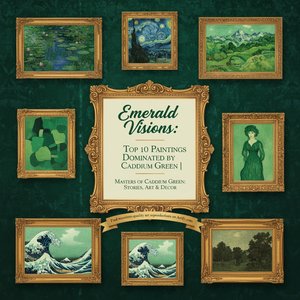
Emerald Visions: Top 10 Paintings Dominated by Cadmium Green |
Explore 10 iconic paintings where cadmium green reigns supreme! From Monet to Van Gogh, discover the stories behind these masterpieces & the power of color. Find museum-quality art reproductions and elevate your home decor on .
Seafoam & Masterpieces: 10 Paintings Dominated by Medium Sea Green | ArtsDot
Dive into serenity with 10 famous paintings bathed in calming medium sea green. Explore Impressionist masterpieces by Monet, Degas & Renoir. Find museum-quality art reproductions and elevate your home decor at ArtsDot.com.
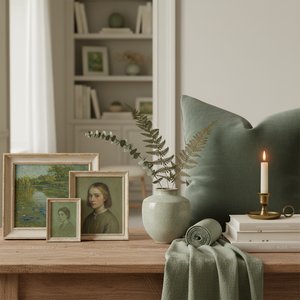
Sage Green Masterpieces: 10 Famous Paintings & Timeless Decor Inspiration
Explore 10 famous paintings dominated by serene sage green tones! Discover Monet, Renoir & Manet masterpieces. Learn art history & find museum-quality reproductions for your home decor on .

