

 プレビュー
プレビュー
 シェアする
シェアする シェアする
シェアする
 詳細を見る
詳細を見る

 ダウンロード
 似ている作品
 X線調査
X線調査 スライドショー
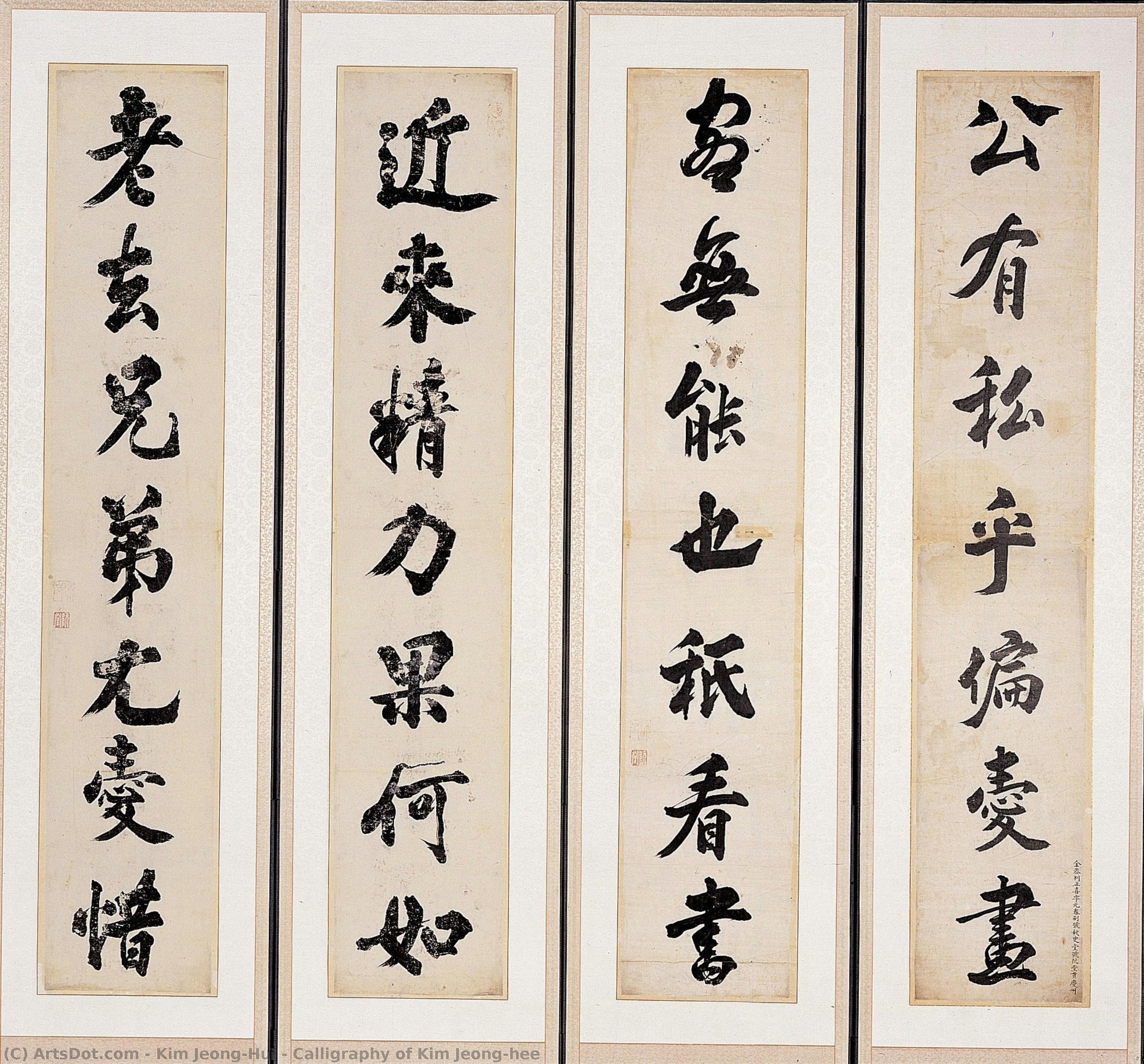
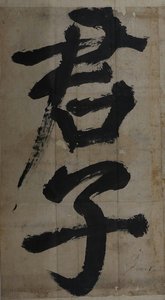
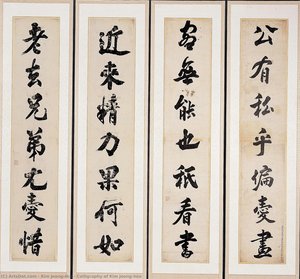
Calligraphy of Kim Jeong-hee
 Ink On Paper
 19th Century
 192.0 x 122.0 cm
 Seokdang Museum of Dong-A University
 詳細を見る
詳細を見る
ジークレー/アートプリント
迅速な制作と多彩な仕上げオプションを備えた、ミュージアムクオリティのジークレーまたはキャンバスプリント。 ( 手描きの絵画を購入 画像を購入)




P118B $10

P118H $10

P118W $10

P438Z $10

P508JH $12

P508YH $12

P805H $10

P805Z $10

P919BZ $10

P919G $10

P919XJ $10

P959ZH $10

P968JZ $12

W106C $8

W218G $10

W218JH $8

W218Y $10

W307PJ $10

W316G $10

W316PJ $8

W316Y $10

W398PJ $8

W4111J $10

W500HY $15

W500JH $15

W692G $12

W849H $8

W940BG $15

W953PJ $8




作品のオリジナル比率に合わせた、当店の規定サイズからお選びください。

特定のフレームやスペースに合わせて、ご自身でサイズを指定することも可能です。選択されたサイズが元の画像の比率と一致しない場合、作品をトリミングするか、鏡面反射または単色での塗りつぶしによって画像を拡張いたします。制作を開始する前に、ご確認用のデジタルモックアップをお送りいたします。
画面上のプレビューには、実際のトリミングや拡張は反映されませんのでご注意ください。最終的な構図を正確に確認できるのは、モックアップのみとなります。
カスタムサイズも承っておりますが、元の比率を維持するためには、あらかじめ用意されたリストからサイズを選択することをお勧めいたします。


 ガラスオプションは、110cm未満のサイズでのみご利用いただけます。

Calligraphy of Kim Jeong-hee
ジークレー/アートプリント
複製画のサイズ
-


合計金額
$ 62
関連作品
アーティストの略歴
A Life Etched in Ink: The World of Kim Jeong-hui
Kim Jeong-hui (1786–1856), a name synonymous with the pinnacle of Korean calligraphy and epigraphy, was more than just an artist; he was a scholar, a cultural icon, and a man whose life story is as intricate and compelling as the characters he so masterfully rendered. Born into the esteemed Gyeongju Kim clan during the late Joseon Dynasty, Jeong-hui’s lineage already carried a weight of tradition and artistic inclination. However, it was his innate talent, coupled with relentless dedication, that propelled him to become one of Korea's most celebrated figures. From an early age, he displayed an extraordinary gift for calligraphy, captivating observers with the power and precision of his brushstrokes even as a young boy. This precocious ability led to tutelage under prominent scholars like Chae Je-gong and Park Je-ga, laying the foundation for a career that would redefine Korean artistic expression.The Birth of ‘Chusa-che’ and a Revolution in Epigraphy
Jeong-hui's intellectual curiosity extended far beyond calligraphy. He embraced the Silhak (Practical Learning) school of thought, advocating for reform through engagement with diverse cultures and knowledge systems. A pivotal moment in his development came during a journey to Qing Dynasty China with his father. There, he immersed himself in Confucian scholarship, Buddhist philosophy, and, crucially, the study of ancient Chinese inscriptions – rubbings from stone tablets that preserved historical texts and artistic styles. This exposure profoundly impacted his approach to calligraphy. He wasn’t merely copying forms; he was delving into the very essence of character construction, seeking a deeper understanding of its history and meaning. Upon returning to Korea, Jeong-hui began to synthesize these influences, culminating in the creation of ‘Chusa-che,’ a unique calligraphic style that would become his signature. ‘Chusa-che’ wasn't simply a new aesthetic; it was a deliberate attempt to revitalize Korean epigraphy by drawing inspiration from ancient sources and imbuing them with a distinctly personal expression. The style is characterized by its angular lines, dynamic brushwork, varied line thickness, and an almost sculptural quality – each character possessing a powerful presence on the page.Beyond Calligraphy: Painting and Intellectual Pursuits
While renowned for his calligraphy, Kim Jeong-hui’s artistic talents weren't confined to ink and brush. He was also a gifted painter, particularly celebrated for his depictions of orchids – a subject deeply resonant with Confucian ideals of integrity and resilience. His orchid paintings are not mere botanical studies; they are imbued with symbolic meaning, reflecting his philosophical outlook and personal experiences. He approached painting with the same meticulous attention to detail and profound understanding of form that characterized his calligraphy. Beyond his artistic endeavors, Jeong-hui was a prolific scholar, deeply engaged in the study of Chinese classics, history, and literature. He held various government positions, reaching the rank of Vice-Minister of War, but his career was often disrupted by political factionalism. A period of exile to Jeju Island proved particularly challenging, yet even amidst hardship, he continued to create, producing some of his most poignant and expressive works.A Legacy Etched in Time
Kim Jeong-hui’s influence on Korean art and culture is immeasurable. He not only transformed the practice of calligraphy but also elevated epigraphy to a new level of artistic recognition. His ‘Chusa-che’ style became widely emulated, shaping the aesthetic sensibilities of generations of artists. He was related to Queen Jeongsun and served as a teacher to Heungseon Daewongun, King Gojong's father, further solidifying his position within the Korean aristocracy and ensuring the continuation of his artistic legacy. His work embodies a unique blend of tradition and innovation, intellectual rigor and emotional depth. Today, Kim Jeong-hui is remembered not only as a master calligrapher but also as a symbol of cultural resilience, a scholar who dared to challenge conventions, and an artist whose works continue to inspire awe and admiration. He left behind a vast body of work – calligraphy, paintings, epigraphic studies – that stands as a testament to his genius and a lasting contribution to the rich tapestry of Korean art history. His influence can still be seen in contemporary Korean calligraphy and painting, proving that his artistic vision continues to resonate across centuries.Major Achievements & Historical Significance
- Transformation of Korean Epigraphy: Jeong-hui’s systematic study of ancient inscriptions revolutionized the field, moving beyond mere copying to a deeper understanding of historical context and artistic expression.
- Creation of ‘Chusa-che’ Style: This unique calligraphic style, characterized by its angularity, dynamism, and personal touch, became his signature and profoundly influenced subsequent generations of artists.
- Revitalization of Orchid Painting: His orchid paintings transcended botanical representation, becoming imbued with symbolic meaning and philosophical depth.
- Advocacy for Silhak (Practical Learning): He championed a progressive approach to scholarship, emphasizing engagement with diverse cultures and knowledge systems.
- Cultural Icon: Jeong-hui’s life story – marked by both triumph and adversity – embodies the spirit of cultural resilience and intellectual pursuit, making him a lasting symbol in Korean history.
kim jeong-hui
1786 - 1856 , South Korea
基本情報
- Artistic Movement Or Style: Calligraphy, Epigraphy
- Date Of Birth: 1786
- Date Of Death: 1856
- Full Name: Kim Jeong-hui
- Nationality: Korean
- Notable Artworks: ["Calligraphy of Kim Yugeun's Autobiography"]
- Place Of Birth: Gyeongju, South Korea
関連記事
Ephemeral Expressions: Exploring the Nuances of Ink on Paper Through History & Contemporary Art
Explore the captivating world of ink wash painting – from its ancient origins to contemporary masters. Discover techniques, symbolism & conservation insights with ArtsDot.com.
Ephemeral Lines: Exploring Emotional Resonance in Ink Sketching Traditions
Explore the profound art of ink sketching! Discover techniques to express emotion, master line work, and cultivate artistic sensitivity. Learn from historical masters & unlock your creative potential.
Yi Eungro: Bridging East & West in the Landscape of Korean Modernism
Explore the captivating world of Yi Eungro (Lee Ungno), a pivotal figure in Korean modernism. Discover his unique fusion of Eastern and Western artistic traditions, abstract masterpieces, and lasting legacy. A must-read for discerning art collectors.
Xie Zhiliu: A Legacy of Ink Wash Painting & Modern Chinese Literati Tradition
Explore the legacy of Xie Zhiliu, a master of Chinese ink wash painting & prominent figure in modern art. Discover his techniques, influences, and contributions to literati tradition. A guide for discerning collectors.

葛飾北斎:25の傑作が語る浮世絵の世界 - ArtsDot
葛飾北斎の25選:『神奈川沖浪裏』や『富嶽三十六景』など、浮世絵の世界を深く探求。木版画の技法と日本美術の美をArtsDotで。高品質なアートプリントで空間に感動を。コレクションはこちら。

