

 プレビュー
プレビュー
 プリントを購入
 シェアする
シェアする シェアする
シェアする
 詳細を見る
詳細を見る

 ダウンロード
 似ている作品
 X線調査
X線調査 スライドショー
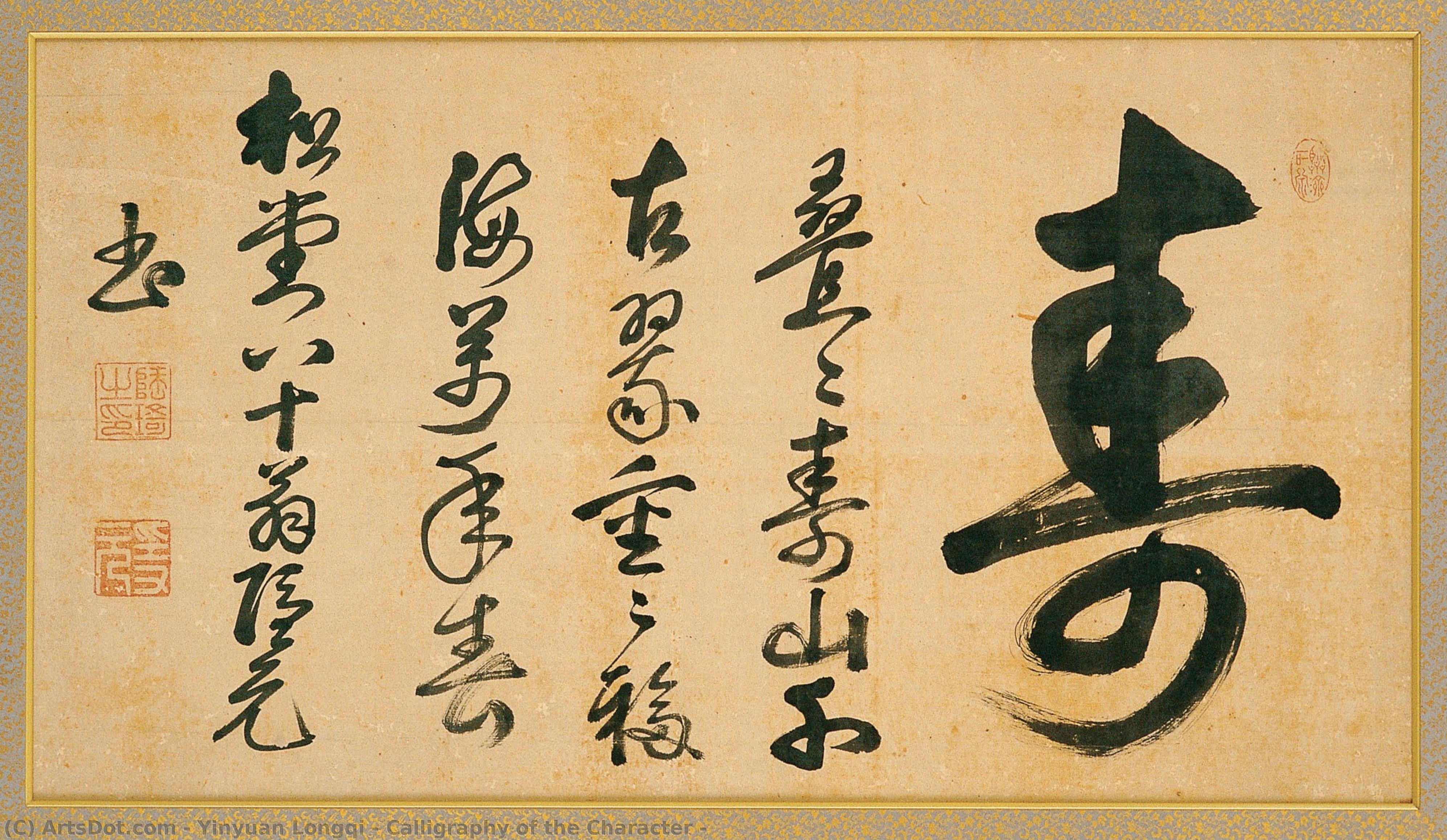
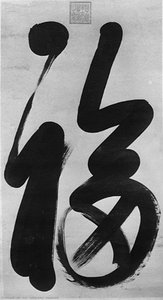
Calligraphy of the Character


 詳細を見る
詳細を見る




P118B $10

P118H $10

P118W $10

P438Z $10

P508JH $12

P508YH $12

P805H $10

P805Z $10

P919BZ $10

P919G $10

P919XJ $10

P959ZH $10

P968JZ $12

W106C $8

W218G $10

W218JH $8

W218Y $10

W307PJ $10

W316G $10

W316PJ $8

W316Y $10

W398PJ $8

W4111J $10

W500HY $15

W500JH $15

W692G $12

W849H $8

W940BG $15

W953PJ $8




作品のオリジナル比率に合わせた、当店の規定サイズからお選びください。

特定のフレームやスペースに合わせて、ご希望のサイズをご入力いただけます。選択されたサイズが元の画像の比率と異なる場合、アートワークをトリミングするか、手描きで要素を追加して絵画を拡張いたします。デジタルモックアップ を制作し、制作開始前にご確認(承認)をいただきます。
画面上のプレビューは、実際のトリミングや拡張を正確に反映しているものではありません。最終的な構図は、モックアップによってのみ正確にご確認いただけます。
カスタムサイズもご利用いただけますが、元の比率を維持するためには、あらかじめ用意されたリストからサイズを選択することをお勧めいたします。
ご注文後、ArtsDot.com チームより詳細な指示をお送りするとともに、仕上がりイメージ(モックアップ)をご提供いたします。


 ガラスオプションは、110cm未満のサイズでのみご利用いただけます。

Calligraphy of the Character
複製技法
複製画のサイズ
-


合計金額
$ 263
作品解説
The Silent Resonance of Ink and Spirit
In the delicate dance of black ink upon aged paper, one finds not merely writing, but a profound meditation on existence. Calligraphy of the Character, a masterpiece dating back to 1671, serves as a breathtaking window into the soul of the Ming Dynasty's spiritual legacy. Created by the venerable monk and poet Yinyuan Longqi, this work transcends the boundaries of mere text to become a visual symphony of rhythm and breath. As the eye wanders across the vertical columns of densely packed characters, it encounters a landscape of linguistic beauty where every stroke carries the weight of centuries of Zen tradition.
The composition is a masterclass in balanced asymmetry, anchored by a central axis that guides the viewer through a rhythmic flow of varying pressures. The artist employs a sophisticated range of techniques, transitioning seamlessly from bold, commanding strokes that anchor the characters to ethereal, wispy lines that seem to evaporate into the warm, yellowish-brown expanse of the parchment. This interplay of thick and thin creates a tactile sensation, as if the very energy of the brush—the qi—is still vibrating upon the surface of the paper. The subtle presence of red seals adds a touch of formal elegance, acting as rhythmic punctuation marks that certify the authenticity and historical gravity of this sacred script.
A Legacy of Zen and Cultural Heritage
To understand this artwork is to understand the life of its creator, Yinyuan Longqi. As a pivotal figure who bridged the cultural landscapes of China and Japan through the founding of the Ōbaku school of Zen, Yinyuan infused his calligraphy with the profound stillness of Buddhist philosophy. Each character is more than a symbol; it is an embodiment of Confucian values and Chan Buddhist concepts of emptiness and presence. The texture of the aged paper, with its visible imperfections and organic warmth, complements the ink's deep, obsidian hue, suggesting a timelessness that connects the modern observer to the spiritual masters of the 17th century.
For the discerning collector or interior designer, this piece offers an unparalleled opportunity to introduce a sense of serene wisdom into a contemporary space. The artwork does not demand attention through loud colors or chaotic forms; instead, it commands respect through its quiet dignity and historical depth. It serves as a sophisticated focal point for a curated gallery or a tranquil sanctuary within a home, providing a meditative anchor that invites contemplation. Owning a high-quality reproduction of this calligraphy is an invitation to surround oneself with the enduring elegance of East Asian heritage, bringing a piece of the profound stillness of Mount Putuo into the modern world.
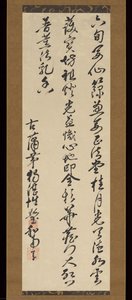
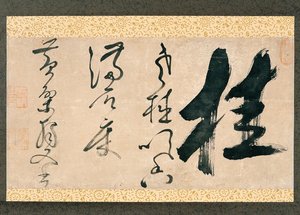
関連作品
アーティストの略歴
biography of a visionary artist
yinyuan longqi, also known as ingen ryūki, was a prominent chinese poet, calligrapher, and monk of linji chan buddhism from china. born on december 7, 1592, in fuqing, fujian, during the ming dynasty, yinyuan's life was marked by his significant contributions to the world of art and zen buddhism.early life and ordination
at the age of 20, while searching for his father, yinyuan arrived at mount putuo off zhejiang province, where he served tea to monks. this encounter sparked a spiritual journey that led him to be ordained as a monk at wanfu temple, mount huangbo, fujian, at the age of 28.founding the ōbaku school of zen in japan
in 1654, yinyuan traveled to nagasaki, japan with around 30 monks and artisans, including his disciple muyan. he established the ōbaku head temple manpuku-ji at uji, kyoto in 1661, founding the ōbaku school of zen.calligraphy and artistic legacy
yinyuan was a skilled calligrapher, introducing the ming style of calligraphy to japan. along with his disciples muyan and sokuhi nyoitsu, he was one of the ōbaku no sanpitsu ("three brushes of ōbaku"). his published writings encompass 35 works in 46 publications.- view yinyuan longqi's handscroll of calligraphy by ōbaku zen monks
- explore yinyuan longqi's artist page on ArtsDot
- read more about yinyuan longqi on wikipedia
legacy and remembrance
yinyuan passed away on may 21, 1673 (enpō 1, 5th day of the 4th month), at mampuku-ji. his legacy as a master of poetry, calligraphy, and zen buddhism continues to inspire artists and scholars alike. important dates: * december 7, 1592: born in fuqing, fujian * 1633: received dharma transmission from feiyin tongrong * 1654: traveled to nagasaki, japan with around 30 monks and artisans * may 21, 1673: passed away at mampuku-ji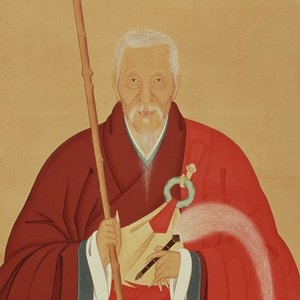
yinyuan longqi
1592 - 1673 , China
基本情報
- Artistic Movement Or Style: Venetian School
- Artists Or Movements Influenced By This Artist:
- Titian
- Il Pordenone
- Artists Who Influenced This Artist: ['Bonifazio Veronese']
- Date Of Birth: c. 1510
- Date Of Death: 14 February 1592
- Full Name: Jacopo Bassano
- Nationality: Italian
- Notable Artworks:
- Baptism of Christ
- Flight into Egypt
- Supper at Emmaus
- Place Of Birth: Bassano del Grappa, Italy
関連記事
Ephemeral Expressions: Exploring the Nuances of Ink on Paper Through History & Contemporary Art
Explore the captivating world of ink wash painting – from its ancient origins to contemporary masters. Discover techniques, symbolism & conservation insights with ArtsDot.com.

Dark Masterpieces: 10 Iconic Paintings Dominated by Black Tones |
Explore 10 iconic paintings dominated by black tones, from Rembrandt’s chiaroscuro to Goya's dark expressions. Discover the stories behind these masterpieces & find museum-quality art reproductions for your home at .
Xie Zhiliu: A Legacy of Ink Wash Painting & Modern Chinese Literati Tradition
Explore the legacy of Xie Zhiliu, a master of Chinese ink wash painting & prominent figure in modern art. Discover his techniques, influences, and contributions to literati tradition. A guide for discerning collectors.
Ephemeral Lines: Exploring Emotional Resonance in Ink Sketching Traditions
Explore the profound art of ink sketching! Discover techniques to express emotion, master line work, and cultivate artistic sensitivity. Learn from historical masters & unlock your creative potential.
Mars Black Masterpieces: 10 Iconic Paintings & Timeless Art Decor Ideas
Delve into the power of 'Mars Black' with 10 iconic paintings by masters like Rembrandt & Caravaggio. Explore dramatic chiaroscuro, gothic art, and timeless beauty. Find museum-quality reproductions & elevate your home decor on .

