

 プレビュー
プレビュー
 プリントを購入
 シェアする
シェアする シェアする
シェアする
 詳細を見る
詳細を見る

 ダウンロード
 似ている作品
 X線調査
X線調査 スライドショー
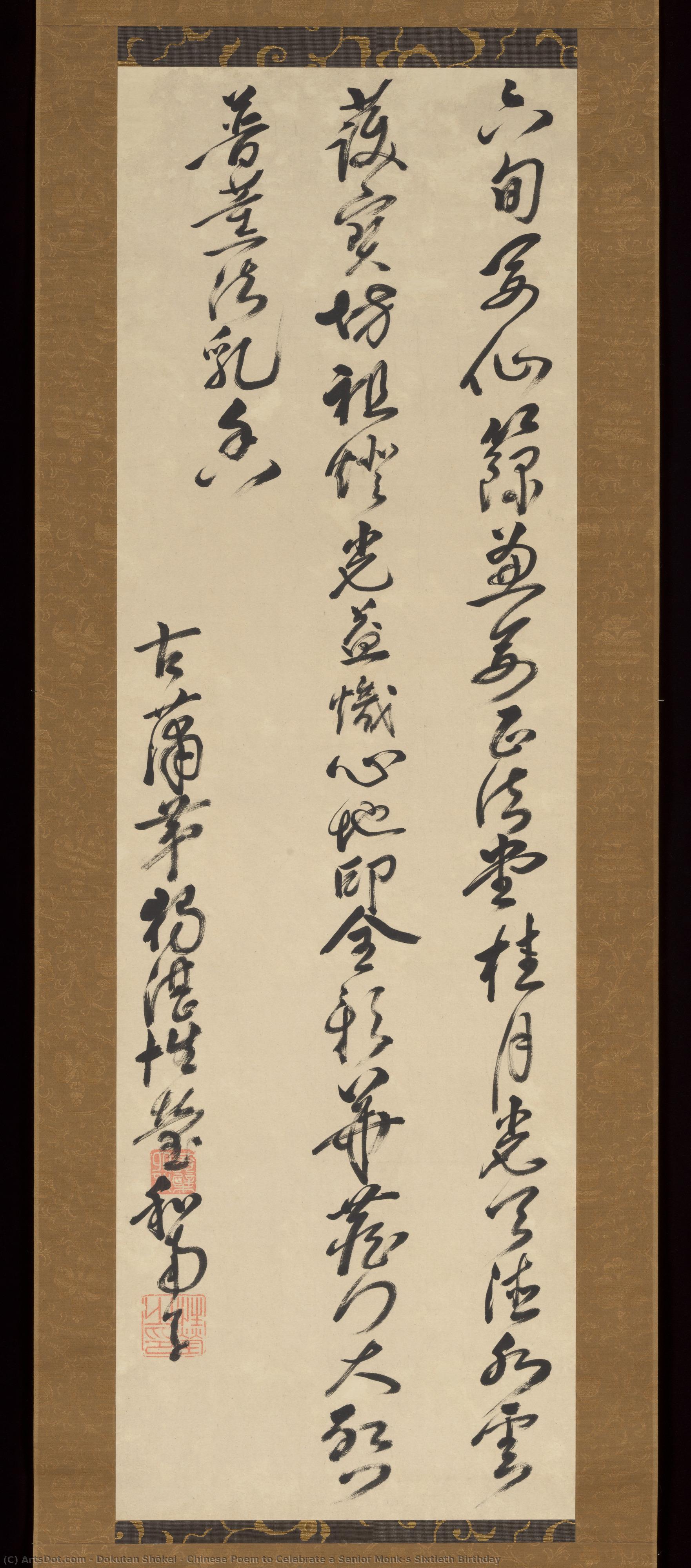
Chinese Poem to Celebrate a Senior Monk’s Sixtieth Birthday
 Suiboku ga
 701
701 128.0cm x 41.0cm
 詳細を見る
詳細を見る




































作品のオリジナル比率に合わせた、当店の規定サイズからお選びください。

特定のフレームやスペースに合わせて、ご希望のサイズをご入力いただけます。選択されたサイズが元の画像の比率と異なる場合、アートワークをトリミングするか、手描きで要素を追加して絵画を拡張いたします。デジタルモックアップ を制作し、制作開始前にご確認(承認)をいただきます。
画面上のプレビューは、実際のトリミングや拡張を正確に反映しているものではありません。最終的な構図は、モックアップによってのみ正確にご確認いただけます。
カスタムサイズもご利用いただけますが、元の比率を維持するためには、あらかじめ用意されたリストからサイズを選択することをお勧めいたします。
ご注文後、ArtsDot.com チームより詳細な指示をお送りするとともに、仕上がりイメージ(モックアップ)をご提供いたします。


 ガラスオプションは、110cm未満のサイズでのみご利用いただけます。

Chinese Poem to Celebrate a Senior Monk’s Sixtieth Birthday
複製技法
複製画のサイズ
-


合計金額
$ 263
作品解説
The Artist: Dokutan Shōkei (Duzhan Xingying)
Dokutan Shōkei, also known as Duzhan Xingying, was a Chinese monk born in Putian, China in 1628. He was a significant figure in the spread of Zen Buddhism and was a disciple of Ingen Ryūki, who founded the Ōbaku school of Zen Buddhism in Japan. Dokutan Shōkei was known for practicing the teachings of both Zen and Pure Land sects, and he came to be recognized as one of the most important Chinese monks in Japanese history (learn more about Dokutan Shōkei).The Painting: Chinese Poem to Celebrate a Senior Monk’s Sixtieth Birthday
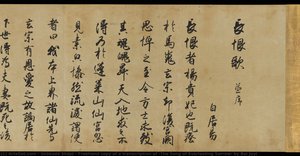
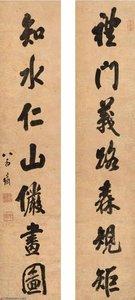
Chinese Poem to Celebrate a Senior Monk’s Sixtieth Birthday is an ink-on-paper painting by Dokutan Shōkei, created during the Edo period (1615–1868) in Japan. The artwork features two long columns and one short column of bold Ming-style cursive calligraphy that transcribe a Chinese poem composed in eight lines, with five syllables each. Balanced on the left is a half-column of characters of the same size and style, comprising the calligrapher’s signature (see more works by William Blake). The verse was composed on the occasion of another unnamed monk's sixtieth birthday, and it is a beautiful example of Chinese calligraphy and poetry. The painting is part of the permanent collection at the Metropolitan Museum of Art in New York (see more works by Pablo Picasso).Style and Significance
Dokutan Shōkei’s calligraphy is a masterful example of the Suiboku ga art movement, which emerged during the Tang dynasty of China (618–907) and overturned earlier, more realistic techniques. Suiboku ga is typically monochrome, using shades of black ink in different concentrations to create washes and textures. The style emphasizes virtuoso brushwork and conveying the perceived spirit or essence of the subject (see more works by Pablo Picasso). In this painting, Dokutan Shōkei’s calligraphy is fluid and expressive, with bold strokes that convey a sense of energy and movement. The poem’s content and the calligrapher’s signature add layers of meaning to the artwork, making it a rich and complex example of Chinese calligraphy and poetry (see more works by Max Ernst). Overall, Chinese Poem to Celebrate a Senior Monk’s Sixtieth Birthday is a significant work of art that showcases Dokutan Shōkei’s mastery of the Suiboku ga style and his deep understanding of Chinese poetry and calligraphy. The painting is not only a beautiful example of these artistic traditions but also a testament to the enduring influence of Chinese culture in Japan (view the painting).関連作品

関連記事
Ephemeral Expressions: Exploring the Nuances of Ink on Paper Through History & Contemporary Art
Explore the captivating world of ink wash painting – from its ancient origins to contemporary masters. Discover techniques, symbolism & conservation insights with ArtsDot.com.
Xie Zhiliu: A Legacy of Ink Wash Painting & Modern Chinese Literati Tradition
Explore the legacy of Xie Zhiliu, a master of Chinese ink wash painting & prominent figure in modern art. Discover his techniques, influences, and contributions to literati tradition. A guide for discerning collectors.
Ephemeral Lines: Exploring Emotional Resonance in Ink Sketching Traditions
Explore the profound art of ink sketching! Discover techniques to express emotion, master line work, and cultivate artistic sensitivity. Learn from historical masters & unlock your creative potential.
Pu Xinyu's 'Puru': A Legacy of Literati Painting & Emotional Resonance
Explore the captivating world of Pu Xinyu (Puru), the last great literati painter. Discover his imperial heritage, masterful ink wash techniques & enduring legacy – a valuable addition to any discerning art collection.

葛飾北斎:25の傑作が語る浮世絵の世界 - ArtsDot
葛飾北斎の25選:『神奈川沖浪裏』や『富嶽三十六景』など、浮世絵の世界を深く探求。木版画の技法と日本美術の美をArtsDotで。高品質なアートプリントで空間に感動を。コレクションはこちら。


