

 プレビュー
プレビュー
 プリントを購入
 シェアする
シェアする シェアする
シェアする
 詳細を見る
詳細を見る

 ダウンロード
 似ている作品
 X線調査
X線調査 スライドショー
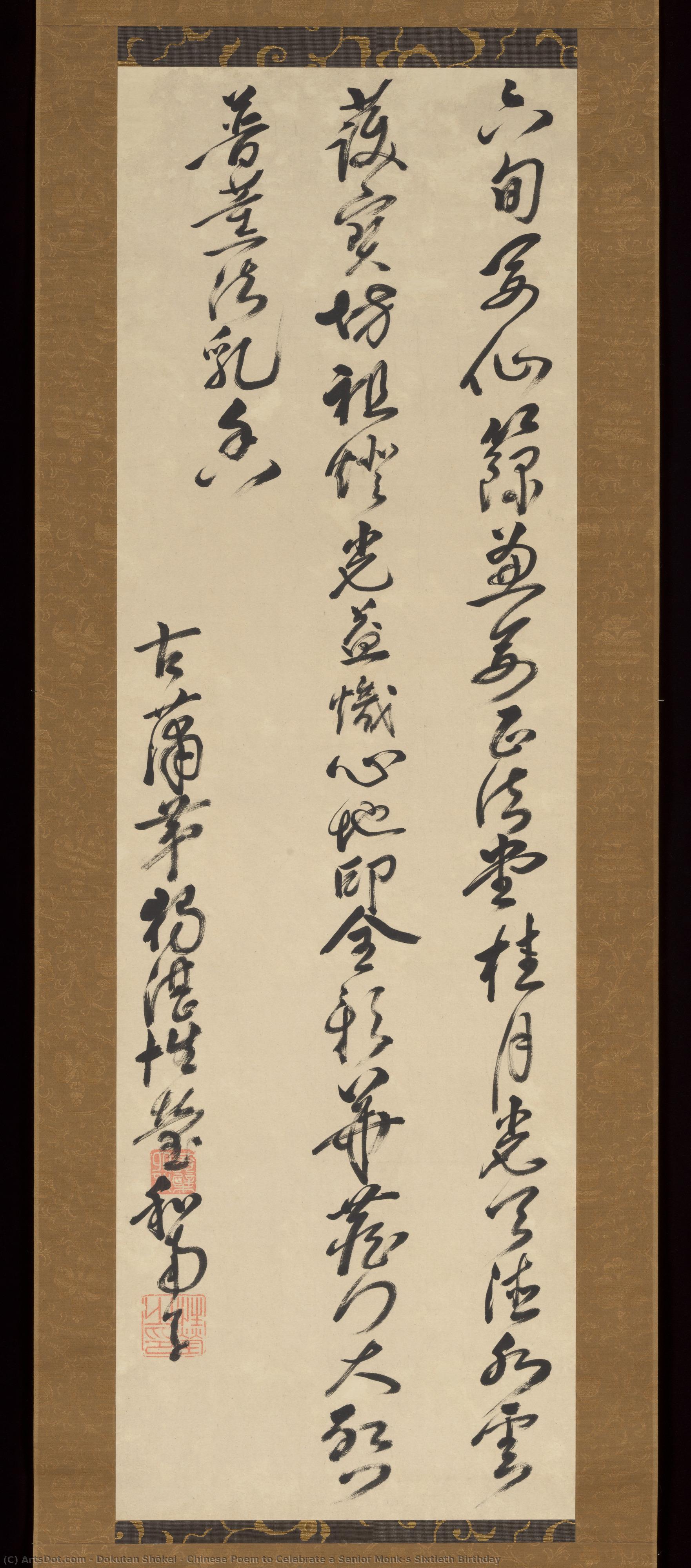
Chinese Poem to Celebrate a Senior Monk’s Sixtieth Birthday
 Suiboku ga
 701
701 128.0cm x 41.0cm
 詳細を見る
詳細を見る
オンラインプレビューをはるかに凌ぐ、高解像度で鮮明なデジタル画像をご購入いただけます。
各ファイルは、社内の専門家が高度なツールと熟練した手作業によるレタッチを用いて、細心の注意を払って準備されています。すべての画像において、卓越した鮮明度、正確な色彩再現性、そして繊細なディテールを保証いたします。
最終ファイルは、プロフェッショナルな編集・印刷環境ですぐにご利用いただけるよう最適化された状態で、72時間以内にメールにてお届けいたします。これは、一流のデザインスタジオ、出版社、ギャラリーから信頼されているものと同等の品質です。
デジタル画像のご注文に付随する特典
高品質なデジタル画像配信を、確かな品質で。
ArtsDot.com を選ぶことは、単に画像を手に入れることではありません。それは、プロの手によって精密に仕上げられ、満足保証が付いた高品質なデジタルアートワークを受け取ることを意味します。ご注文いただいた際に自動的に付随する内容は、以下の通りです:

メールですぐにお届け
ご注文から72時間以内に、高解像度のデジタル画像ファイルがメールでお手元に届きます。すぐにそのままご利用いただけます。

AI技術で最適化されたデジタルファイル
お客様の作品は、高度なAIツールと専門家による手作業の編集を組み合わせてプロフェッショナルに最適化されており、細部のディテール、鮮明さ、そして正確な色再現性を最大限に引き出しています。

一生涯無料の再送サービス
ファイルを誤って削除したり、紛失してしまったりしましたか?ご安心ください。いつでも無料で再送いたします。

輸入手数料は一切かかりません
関税や手数料、配送料を気にすることなく、お気に入りのアートワークをすぐにお楽しみいただけます。デジタルダウンロードは常に免税です。

色彩再現の保証
プロ仕様のツールとカラーマネジメント技術を用いることで、デジタル画像が元の色を最大限に忠実に再現することを保証いたします。

60日間満足保証
ご購入いただいたデジタル画像にご満足いただけない場合は、60日以内であれば、修正または100%の返金(理由を問う必要はありません)をさせていただきます。

100% 返金保証
ご満足いただけない場合は、デジタルファイルを受け取ってから60日以内であれば、理由を問わず全額返金いたします。

まとめ買い割引
3枚購入で10%OFF - 5枚購入で15%OFF - 10枚以上購入で20%OFF。クリエイティブなプロジェクト、ギャラリー、エージェンシーに最適です。
作品の詳細
The Artist: Dokutan Shōkei (Duzhan Xingying)
Dokutan Shōkei, also known as Duzhan Xingying, was a Chinese monk born in Putian, China in 1628. He was a significant figure in the spread of Zen Buddhism and was a disciple of Ingen Ryūki, who founded the Ōbaku school of Zen Buddhism in Japan. Dokutan Shōkei was known for practicing the teachings of both Zen and Pure Land sects, and he came to be recognized as one of the most important Chinese monks in Japanese history (learn more about Dokutan Shōkei).The Painting: Chinese Poem to Celebrate a Senior Monk’s Sixtieth Birthday
Chinese Poem to Celebrate a Senior Monk’s Sixtieth Birthday is an ink-on-paper painting by Dokutan Shōkei, created during the Edo period (1615–1868) in Japan. The artwork features two long columns and one short column of bold Ming-style cursive calligraphy that transcribe a Chinese poem composed in eight lines, with five syllables each. Balanced on the left is a half-column of characters of the same size and style, comprising the calligrapher’s signature (see more works by William Blake). The verse was composed on the occasion of another unnamed monk's sixtieth birthday, and it is a beautiful example of Chinese calligraphy and poetry. The painting is part of the permanent collection at the Metropolitan Museum of Art in New York (see more works by Pablo Picasso).Style and Significance
Dokutan Shōkei’s calligraphy is a masterful example of the Suiboku ga art movement, which emerged during the Tang dynasty of China (618–907) and overturned earlier, more realistic techniques. Suiboku ga is typically monochrome, using shades of black ink in different concentrations to create washes and textures. The style emphasizes virtuoso brushwork and conveying the perceived spirit or essence of the subject (see more works by Pablo Picasso). In this painting, Dokutan Shōkei’s calligraphy is fluid and expressive, with bold strokes that convey a sense of energy and movement. The poem’s content and the calligrapher’s signature add layers of meaning to the artwork, making it a rich and complex example of Chinese calligraphy and poetry (see more works by Max Ernst). Overall, Chinese Poem to Celebrate a Senior Monk’s Sixtieth Birthday is a significant work of art that showcases Dokutan Shōkei’s mastery of the Suiboku ga style and his deep understanding of Chinese poetry and calligraphy. The painting is not only a beautiful example of these artistic traditions but also a testament to the enduring influence of Chinese culture in Japan (view the painting).関連作品

作家の略歴
Rembrandt Harmenszoon van Rijn: A Master of Light and Emotion
Rembrandt Harmenszoon van Rijn, a name synonymous with artistic genius in the Netherlands, remains one of history’s most profoundly influential painters. Born on July 15, 1606, in Leiden, Rembrandt's journey was marked by both extraordinary success and periods of personal hardship, yet his legacy endures through an unparalleled ability to capture human emotion, masterfully manipulate light, and tell compelling stories within his canvases. His life spanned nearly six decades, culminating in his death on October 4, 1669, in Amsterdam, leaving behind a vast and deeply moving body of work that continues to captivate audiences worldwide. Rembrandt’s early artistic training remains somewhat shrouded in mystery. While he likely received instruction from his father, Isaac van Rijn, a painter and frame maker, the precise details of his formative years are elusive. His uncle, Salomon van Ruysdael, another artist, undoubtedly played a role, though little of his work survives. Despite this lack of formal documentation, Rembrandt quickly demonstrated exceptional talent, earning recognition for his portraits in Leiden by 1625. He moved to Amsterdam around 1631, establishing himself as a respected portraitist and quickly gaining commissions from wealthy merchants and civic officials. This period saw the creation of many of his most celebrated early works, including *The Storm on the Sea of Galilee* (1633), a dramatic depiction of Christ’s calming of a storm, showcasing his burgeoning skill in rendering light and movement. However, Rembrandt's ambition extended beyond mere portraiture; he sought to explore deeper themes of human experience, delving into biblical narratives and historical events. Rembrandt’s artistic development underwent a significant transformation throughout his career. Initially known for his polished realism and meticulous detail, particularly evident in works like *The Anatomy Lesson of Dr. Nicolaes Tulp* (1632), he gradually shifted towards a more expressive and emotionally charged style. This evolution was driven by a desire to convey inner states rather than simply replicating external appearances. He experimented with looser brushstrokes, dramatic contrasts of light and shadow – what he termed *chiaroscuro* – and a greater emphasis on psychological depth. The period between 1640 and 1650 witnessed this stylistic shift most dramatically, culminating in masterpieces such as *The Night Watch* (1642), a complex group portrait that transcends the conventions of its genre to become a vibrant tableau of human interaction. This painting, initially commissioned by a militia company, is considered a pivotal moment in Rembrandt’s career, demonstrating his mastery of composition, color, and dramatic lighting. Later works, like *Bathsheba at Her Bath* (1662) and *The Return of the Prodigal Son* (c. 1669), further explored themes of repentance, forgiveness, and redemption, reflecting Rembrandt’s own personal struggles with faith and mortality. Rembrandt's influence on subsequent generations of artists is immeasurable. His innovative use of light and shadow, his profound understanding of human psychology, and his willingness to challenge artistic conventions established a new standard for portraiture and narrative painting. Artists like Johannes Vermeer, Frans Hals, and Jacob van Ruisdael were all profoundly affected by Rembrandt’s work. Furthermore, Rembrandt's exploration of self-portraiture – he created over 60 self-portraits throughout his life – offered an unprecedented level of introspection and honesty, providing a unique window into the artist’s own evolving personality and artistic process. His etchings, particularly *The Hundred Guilder Print* (1654), are equally remarkable for their technical skill and expressive power. Rembrandt's legacy extends far beyond the realm of painting; he is revered as a symbol of artistic integrity, emotional depth, and the enduring power of human creativity.Key Works
- *The Storm on the Sea of Galilee* (1633) – Demonstrates early mastery of light and movement.
- *The Anatomy Lesson of Dr. Nicolaes Tulp* (1632) – Exemplifies meticulous realism and detailed observation.
- *The Night Watch* (1642) – A groundbreaking group portrait that redefined the genre.
- *Bathsheba at Her Bath* (1662) – Explores themes of temptation, guilt, and redemption.
- *The Return of the Prodigal Son* (c. 1669) – A poignant depiction of forgiveness and familial reconciliation.
Influences and Techniques
Rembrandt’s artistic development was shaped by a confluence of influences, including the Italian Renaissance masters like Leonardo da Vinci and Michelangelo, as well as the works of earlier Dutch painters such as Jacob van Ruisdael. He meticulously studied their techniques, particularly their use of light and shadow, and incorporated these elements into his own style. Rembrandt’s signature technique involved *chiaroscuro*, a dramatic contrast between light and dark, which he used to create depth, volume, and emotional intensity. He also employed a loose, expressive brushstroke that added texture and dynamism to his paintings. His ability to capture the subtle nuances of human expression – from joy and sorrow to contemplation and despair – is what truly sets his work apart.Historical Significance
Rembrandt’s life coincided with the Dutch Golden Age, a period of unprecedented prosperity and cultural flourishing in the Netherlands. His art reflected the values and ideals of this era, celebrating human achievement, religious faith, and civic virtue. Despite facing financial difficulties and personal tragedies later in his career, Rembrandt remained committed to his artistic vision, producing some of his most enduring works during this challenging time. His story serves as a testament to the power of perseverance and the importance of pursuing one’s passions despite adversity. Rembrandt's work continues to be studied and admired by art historians, critics, and audiences around the world, solidifying his place as one of the greatest artists in Western history.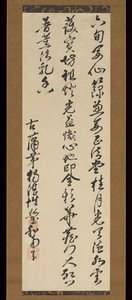
duzhan xingying
1628 - 1706


