A Life Dedicated to Brush and Ink: The World of Nakamura Fusetsu
Nakamura Fusetsu (中村不折, born Sakutarō on August 19th, 1866 in Tokyo – died June 6th, 1943 in Tokyo) stands as a compelling figure bridging the traditional and modern currents within Japanese art. He wasn’t merely a painter; he was a dedicated scholar of aesthetics, a masterful calligrapher, and a pivotal player in the development of *Yōga* – Western-style painting – during the Meiji and Taishō periods. Fusetsu's life unfolded against a backdrop of rapid modernization in Japan, a time when the nation actively sought to integrate aspects of Western culture while simultaneously preserving its rich artistic heritage. His journey reflects this complex negotiation, resulting in a unique synthesis that earned him recognition both within the Imperial Court and among progressive art circles.
Early Training and the Embrace of Yōga
Fusetsu’s initial artistic education was steeped in traditional Japanese painting styles, particularly *Nanga* (literati painting), which emphasized expressive brushwork and poetic themes inspired by Chinese scholar-artists. However, he quickly became fascinated with Western art techniques upon their introduction to Japan during the Meiji Restoration. He studied under Kawai Gyokudō, a prominent figure in adapting Western oil painting methods for Japanese sensibilities. This early exposure proved transformative. Fusetsu wasn’t interested in simply replicating Western styles; instead, he sought to incorporate them into his existing artistic vocabulary, creating a hybrid approach that valued both realistic representation and the expressive qualities of traditional ink wash painting. He believed that *Yōga* could enrich Japanese art by offering new perspectives on light, shadow, and composition, while simultaneously preserving the spiritual depth inherent in Japanese aesthetics.
A Court Painter and Artistic Refinement
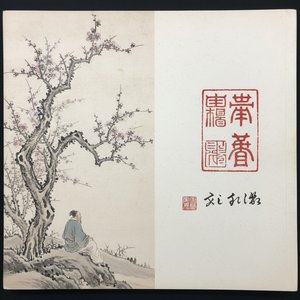
Fusetsu’s talent soon garnered attention, leading to a prestigious appointment as a painter for the Imperial Household in 1890. This position afforded him access to exclusive patronage and opportunities to create works for the Imperial Family – a testament to his skill and the growing acceptance of *Yōga* within conservative circles. During this period, he focused on landscapes, often depicting serene scenes inspired by classical Chinese poetry and Japanese gardens. His paintings from this era are characterized by their meticulous detail, subtle color palettes, and an atmosphere of quiet contemplation. He wasn’t simply documenting nature; he was striving to capture its essence – the *ki* or vital energy that permeated all things. His work often featured bamboo groves, plum blossoms, and other motifs laden with symbolic meaning representing resilience, purity, and scholarly virtue.
Calligraphy as an Integral Art Form
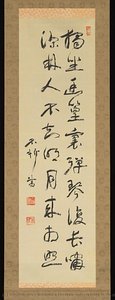
While celebrated for his paintings, Fusetsu considered calligraphy to be equally important – even foundational – to his artistic practice. He believed that the brushstrokes in calligraphy were a direct expression of the artist’s inner state, embodying *shodō* (the way of writing) and reflecting their spiritual cultivation. He studied various calligraphic styles, mastering both Japanese and Chinese traditions. His calligraphy wasn't merely decorative; it was an integral part of his paintings, often accompanying landscapes with poetic inscriptions that enhanced the overall meaning and emotional impact of the work.
- The Interplay of Brushwork: Fusetsu seamlessly integrated painting and calligraphy, believing they were two sides of the same coin.
- Poetic Resonance: His calligraphic inscriptions often drew upon classical literature, adding layers of meaning to his landscapes.
- Spiritual Depth: He saw calligraphy as a path to self-cultivation and spiritual enlightenment.
Legacy and Historical Significance
Nakamura Fusetsu’s contribution to Japanese art lies in his successful fusion of Eastern and Western techniques. He demonstrated that *Yōga* wasn't simply an imitation of foreign styles but could be a powerful tool for artistic innovation, enriching the existing traditions while embracing new possibilities. His work helped pave the way for subsequent generations of Japanese artists who sought to bridge cultural divides and create uniquely modern forms of expression.
Fusetsu’s serene landscapes and poetic calligraphy continue to resonate with audiences today, offering a glimpse into a world where artistic skill is intertwined with spiritual depth and a profound appreciation for the beauty of nature. He remains an important figure in understanding the complex evolution of Japanese art during a period of transformative change.