

 プレビュー
プレビュー
 プリントを購入
 シェアする
シェアする シェアする
シェアする
 詳細を見る
詳細を見る

 ダウンロード
 似ている作品
 X線調査
X線調査 スライドショー
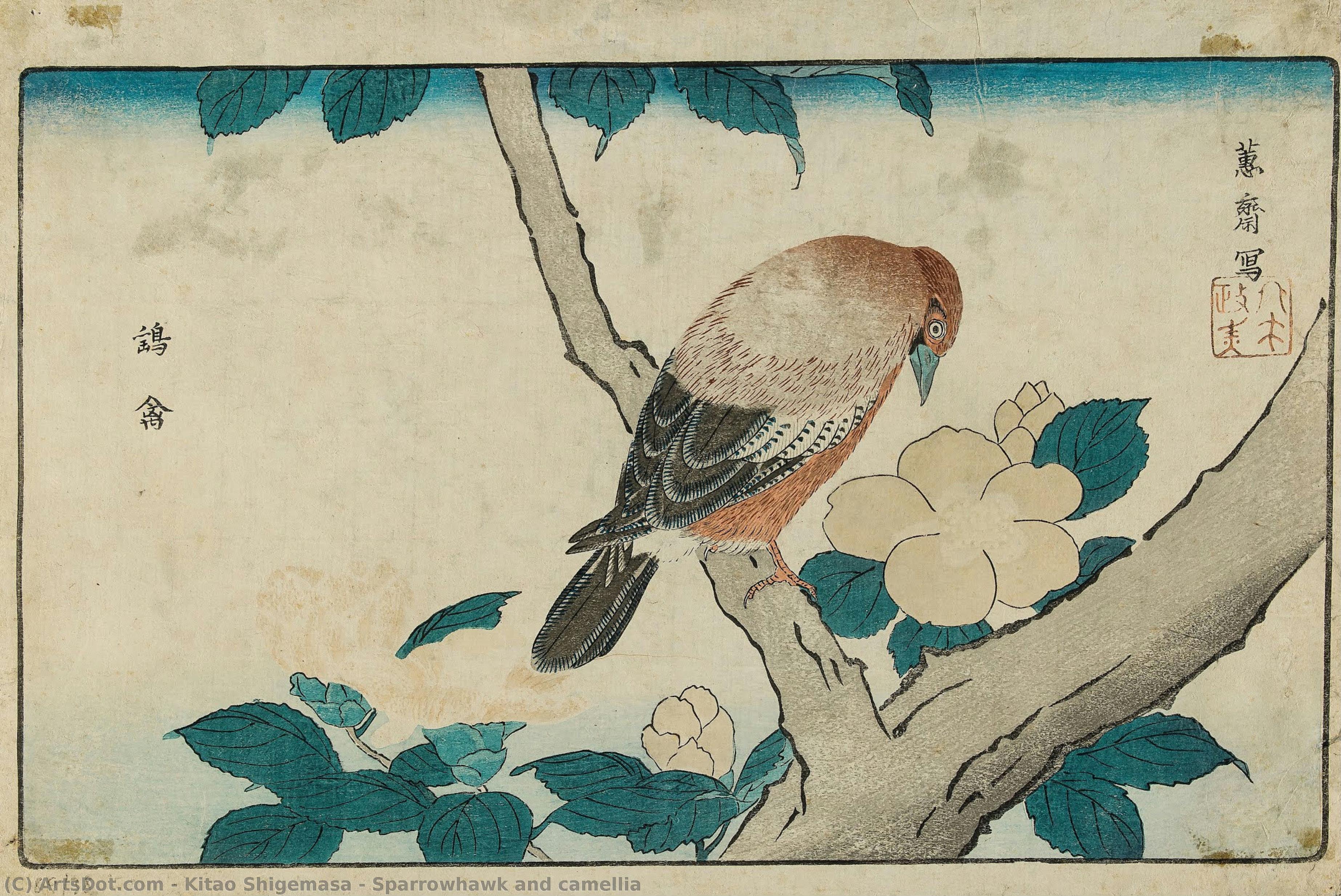
Sparrowhawk and camellia

 詳細を見る
詳細を見る
オンラインプレビューをはるかに凌ぐ、高解像度で鮮明なデジタル画像をご購入いただけます。
各ファイルは、社内の専門家が高度なツールと熟練した手作業によるレタッチを用いて、細心の注意を払って準備されています。すべての画像において、卓越した鮮明度、正確な色彩再現性、そして繊細なディテールを保証いたします。
最終ファイルは、プロフェッショナルな編集・印刷環境ですぐにご利用いただけるよう最適化された状態で、72時間以内にメールにてお届けいたします。これは、一流のデザインスタジオ、出版社、ギャラリーから信頼されているものと同等の品質です。
デジタル画像のご注文に付随する特典
高品質なデジタル画像配信を、確かな品質で。
ArtsDot.com を選ぶことは、単に画像を手に入れることではありません。それは、プロの手によって精密に仕上げられ、満足保証が付いた高品質なデジタルアートワークを受け取ることを意味します。ご注文いただいた際に自動的に付随する内容は、以下の通りです:

メールですぐにお届け
ご注文から72時間以内に、高解像度のデジタル画像ファイルがメールでお手元に届きます。すぐにそのままご利用いただけます。

AI技術で最適化されたデジタルファイル
お客様の作品は、高度なAIツールと専門家による手作業の編集を組み合わせてプロフェッショナルに最適化されており、細部のディテール、鮮明さ、そして正確な色再現性を最大限に引き出しています。

一生涯無料の再送サービス
ファイルを誤って削除したり、紛失してしまったりしましたか?ご安心ください。いつでも無料で再送いたします。

輸入手数料は一切かかりません
関税や手数料、配送料を気にすることなく、お気に入りのアートワークをすぐにお楽しみいただけます。デジタルダウンロードは常に免税です。

色彩再現の保証
プロ仕様のツールとカラーマネジメント技術を用いることで、デジタル画像が元の色を最大限に忠実に再現することを保証いたします。

60日間満足保証
ご購入いただいたデジタル画像にご満足いただけない場合は、60日以内であれば、修正または100%の返金(理由を問う必要はありません)をさせていただきます。

100% 返金保証
ご満足いただけない場合は、デジタルファイルを受け取ってから60日以内であれば、理由を問わず全額返金いたします。

まとめ買い割引
3枚購入で10%OFF - 5枚購入で15%OFF - 10枚以上購入で20%OFF。クリエイティブなプロジェクト、ギャラリー、エージェンシーに最適です。
関連作品









作家の略歴
Robert Barker: The Pioneer of the Panorama
Born in Kells, County Meath, Ireland, in 1739, Robert Barker’s name is inextricably linked to one of the most remarkable innovations in visual art – the panorama. While often overshadowed by later developments and other artists involved in its creation, Barker was undeniably the driving force behind its initial conception and popularization. His life wasn't marked by traditional artistic training; instead, he honed his skills as an itinerant portrait painter, a profession that ultimately provided him with the unique understanding of perspective and audience engagement necessary to realize his ambitious vision.
Barker’s early career involved traveling throughout Britain and Ireland, capturing likenesses of prominent figures. This experience instilled in him a keen awareness of how people perceived space and distance – crucial elements for creating an immersive panoramic experience. It was during this period that he coined the term “panorama” itself, derived from the Greek words *pan* (all) and *horama* (view), reflecting his intention to offer a comprehensive survey of a scene. His initial experiments involved painting cityscapes on cylindrical surfaces, allowing viewers to rotate and take in a 360-degree perspective – a revolutionary concept at the time.
The Leicester Square Spectacle
In 1793, Barker unveiled his first purpose-built panorama in London’s Leicester Square. This wasn't merely a painting; it was a meticulously engineered spectacle. The building itself was designed by Robert Mitchell, and housed a massive canvas stretched taut over a circular frame. Viewers paid three shillings to stand on a central platform beneath a skylight, effectively eliminating shadows and creating an even illumination that heightened the illusion of being within the scene. Barker’s panorama of Edinburgh from Calton Hill became an immediate sensation, drawing crowds eager to experience this unprecedented form of entertainment.
Barker's success wasn't simply due to the novelty of the format; he was a master of perspective and composition. He skillfully manipulated vanishing points and foreshortening to create a convincing illusion of depth and scale. His work drew heavily on the principles developed by earlier artists like Wenceslas Hollar, but Barker pushed these techniques further, creating a more dynamic and engaging experience for the viewer. The panoramic view of London, painted as if viewed from the roof of Albion Mills, showcased this mastery, offering a remarkably detailed and expansive depiction of the city.
Influences and Connections
Barker’s work was influenced by several key figures in the art world. Francis Towne, another British painter known for his landscapes, shared some technical approaches with Barker, particularly in their use of flat washes and pen-and-ink outlines. Charles Jervas, a portraitist who painted George I and George II, provided Barker with valuable insights into the demands of portraiture and the importance of capturing likenesses accurately. These connections demonstrate a vibrant artistic community that fostered experimentation and innovation.
Furthermore, Barker’s work reflects the broader cultural trends of his time – the rise of the “picturesque” aesthetic and the growing interest in travel and exploration. The panoramas offered a vicarious experience of distant lands and grand vistas, catering to a burgeoning middle class eager for entertainment and knowledge. His success paved the way for the development of cycloramas in America and other parts of Europe, solidifying the panorama’s place as a significant form of visual art.
Legacy and Lasting Impact
Despite his initial fame, Robert Barker's career was relatively short-lived. He died in 1806, but his legacy endures through the invention of the panorama itself. His innovation fundamentally changed how people experienced art, moving beyond static paintings to create immersive environments that engaged multiple senses. The term “panorama” remains in use today, not just as a description of a specific artistic format, but also as a metaphor for a comprehensive overview or survey.
Barker’s contribution is often overlooked, overshadowed by later developments and the more flamboyant figures associated with the panorama craze. However, his pioneering spirit and technical skill were essential to its creation, establishing the panorama as a landmark achievement in the history of visual art – a testament to one man's vision and ingenuity.

kitao shigemasa
1739 - 1820 , Japan
プロフィール概要
- Artistic Movement Or Style: Panoramic painting
- Artists Or Movements Influenced By This Artist: ['Charles Jervas']
- Date Of Birth: 1739
- Date Of Death: 1806
- Full Name: Robert Barker
- Nationality: Irish
- Notable Artworks: ['The Panorama of Edinburgh']
- Place Of Birth: Kells, County Meath, Ireland

