

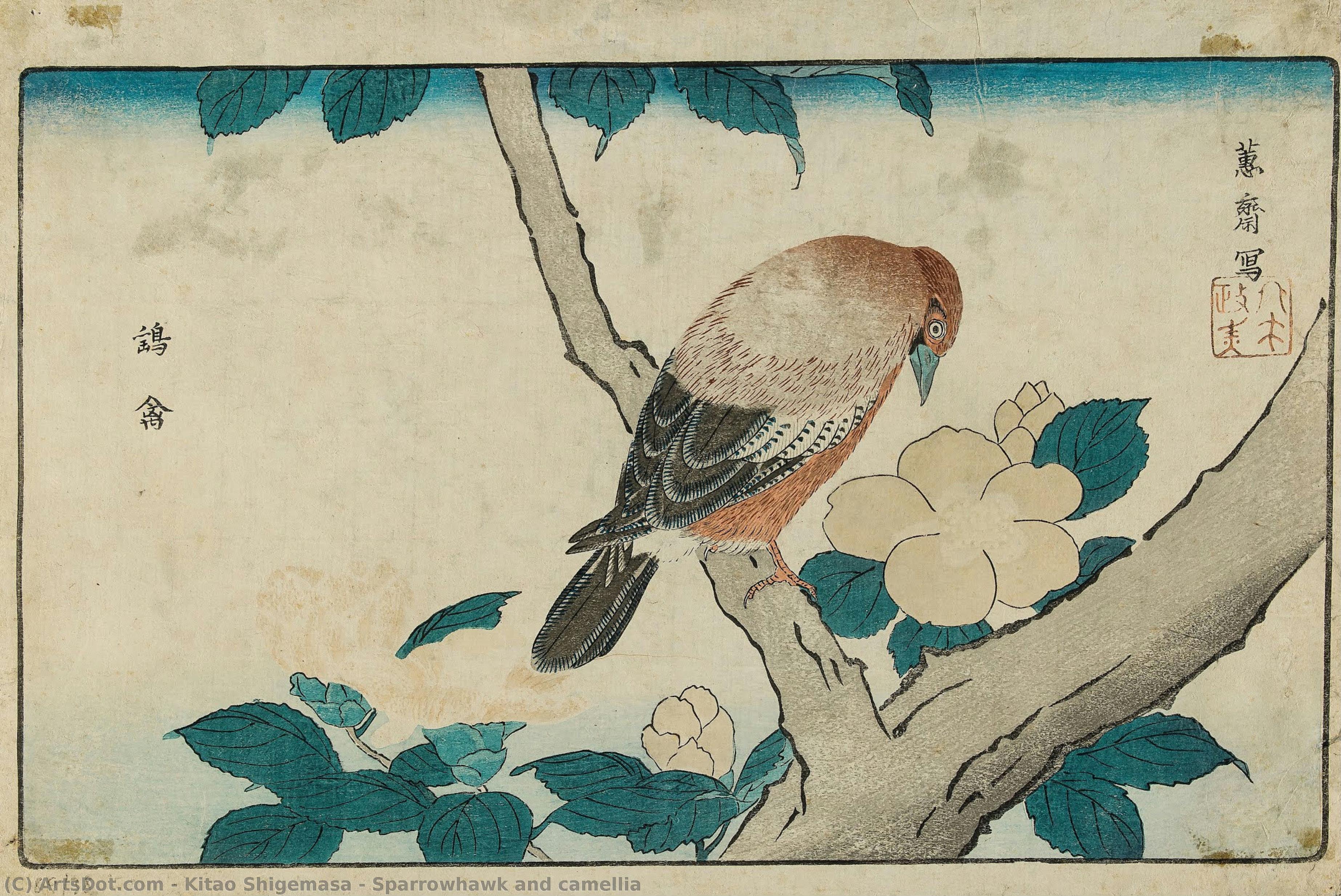
 プレビュー
プレビュー
 シェアする
シェアする シェアする
シェアする
 詳細を見る
詳細を見る

 ダウンロード
 似ている作品
 X線調査
X線調査 スライドショー
Sparrowhawk and camellia

 詳細を見る
詳細を見る
ジークレー/アートプリント
迅速な制作と多彩な仕上げオプションを備えた、ミュージアムクオリティのジークレーまたはキャンバスプリント。 ( 手描きの絵画を購入 画像を購入)




































作品のオリジナル比率に合わせた、当店の規定サイズからお選びください。

特定のフレームやスペースに合わせて、ご自身でサイズを指定することも可能です。選択されたサイズが元の画像の比率と一致しない場合、作品をトリミングするか、鏡面反射または単色での塗りつぶしによって画像を拡張いたします。制作を開始する前に、ご確認用のデジタルモックアップをお送りいたします。
画面上のプレビューには、実際のトリミングや拡張は反映されませんのでご注意ください。最終的な構図を正確に確認できるのは、モックアップのみとなります。
カスタムサイズも承っておりますが、元の比率を維持するためには、あらかじめ用意されたリストからサイズを選択することをお勧めいたします。


 ガラスオプションは、110cm未満のサイズでのみご利用いただけます。

Sparrowhawk and camellia
ジークレー/アートプリント
複製画のサイズ
-


合計金額
$ 62
関連作品









アーティストの略歴
Robert Barker: The Pioneer of the Panorama
Born in Kells, County Meath, Ireland, in 1739, Robert Barker’s name is inextricably linked to one of the most remarkable innovations in visual art – the panorama. While often overshadowed by later developments and other artists involved in its creation, Barker was undeniably the driving force behind its initial conception and popularization. His life wasn't marked by traditional artistic training; instead, he honed his skills as an itinerant portrait painter, a profession that ultimately provided him with the unique understanding of perspective and audience engagement necessary to realize his ambitious vision.
Barker’s early career involved traveling throughout Britain and Ireland, capturing likenesses of prominent figures. This experience instilled in him a keen awareness of how people perceived space and distance – crucial elements for creating an immersive panoramic experience. It was during this period that he coined the term “panorama” itself, derived from the Greek words *pan* (all) and *horama* (view), reflecting his intention to offer a comprehensive survey of a scene. His initial experiments involved painting cityscapes on cylindrical surfaces, allowing viewers to rotate and take in a 360-degree perspective – a revolutionary concept at the time.
The Leicester Square Spectacle
In 1793, Barker unveiled his first purpose-built panorama in London’s Leicester Square. This wasn't merely a painting; it was a meticulously engineered spectacle. The building itself was designed by Robert Mitchell, and housed a massive canvas stretched taut over a circular frame. Viewers paid three shillings to stand on a central platform beneath a skylight, effectively eliminating shadows and creating an even illumination that heightened the illusion of being within the scene. Barker’s panorama of Edinburgh from Calton Hill became an immediate sensation, drawing crowds eager to experience this unprecedented form of entertainment.
Barker's success wasn't simply due to the novelty of the format; he was a master of perspective and composition. He skillfully manipulated vanishing points and foreshortening to create a convincing illusion of depth and scale. His work drew heavily on the principles developed by earlier artists like Wenceslas Hollar, but Barker pushed these techniques further, creating a more dynamic and engaging experience for the viewer. The panoramic view of London, painted as if viewed from the roof of Albion Mills, showcased this mastery, offering a remarkably detailed and expansive depiction of the city.
Influences and Connections
Barker’s work was influenced by several key figures in the art world. Francis Towne, another British painter known for his landscapes, shared some technical approaches with Barker, particularly in their use of flat washes and pen-and-ink outlines. Charles Jervas, a portraitist who painted George I and George II, provided Barker with valuable insights into the demands of portraiture and the importance of capturing likenesses accurately. These connections demonstrate a vibrant artistic community that fostered experimentation and innovation.
Furthermore, Barker’s work reflects the broader cultural trends of his time – the rise of the “picturesque” aesthetic and the growing interest in travel and exploration. The panoramas offered a vicarious experience of distant lands and grand vistas, catering to a burgeoning middle class eager for entertainment and knowledge. His success paved the way for the development of cycloramas in America and other parts of Europe, solidifying the panorama’s place as a significant form of visual art.
Legacy and Lasting Impact
Despite his initial fame, Robert Barker's career was relatively short-lived. He died in 1806, but his legacy endures through the invention of the panorama itself. His innovation fundamentally changed how people experienced art, moving beyond static paintings to create immersive environments that engaged multiple senses. The term “panorama” remains in use today, not just as a description of a specific artistic format, but also as a metaphor for a comprehensive overview or survey.
Barker’s contribution is often overlooked, overshadowed by later developments and the more flamboyant figures associated with the panorama craze. However, his pioneering spirit and technical skill were essential to its creation, establishing the panorama as a landmark achievement in the history of visual art – a testament to one man's vision and ingenuity.

kitao shigemasa
1739 - 1820 , Japan
基本情報
- Artistic Movement Or Style: Panoramic painting
- Artists Or Movements Influenced By This Artist: ['Charles Jervas']
- Date Of Birth: 1739
- Date Of Death: 1806
- Full Name: Robert Barker
- Nationality: Irish
- Notable Artworks: ['The Panorama of Edinburgh']
- Place Of Birth: Kells, County Meath, Ireland

