

 シェアする
シェアする シェアする
シェアする
 詳細を見る
詳細を見る

 ダウンロード
 似ている作品
 スライドショー
 統計情報
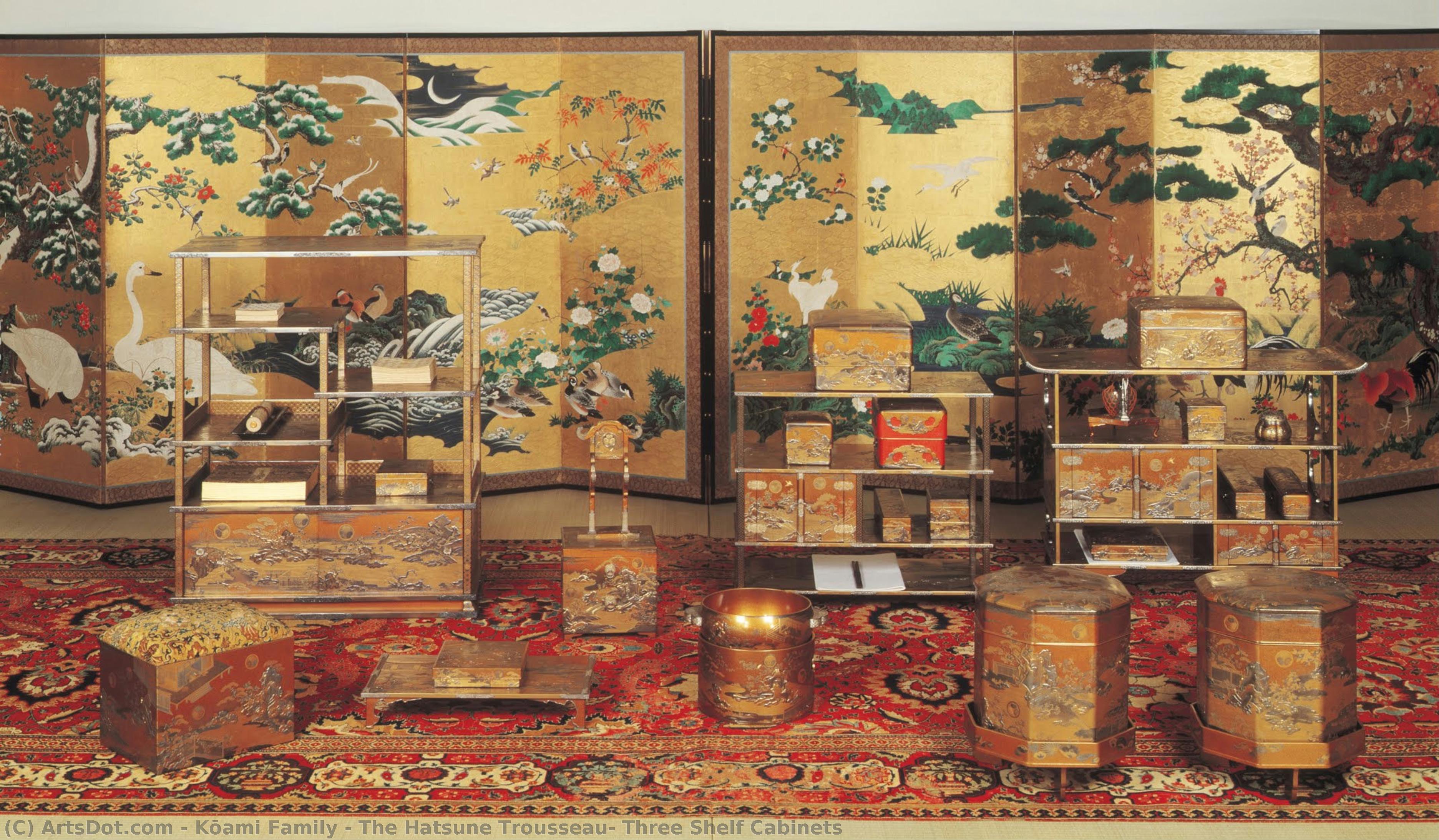
統計情報The Hatsune Trousseau, Three Shelf Cabinets


 詳細を見る
詳細を見る
オンラインプレビューをはるかに凌ぐ、高解像度で鮮明なデジタル画像をご購入いただけます。
各ファイルは、社内の専門家が高度なツールと熟練した手作業によるレタッチを用いて、細心の注意を払って準備されています。すべての画像において、卓越した鮮明度、正確な色彩再現性、そして繊細なディテールを保証いたします。
最終ファイルは、プロフェッショナルな編集・印刷環境ですぐにご利用いただけるよう最適化された状態で、72時間以内にメールにてお届けいたします。これは、一流のデザインスタジオ、出版社、ギャラリーから信頼されているものと同等の品質です。
デジタルアート
個人での鑑賞、印刷、クリエイティブなプロジェクト用に、高解像度ファイルをダウンロードできます。 ( プリント版に切り替え 手描きの絵画を購入)
デジタル画像のご注文に付随する特典
高品質なデジタル画像配信を、確かな品質で。
ArtsDot.com を選ぶことは、単に画像を手に入れることではありません。それは、プロの手によって精密に仕上げられ、満足保証が付いた高品質なデジタルアートワークを受け取ることを意味します。ご注文いただいた際に自動的に付随する内容は、以下の通りです:

メールですぐにお届け
ご注文から72時間以内に、高解像度のデジタル画像ファイルがメールでお手元に届きます。すぐにそのままご利用いただけます。

AI技術で最適化されたデジタルファイル
お客様の作品は、高度なAIツールと専門家による手作業の編集を組み合わせてプロフェッショナルに最適化されており、細部のディテール、鮮明さ、そして正確な色再現性を最大限に引き出しています。

一生涯無料の再送サービス
ファイルを誤って削除したり、紛失してしまったりしましたか?ご安心ください。いつでも無料で再送いたします。

輸入手数料は一切かかりません
関税や手数料、配送料を気にすることなく、お気に入りのアートワークをすぐにお楽しみいただけます。デジタルダウンロードは常に免税です。

色彩再現の保証
プロ仕様のツールとカラーマネジメント技術を用いることで、デジタル画像が元の色を最大限に忠実に再現することを保証いたします。

100日間満足保証
ご購入いただいたデジタル画像にご満足いただけない場合は、100日以内であれば、理由を問わず修正または100%の返金対応をさせていただきます。

100% 返金保証
ご満足いただけない場合は、デジタルファイルを受け取ってから100日以内であれば、理由を問わず全額返金いたします。

まとめ買い割引
3枚購入で10%OFF - 5枚購入で15%OFF - 10枚以上購入で20%OFF。クリエイティブなプロジェクト、ギャラリー、エージェンシーに最適です。
A Golden Legacy of Edo Splendor
In the quiet reverence of Japanese history, few objects command attention quite like The Hatsune Trousseau, Three Shelf Cabinets. Created in 1639 by the legendary kōami family, this masterpiece serves as a breathtaking window into the opulent world of the Edo period. The cabinets are not merely functional furniture but are elevated to the status of National Treasures, embodying the pinnacle of maki-e lacquer artistry. As one gazes upon the shimmering gold surfaces, it is impossible not to feel the weight of tradition and the meticulous devotion of nineteen generations of artisans who mastered the delicate dance of wet lacquer and precious metal powders.
The visual narrative of these cabinets is deeply rooted in classical Japanese literature, specifically The Tale of Genji. The motif of Hatsune, or the First Warbler, serves as a poignant symbol of spring's arrival and the renewal of life. This delicate connection to nature is woven into the very fabric of the design, where the interplay of light on the gold-dusted surfaces mimics the fleeting beauty of a seasonal dawn. For the discerning collector or interior designer, this piece offers more than just decoration; it provides a profound sense of continuity and a sophisticated touch of historical elegance that can anchor any high-end space.
Mastery of Technique and Materiality
The technical brilliance of the kōami family lies in their unparalleled command over the maki-e technique. This process involves sprinkling fine particles of gold or silver onto damp lacquer, creating a multidimensional landscape that seems to glow from within. In these three shelf cabinets, the craftsmanship is evident in every intricate detail—from the way the light catches the raised textures of the decorative objects to the seamless integration of botanical and avian elements. The presence of books, vases, and delicate ornaments arranged upon the shelves suggests a curated life of refinement, inviting the viewer to imagine the aristocratic halls where such treasures once resided.
To possess a reproduction of such a work is to invite a piece of Japan's imperial soul into one's home. The cabinets evoke an atmosphere of serene luxury, making them an ideal inspiration for those looking to blend traditional Eastern aesthetics with contemporary grandeur. Whether placed as a focal point in a study or used to inspire a themed gallery, the emotional impact of this work is undeniable—it is a celebration of permanence, beauty, and the enduring spirit of Japanese craftsmanship that continues to captivate the modern eye.
関連作品
作家の略歴
The Enduring Legacy of the Koami Family: Masters of Maki-e Lacquer
For nearly two centuries and nineteen generations, the Koami family has stood as a beacon of artistic excellence in Japan, renowned for their mastery of maki-e lacquer – a technique that transforms wet lacquer into shimmering landscapes of gold, silver, and vibrant pigments. More than simply artisans, they were custodians of tradition, deeply intertwined with the fortunes of the nation’s ruling houses, shaping the aesthetic landscape of imperial courts and samurai residences alike. Their story is one of meticulous craftsmanship, familial devotion, and a profound understanding of both artistic expression and the delicate balance between utility and beauty.
The Koami's origins trace back to Michinaga (1410–78), a personal attendant to Ashikaga Yoshimasa, the powerful ruler of the Muromachi shogunate. Recognizing his exceptional talent, Yoshimasa entrusted Michinaga with decorating his lavish palace in Kyoto. It was during this period that the Koami began to develop their signature style – a sophisticated blend of lacquerwork and painting, heavily influenced by the burgeoning artistic trends of the time. Michinaga’s innovations, particularly his pioneering use of takamaki-e, where powdered gold is meticulously applied to a design drawn in wet lacquer, established a foundation upon which future generations would build.
The Art of Maki-e: A Dance with Light and Metal
At the heart of the Koami’s artistry lies maki-e – literally “sprinkled picture.” This intricate technique involves applying lacquer to a wooden surface, allowing it to dry to a pliable state. Then, using specialized tools and pigments, artists create designs—often inspired by nature, calligraphy, or auspicious motifs—on the wet lacquer. Finally, they delicately sprinkle powdered gold, silver, or mother-of-pearl onto these designs, allowing the particles to adhere to the surface. The lacquer is then carefully polished to reveal the shimmering beauty of the metalwork, creating a breathtaking interplay of light and texture.
The Koami family distinguished themselves through their exceptional control over this process. They weren’t merely decorators; they were architects of visual experience. They mastered the subtle nuances of lacquer application, color blending, and metal manipulation, achieving an unparalleled level of detail and luminosity. Their work wasn't simply decorative; it was imbued with symbolic meaning, reflecting the values and aspirations of their patrons.
A Dynasty Forged in Patronage: The Tokugawa Era
The Koami’s fortunes rose dramatically during the Edo period (1603-1868), particularly under the patronage of the Tokugawa shogunate. Following a brief decline after the castle destruction, the family established a workshop in Edo (modern Tokyo) and quickly regained its prominence. The reign of Tokugawa Iemitsu (1604–1858), the seventh shogun, marked a golden age for the Koami. He commissioned a breathtaking set of lacquer stands – now considered one of the finest examples of Japanese lacquerware ever created – as a wedding gift to his daughter. This magnificent piece, known as the “Hatsune Trousseau,” exemplifies the Koami’s unparalleled skill and artistic vision.
The Hatsune Trousseau is not just a beautiful object; it's a testament to the Koami family’s dedication to perfection. It showcases their mastery of togidashi, a technique involving layering multiple colors and designs within the lacquer, creating a depth and richness rarely seen in other works. The intricate details – from the delicate floral patterns to the shimmering gold accents – are executed with breathtaking precision.
Legacy and Influence: A Tradition Continues
The Koami family’s influence extends far beyond their own creations. They trained countless apprentices, passing down their techniques and knowledge through generations. Their workshop served as a center of artistic innovation, shaping the development of maki-e lacquer for centuries to come. Even today, the Koami family continues to practice this ancient art form, preserving its traditions while embracing new challenges and opportunities.
Their legacy is enshrined in numerous national treasures, including the Hatsune Trousseau, which stands as a symbol of Japanese artistic excellence. The meticulous documentation of their workshop practices – compiled by Nagasuku (1661–1723), the tenth generation head – provides invaluable insights into the history and techniques of maki-e lacquer. The Koami family’s story is not just a chronicle of artistic achievement; it's a testament to the enduring power of tradition, dedication, and the pursuit of beauty.

kōami family
Japan
プロフィール概要
- Artistic Movement Or Style: Maki-e lacquerware
- Artists Or Movements Influenced By This Artist: ['Tokugawa Iemitsu']
- Artists Who Influenced This Artist:
- Kanō Motonobu
- Sōami
- Nōami
- Date Of Death: Living
- Full Name: Kōami Family
- Nationality: Japanese
- Notable Artworks:
- Hatsune Trousseau
- Three Shelf Cabinets
- Place Of Birth: Japan