

 シェアする
シェアする シェアする
シェアする
 詳細を見る
詳細を見る

 ダウンロード
 似ている作品
 スライドショー
 統計情報
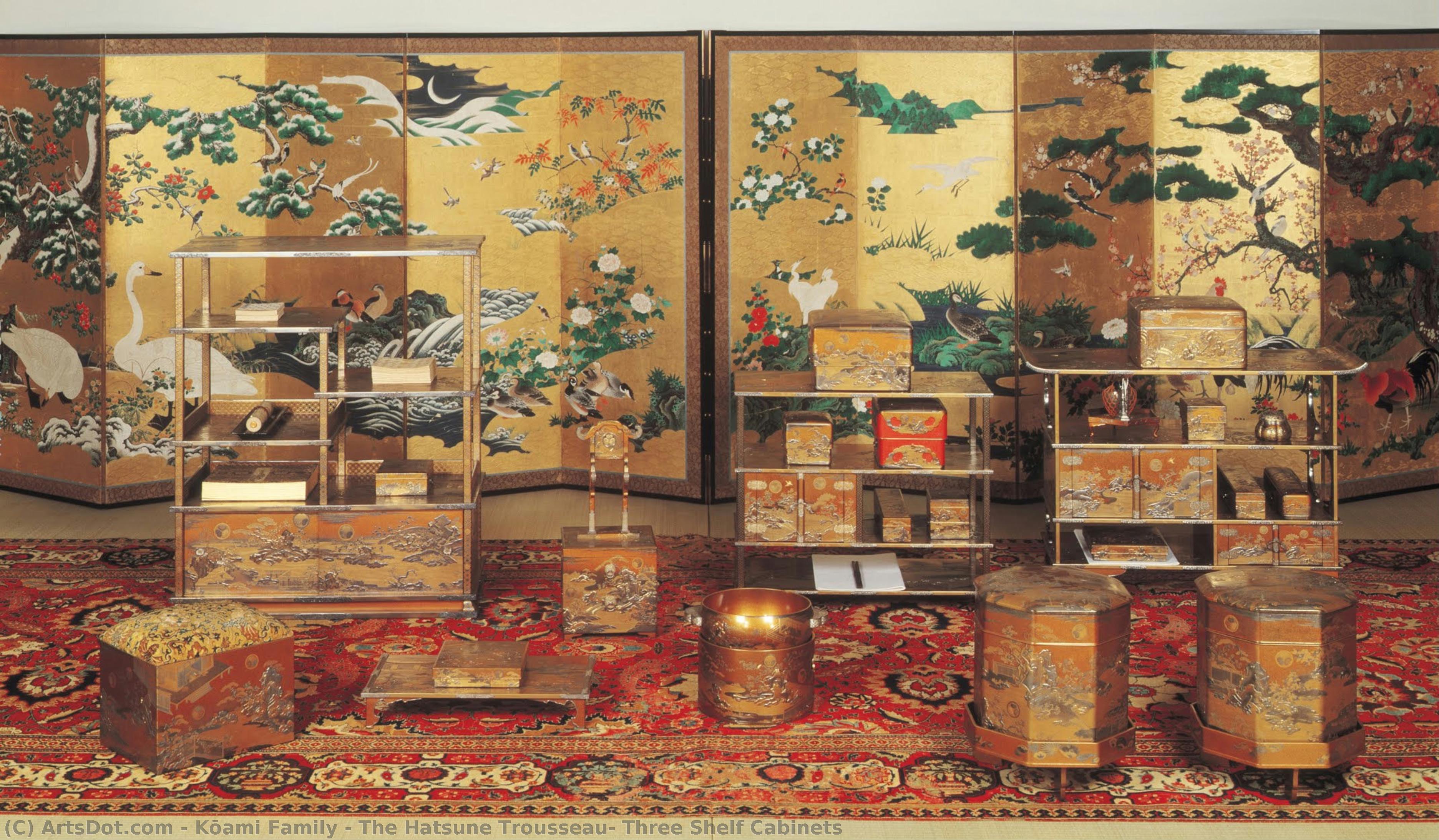
統計情報The Hatsune Trousseau, Three Shelf Cabinets


 詳細を見る
詳細を見る
ジークレー/アートプリント
迅速な制作と多彩な仕上げオプションを備えた、ミュージアムクオリティのジークレーまたはキャンバスプリント。 ( 手描きの絵画を購入 デジタル画像販売へ切り替え)




































作品のオリジナル比率に合わせた、当店の規定サイズからお選びください。

特定のフレームやスペースに合わせて、ご自身でサイズを指定することも可能です。選択されたサイズが元の画像の比率と一致しない場合、作品をトリミングするか、鏡面反射または単色での塗りつぶしによって画像を拡張いたします。制作を開始する前に、ご確認用のデジタルモックアップをお送りいたします。
画面上のプレビューには、実際のトリミングや拡張は反映されませんのでご注意ください。最終的な構図を正確に確認できるのは、モックアップのみとなります。
カスタムサイズも承っておりますが、元の比率を維持するためには、あらかじめ用意されたリストからサイズを選択することをお勧めいたします。


 ガラスオプションは、110cm未満のサイズでのみご利用いただけます。

The Hatsune Trousseau, Three Shelf Cabinets
ジークレー/アートプリント
複製画のサイズ
-


合計金額
$ 62
A Golden Legacy of Edo Splendor
In the quiet reverence of Japanese history, few objects command attention quite like The Hatsune Trousseau, Three Shelf Cabinets. Created in 1639 by the legendary kōami family, this masterpiece serves as a breathtaking window into the opulent world of the Edo period. The cabinets are not merely functional furniture but are elevated to the status of National Treasures, embodying the pinnacle of maki-e lacquer artistry. As one gazes upon the shimmering gold surfaces, it is impossible not to feel the weight of tradition and the meticulous devotion of nineteen generations of artisans who mastered the delicate dance of wet lacquer and precious metal powders.
The visual narrative of these cabinets is deeply rooted in classical Japanese literature, specifically The Tale of Genji. The motif of Hatsune, or the First Warbler, serves as a poignant symbol of spring's arrival and the renewal of life. This delicate connection to nature is woven into the very fabric of the design, where the interplay of light on the gold-dusted surfaces mimics the fleeting beauty of a seasonal dawn. For the discerning collector or interior designer, this piece offers more than just decoration; it provides a profound sense of continuity and a sophisticated touch of historical elegance that can anchor any high-end space.
Mastery of Technique and Materiality
The technical brilliance of the kōami family lies in their unparalleled command over the maki-e technique. This process involves sprinkling fine particles of gold or silver onto damp lacquer, creating a multidimensional landscape that seems to glow from within. In these three shelf cabinets, the craftsmanship is evident in every intricate detail—from the way the light catches the raised textures of the decorative objects to the seamless integration of botanical and avian elements. The presence of books, vases, and delicate ornaments arranged upon the shelves suggests a curated life of refinement, inviting the viewer to imagine the aristocratic halls where such treasures once resided.
To possess a reproduction of such a work is to invite a piece of Japan's imperial soul into one's home. The cabinets evoke an atmosphere of serene luxury, making them an ideal inspiration for those looking to blend traditional Eastern aesthetics with contemporary grandeur. Whether placed as a focal point in a study or used to inspire a themed gallery, the emotional impact of this work is undeniable—it is a celebration of permanence, beauty, and the enduring spirit of Japanese craftsmanship that continues to captivate the modern eye.
関連作品
アーティストの略歴
The Enduring Legacy of the Koami Family: Masters of Maki-e Lacquer
For nearly two centuries and nineteen generations, the Koami family has stood as a beacon of artistic excellence in Japan, renowned for their mastery of maki-e lacquer – a technique that transforms wet lacquer into shimmering landscapes of gold, silver, and vibrant pigments. More than simply artisans, they were custodians of tradition, deeply intertwined with the fortunes of the nation’s ruling houses, shaping the aesthetic landscape of imperial courts and samurai residences alike. Their story is one of meticulous craftsmanship, familial devotion, and a profound understanding of both artistic expression and the delicate balance between utility and beauty.
The Koami's origins trace back to Michinaga (1410–78), a personal attendant to Ashikaga Yoshimasa, the powerful ruler of the Muromachi shogunate. Recognizing his exceptional talent, Yoshimasa entrusted Michinaga with decorating his lavish palace in Kyoto. It was during this period that the Koami began to develop their signature style – a sophisticated blend of lacquerwork and painting, heavily influenced by the burgeoning artistic trends of the time. Michinaga’s innovations, particularly his pioneering use of takamaki-e, where powdered gold is meticulously applied to a design drawn in wet lacquer, established a foundation upon which future generations would build.
The Art of Maki-e: A Dance with Light and Metal
At the heart of the Koami’s artistry lies maki-e – literally “sprinkled picture.” This intricate technique involves applying lacquer to a wooden surface, allowing it to dry to a pliable state. Then, using specialized tools and pigments, artists create designs—often inspired by nature, calligraphy, or auspicious motifs—on the wet lacquer. Finally, they delicately sprinkle powdered gold, silver, or mother-of-pearl onto these designs, allowing the particles to adhere to the surface. The lacquer is then carefully polished to reveal the shimmering beauty of the metalwork, creating a breathtaking interplay of light and texture.
The Koami family distinguished themselves through their exceptional control over this process. They weren’t merely decorators; they were architects of visual experience. They mastered the subtle nuances of lacquer application, color blending, and metal manipulation, achieving an unparalleled level of detail and luminosity. Their work wasn't simply decorative; it was imbued with symbolic meaning, reflecting the values and aspirations of their patrons.
A Dynasty Forged in Patronage: The Tokugawa Era
The Koami’s fortunes rose dramatically during the Edo period (1603-1868), particularly under the patronage of the Tokugawa shogunate. Following a brief decline after the castle destruction, the family established a workshop in Edo (modern Tokyo) and quickly regained its prominence. The reign of Tokugawa Iemitsu (1604–1858), the seventh shogun, marked a golden age for the Koami. He commissioned a breathtaking set of lacquer stands – now considered one of the finest examples of Japanese lacquerware ever created – as a wedding gift to his daughter. This magnificent piece, known as the “Hatsune Trousseau,” exemplifies the Koami’s unparalleled skill and artistic vision.
The Hatsune Trousseau is not just a beautiful object; it's a testament to the Koami family’s dedication to perfection. It showcases their mastery of togidashi, a technique involving layering multiple colors and designs within the lacquer, creating a depth and richness rarely seen in other works. The intricate details – from the delicate floral patterns to the shimmering gold accents – are executed with breathtaking precision.
Legacy and Influence: A Tradition Continues
The Koami family’s influence extends far beyond their own creations. They trained countless apprentices, passing down their techniques and knowledge through generations. Their workshop served as a center of artistic innovation, shaping the development of maki-e lacquer for centuries to come. Even today, the Koami family continues to practice this ancient art form, preserving its traditions while embracing new challenges and opportunities.
Their legacy is enshrined in numerous national treasures, including the Hatsune Trousseau, which stands as a symbol of Japanese artistic excellence. The meticulous documentation of their workshop practices – compiled by Nagasuku (1661–1723), the tenth generation head – provides invaluable insights into the history and techniques of maki-e lacquer. The Koami family’s story is not just a chronicle of artistic achievement; it's a testament to the enduring power of tradition, dedication, and the pursuit of beauty.

kōami family
Japan
基本情報
- Artistic Movement Or Style: Maki-e lacquerware
- Artists Or Movements Influenced By This Artist: ['Tokugawa Iemitsu']
- Artists Who Influenced This Artist:
- Kanō Motonobu
- Sōami
- Nōami
- Date Of Death: Living
- Full Name: Kōami Family
- Nationality: Japanese
- Notable Artworks:
- Hatsune Trousseau
- Three Shelf Cabinets
- Place Of Birth: Japan
関連記事
Suzuki Harunobu: Pioneering Ukiyo-e & the Refinement of Edo Period Printmaking
Discover the revolutionary world of Suzuki Harunobu, a pioneer of ukiyo-e printmaking. Explore his exquisite nishiki-e techniques, diverse subjects & lasting impact on Japanese art history. Learn more at ArtsDot.
Golden Glow: How to Use Metallic Gold Artworks to Elevate Your Home Decor with Timeless Luxury
Discover how to elevate your home with the timeless elegance of metallic gold artworks. From sculptural metal pieces to gilded oil paintings, learn expert interior design tips for integrating luxurious gold accents into your space with sophistication and grace.
Ukiyo-e: Exploring Japan's Floating World & Enduring Artistic Legacy
Explore the captivating world of Ukiyo-e – Japan's iconic woodblock prints! Discover masters like Hokusai & Hiroshige, learn about Edo period culture, and find expert art collecting guidance at ArtsDot.

葛飾北斎:25の傑作が語る浮世絵の世界 - ArtsDot
葛飾北斎の25選:『神奈川沖浪裏』や『富嶽三十六景』など、浮世絵の世界を深く探求。木版画の技法と日本美術の美をArtsDotで。高品質なアートプリントで空間に感動を。コレクションはこちら。
The Allure of Gold in Art History: Symbolism, Technique & Cultural Significance
Explore the rich history of gold in art! Discover symbolism, techniques & cultural significance from ancient civilizations to Klimt's masterpieces. Expert insights for collectors at ArtsDot.