

 プレビュー
プレビュー
 プリントを購入
 シェアする
シェアする シェアする
シェアする
 詳細を見る
詳細を見る

 ダウンロード
 似ている作品
 X線調査
X線調査 スライドショー
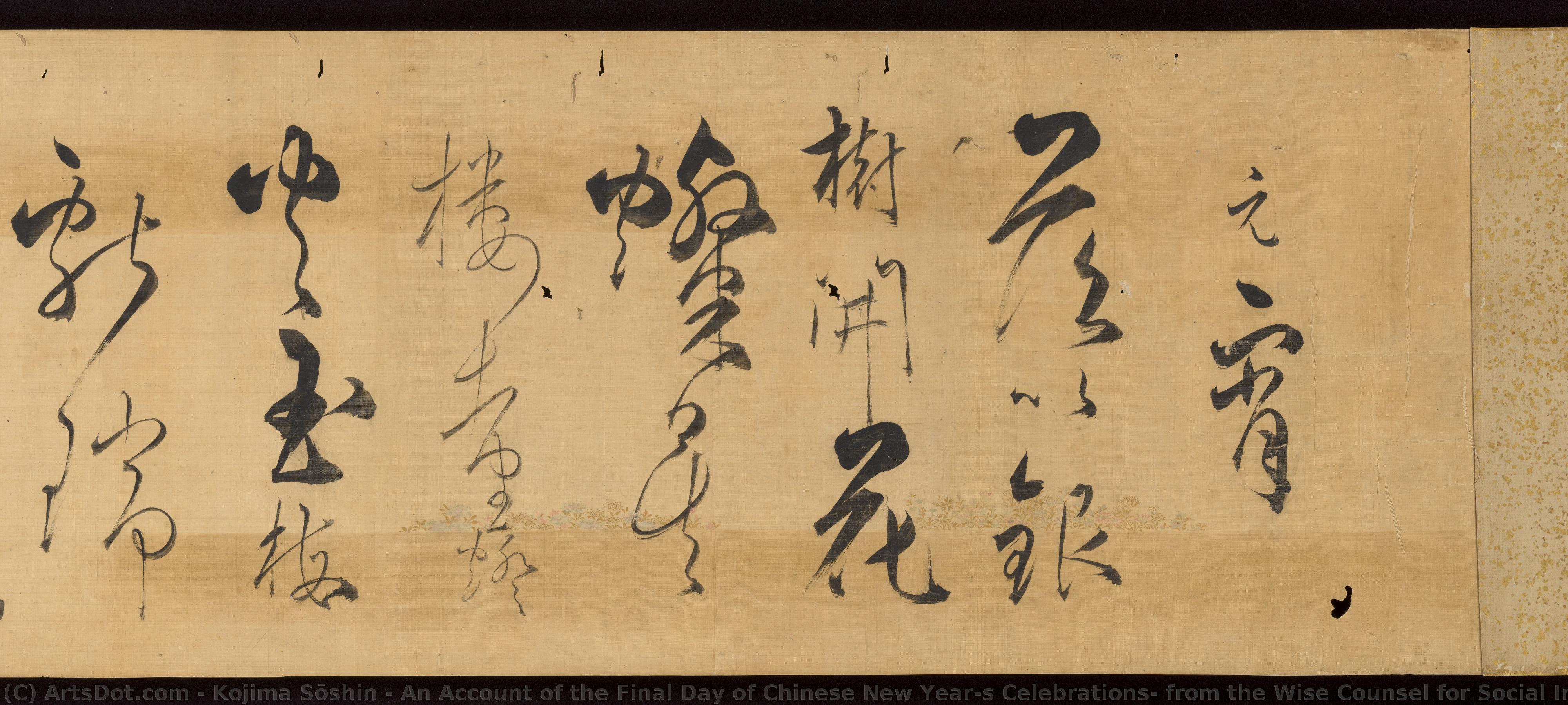
An Account of the Final Day of Chinese New Year’s Celebrations, from the Wise Counsel for Social Intercourse
 Momoyama Period
 1657
1657 28.0 x 397.0 cm
 詳細を見る
詳細を見る
オンラインプレビューをはるかに凌ぐ、高解像度で鮮明なデジタル画像をご購入いただけます。
各ファイルは、社内の専門家が高度なツールと熟練した手作業によるレタッチを用いて、細心の注意を払って準備されています。すべての画像において、卓越した鮮明度、正確な色彩再現性、そして繊細なディテールを保証いたします。
最終ファイルは、プロフェッショナルな編集・印刷環境ですぐにご利用いただけるよう最適化された状態で、72時間以内にメールにてお届けいたします。これは、一流のデザインスタジオ、出版社、ギャラリーから信頼されているものと同等の品質です。
デジタル画像のご注文に付随する特典
高品質なデジタル画像配信を、確かな品質で。
ArtsDot.com を選ぶことは、単に画像を手に入れることではありません。それは、プロの手によって精密に仕上げられ、満足保証が付いた高品質なデジタルアートワークを受け取ることを意味します。ご注文いただいた際に自動的に付随する内容は、以下の通りです:

メールですぐにお届け
ご注文から72時間以内に、高解像度のデジタル画像ファイルがメールでお手元に届きます。すぐにそのままご利用いただけます。

AI技術で最適化されたデジタルファイル
お客様の作品は、高度なAIツールと専門家による手作業の編集を組み合わせてプロフェッショナルに最適化されており、細部のディテール、鮮明さ、そして正確な色再現性を最大限に引き出しています。

一生涯無料の再送サービス
ファイルを誤って削除したり、紛失してしまったりしましたか?ご安心ください。いつでも無料で再送いたします。

輸入手数料は一切かかりません
関税や手数料、配送料を気にすることなく、お気に入りのアートワークをすぐにお楽しみいただけます。デジタルダウンロードは常に免税です。

色彩再現の保証
プロ仕様のツールとカラーマネジメント技術を用いることで、デジタル画像が元の色を最大限に忠実に再現することを保証いたします。

60日間満足保証
ご購入いただいたデジタル画像にご満足いただけない場合は、60日以内であれば、修正または100%の返金(理由を問う必要はありません)をさせていただきます。

100% 返金保証
ご満足いただけない場合は、デジタルファイルを受け取ってから60日以内であれば、理由を問わず全額返金いたします。

まとめ買い割引
3枚購入で10%OFF - 5枚購入で15%OFF - 10枚以上購入で20%OFF。クリエイティブなプロジェクト、ギャラリー、エージェンシーに最適です。
関連作品
作家の略歴
Kojima Sōshin: A Master of Flow and Echoes
Kojima Sōshin (小島宗真), a name now deeply respected within the annals of Japanese art history, was more than simply a calligrapher; he was a weaver of atmosphere, a conduit for poetic expression, and a student of both ancient Chinese aesthetics and the evolving sensibilities of his time. Born in Japan – details of his early life remain somewhat elusive, though he is known to have been nurtured within the vibrant cultural landscape of Kyoto during the Momoyama period (late sixteenth and early seventeenth centuries) – Sōshin’s legacy rests upon a foundation of rigorous training and an unmistakable artistic voice. He emerged as one of the great calligraphers following in the footsteps of luminaries like Hon’ami Kōetsu, Karasumaru Mitsuhiro, and others who shaped the artistic currents of their era, establishing himself through his distinctive style characterized by flowing kana (Japanese syllabic characters) interwoven with kanji (Chinese characters), often accompanied by deeply resonant poetic texts. His work was immediately recognizable by its signature and two seals, subtle markers of authenticity and personal connection to each piece.Early Influences and Artistic Development
Sōshin’s artistic journey began under the tutelage of Hon’ami Kōetsu, a pivotal figure in Momoyama art known for his innovative approach to design and his patronage of numerous artists. This formative period instilled within him a deep appreciation for balance, harmony, and the integration of diverse artistic disciplines – a hallmark of the era. His style was profoundly influenced by *suiboku ga*, a Chinese ink brush painting technique that emerged during the Tang Dynasty (618–907 CE). *Suiboku ga* relies on the skillful manipulation of black ink in varying concentrations, creating a monochrome palette rich with texture and depth. This foundational understanding informed Sōshin’s approach to calligraphy, where he masterfully employed variations in brush pressure and ink flow to evoke subtle shifts in tone and mood. Furthermore, his work reflects the impact of *bunjinga*, a style of Japanese painting that flourished during the Edo period (1603-1868). Unlike the meticulous techniques emphasized by earlier schools, *bunjinga* prioritized individual expression and personal interpretation, allowing for greater emotional resonance and a more intimate connection between artist and subject. This emphasis on subjective experience is clearly evident in Sōshin’s work, particularly his poetic texts which seem to breathe with emotion.Signature Style and Notable Works
Sōshin's artistic style was immediately recognizable by its elegant fluidity and the careful balance between traditional Japanese aesthetics and Chinese influences. He frequently combined kana and kanji in a way that created a dynamic visual rhythm, drawing upon the inherent beauty of both scripts. His compositions were often characterized by a sense of spaciousness and tranquility, achieved through the strategic use of negative space and subtle variations in ink density. A prime example of this style is his “soeki nari” tea bowl, a remarkable piece of *raku ware* – a celebrated ceramic style of the Momoyama period known for its distinctive crackled glaze. This bowl exemplifies Sōshin’s ability to imbue an everyday object with artistic significance and emotional depth. Another significant work is "Dragon in the Clouds," currently housed at the Fukuoka Art Museum in Kyoto, a masterpiece that showcases his technical skill and poetic sensibility. The piece's dynamic composition and evocative imagery demonstrate Sōshin’s mastery of capturing movement and atmosphere through calligraphy.Legacy and Recognition
Kojima Sōshin’s influence extends far beyond the individual works he created. He was a respected member of the Japan Botanical Art Association, demonstrating his commitment to artistic exploration across various mediums. His dedication to his craft led to numerous exhibitions in both Japan and China, receiving widespread acclaim for his unique vision and technical proficiency. These exhibitions, including “The Edo Period: Art and Culture in Japan, 1603-1868” at the Museum of Modern Art, Japan, served as a testament to his enduring legacy. His work continues to inspire artists today, solidifying his place as a pivotal figure in Japanese art history.Continuing Influence
Sōshin’s artistic principles and techniques have resonated through generations of calligraphers and artists. His exploration of the interplay between kana and kanji, combined with his deep understanding of *suiboku ga* and *bunjinga*, established a distinctive style that remains highly valued for its elegance, subtlety, and emotional depth. His dedication to watercolor pencil artwork further broadened his artistic horizons, showcasing his versatility and commitment to pushing the boundaries of traditional techniques. The echoes of Sōshin’s work can be found in contemporary calligraphy and painting, demonstrating the lasting impact of this remarkable artist on the Japanese art world.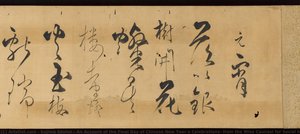
kojima sōshin
Japan
プロフィール概要
- Artistic Movement Or Style: Momoyama calligraphy, Suiboku ga, Bunjinga
- Artists Or Movements Influenced By This Artist: ['Suihogaku']
- Artists Who Influenced This Artist: ['Hon’ami Kōetsu']
- Date Of Death: Living
- Full Name: Kojima Sōshin
- Nationality: Japanese
- Notable Artworks:
- Soeki nari
- Dragon in the clouds
- Place Of Birth: Japan

